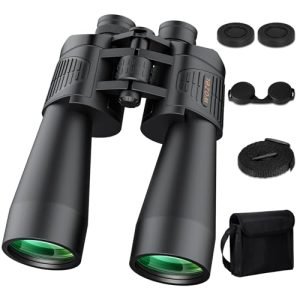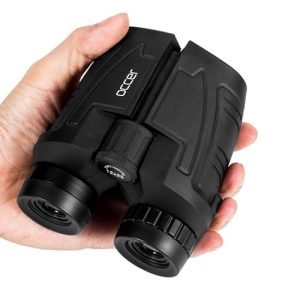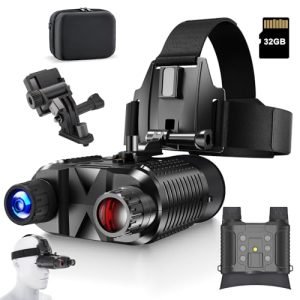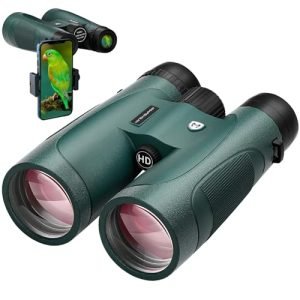
Imagine you’re out exploring the great outdoors, eager to catch a glimpse of the wildlife or distant landscapes. You’ve got your high-powered monocular ready, but there’s one problem—eye strain.
It can turn your adventure into an uncomfortable experience, leaving you with headaches and tired eyes. But don’t worry; there’s a way to enjoy your view without the discomfort. We’ll guide you through simple tips to keep eye strain at bay while using your monocular.
You’ll discover how minor adjustments and mindful practices can make a significant difference. Keep reading to learn how you can make the most of your monocular experience and keep your eyes fresh and focused. Your eyes deserve the best, and we’re here to show you how to give them just that.

Credit: www.amazon.com
Causes Of Eye Strain With Monoculars
High-powered monoculars can cause eye straindue to several reasons. Small lenses force eyes to work harder to focus. Poor lighting or glare makes viewing difficult. Holding the monocular steady for a long time tires eye muscles. Using a monocular without proper adjustment can blur images, causing eyes to squint.
Common issuesinclude:
- Strong magnification that demands more focus
- Small eye relief leading to discomfort
- Unstable grip causing shaky images
- Reflections and glare from lenses
Effects of prolonged use include:
- Dry, itchy eyes
- Headaches from muscle tension
- Blurred vision after use
- Neck and shoulder pain from holding position
Choosing The Right Monocular
Optical qualityis key to reducing eye strain with monoculars. Clear, sharp images help eyes relax. Poor lenses cause blurry views and tired eyes. Choose monoculars with multi-coated lensesfor better light transmission and less glare.
Magnification matters. Too high magnification makes images shaky and hard to focus. It forces eyes to work harder, causing discomfort. Pick a magnification level that balances detail and ease of viewing.
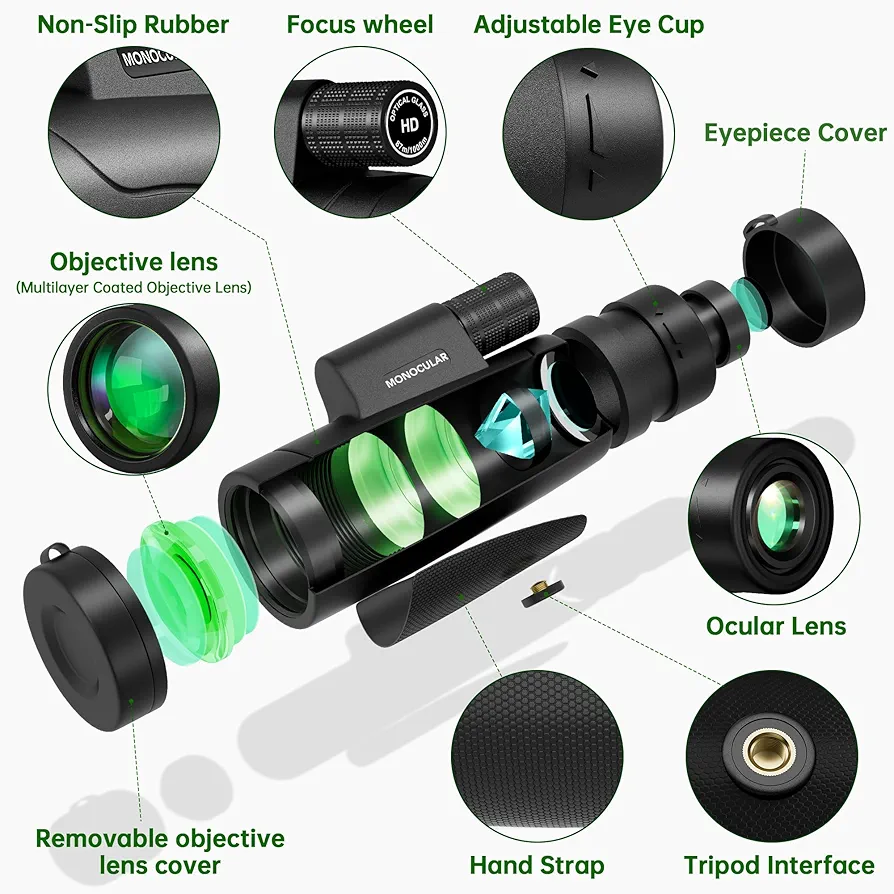
Ergonomics affect comfort during use. A lightweight, well-shaped monocular fits your hand and face better. Soft eyecups prevent pressure on your eyes. Adjustable focus knobs should be easy to turn without strain.
- High optical quality = clear view, less strain
- Moderate magnification = steady, comfortable image
- Ergonomic design = comfortable grip and eye relief
Proper Viewing Techniques
Adjust the focus slowly until the image becomes clear. Sharp focus reduces eye strainand helps you see better. Avoid forcing your eyes to see blurry objects.
Keep the monocular at a comfortable distance from your eye. Too close or too far causes discomfort and tired eyes. Find the spot where the whole view fits your eye comfortably.
- Try using both eyes if your device allows. This lessens fatigue.
- Close one eye only if needed, but switch often to rest each eye.
- Blink regularly to keep your eyes moist and refreshed.

Credit: www.amazon.com
Taking Breaks And Eye Exercises
Taking short breaks helps your eyes stay fresh and focused. Try to rest your eyes every 20 minutes. Look away from the monocular and focus on something 20 feet away for 20 seconds. This simple rule keeps your eyes relaxed and reduces strain.
Simple eye exercises also help. Roll your eyes slowly in circles. Look up and down, then side to side. Blink often to moisten your eyes. These actions ease tension and prevent dryness.
| Break Interval | Activity | Duration |
|---|---|---|
| Every 20 minutes | Look at a distant object | 20 seconds |
| Every hour | Eye rolling and blinking exercises | 1-2 minutes |
Lighting And Environmental Factors
Glare and reflectionscan cause serious eye strain while using monoculars. To reduce glare, avoid aiming the lens directly at bright light sources. Use a lens hood or shade your eyes with your hand to block sunlight. Polarized sunglasses also help minimize reflections on glass surfaces.
Choosing the right environment is key. Use monoculars in soft, natural lightwhenever possible. Early morning or late afternoon light is gentle on your eyes. Avoid very bright or harsh sunlight, which can cause discomfort.
- Stay out of direct sunlight or bright artificial lights.
- Pick shaded spots or use natural cover like trees.
- Keep the monocular steady to avoid constant refocusing.
- Take frequent breaks to rest your eyes.
Additional Accessories To Reduce Strain
Eye cups and cushionsprovide comfort around the eyes. They help block outside light, making it easier to focus. Soft padding reduces pressure on the skin and around the eyes. This prevents redness and irritation during long viewing sessions.
Using tripods or supportskeeps the monocular steady. Holding it by hand can cause shaking and tired muscles. A tripod allows you to keep the monocular still without strain. It also helps you keep a clear, sharp view for longer time.
- Eye cups fit snugly around the eye socket.
- Cushions come in foam or silicone for comfort.
- Tripods reduce arm and hand fatigue.
- Supports help maintain a steady view.
When To Consult A Professional
Persistent eye discomfort or headaches after using high-powered monoculars signal the need for expert advice. Professional guidance helps identify vision issues and suggests proper usage to protect your eyes. Early consultation prevents long-term strain and maintains eye health.
Recognizing Persistent Symptoms
Eye strain that lasts more than a few days needs attention. Blurred vision, headaches, or constant eye pain should not be ignored. Difficulty focusing or seeing clearly after using a monocular is a sign to act. Eyes that feel dry or very tired often may need a check-up. Persistent symptoms can signal underlying problems.
Seeking Expert Advice
Optometrists can provide proper eye exams and advice. They may suggest special lenses or breaks to reduce strain. Early professional help prevents long-term damage. Trust experts to guide safe use of high-powered monoculars.

Credit: www.amazon.co.uk
Frequently Asked Questions
How Can I Reduce Eye Strain With High-powered Monoculars?
To reduce eye strain, adjust the focus properly and use the eyecup for comfort. Take regular breaks to rest your eyes. Avoid using the monocular in low light to prevent excessive strain.
What Is The Best Way To Hold A Monocular Comfortably?
Hold the monocular steadily with both hands to minimize shaking. Use a tripod if possible for stability. Keep your eye aligned with the eyepiece to avoid strain and ensure a clear view.
How Often Should I Rest My Eyes When Using Monoculars?
Rest your eyes every 20 minutes for at least 20 seconds. This practice, known as the 20-20-20 rule, helps prevent fatigue and dryness. Regular breaks maintain eye health during extended monocular use.
Can Adjusting The Monocular’s Brightness Help Prevent Eye Strain?
Yes, adjusting brightness to match ambient light reduces eye strain. Too bright or too dim images cause your eyes to work harder. Use the monocular’s settings to find a comfortable brightness level.
Conclusion
Using high-powered monoculars can strain your eyes without care. Take regular breaks to rest your vision and avoid discomfort. Adjust the focus slowly to keep images clear and sharp. Keep proper distance between your eye and the monocular lens. Use good lighting to reduce glare and eye fatigue.
These simple steps help you enjoy using monoculars for longer. Protect your eyes and see the world more comfortably.