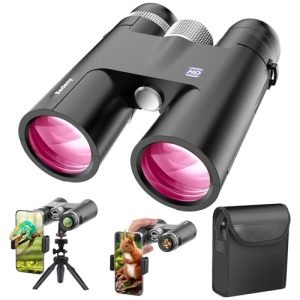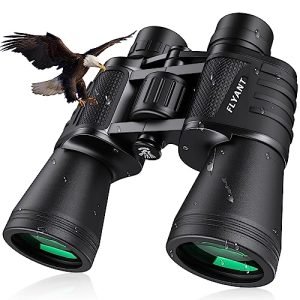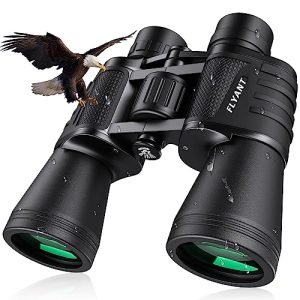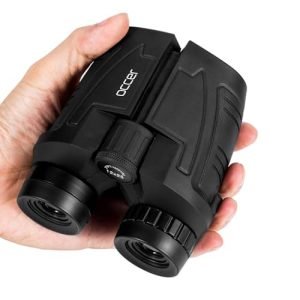
Have you ever been frustrated by blurry views through your surveillance binoculars just when you need them the most? Condensation inside your binoculars can ruin your experience, making it hard to see clearly and even damaging the lenses over time.
But what if you could stop this problem before it starts? You’ll discover simple and effective ways to avoid condensation inside your surveillance binoculars. Keep reading to protect your gear and enjoy crystal-clear vision every time you look through them.

Credit: www.amazon.com
Causes Of Condensation
Condensation forms when warm, moist air meets cold surfaces inside binoculars. This causes water droplets to appear on lenses, blurring vision. Poor sealing and sudden temperature changes often trigger this issue.
Temperature Changes
Sudden temperature changescan cause condensation. Warm air meets cold glass. This leads to foggy lenses. Keep binoculars in a stable environment. Avoid moving from hot to cold places quickly.
Humidity Levels
High humidityaffects binoculars. Moist air enters through gaps. This causes water droplets inside. Store binoculars in dry places. Use silica gel to absorb moisture.
Improper Storage
Poor storage can lead to condensation. Leaving binoculars in damp areas is bad. Always store them in a dry case. Ensure the case is sealed properly. Never keep them near water sources.

Credit: www.amazon.com
Effects Of Condensation
Condensationinside surveillance binoculars causes blurred views. It lowers image clarity, making it hard to see details clearly. Moisture droplets on lenses scatter light and blur images.
Condensation also risks lens damage. Water can cause moldand corrosioninside the binoculars. This damage may need costly repairs or replacement.
Frequent moisture inside reduces the equipment lifespan. Electronics and lens coatings can break down faster. Keeping binoculars dry helps them last longer and work well.
Preventive Measures
Keeping desiccantsinside binocular cases helps absorb moisture. Silica gel packets work well to keep lenses dry and clear. Change or recharge these packets regularly for best results.
Store binoculars in a cool, dry place. Avoid leaving them in damp or very hot areas. Use a protective case to shield from dust and moisture.
- Check that all seals are tight and intact.
- Apply waterproof coatings on joints to prevent water entry.
- Use lens covers to block dust and humidity.
Handling Binoculars In Different Environments
Cold weathercan cause binocular lenses to fog up quickly. Keep binoculars inside a sealed plastic bag before bringing them indoors. This stops sudden temperature changes that cause condensation. Warming binoculars slowly helps avoid moisture build-up.
In humid conditions, moisture can collect inside and outside the lenses. Use a soft, dry cloth to wipe binoculars often. Store them in a dry case with silica gel packs to absorb extra moisture. Avoid breathing directly on lenses to keep them clear.
Moving between different temperaturescreates fog on lenses. Let binoculars adjust to new temperatures inside the bag before use. This gradual change lowers the chance of condensation. Avoid sudden exposure to hot or cold air.
Maintenance And Care
Regular cleaning helps keep binocular lenses clear and free of moisture. Use a soft cloth to wipe lenses gently. Avoid using harsh chemicals or rough materials that might scratch the glass. Clean the exterior to remove dust and dirt that can trap moisture.
Inspect the binoculars regularly for any signs of damage. Check seals and joints carefully. Damaged seals can allow moisture inside, causing condensation. Fixing or replacing damaged parts early prevents bigger problems.
Professional servicing ensures your binoculars stay in good condition. Experts can check internal parts and clean areas you cannot reach. Routine servicing helps maintain the airtight seals and prevents moisture build-up inside.

Credit: www.amazon.com
Choosing The Right Binoculars
Fog-resistant binocularshave special coatings inside the lenses. These coatings stop moisture from building up. They also allow clear views in cold or humid places. Choose models labeled as “fog-proof” or “anti-fog.”
Quality sealingis key to keep water out. Look for binoculars with rubber seals or O-rings around the lenses and body. These seals block moisture and dust. This keeps the inside dry and clear.
The materialof binoculars affects condensation too. Metal bodies cool down faster, causing fog. Plastic or rubber-coated models stay warmer and reduce fogging. Pick lightweight and durable materials for better use.
Frequently Asked Questions
How Does Condensation Form Inside Surveillance Binoculars?
Condensation forms when warm, moist air meets cold surfaces inside binoculars. This causes water droplets to accumulate, impairing vision and potentially damaging internal components.
What Are The Best Ways To Prevent Binocular Condensation?
Store binoculars in dry, airtight cases with silica gel packs. Avoid sudden temperature changes and use binoculars with nitrogen or argon gas filling to prevent moisture buildup.
Can Anti-fog Coatings Help Reduce Condensation?
Yes, anti-fog coatings on lenses minimize moisture accumulation. They improve visibility by preventing water droplets from forming on the binocular surfaces.
Is Nitrogen Filling Effective Against Internal Fogging?
Nitrogen filling displaces moisture inside binoculars, reducing fogging. It creates a dry environment that helps maintain clear optics even in humid conditions.
Conclusion
Preventing condensation inside surveillance binoculars keeps your view clear. Use silica gel packs to absorb moisture inside the case. Store binoculars in a dry place after use. Avoid sudden temperature changes that cause fogging. Regularly clean lenses with a soft cloth for best results.
Follow these simple steps to enjoy sharp, clear images every time. Keep your binoculars dry, and they will last longer. Clear vision is key for effective surveillance. Small efforts make a big difference.