Have you ever wondered how surveillance binoculars let you see clearly in complete darkness? Imagine having the power to spot every detail, even when the night is pitch black.
Understanding how these binoculars work with night vision can change the way you protect your home, watch wildlife, or explore the outdoors after dark. You’ll discover the simple secrets behind night vision technology and how it turns darkness into daylight for your eyes.
Ready to unlock the mystery? Keep reading and see the unseen like never before.

Credit: cdjygx.en.made-in-china.com
Basics Of Surveillance Binoculars
Surveillance binoculars help people see far objects clearly. They are used for watching places or animals from a distance.
Night vision binoculars let you see in the dark. They use special technology to show images at night.
Key Components
Surveillance binoculars have parts that work together to create clear images. These parts include lenses, prisms, and eyepieces.
Night vision binoculars add extra parts like image intensifiers or infrared sensors. These help capture more light in dark areas.
- Objective lenses to gather light
- Prisms to correct image direction
- Eyepieces to magnify the image
- Image intensifier tubes for night vision
- Infrared illuminators to light dark scenes
Optical Principles
Binoculars use lenses to bend light and make objects look closer. The light passes through the lenses and prisms to reach your eyes.
Night vision works by collecting tiny light particles like moonlight or infrared rays. The image intensifier makes these particles brighter to form a visible image.
- Light enters the objective lens
- Prisms flip the image right side up
- Eyepieces magnify the image for the eye
- Image intensifiers boost low light signals
- Infrared light helps see in total darkness
Night Vision Technology
Surveillance binoculars use night vision to see in the dark. They help users spot objects at night clearly.
Night vision works by making tiny light sources visible. It changes invisible light into visible images.
Image Intensification
Image intensification boosts small amounts of light. It takes tiny light particles and makes them brighter.
The intensified light creates a clear picture on the binoculars’ screen. This helps see details in dark places.
- Collects ambient light like moon or stars
- Amplifies light using special tubes
- Shows brighter and clearer images
- Works best in low-light, not total darkness
Infrared Illumination
Infrared illumination uses invisible light to brighten dark scenes. It sends out infrared rays that the eyes can’t see.
The binoculars detect this infrared light and turn it into a visible image. This helps see in total darkness.
- Emits infrared light to light up areas
- Infrared light is safe and invisible
- Works well in complete darkness
- Often used with image intensification
Combining Binoculars With Night Vision
Surveillance binoculars with night vision help you see in the dark. They mix regular binoculars with special night vision technology.
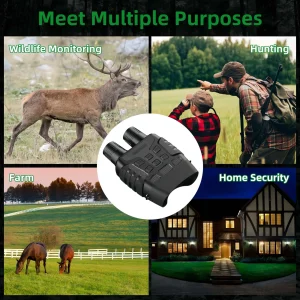
This combination allows clear views at night or in low light. It is useful for security, wildlife watching, and outdoor activities.
Integration Methods
There are several ways to add night vision to binoculars. Some use built-in night vision lenses. Others attach night vision devices to regular binoculars.
- Built-in Night Vision:Binoculars have night vision parts inside. This makes them easy to use at night.
- Attachment Devices:You can clip night vision units on normal binoculars. This gives flexibility to switch between day and night use.
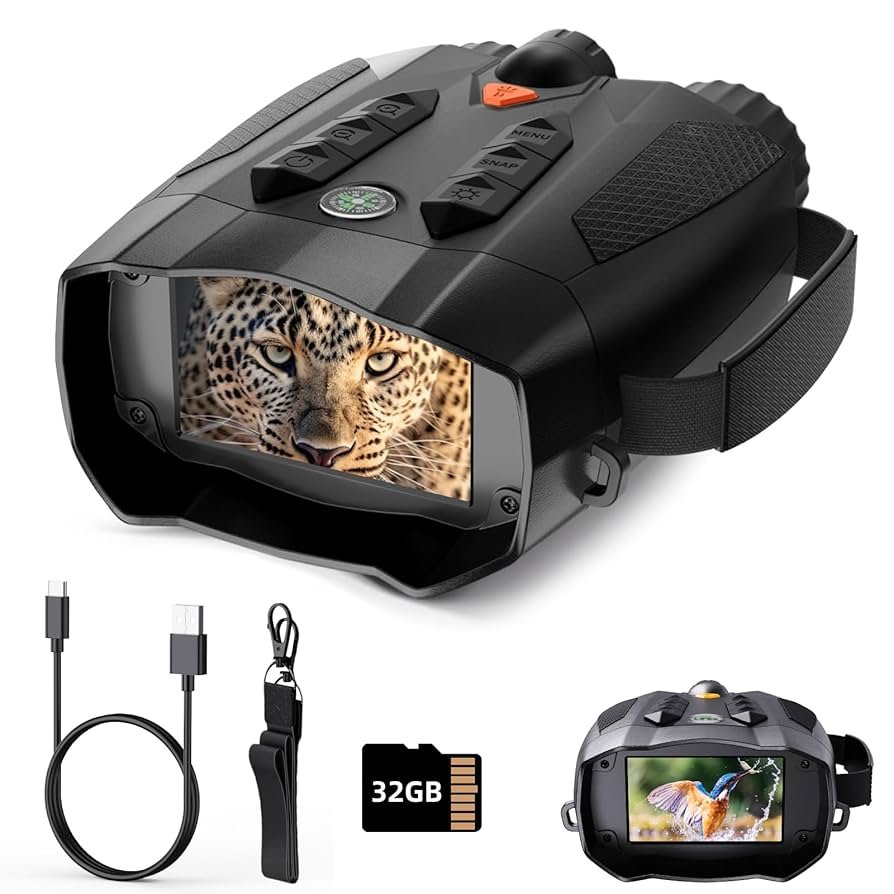
- Digital Night Vision:These binoculars use cameras and screens to show images. They work well in very dark places.
Power Sources
Night vision binoculars need power to work. The power source must be reliable and easy to replace or recharge.
| Power Source | Description | Advantages | Disadvantages |
|---|---|---|---|
| Batteries | Common AA or AAA batteries used in most models. | Easy to find and replace. | Can run out quickly with heavy use. |
| Rechargeable Packs | Built-in lithium-ion batteries charged by USB. | Cost-effective over time and eco-friendly. | Needs charging time and access to power. |
| External Power | Connected to larger power units for long use. | Good for fixed or long surveillance sessions. | Less portable and harder to carry. |
Types Of Night Vision Binoculars
Surveillance binoculars with night vision help you see in low light. They use special technology to make dark scenes visible. There are two main types: digital and analog night vision binoculars.
Each type works differently and suits different needs. Understanding these types helps you pick the right binoculars for night viewing.
Digital Night Vision
Digital night vision binoculars use a small camera sensor to capture images. They convert the images into digital signals. Then, the signals show on a screen inside the binoculars. This lets you see clear pictures in the dark.
- Use a CMOS or CCD sensor to capture light
- Display images on an LCD or OLED screen
- Can record videos and take photos
- Work well in total darkness with infrared light
- Usually have rechargeable batteries
Analog Night Vision
Analog night vision binoculars use a special tube called an image intensifier. This tube amplifies small amounts of light. It makes the image brighter so you can see in the dark. This technology is older but very reliable.
| Feature | Analog Night Vision | Digital Night Vision |
| Image Source | Image intensifier tube | Camera sensor |
| Display | Eyepiece lens | LCD or OLED screen |
| Performance in Darkness | Good with some ambient light | Works well with infrared illumination |
| Durability | More fragile | Often more rugged |
| Extra Features | Basic viewing | Photo and video recording |
Advantages In Surveillance
Surveillance binoculars with night vision help see clearly in the dark. They use special technology to show images in low light.
This makes watching areas at night easier and safer. The benefits help users get better information and act faster.
Enhanced Visibility
Night vision binoculars improve visibility by amplifying light. This lets users see objects and movements in near darkness.
- Amplify weak light from the moon or stars
- Show clearer images in complete darkness
- Reduce eye strain during long surveillance periods
- Allow observation without using bright lights
Improved Target Identification
These binoculars help identify targets better by showing details invisible to the naked eye. This aids in quick and accurate decisions.
| Feature | Benefit |
| Infrared illumination | Spot targets hidden in shadows |
| High resolution optics | See fine details from a distance |
| Zoom capabilities | Focus on specific areas clearly |
| Image stabilization | Keep images steady for easier recognition |
Limitations And Challenges
Surveillance binoculars with night vision help see in low light. They have limits that affect their use. Understanding these limits helps users get the best results.
Some challenges come from the technology itself. Others come from the environment where binoculars are used. These factors can reduce their effectiveness.
Range Restrictions
Night vision binoculars work well at close and medium distances. But their range is limited by the technology. They depend on available light and sensor quality.
- Image clarity decreases as distance grows
- Objects farther away become harder to identify
- Infrared illumination helps but has a short reach
- Battery life limits long-range continuous use
Environmental Factors
Weather and surroundings affect night vision binoculars. Certain conditions make it difficult to see clearly through the lenses.
| Environmental Factor | Effect on Night Vision |
| Fog | Blurs images and reduces visibility |
| Rain | Causes glare and distorts view |
| Snow | Reflects light and creates bright spots |
| Dust and Smoke | Blocks infrared light and reduces clarity |
| Bright Lights | Can cause glare and wash out the image |
Maintenance And Care Tips
Surveillance binoculars with night vision need regular care. Proper maintenance keeps them working well.
Cleaning and battery care help extend the life of your binoculars. Follow simple steps to protect your gear.
Cleaning Lenses
Clean lenses carefully to avoid scratches. Use soft materials and gentle cleaning solutions.
- Use a soft brush or air blower to remove dust.
- Apply lens cleaning fluid to a microfiber cloth, not directly on lenses.
- Wipe lenses gently in a circular motion.
- Store binoculars in a clean, dry case when not in use.
- Avoid touching lenses with fingers to prevent oil smudges.
Battery Management
Good battery care ensures your night vision stays ready. Check and replace batteries as needed.
| Battery Tip | Advice |
| Remove batteries | If storing binoculars for long periods |
| Use correct battery type | Check the manual for recommendations |
| Replace all batteries | Change batteries together to avoid leaks |
| Check battery contacts | Clean contacts to maintain good connection |
| Carry spare batteries | Always have extras during long use |

Credit: chimiya.com

Credit: chimiya.com
Frequently Asked Questions
How Do Night Vision Surveillance Binoculars Work?
Night vision binoculars amplify ambient light to create a visible image. They use image intensifier tubes to enhance low light. Infrared illumination helps in complete darkness. This technology allows clear, detailed viewing at night for surveillance purposes.
What Are The Key Components Of Night Vision Binoculars?
Key parts include image intensifier tubes, objective lenses, and infrared LEDs. The lenses gather light, while tubes amplify it. Infrared LEDs provide invisible light for dark areas. These components work together to enable clear night vision.
Can Night Vision Binoculars Work In Total Darkness?
Yes, with built-in infrared illuminators, they work in total darkness. Infrared light is invisible to the naked eye but visible to the binoculars. This allows users to see clearly even without any ambient light.
Are Surveillance Binoculars With Night Vision Suitable For Wildlife Observation?
Absolutely, they allow discreet observation of nocturnal animals. The night vision feature prevents disturbance by visible light. This makes them ideal for wildlife enthusiasts and researchers needing clear night-time views.
Conclusion
Surveillance binoculars with night vision help you see clearly in the dark. They use special lenses and sensors to capture light that human eyes cannot. This technology makes it easier to watch animals, people, or places at night. You can spot details that usually stay hidden.
These binoculars work best in low light and complete darkness. Understanding how they function helps you choose the right model. Night vision binoculars add safety and awareness during nighttime activities. Simple to use, they improve your vision when light is scarce.