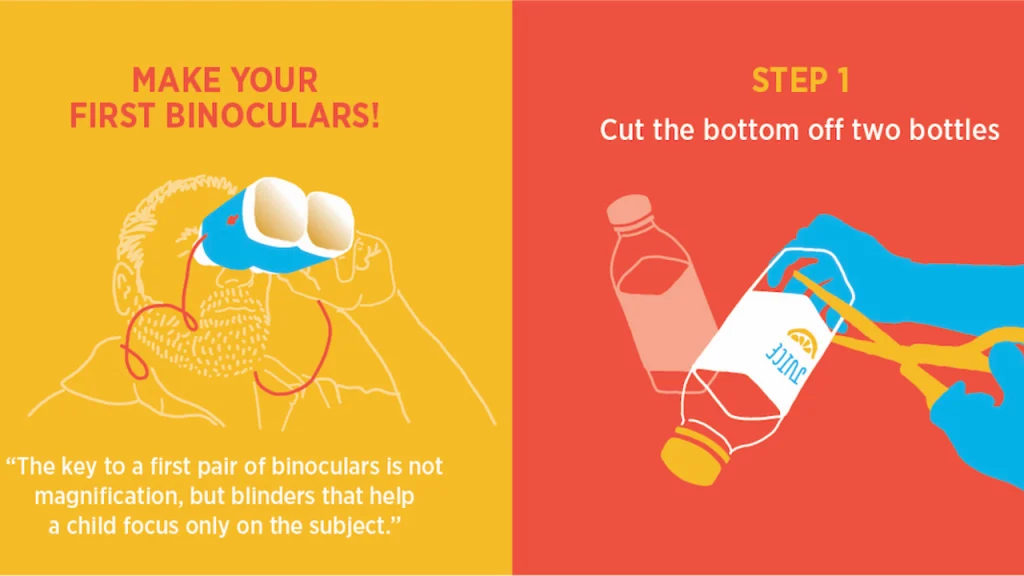
Have you ever wondered how to make science exciting for your kids? Imagine giving them a tool that turns the world into a hands-on classroom.
Binoculars do just that. They open up new ways for your children to explore nature, observe animals, and understand the environment around them. This simple device can spark curiosity and make learning science feel like an adventure. Keep reading to discover how binoculars can help your kids learn science in fun and powerful ways.
Boosting Curiosity
Binoculars open new ways for kids to see the world around them. They help children look closely at nature, animals, and faraway places.
Using binoculars makes learning science fun. Kids feel curious and eager to explore what they can find.
Encouraging Exploration
Binoculars invite kids to go outdoors and explore. They can spot birds, insects, or plants from a distance. This encourages children to ask questions and discover new things.
- Look for different types of birds in the park.
- Find details on tree leaves or flowers far away.
- Watch animals in their natural habitats safely.
- Explore landscapes like mountains, rivers, or forests.
Fostering Observation Skills
Binoculars help children focus on details they might miss. This improves their observation skills, which are key to scientific learning.
| Observation Skill | How Binoculars Help |
| Detail Recognition | See small features clearly from far away |
| Concentration | Stay focused on a moving object |
| Memory | Remember what they saw to describe it later |
| Comparing | Notice differences between species or objects |
Enhancing Science Lessons
Binoculars help kids explore science by making learning active and fun. They bring distant objects closer, helping children observe details in nature.
Using binoculars in science lessons makes ideas clearer and helps kids understand the world better.
Hands-on Learning Experiences
Kids learn best by doing. Binoculars let them watch animals, plants, and landscapes up close. This active use of tools builds skills and curiosity.
- Observe birds and insects in their natural habitats
- Explore different plant species from a distance
- Study weather changes by watching clouds and storms
- Measure distances and sizes of objects outdoors
Connecting Theory To Reality
Binoculars help kids see science ideas in real life. They link what kids read in books to what they find outside.
| Science Topic | Observation with Binoculars |
|---|---|
| Animal Behavior | Watch how birds build nests and feed their young |
| Plant Life | See leaf shapes and flower details from afar |
| Geography | View mountain shapes and river paths clearly |
| Meteorology | Track cloud types and weather patterns |
Improving Focus And Attention
Binoculars help kids learn science by making them focus on small details. Using binoculars requires careful looking and paying close attention.
This focused observation helps children develop better attention skills. It trains their eyes and mind to notice things they might miss otherwise.
Developing Patience
Kids learn to wait quietly while using binoculars. They need to hold still and watch carefully to see animals or plants up close.
This slow, steady watching teaches children to be patient. Patience is important in science for observing changes and details over time.
Strengthening Concentration
Binoculars help kids focus on one thing at a time. They block out distractions by making the view small and clear.
This sharp focus improves concentration. Kids learn to keep their attention on the subject for longer periods, which helps in learning science.

Credit: www.amazon.ca
Encouraging Outdoor Activities
Binoculars help kids explore the outdoors with more curiosity. They make nature more interesting and fun to study.
Using binoculars encourages children to spend time outside. This helps them learn science in a hands-on way.
Nature Study And Discovery
Binoculars allow kids to see animals and plants up close. This helps them learn about different species and their habits.
Children notice details they might miss without binoculars. This sparks questions and drives them to learn more.
- Bird watching to identify species
- Observing insects and small animals
- Studying tree leaves and flowers
Promoting Environmental Awareness
Binoculars help kids see nature’s beauty and value. This builds respect for the environment and living things.
By observing wildlife, children learn why protecting nature is important. They become more aware of human impact on the earth.
- Understanding animal habitats
- Recognizing signs of pollution
- Learning about conservation efforts
Building Confidence
Binoculars help kids explore the world close-up. They make science feel real and exciting.
Using binoculars lets children discover things on their own. This builds their confidence in learning.
Independent Learning
Kids use binoculars to observe birds, plants, and insects carefully. They learn by watching details.
This tool encourages children to ask questions and find answers alone. It helps them think deeply.
- Look closely at nature without help
- Notice small changes and patterns
- Practice patience and focus
Sharing Observations
After exploring, kids enjoy telling friends and family what they saw. Sharing builds communication skills.
Talking about their findings helps kids feel proud. They learn to explain science in simple words.
- Describe what they observed
- Use new science words
- Listen to others’ ideas
Credit: mothercare.in
Choosing The Right Binoculars
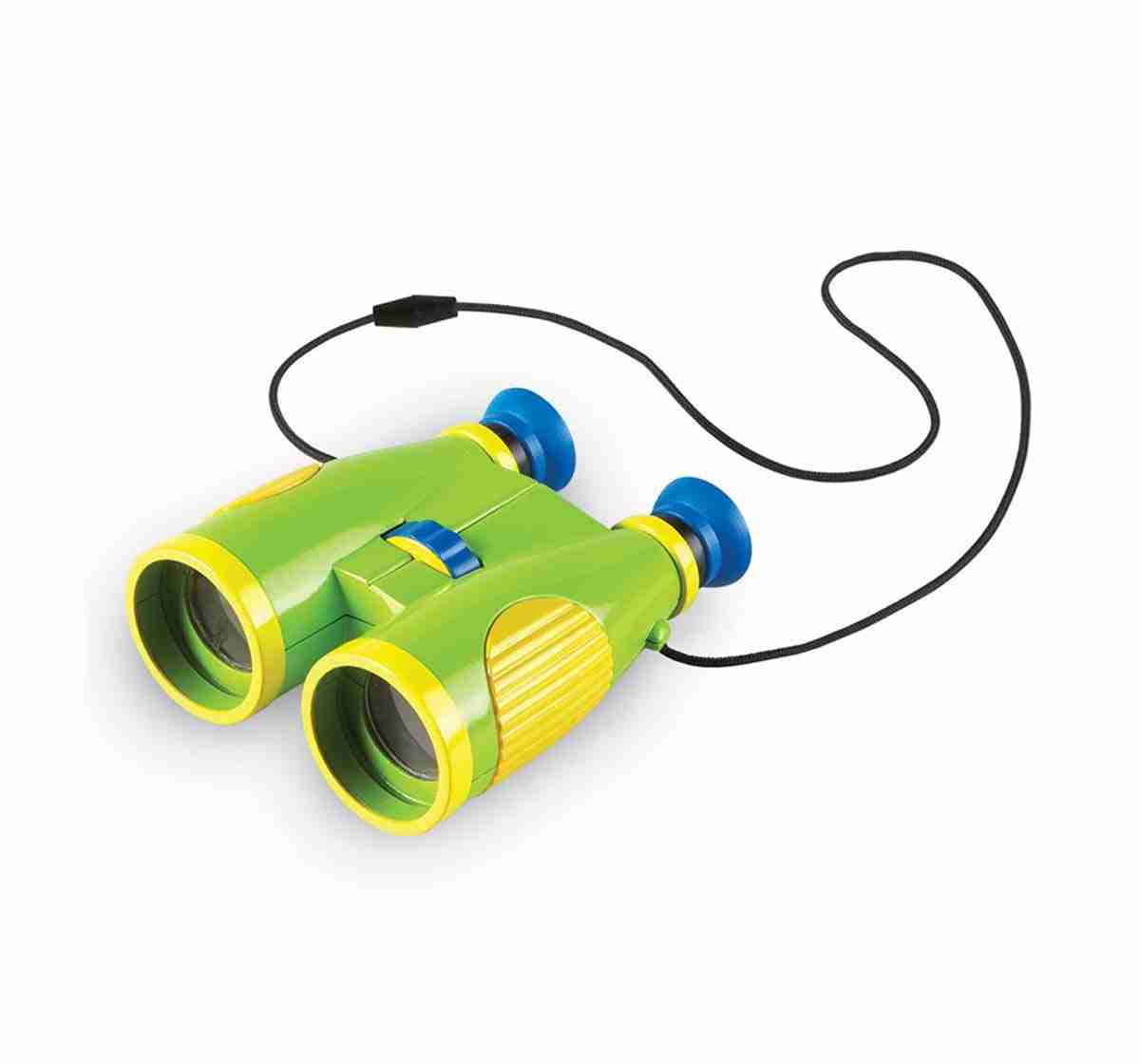
Binoculars help kids see things far away. They make science fun by showing details up close.
Picking the right binoculars is important. It helps kids learn without frustration or trouble.
Age-appropriate Features
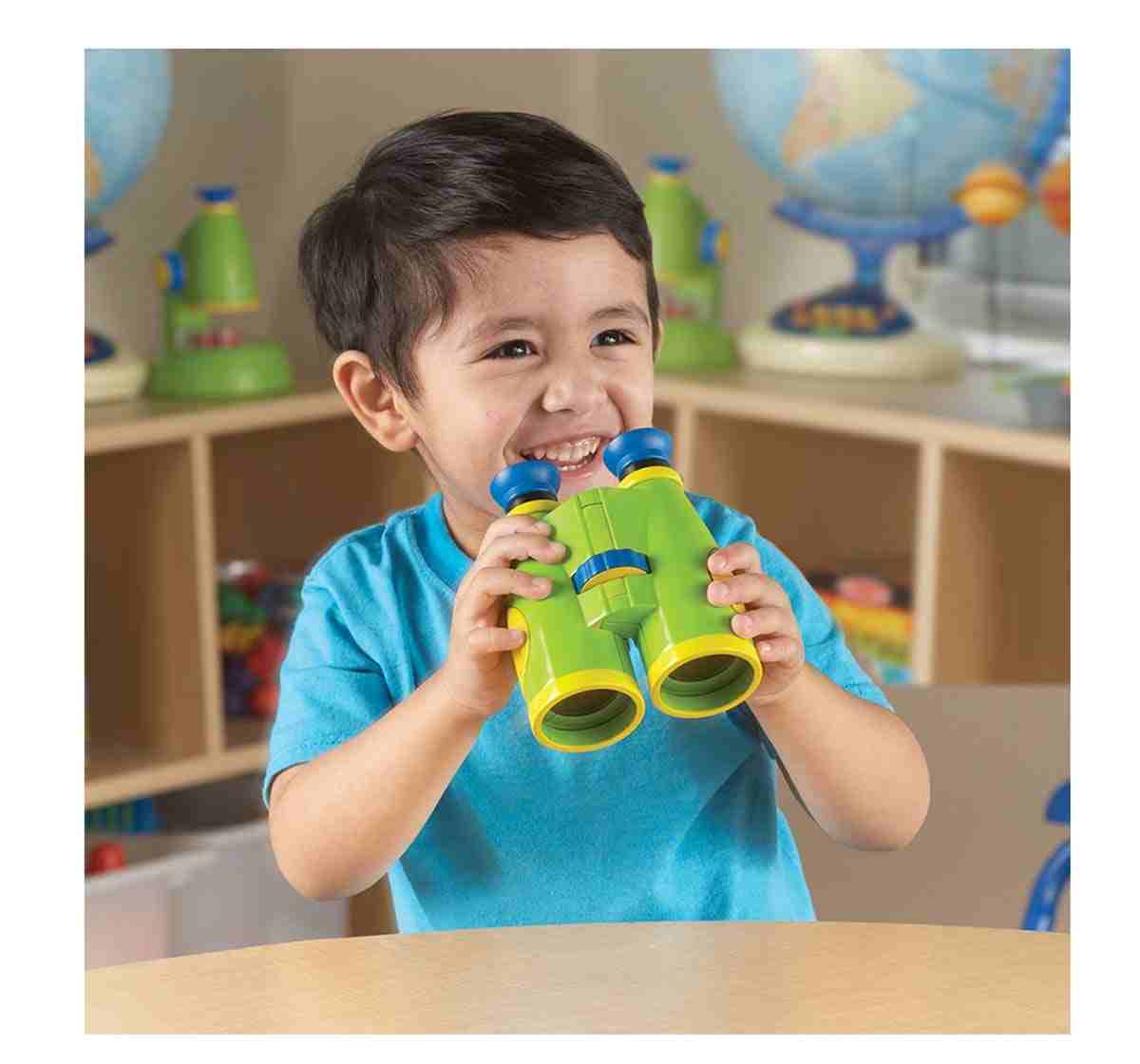
Binoculars should fit a child’s age and skills. Young kids need simple and easy-to-use models.
Look for binoculars with small size and low weight. Large or heavy ones can be hard to hold.
- Lower magnification helps beginners see clear images
- Adjustable focus lets kids sharpen views easily
- Eye relief suits kids who wear glasses
- Wide field of view helps find objects quickly
Durability And Safety
Kids can be rough with tools. Binoculars must be tough and safe to use.
Choose models made with strong materials and soft grips. This protects both the binoculars and children.
- Rubber coating absorbs shocks and drops
- Waterproof and fog-proof features last longer outside
- Non-toxic materials keep kids safe
- Strap or neck cord helps prevent losing them
Credit: mothercare.in
Frequently Asked Questions
How Do Binoculars Improve Kids’ Observation Skills?
Binoculars enhance kids’ observation by magnifying distant objects clearly. This helps them notice details in nature, boosting attention and curiosity in science learning.
Can Binoculars Make Science More Engaging For Children?
Yes, binoculars make science hands-on and exciting. Kids explore wildlife and ecosystems actively, which increases their interest and understanding of scientific concepts.
What Science Topics Can Kids Explore With Binoculars?
Kids can study birds, insects, plants, and landscapes. Binoculars aid learning in biology, ecology, and environmental science by providing close-up views of natural subjects.
Are Binoculars Safe And Easy For Kids To Use?
Most binoculars designed for children are lightweight, durable, and safe. They are simple to operate, encouraging independent exploration and confidence in scientific discovery.
Conclusion
Binoculars open up a world of science for kids. They help children see details far away and learn about nature. Kids become curious about animals, plants, and stars. Using binoculars makes learning fun and hands-on. This tool supports observation skills and attention to detail.
Kids enjoy exploring the outdoors with binoculars. They ask questions and discover answers by looking closely. Science feels real and exciting through binoculars. Simple tools can inspire a lifelong love of learning.