Have you ever wondered when your child is ready to explore the world through binoculars? Knowing the right age for kids to start using binoculars can make a big difference in their safety and enjoyment.
You want your little one to have fun discovering nature, but you also want to make sure they’re using the right tools. You’ll find clear answers and simple tips to help your child start their binocular adventure the right way.
Keep reading to find out how to choose the perfect binoculars and what age is just right for your young explorer.
Ideal Age For Kids
Binoculars can be a great tool for kids to explore nature and their surroundings. Knowing the right age to introduce binoculars helps ensure safety and fun.
Children develop skills at different rates. This guide explains when kids are ready to use binoculars comfortably.
Early Years And Curiosity
Young children show strong curiosity about the world. They enjoy looking at animals and distant objects.
Binoculars designed for small hands can help toddlers and preschoolers explore safely. Adult supervision is important at this stage.
Developmental Milestones
- By age 3, children start focusing on objects more clearly.
- At age 4, hand-eye coordination improves for holding binoculars.
- Age 5 brings better attention span for outdoor activities.
- By age 6, kids can follow directions and use binoculars with less help.
These milestones help decide when a child is ready for binoculars with simple features.
Recommended Age Range
| Age | Type of Binoculars | Supervision Level |
| 3-4 years | Low magnification, lightweight | Full adult supervision |
| 5-7 years | Simple focusing, durable design | Partial supervision |
| 8 years and up | Standard binoculars, higher magnification | Minimal supervision |

Credit: www.walmart.com
Choosing Kid-friendly Binoculars
Binoculars can be a fun way for kids to explore nature. Picking the right pair helps them enjoy and learn safely.
It is important to choose binoculars made for kids. These binoculars are easier to use and safer.
Size And Weight Considerations
Binoculars for kids should be small and light. Heavy binoculars can tire young hands quickly.
Look for binoculars that fit comfortably in small hands. This helps kids hold them steady for clear views.
- Choose binoculars with a compact design
- Weight should be easy for kids to carry
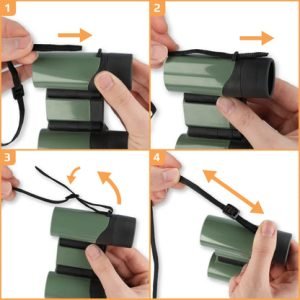
- Adjustable straps help keep binoculars secure
Durability And Safety Features
Kids can be rough with their toys. Binoculars need to be strong to survive drops and bumps.
Safety is key. Look for binoculars with rubber covers and no sharp edges. This protects kids during use.
- Rubber coating absorbs shocks
- Shatterproof lenses prevent injury
- Non-toxic materials ensure safe handling
- Strap loops prevent dropping
Optical Quality And Magnification
Good optics help kids see clearly without eye strain. Choose binoculars with bright and sharp images.
Keep magnification low. High magnification can make images shaky and hard to focus for children.
- Magnification between 4x and 6x is best
- Wide field of view helps find objects quickly
- Multi-coated lenses improve brightness
Benefits Of Using Binoculars For Kids
Binoculars help kids see faraway things clearly. They make learning fun and exciting.
Using binoculars can improve many skills in children. They can explore the world in new ways.
Enhancing Observation Skills
Binoculars train kids to notice small details from a distance. This sharpens their observation skills.
- Spot birds and animals in nature
- See shapes and colors clearly
- Learn to focus on objects carefully
- Identify different plants and insects
Encouraging Outdoor Exploration
Kids feel excited to go outside with binoculars. They enjoy discovering new things in parks and forests.
| Activity | What Kids Can See |
| Bird Watching | Birds flying and nesting |
| Hiking | Distant trees and animals |
| Camping | Stars and night wildlife |
Boosting Focus And Patience
Using binoculars needs steady hands and quiet patience. Kids learn to concentrate and wait.
Here are some ways binoculars help with focus and patience:
- Hold binoculars still to get a clear view
- Wait quietly for animals to appear
- Practice looking at one object for a long time

Credit: www.amazon.com
Safety Tips For Young Users
Binoculars can be fun and educational for kids. It is important to keep safety in mind while they use them.
Young users need guidance to avoid accidents and eye problems. These tips help keep binocular use safe and enjoyable.
Supervision Guidelines
Children should always use binoculars under adult supervision. Adults can teach proper use and prevent mishaps.
- Choose binoculars designed for kids with a durable build.
- Show children how to adjust the focus carefully.
- Keep an eye on younger kids to avoid rough handling.
- Explain not to point binoculars at bright lights or the sun.
Avoiding Eye Strain
Using binoculars for too long can cause eye strain. Teach kids to take breaks and use them properly.
- Limit viewing sessions to 10-15 minutes at a time.
- Encourage blinking often to keep eyes moist.
- Adjust binoculars to fit the child’s eyes well.
- Stop use if the child complains of headaches or blurred vision.
Proper Handling And Storage
Proper care extends the life of binoculars and keeps kids safe. Teach children how to handle and store them correctly.
| Handling Tips | Storage Tips |
|---|---|
| Hold binoculars with both hands to avoid dropping. | Store in a padded case when not in use. |
| Clean lenses with a soft cloth only. | Keep binoculars away from extreme heat or moisture. |
| Do not twist or force parts to avoid damage. | Place binoculars where children cannot reach unsupervised. |
Activities To Try With Binoculars
Kids can have fun exploring the world with binoculars. These tools help them see far away things clearly.
Binoculars are great for many outdoor activities. Here are some ideas to try with children.
Bird Watching Basics
Bird watching is a simple way to use binoculars. Kids can spot different birds in their yard or park.
Teach kids to look for bird colors, shapes, and sounds. This makes the activity more fun and educational.
- Choose a quiet spot outside
- Look for birds sitting on trees or flying
- Use binoculars to see details
- Try to identify the bird species
- Write or draw what you see
Nature Hikes And Exploration
Binoculars help kids see plants, insects, and animals on hikes. They can explore nature closely without disturbing it.
Encourage kids to spot interesting things far away. It makes walking in nature more exciting and educational.
- Pick a safe trail for kids
- Stop to use binoculars often
- Look for animal tracks and nests
- Observe insects on plants
- Talk about what you see
Stargazing For Beginners
Binoculars can help kids see stars and the moon better. Stargazing is a fun way to learn about space.
Show kids how to find bright stars and planets. Use binoculars to look at craters on the moon or star clusters.
- Pick a clear night with little light
- Start by looking at the moon
- Find bright stars and planets
- Use binoculars to see details
- Talk about the names of stars

Credit: www.amazon.ca
Troubleshooting Common Issues
Kids often face small problems when using binoculars for the first time. These issues can make viewing hard or uncomfortable.
Fixing these problems helps children enjoy their experience and learn better how to use binoculars safely.
Adjusting Focus
Kids may find it tricky to see a clear image at first. The focus wheel needs to be turned slowly for a sharp view.
Show children how to adjust the focus by looking at a nearby object and then something far away.
- Turn the focus wheel gently to avoid damage.
- Start focusing on something 10 to 20 feet away.
- Check if both eyes see clearly through the lenses.
- Practice focusing on different objects to improve skill.
Dealing With Discomfort
Sometimes binoculars feel uncomfortable for kids. The eyecups might press too hard or the binoculars may be too heavy.
Adjusting the eyecups or using binoculars with straps can reduce discomfort and keep them stable.
- Raise or lower the eyecups to fit the child’s eyes.
- Use the neck strap to support the weight.
- Choose lightweight binoculars made for kids.
- Take breaks if eyes feel tired or sore.
Maintaining Binoculars
Keeping binoculars clean and safe helps them last longer. Kids should learn simple care routines.
Cleaning lenses gently and storing binoculars properly prevents damage and keeps views clear.
- Use a soft cloth to clean lenses only.
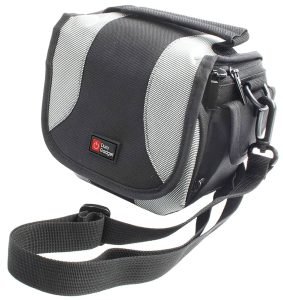
- Keep binoculars in their case when not in use.
- Avoid touching lenses with fingers.
- Store in a dry place to stop mold or rust.
Frequently Asked Questions
At What Age Can Kids Start Using Binoculars?
Kids can start using binoculars around age 3 to 4. At this age, they have enough hand-eye coordination to handle simple, lightweight binoculars safely and enjoy exploring nature.
What Type Of Binoculars Are Best For Kids?
Compact, lightweight binoculars with low magnification (4x to 6x) are best for kids. These are easier to hold and offer a wider field of view, making them perfect for beginners.
How Can Binoculars Benefit Children’s Development?
Binoculars help improve kids’ observation skills, hand-eye coordination, and curiosity about nature. They encourage outdoor exploration and enhance focus and attention to detail.
Are Binoculars Safe For Young Children?
Yes, binoculars are safe if used under adult supervision. Choose child-friendly models with rubber coatings and adjustable straps to prevent accidents and protect young eyes.
Conclusion
Kids can start using binoculars around age three to five. Choose lightweight, simple models for young children. Supervise their use to ensure safety and fun. Binoculars help kids explore nature and learn about the world. They develop focus and observation skills while playing.
Every child grows differently, so adjust based on interest and ability. Let kids enjoy discovering new things through binoculars at their own pace. This simple tool can spark curiosity and outdoor adventures early on.