Have you ever wondered how rescue divers spot people or objects far away in vast, open waters? The answer often lies in a simple yet powerful tool: binoculars.
These handy devices do more than just bring distant scenes closer—they can mean the difference between life and death during a rescue mission. If you want to understand how binoculars enhance a diver’s ability to save lives, keep reading. You’ll discover how these optical instruments sharpen vision, boost safety, and speed up rescues when every second counts.
Credit: gearjunkie.com
Binoculars In Rescue Diving
Binoculars are important tools for rescue divers. They help divers see far distances on the water surface.
Rescue teams use binoculars to find people or objects quickly. These tools improve the chances of a successful rescue.
Role In Search Operations
Binoculars help rescue divers scan large areas fast. They allow teams to spot signs of people or gear from a distance.
During search operations, binoculars let divers focus on specific spots. This saves time and increases safety for everyone involved.
Enhancing Visual Range
Rescue divers use binoculars to see beyond normal eyesight limits. This helps them detect faint movements or objects far away.
With better visual range, divers can spot targets quickly and decide the best rescue approach. It reduces the need to move blindly.
- Magnifies distant objects clearly
- Reduces eye strain in bright conditions
- Improves detail recognition from far away
Spotting Surface Clues
Binoculars help spot clues on the water surface. These include waves, floating objects, or reflections that show a person’s location.
Finding surface clues is critical to guide rescue divers underwater. Binoculars make it easier to track moving targets or debris.
- Detects floating gear or life jackets
- Identifies water ripples caused by swimmers
- Locates rescue signals or markers
Key Features For Divers
Binoculars help rescue divers spot people and objects in the water quickly. They improve vision over long distances. This makes rescue missions safer and faster.
Divers need binoculars with special features. These features help in tough water conditions and underwater environments.
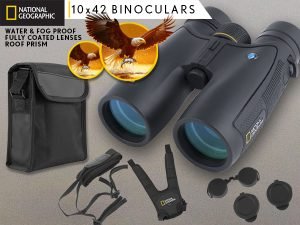
Waterproof And Fogproof Design
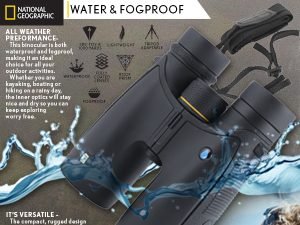
Binoculars for rescue divers must resist water and fog. Water can damage regular binoculars. Fog can block the view inside the lenses. Good binoculars are sealed tight and filled with nitrogen or argon gas.
- Waterproof seals keep water out during dives
- Fogproof gas prevents internal fogging
- Easy to clean after use in saltwater
Magnification And Lens Quality
Clear and sharp images are key for rescue work. Magnification helps divers see far away objects clearly. Lenses must have coatings to reduce glare and increase brightness.
| Feature | Benefit |
| 8x to 10x Magnification | Good balance of zoom and stability |
| Multi-coated Lenses | Brighter images in low light |
| Wide Field of View | See more area at once |
Durability And Grip
Rescue divers need binoculars that last in tough conditions. Rubber armor helps protect against drops and bumps. A good grip prevents slipping from wet hands.
- Shock-resistant body
- Non-slip rubber coating
- Compact and lightweight design
Techniques For Effective Use
Binoculars help rescue divers see far and wide underwater and on the surface. Using them well can improve safety and rescue success.
This guide covers key ways to use binoculars during rescue missions. Focus on scanning, spotting signals, and team work.
Scanning Wide Areas
Rescue divers use binoculars to scan large water areas quickly. This helps find people or objects that need help.
- Hold binoculars steady to avoid blurry views
- Move your eyes slowly across the water surface
- Focus on changes in color or movement
- Check both near and far distances regularly
- Use a grid pattern to cover the area evenly
Identifying Distress Signals
Binoculars help divers spot distress signals from a distance. Knowing common signals speeds up rescue action.
| Signal Type | Description | Action |
| Waving arms | Person waves hands above head | Approach and confirm help needed |
| Flashing light | Light flashes rapidly or repeatedly | Locate source and signal team |
| Smoke or flare | Colored smoke or flare visible | Mark location and prepare rescue |
| Shouting or sound | Shouting or whistle heard | Use binoculars to find exact spot |
Coordinating With Team Members
Binoculars help divers share important information with their team. Clear communication keeps everyone safe.
Use these tips for team coordination:
- Signal location of persons in need
- Confirm directions with hand signals
- Pass binoculars between team members for fresh views
- Update team regularly about what you see

Credit: www.freepik.com
Challenges And Limitations
Binoculars help rescue divers spot targets from far away. They increase the chance of a quick rescue.
Still, binoculars come with challenges and limits. These can affect how well divers see and use them.
Visibility Conditions
Visibility can change fast in water. Fog, rain, and glare make it hard to see through binoculars. Low light or rough weather lowers clarity too.
- Fog or mist blurs the view.
- Strong sunlight causes glare on lenses.
- Rain drops block the sight.
- Low light reduces the image brightness.
- Water splashes can wet the lenses.
Handling In Rough Waters
Using binoculars in rough waters is tough. Waves and wind shake the diver’s hands. This makes it hard to keep the view steady.
| Challenge | Effect on Use | Possible Solution |
|---|---|---|
| Strong waves | Shaky vision through binoculars | Use straps or mounts to secure binoculars |
| Wind gusts | Hard to hold binoculars steady | Hold binoculars close to the body for support |
| Cold water | Hands become numb, lose grip | Wear gloves with good grip |
Choosing The Right Binoculars
Binoculars help rescue divers see far objects clearly. Picking the right ones is important for safety.
Good binoculars improve vision and make rescue tasks easier underwater and on the surface.
Size And Weight Considerations
Lightweight binoculars are easy to carry during long dives. Heavy binoculars can slow divers down.
Compact sizes fit better in dive bags. Large sizes may offer better views but are harder to handle.
- Choose binoculars that feel comfortable in your hands.
- Balance size with ease of use underwater.
- Consider how long you will carry them.
Additional Accessories
Accessories add value to binoculars for rescue divers. These help protect and improve use.
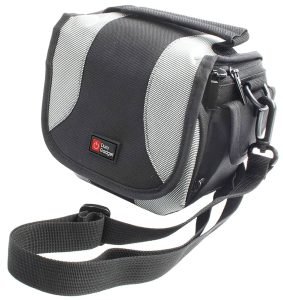
Common accessories include straps, cases, and lens covers. They keep binoculars safe and ready.
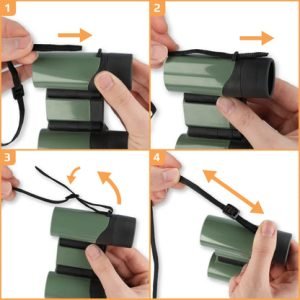
- Neck straps prevent dropping binoculars in water.
- Waterproof cases protect from salt and dirt.
- Lens covers stop scratches and dust buildup.
Budget And Quality Balance
Good binoculars do not always cost a lot. Focus on features that matter most for rescues.
Spend wisely to get clear images and durability. Cheap models may break or give poor views.
- Look for waterproof and fog-proof models.
- Check for strong build materials.
- Compare prices and reviews before buying.
Training And Practice
Binoculars are important tools for rescue divers during training and practice. They help divers improve their skills before real missions.
Using binoculars regularly helps divers get better at spotting objects and people from a distance. This skill is key in rescue situations.
Improving Observation Skills
Binoculars help divers see faraway details clearly. This practice improves their observation skills underwater and on land.
By training with binoculars, divers learn to notice small movements and changes in the environment quickly.
- Spotting floating objects
- Identifying signals from people
- Recognizing hazards in the water
- Tracking moving boats or swimmers
Simulated Rescue Drills
During rescue drills, binoculars help divers practice real-life search tasks. This makes training closer to actual rescues.
Using binoculars in drills trains divers to work with their teams. They learn to communicate what they see from a distance.
- Searching wide water areas
- Spotting rescue targets early
- Coordinating with team members
- Practicing quick decision-making
Credit: www.firerescue1.com
Frequently Asked Questions
How Do Binoculars Improve Rescue Divers’ Vision?
Binoculars enhance rescue divers’ vision by magnifying distant objects. They help spot victims, boats, and hazards quickly. Clear, detailed views improve search efficiency and safety during rescue missions.
Why Are Binoculars Essential For Rescue Divers?
Binoculars are essential as they extend visual range underwater and on the surface. They help locate people and objects faster, improving response times and coordination during emergencies.
Can Binoculars Help Identify Underwater Signals?
Yes, binoculars assist in identifying underwater signals like flares or markers. They allow divers to detect subtle cues from a distance, aiding effective communication and navigation during rescues.
What Features Make Binoculars Suitable For Rescue Diving?
Waterproofing, fog resistance, and sturdy construction make binoculars ideal for rescue diving. High magnification and wide field of view also help divers scan large areas efficiently.
Conclusion
Binoculars help rescue divers see far and spot things clearly. They improve safety by giving a wider view of the area. Quick decisions become easier with better sight. Rescue teams find missing people faster using binoculars. These tools support teamwork and communication during missions.
Clear vision can save lives underwater and above. Simple but powerful, binoculars remain essential gear for divers.