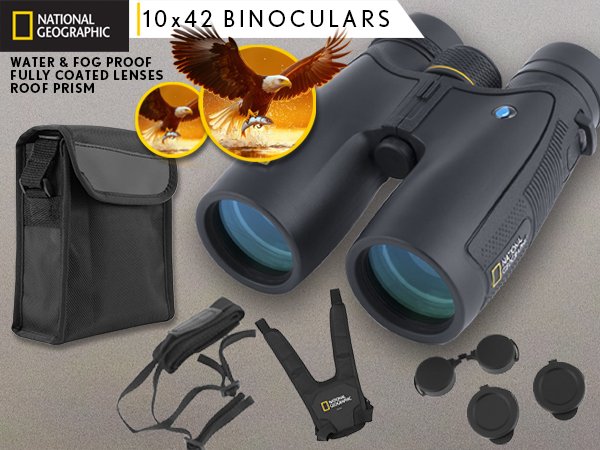
When you’re choosing binoculars, one big question might be on your mind: are roof prism binoculars waterproof? If you love outdoor adventures, you know how important it is to have gear that can handle rain, fog, or even accidental splashes.
You don’t want to risk ruining your binoculars just because the weather turned against you. You’ll discover exactly what makes roof prism binoculars waterproof—or not—and how to pick the right pair that keeps up with your outdoor lifestyle. Keep reading to protect your investment and enjoy clear views no matter the conditions.
Credit: www.adorama.com
Roof Prism Binoculars Explained
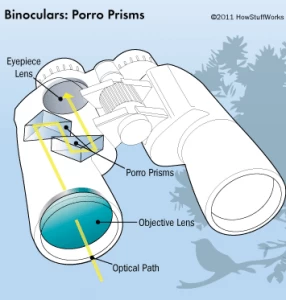
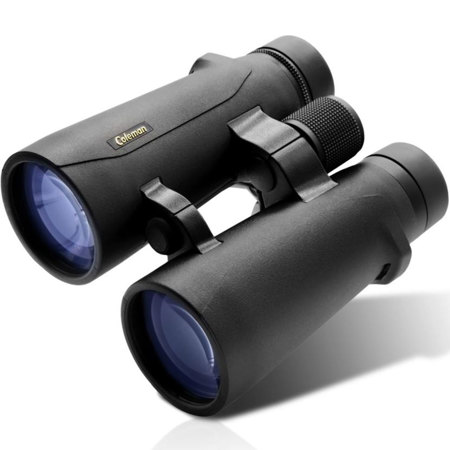
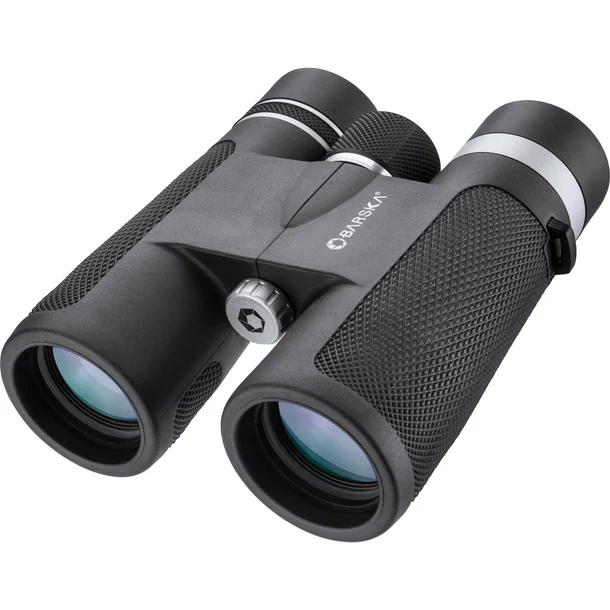
Roof prism binocularshave a special design that uses prisms inside to bend light. This design makes them compact and easy to hold. The prisms help create a clear and upright image. Many people like them for bird watching, hiking, and sports.
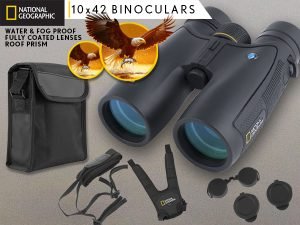
These binoculars often come with waterproof and fog-prooffeatures. Manufacturers fill them with dry nitrogen or argon gasto stop moisture inside. This keeps the lenses clear even in rain or humid places.
- Waterproof means they can handle rain and splashes.
- Fog-proof means no mist inside the lenses.
- Durable build protects them from rough use.
Not all roof prism binoculars are waterproof. Always check the product details before buying.
Waterproof Features
Roof prism binoculars often feature sealed construction. This means the body is tightly closed to stop water from entering. It protects the lenses and internal parts from moisture and dust. Many models use special materials to keep the binoculars dry.
O-ring protectionadds extra defense. These rubber rings fit around moving parts to block water and dust. They keep the binoculars safe during rain or humid conditions. This helps the binoculars work well outside.
- Sealed construction prevents water and dust entry
- O-ring protection seals joints and moving parts
- Both features help keep lenses clear and dry
- These make the binoculars more durable in wet weather
Durability Aspects
Roof prism binocularsoften use high-quality materialslike aluminum or magnesium alloys. These materials make the binoculars lightweightyet strong. The lenses are usually made from coated glassthat resists scratches and keeps images clear.
Many models have a rubber armorcoating. This helps protect against minor bumpsand gives a better grip. The build quality affects how well the binoculars hold up under tough conditions.
Impact resistanceis key for durability. Roof prism binoculars often have shock-absorbing features. These protect the internal prisms and lenses from damage during drops or rough handling.
Some binoculars meet military or industrial standards for shock and vibration resistance. This means they can handle hard use without breaking or losing performance.
Testing Waterproof Capabilities
Roof prism binoculars often have waterproof seals to protect against rain and splashes. Testing involves submerging them briefly to check for leaks. Not all models are fully waterproof, so checking specifications is important.
Laboratory Tests
Binoculars undergo strict waterproof testsin labs. They are placed in water tanks for hours. Experts check if any water enters the device. Pressure tests simulate heavy rain and deep water. Seals and coatings are closely examined for damage. Only binoculars passing these tests get a waterproof label.
Field Trials
Binoculars are tested outdoors in real weather. They face rain, fog, and splashes during use. Users carry them in wet forests and near lakes. Observations focus on how well the binoculars resist water. Functionality and clarity are checked after exposure. Field trials confirm lab test results in real life.
Comparing Roof Prism Models
Roof prism binoculars often come with waterproof features to protect against rain and moisture. Different models offer varying levels of water resistance for outdoor use. Choosing the right one depends on your needs and environment.
Popular Brands
- Brands like Nikon, Bushnell, and Vortex are well-known.
- Most models from these brands offer waterproof features.
- Sealed and nitrogen-filled bodies stop water and fog inside.
- Durability varies by model but waterproofing is common.
- Price ranges depend on brand and waterproofing quality.
Performance Metrics
| Model | Waterproof | Weight (oz) | Magnification | Field of View (ft @ 1000 yds) |
|---|---|---|---|---|
| Nikon Prostaff 3S | Yes | 13.4 | 8×42 | 330 |
| Bushnell Legend Ultra HD | Yes | 21.3 | 10×42 | 330 |
| Vortex Diamondback | Yes | 21.7 | 8×42 | 330 |

Credit: www.amazon.com
Maintaining Waterproof Binoculars
Proper storage keeps waterproof binocularssafe and dry. Store them in a cool, dry place. Avoid leaving binoculars in hot or humid areas. Use a protective caseto shield from dust and moisture. Always close the lens caps to prevent dirt buildup.
Regular inspections help spot any damage or leaks. Check the seals and lensesoften. Look for scratches, cracks, or fogginginside the lenses. Clean binoculars with a soft clothto keep them clear. Fix small problems quickly to avoid bigger issues later.
Common Misconceptions
Many people confuse waterproofwith water-resistant. Waterproof means no water can enter, even in heavy rain or submersion. Water-resistant means it can handle small splashes or light rain but not full water exposure.
Most roof prism binoculars are water-resistant. They have seals and coatings to stop light moisture. But they are not made for underwater use or heavy rainstorms.
| Feature | Waterproof | Water-Resistant |
|---|---|---|
| Protection Level | Complete protection against water | Limited protection against moisture |
| Use Cases | Heavy rain, underwater, wet conditions | Light rain, fog, splashes |
| Common in Roof Prism Binoculars | Rare | Common |
Environmental limits like heavy rain, fog, or submersion can damage binoculars. Even water-resistant models should be used with care. Avoid dropping them in water or leaving them out in storms.
Credit: www.sasonline.ca
Frequently Asked Questions
Are Roof Prism Binoculars Always Waterproof?
Not all roof prism binoculars are waterproof. Many models feature waterproof seals and nitrogen purging. Always check product specifications to confirm waterproof capabilities before purchase.
How Does Waterproofing Protect Roof Prism Binoculars?
Waterproofing prevents water and moisture from damaging internal lenses and prisms. It ensures clear vision and extends the binoculars’ lifespan in wet conditions.
Can I Use Roof Prism Binoculars Underwater?
Most roof prism binoculars are water-resistant, not fully submersible. For underwater use, specialized waterproof models with higher IP ratings are required.
What Materials Make Roof Prism Binoculars Waterproof?
Rubber armoring, O-ring seals, and nitrogen gas purging are common waterproofing features. These materials block water entry and reduce fogging inside the binoculars.
Conclusion
Roof prism binoculars often come with waterproof features. This protects them from rain, fog, and splashes. Waterproofing helps keep the lenses clear and the view sharp. It also prevents damage inside the binoculars. Not all models are fully waterproof, so check before buying.
Sealed and nitrogen-purged binoculars resist water and fog well. This makes them great for outdoor activities. Always store them dry and clean after use. Good care extends their life and performance. Choose binoculars with the right waterproof rating for your needs.