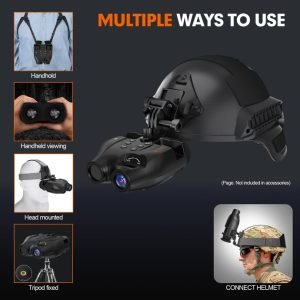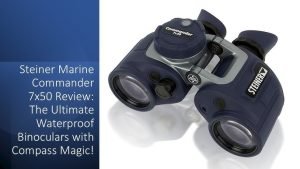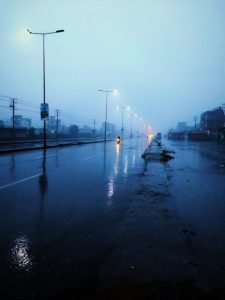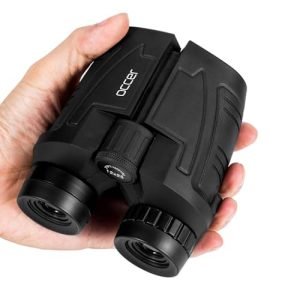
Have you ever struggled to see clearly when the sun starts to set or in dimly lit places? If you rely on binoculars, you might wonder if ED binoculars can make a real difference in low light conditions.
Imagine being able to spot details that others miss, even as darkness creeps in. You’ll discover how ED binoculars work and whether they truly help you see better when light is scarce. Keep reading to find out if upgrading your gear could change the way you experience the world after dark.
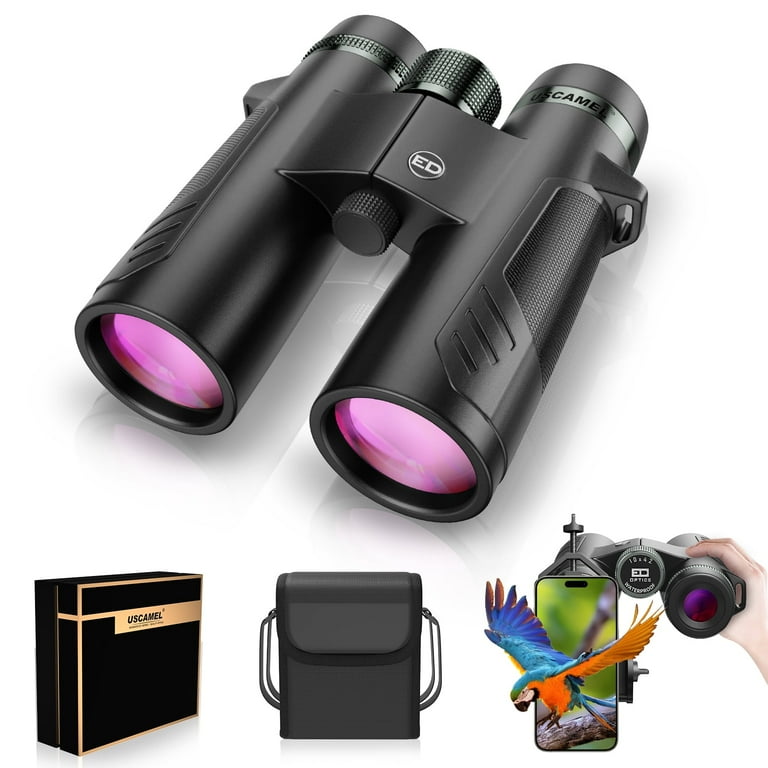
Credit: www.walmart.com
What Are Ed Binoculars
ED binoculars use special glass to improve image quality. ED stands for extra-low dispersion.
This glass reduces color blur and makes views sharper. It helps you see details more clearly.
Extra-low Dispersion Glass
ED glass limits how light bends inside the binoculars. This reduces color fringing around objects.
- Improves sharpness of images
- Reduces color distortions
- Enhances contrast for better clarity
How Ed Glass Works
Different colors of light bend differently in normal glass. ED glass controls this bending better.
This control keeps all colors focused at the same point. It gives clearer and truer colors.
Benefits Compared To Regular Binoculars
| Feature | ED Binoculars | Regular Binoculars |
| Color Fringing | Low | High |
| Image Sharpness | High | Medium |
| Contrast | Strong | Weak |
| Price | Higher | Lower |
Who Should Use Ed Binoculars
ED binoculars suit people who want clear views in nature or sports. They help see fine details.
- Bird watchers
- Hunters
- Outdoor explorers
- Sports fans
How Low Light Affects Binocular Use
Low light conditions make it hard to see clearly through binoculars. This happens because less light enters the lenses.
Understanding how light affects binoculars helps you choose the right pair. It also improves your viewing experience in dim places.
Reduced Image Brightness
Binoculars rely on light to create bright images. In low light, less light reaches your eyes. This makes images look darker and harder to see.
Even good binoculars may show dim images at dawn, dusk, or inside dense forests. Brightness depends on the size of the lenses and prisms.
Loss Of Detail And Sharpness
Low light reduces the amount of detail you can see. Objects may look blurry or less sharp. This happens because your eyes get less clear signals.
Fine details, like small animals or distant objects, become harder to spot. Binoculars with higher quality lenses can help but cannot fix this fully.
Eye Strain And Fatigue
Using binoculars in low light can cause eye strain. Your eyes work harder to focus and adjust to dim images. This can lead to tiredness and discomfort.
Taking breaks and using binoculars with good optics can reduce eye fatigue. Proper lighting helps your eyes relax during use.
Ed Glass And Light Transmission
ED binoculars use special glass called Extra-low Dispersion glass. This glass helps reduce color blur and improve image clarity.
Light transmission is how much light passes through the lenses. It affects how bright and clear the view is, especially in low light.
What Is Ed Glass?
ED glass reduces chromatic aberration. This means colors stay true and edges look sharper.
It helps binoculars show clearer images, especially in difficult lighting. This is useful during dawn or dusk.
How Light Transmission Affects Low Light Use
Higher light transmission means more light reaches your eyes. This makes images brighter and easier to see.
ED glass can improve light transmission by reducing light loss inside the lenses. This helps in dark or shadowy places.
- Better brightness in low light
- Clearer details with less blur
- Improved color accuracy

Credit: www.amazon.com
Comparing Ed Binoculars To Standard Models
ED binoculars use special glass called Extra-low Dispersion glass. This glass helps reduce color blur and improve image clarity.
Standard binoculars often use regular glass, which may cause some color fringing around objects. This can affect how well you see in low light.
Image Quality In Low Light
ED binoculars produce sharper images with less color distortion. This makes it easier to see details in dim conditions.
Standard binoculars may show more blurring and color edges. This can make objects look less clear at dawn or dusk.
Brightness And Light Transmission
ED glass helps improve light transmission through the lenses. This results in brighter and clearer views in low light.
Standard models often have lower light transmission. This can make images appear darker and harder to see in poor lighting.
- ED binoculars allow more light to pass through.
- Standard binoculars may lose some light due to lower quality glass.
- Better light transmission helps with dawn, dusk, and cloudy conditions.
Color Accuracy And Contrast
ED binoculars reduce chromatic aberration. This means colors look more natural and objects have better contrast.
Standard binoculars might show color fringes. This lowers the sharpness and makes details harder to see.
Price And Value
ED binoculars usually cost more because of the special glass. They offer better views in low light.
Standard binoculars are less expensive but may not perform as well in dim conditions.
- ED binoculars: higher cost, better low-light performance
- Standard binoculars: lower cost, average low-light views
Benefits Of Ed Binoculars In Dim Conditions
ED binoculars use special glass to improve image quality. This helps you see better in low light situations.
They reduce color blur and increase sharpness. This makes details clearer at dawn, dusk, or cloudy days.
Better Light Transmission
ED glass lets more light pass through the lenses. This means the image looks brighter in dark places.
Clearer images help you spot objects easier when light is low. This is useful for early morning or late evening use.
Reduced Chromatic Aberration
Chromatic aberration causes color fringes around objects. ED binoculars minimize this effect.
Less color blur means sharper edges and better contrast. This makes it easier to focus on details in dim light.
Improved Image Sharpness
ED glass produces clearer images with fine details. This helps you see textures and shapes better.
Sharp images reduce eye strain when viewing in low light. You can observe longer without discomfort.
Enhanced Contrast In Low Light
ED binoculars increase contrast between light and dark areas. This helps objects stand out clearly.
Higher contrast makes it easier to distinguish details in shadowy or foggy conditions.
Limitations Of Ed Binoculars In Low Light
ED binoculars use special glass to reduce color blur and improve sharpness. They work well in bright daylight. But their performance in low light has limits.
People often wonder if ED binoculars help in dawn, dusk, or cloudy conditions. This article explains where ED binoculars fall short in low light.
Light Transmission Limits
ED glass improves image clarity but does not increase light gathering. The amount of light entering depends on lens size and coatings. In low light, ED binoculars may seem dimmer than expected.
Aperture Size And Brightness
ED binoculars often focus on lens quality, not size. Smaller lenses let in less light. This limits brightness in dark conditions. Larger lenses help more but add weight.
- Small aperture means less light reaches the eye.
- ED glass does not change aperture size.
- Brightness depends more on lens diameter than glass type.
Effect Of Coatings And Design
Binocular coatings reduce glare and improve light transmission. ED glass binoculars usually have good coatings but not always the best for low light. Design also affects how much light reaches your eyes.
| Factor | Impact on Low Light Performance |
| ED Glass | Reduces color fringing, no effect on brightness |
| Lens Size | Controls light gathering, larger is better |
| Coatings | Improves light transmission, varies by quality |
| Binocular Design | Affects light path and brightness |
Human Eye Limitations
Even the best binoculars cannot overcome human eye limits. Your eyes need enough light to see clearly. ED binoculars cannot increase the eye’s sensitivity to dim light.
Summary Of Main Limitations
- ED glass does not increase brightness in low light.
- Lens diameter affects light gathering more than glass type.
- Coatings help but vary by brand and price.
- Weight and size trade-offs limit larger lenses.
- Human vision limits final image brightness.
Tips For Using Binoculars At Dawn And Dusk
Using binoculars at dawn and dusk can be challenging. Light levels are low, making it harder to see clearly. Choosing the right binoculars and techniques helps improve your viewing experience.
This guide gives useful tips for using binoculars during these low-light times. Follow these simple steps to get the best view possible.
Choose Binoculars With A Large Objective Lens
Binoculars with larger objective lenses gather more light. This feature brightens the image in low light conditions like dawn and dusk. Look for lenses that are at least 40mm in diameter.
Use A Tripod For Stability
Low light requires slower hand movements to avoid blurry images. A tripod keeps your binoculars steady. This helps you see objects clearly without shaking.
Adjust The Focus Slowly And Carefully
In low light, small focus changes make a big difference. Turn the focus wheel gently and wait a moment to see the image sharpen. Take your time to get the best view.
Use A Red Light To Preserve Night Vision
Bright lights hurt your eyes’ ability to see in low light. Use a dim red flashlight for reading maps or adjusting settings. Red light does not affect night vision as much as white light.
Plan Your Viewing Times
- Arrive early before dawn to set up your equipment
- Choose clear weather for better visibility
- Find locations with little light pollution
- Wear comfortable clothing for cooler temperatures
- Keep your binoculars clean and dry
Understand Your Binoculars’ Specifications
| Specification | Why It Matters |
| Magnification | Higher magnification shows more detail but reduces brightness |
| Objective Lens Size | Larger lenses gather more light for better low-light views |
| Exit Pupil | Wider exit pupil gives a brighter image in the dark |
| Coatings | Quality coatings reduce glare and increase light transmission |
Additional Features That Enhance Low Light Viewing
Ed binoculars can perform better in low light with extra features. These features help you see clearly when light is weak.
Knowing these features helps you pick the right binoculars for dawn, dusk, or shaded areas.
Large Objective Lenses
Large objective lenses let in more light. This brightens the image in dark conditions.
High-quality Lens Coatings
Lens coatings reduce glare and improve light transmission. This makes images sharper and brighter.
- Fully multi-coated lenses give the best brightness.
- Anti-reflective coatings cut down light loss.
- Phase-corrected prisms boost image clarity.
Wide Exit Pupil
The exit pupil is the light beam size you see. A wider exit pupil means more light reaches your eyes.
| Exit Pupil Size (mm) | Best Use |
| 5+ | Low light and night viewing |
| 3-5 | Daytime and bright conditions |
| Below 3 | Limited low light use |
Prism Type And Quality
Prisms affect brightness and image quality. Roof prisms are compact but need good coatings.
Porro prisms generally offer brighter images at lower cost. Both types work well with proper coatings.
Eye Relief And Comfort
Good eye relief helps you see the full image in low light. It is important for people who wear glasses.
Eye Relief Tips:
- Look for at least 15mm for glasses wearers.
- Adjust eye cups for best comfort.
- Test binoculars in low light before buying.

Credit: www.walmart.com
Frequently Asked Questions
Do Ed Binoculars Improve Low Light Visibility?
Yes, ED binoculars use special glass to reduce chromatic aberration. This enhances image clarity and brightness in low light conditions, making them ideal for dawn, dusk, or shaded environments.
How Do Ed Binoculars Differ In Low Light Performance?
ED binoculars feature extra-low dispersion glass that sharpens images and boosts contrast. This glass allows more light transmission, improving visibility compared to standard binoculars in dim lighting.
Can Ed Binoculars Replace Night Vision Devices?
No, ED binoculars enhance low light clarity but do not amplify light like night vision. They are best for natural low light use, not complete darkness or night surveillance.
Are Ed Binoculars Suitable For Wildlife Observation At Dusk?
Yes, ED binoculars provide clearer, brighter views during dusk. Their enhanced light transmission helps spot wildlife when natural light is limited, improving observation quality and detail.
Conclusion
ED binoculars improve image clarity in low light. They reduce color fringing and increase sharpness. This helps you see details more clearly at dusk or dawn. Brightness depends on lens size and coatings too. Choose binoculars with good light transmission for best results.
ED glass makes a noticeable difference in dim conditions. They help bird watchers, hunters, and nature lovers see better. Not all binoculars perform well in low light. ED binoculars offer a reliable option for clearer views. Consider your needs before buying.
Clear vision matters when light is low.