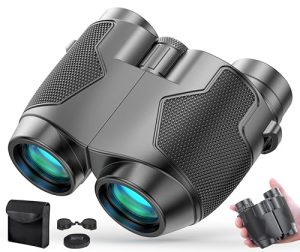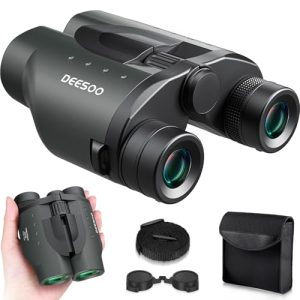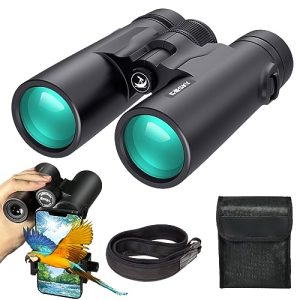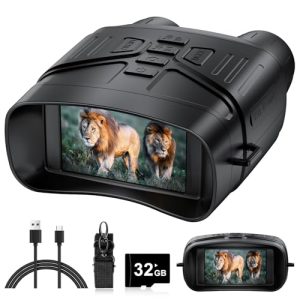
Have you ever wondered if close-focus binoculars could stand in for microscopes? If you’re curious about exploring tiny details without the hassle of bulky lab equipment, this question might be on your mind.
Imagine holding something lightweight in your hands that brings small objects into sharp view, all while being easy to carry and use anywhere. But can these binoculars really reveal the hidden world as clearly as a microscope? Keep reading to discover the surprising truth and find out if close-focus binoculars can meet your needs or if a microscope remains your best option.
Close-focus Binoculars Features
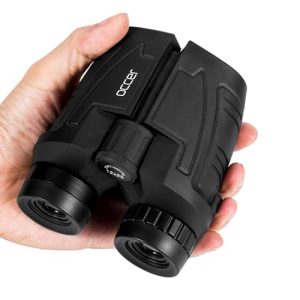
Close-focus binoculars are designed to view objects nearby. They let you see small details without extra tools.
People wonder if these binoculars can replace microscopes. Understanding their features helps answer this question.
Magnification Power
Magnification power shows how much bigger the binoculars make an object look. Close-focus binoculars usually offer 8x to 10x magnification.
Microscopes have much higher magnification, often over 40x. This means binoculars cannot show tiny details like microscopes do.
Field Of View
Field of view is how wide an area you can see through the binoculars. Close-focus binoculars have a wider view than microscopes.
This wide view helps when looking at small plants or insects in nature. Microscopes show a very small area at a time.
Focus Range
Focus range means the distance between the binoculars and the object for a clear image. Close-focus binoculars focus on objects as close as 6 feet or less.
Microscopes focus on objects just a few millimeters away. This close focus lets microscopes show tiny details that binoculars cannot.
Microscope Capabilities
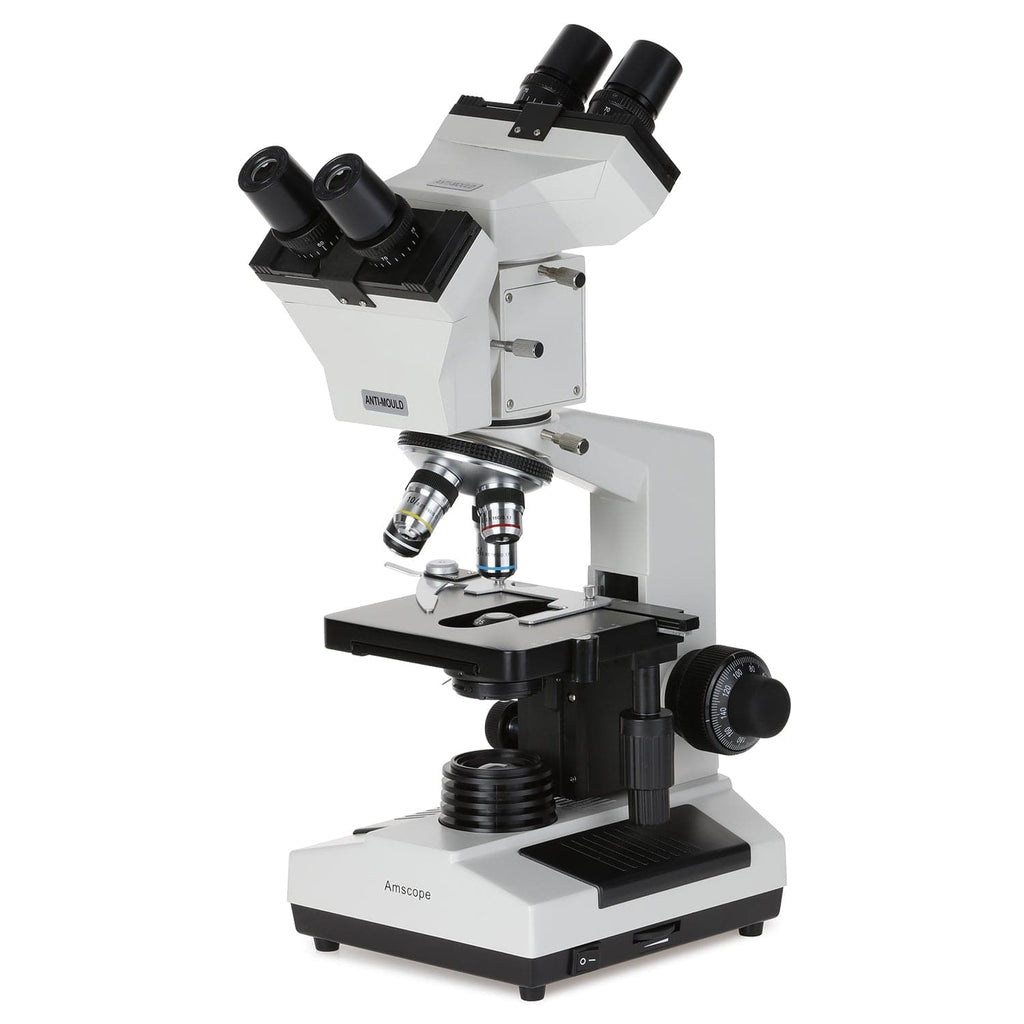
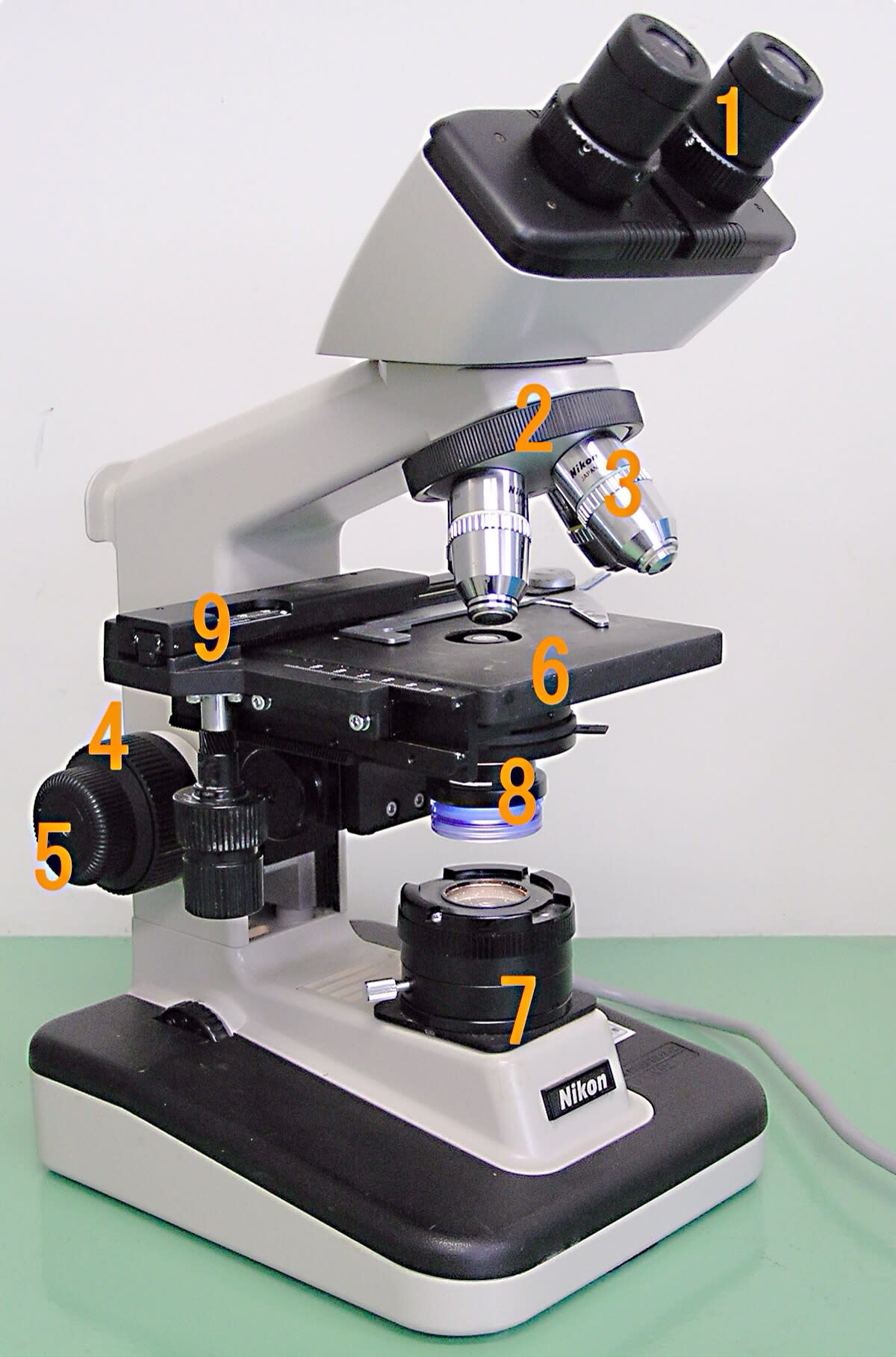
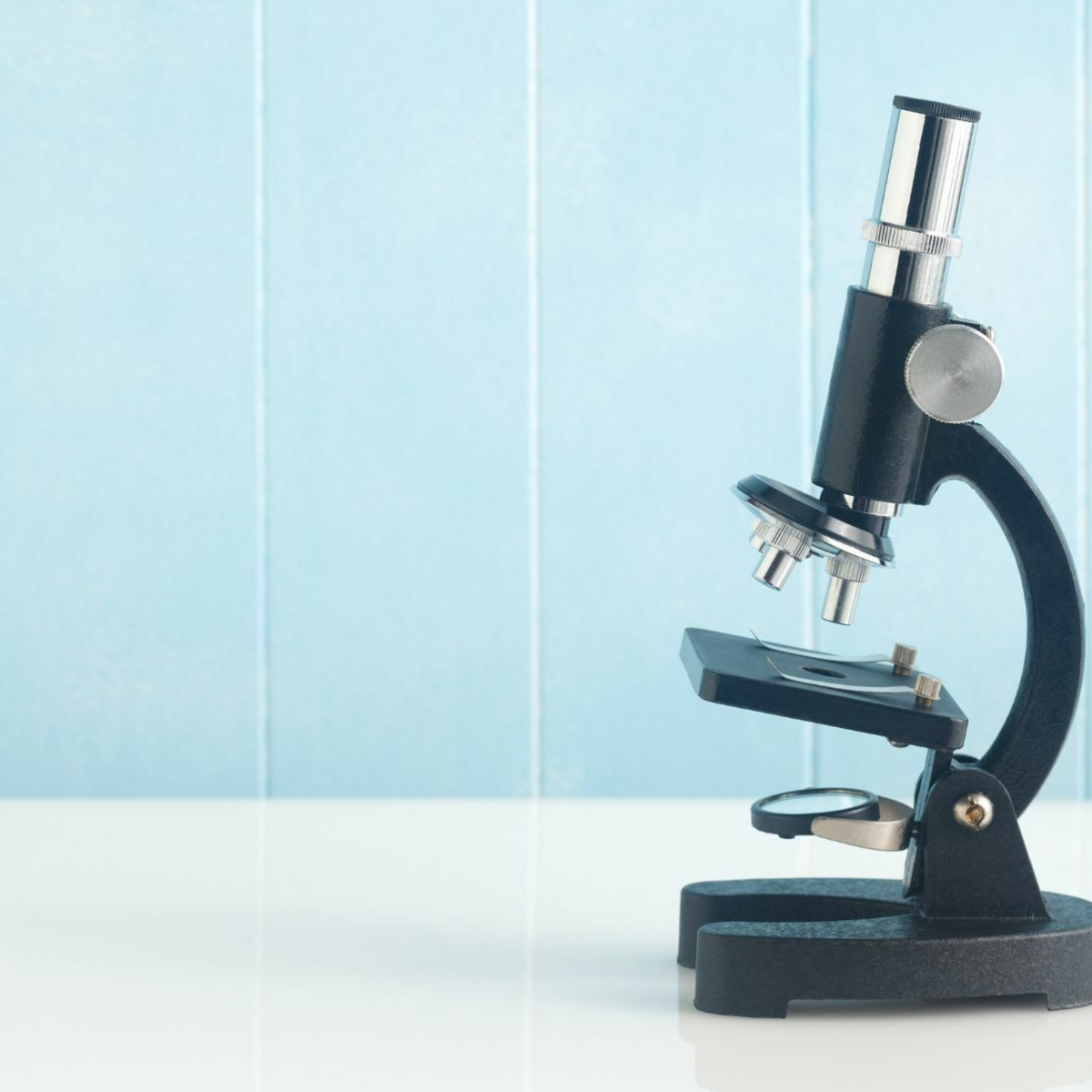
Microscopes reveal tiny objects not seen by the naked eye. They help scientists study cells, bacteria, and small details.
Close-focus binoculars let you see things closer than usual. But can they match what microscopes do? Let’s explore key microscope features.
Magnification Levels
Microscopes offer very high magnification. They enlarge objects up to 1000 times or more. This lets users see tiny structures clearly.
Close-focus binoculars usually magnify up to 10 or 20 times. This is good for viewing birds or insects but not for cellular details.
Resolution And Detail
Microscopes provide high resolution. This means they show fine details and separate close objects clearly. Resolution depends on lens quality and light.
- Microscopes reveal cell walls and organelles
- Close-focus binoculars show surface features only
- Microscopes use special lenses to reduce blur
- Binoculars cannot resolve very small details
Illumination Techniques
Microscopes use built-in light sources to brighten samples. Different lighting methods improve contrast and reveal structures.
| Illumination Type | Description |
| Brightfield | Light passes through the sample, showing dark details on a bright background |
| Darkfield | Light shines from the side, making edges glow on a dark background |
| Phase Contrast | Enhances contrast of transparent samples without stains |
| Fluorescence | Uses special dyes and light to highlight specific parts |
Comparing Optical Performance
Close-focus binoculars and microscopes both magnify small objects. Each tool works best for certain tasks. This comparison looks at optical features.
We will explore image clarity, depth perception, and color accuracy. These aspects affect how well you see details.
Image Clarity
Microscopes offer very high image clarity. They use lenses designed to show tiny details sharply. Close-focus binoculars have lower magnification and less sharpness.
Binoculars can show clear images of objects a few feet away. Microscopes reveal much smaller structures. This difference affects the choice depending on needs.
Depth Perception
Depth perception helps to see how far parts of an object are. Binoculars provide natural depth because they use both eyes. Microscopes often use one eye or a camera.
- Binoculars show 3D images with better depth cues.
- Microscopes may have flatter images with less depth feel.
- Some microscopes use special lenses for 3D views, but this is rare.
Color Accuracy
Color accuracy is how true colors appear. Microscopes have bright, even lighting to show colors well. Binoculars depend on outside light and lens coatings.
| Feature | Microscopes | Close-Focus Binoculars |
|---|---|---|
| Lighting | Built-in, adjustable | Ambient, variable |
| Color Rendering | Very accurate | Good but varies |
| Lens Coatings | Specialized for clarity | Standard coatings |
| Suitability for Color Study | Excellent | Fair |
Credit: owlcation.com
Practical Applications
Close-focus binoculars let users see objects at short distances clearly. They are handy for many activities. People wonder if these binoculars can replace microscopes.
This section looks at how close-focus binoculars work in different settings. We compare their use in the field, labs, and schools.
Field Observation
Close-focus binoculars are great for nature watchers. They help see plants, insects, and small animals without getting too close. This avoids disturbing wildlife.
These binoculars work well outdoors where a microscope is not easy to carry. They offer a clear view of details at a short range.
- Watch insects on leaves
- Look at flower structures
- Spot small animals from a distance
- Use during hikes and field trips
Laboratory Use
Microscopes provide much higher magnification than binoculars. They show tiny details inside cells and microorganisms. Close-focus binoculars cannot reach this level.
Binoculars may help with quick checks of larger objects. But labs need microscopes for detailed study and research.
- Binoculars offer low magnification views
- Microscopes show very small structures
- Binoculars cannot replace microscopes in labs
- Used mostly for rough object inspection
Educational Settings
Students learn better when they see objects clearly. Close-focus binoculars help young students explore nature up close. They are easy to use and carry.
Microscopes are important for science classes that study cells and bacteria. Binoculars are good for outdoor lessons and simple observations.
- Binoculars for outdoor nature study
- Microscopes for detailed science learning
- Both tools support hands-on education
- Binoculars are user-friendly for kids
Advantages Of Binoculars
Close-focus binoculars offer a unique way to see small objects up close. They let you explore details without needing a microscope.
These binoculars have many benefits that make them useful for nature lovers and casual observers. They provide clear views with less hassle.
Portability
Binoculars are small and light. You can carry them easily in your bag or hang them around your neck.
Because of their size, you can take binoculars on hikes or trips. They let you quickly check small things without setting up big equipment.
Ease Of Use
Using binoculars is simple. Just hold them up to your eyes and focus. No need for complicated adjustments or special training.
Binoculars do not need power or software. They work right away, making them great for quick observations.
Cost Efficiency
Close-focus binoculars usually cost less than microscopes. They provide good detail without a high price tag.
You save money on maintenance and extra tools. Binoculars are durable and need less care over time.
Credit: owlcation.com
Limitations Of Binoculars
Binoculars are great for seeing things far away with both eyes. They work well for bird watching or sports events.
But binoculars cannot replace microscopes for close-up views. They have limits that stop them from showing very small details.
Magnification Constraints
Binoculars have limited magnification power. They usually zoom up to about 10x or 12x.
Microscopes can magnify objects hundreds or thousands of times. This lets you see tiny cells and bacteria.
Lack Of Illumination
Binoculars rely on natural light to see objects. They do not have built-in light sources.
Microscopes often have bright lights or mirrors to shine on tiny objects. This light helps show small details clearly.
Limited Detail Resolution
Binoculars cannot show very fine details. The image gets blurry when you look too closely.
Microscopes use special lenses to focus on tiny parts. They give sharp and clear images of small structures.
- Binoculars have simple lenses designed for distance.
- Microscopes use complex optics for close focus.
- Detail resolution is much higher in microscopes.
When To Choose Microscopes
Close-focus binoculars offer good magnification for outdoor use. Microscopes provide much higher detail for small objects. Knowing when to use each tool helps you get the best view.
This guide explains situations where microscopes are better than close-focus binoculars. It focuses on detailed analysis, scientific research, and sample preparation.
High Detail Analysis
Microscopes let you see tiny structures clearly. They magnify objects far beyond what binoculars can do. This is important for studying small details like cells, fibers, or crystals.
- Microscopes offer magnifications from 40x to 1000x or more.
- They reveal fine details invisible to the naked eye.
- Close-focus binoculars usually magnify up to 20x only.
- Use microscopes when detail is critical for analysis.
Scientific Research
Microscopes are essential in many scientific fields. They help researchers observe tiny organisms, cells, and materials. This allows accurate study and discovery.
| Field | Microscope Use |
| Biology | Study cells and bacteria |
| Chemistry | Examine crystal structures |
| Material Science | Inspect metals and polymers |
| Medicine | Analyze tissue samples |
Sample Preparation
Microscopes often require prepared samples for clear viewing. These samples may need slicing, staining, or mounting. Proper preparation improves image quality and detail.
- Thin sections allow light to pass through samples.
- Stains highlight specific structures within the sample.
- Mounting preserves samples for repeated viewing.
- Close-focus binoculars usually do not need special preparation.
Innovations In Close-focus Optics
Close-focus binoculars let users see objects up close with clear detail. These tools have changed a lot over the years. New technology in lenses and digital features improve their use.
People ask if close-focus binoculars can replace microscopes. While both tools help in seeing small things, they work differently. Let’s explore new advances in close-focus optics.
Enhanced Lens Technology
Lens makers now use special glass and coatings. These changes reduce glare and improve sharpness. Users get brighter and clearer images even at very close distances.
- High-quality glass materials
- Anti-reflective coatings
- Improved focus mechanisms
- Better light transmission
Digital Integration
Some close-focus binoculars include digital features. These can capture photos or videos of viewed objects. Digital screens help with measuring and zooming.
| Feature | Benefit |
| Camera | Save images for later study |
| Digital Zoom | See finer details |
| Display Screen | View objects clearly in real time |
| Measurement Tools | Estimate sizes easily |
Hybrid Devices
Some devices combine binoculars and microscopes. They allow users to switch between wide view and high magnification. This makes them useful for fieldwork and lab use.
Hybrid device features include:
- Adjustable magnification levels
- Portable design
- Easy switching between modes
- Integrated lighting for clear images

Credit: www.amazon.com
Frequently Asked Questions
Can Close-focus Binoculars Fully Replace Microscopes?
No, close-focus binoculars cannot fully replace microscopes. They offer limited magnification and detail compared to microscopes. Microscopes provide higher precision for scientific and medical use.
What Are The Main Differences Between Binoculars And Microscopes?
Binoculars are designed for distant viewing with some close-focus ability. Microscopes provide much higher magnification and clarity for tiny objects and fine details.
Are Close-focus Binoculars Good For Casual Observation?
Yes, close-focus binoculars are great for casual, outdoor, or hobby observation. They let you see details on nearby objects but lack microscope-level detail.
How Does Magnification Compare Between Binoculars And Microscopes?
Microscopes typically offer 40x to 1000x magnification, far exceeding binoculars. Close-focus binoculars usually max out around 10x to 20x magnification.
Conclusion
Close-focus binoculars offer clear views of nearby objects. They work well for hobbies like bird watching or reading maps. Yet, microscopes show tiny details invisible to binoculars. For serious science or medical work, microscopes remain the best choice. Binoculars cannot match the power or precision of microscopes.
Still, binoculars can complement microscopes for quick looks. Both tools have their place depending on your needs. Choose based on what you want to see and how close. Simple tools or advanced devices? It all depends on your goal.