Have you ever wondered how investigators keep a close eye on a crime scene without disturbing crucial evidence? Imagine having a tool that lets you watch every detail from a safe distance, helping you catch what others might miss.
Binoculars could be that powerful tool in your hands. If you want to know how these simple devices can make a big difference in crime scene monitoring, keep reading. This article will reveal surprising ways binoculars enhance safety, accuracy, and insight when every second counts.

Credit: www.latimes.com
Role Of Binoculars In Surveillance
Binoculars are useful tools for crime scene monitoring. They help officers see far away objects clearly.
Using binoculars, law enforcement can watch a location without being noticed. This keeps the scene safe and secure.
Enhancing Visual Range
Binoculars increase how far you can see. They bring distant objects closer and clearer.
This helps officers monitor large areas from a safe distance. They can spot movement or unusual activity quickly.
- See across streets or parks
- Watch suspects from afar
- Cover wide crime scenes easily
Identifying Details From Distance
Binoculars help identify small details that are hard to see with the naked eye. This includes faces, objects, and actions.
Clear details help officers gather important evidence. They can recognize suspects or spot hidden items.
- Read license plates
- See clothing colors and features
- Notice suspicious behavior

Credit: www.yahoo.com
Types Of Binoculars Suitable For Crime Scenes
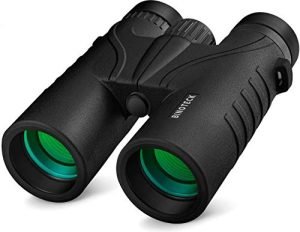
Binoculars help officers watch crime scenes from a safe place. They make it easier to see details far away. Choosing the right binoculars is important for clear viewing.
Different types of binoculars work best in different situations. Some are small and easy to carry. Others have special features for low light or heat detection.
Compact Vs. Full-size Models
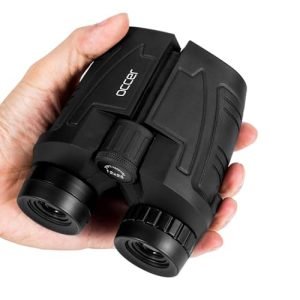
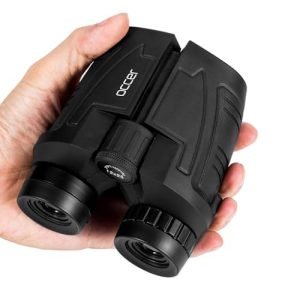
Compact binoculars are small and light. They are easy to carry and use for short times. They fit in a pocket or small bag. They work well for quick checks or moving around a scene.
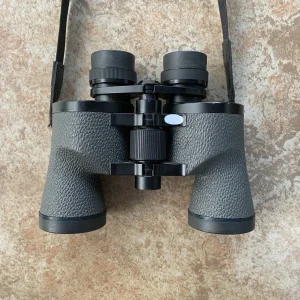
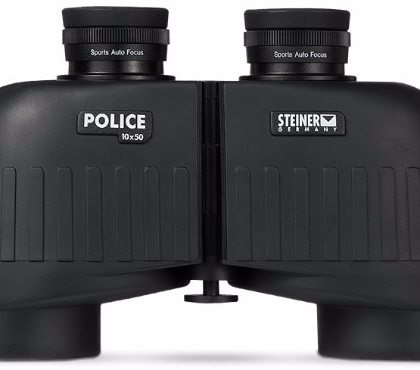
Full-size binoculars are bigger and heavier. They offer better zoom and clearer images. These are good for long watches and detailed viewing. They can be harder to carry for a long time.
- Compact models: light, portable, easy for short use
- Full-size models: higher magnification, better clarity
- Choose based on how long you need to watch and how far
Night Vision And Thermal Options
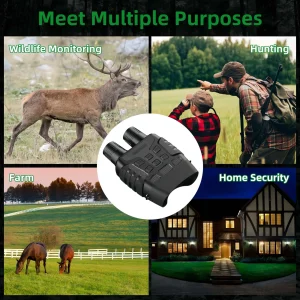
Night vision binoculars help see in low light or darkness. They use special lenses to make images brighter. This helps officers watch crime scenes at night.
Thermal binoculars detect heat from people or objects. They show heat patterns as images. This tool helps find hidden persons or animals in dark or fog.
- Night vision: good for dark scenes with little light
- Thermal: detects heat, works in total darkness or fog
- Both help officers monitor safely without being seen
Advantages Of Using Binoculars In Crime Monitoring
Binoculars are useful tools for monitoring crime scenes from a distance. They help law enforcement observe activities without disturbing the area.
Using binoculars enhances the ability to gather details and keep track of suspects or events in real time.
Non-intrusive Observation
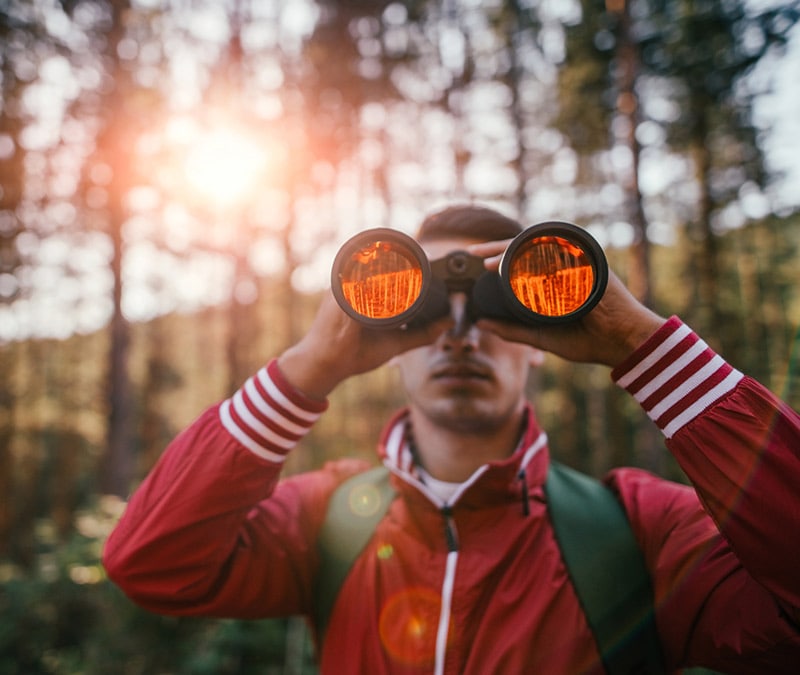
Binoculars allow officers to watch a crime scene quietly. They can see what is happening without alerting suspects or interfering with evidence.
- Keep a safe distance from the scene
- Observe suspects without being noticed
- Prevent contamination of evidence
- Maintain the integrity of the crime scene
Real-time Evidence Gathering
Binoculars help to capture real-time events clearly. Officers can report or record details as they happen.
| Benefit | Description |
| Clear View | Magnifies distant details for accurate observation |
| Fast Reaction | Enables quick response to suspicious activities |
| Documentation | Supports gathering visual evidence for reports |
| Safety | Allows monitoring from a secure location |
Credit: us.norton.com
Limitations And Challenges
Binoculars can be useful for crime scene monitoring. They help see distant areas clearly. Still, there are limits to their use.
Understanding these challenges helps users know when binoculars are helpful or not.
Environmental Factors Affecting Clarity
Weather can make it hard to see through binoculars. Rain, fog, or smoke blur the view. Light conditions also change how clear things look.
Bright sunlight can cause glare. Low light at night reduces visibility. Dust or dirt on lenses also lowers clarity.
- Rain and fog reduce visibility
- Glare from sunlight affects focus
- Nighttime or low light makes viewing harder
- Dirty lenses blur images
Physical Constraints And Operator Fatigue
Holding binoculars steady for a long time is tiring. The weight can cause arm and neck pain. This affects how well the user can watch the scene.
Small movements also make images shaky. Fatigue lowers attention and focus. This can lead to missed details at the crime scene.
- Heavy binoculars cause arm fatigue
- Shaky hands blur the view
- Neck strain from looking through lenses
- Reduced focus after long use
Integrating Binoculars With Other Technologies
Binoculars are useful tools for crime scene monitoring. They help officers see details from far away. Combining binoculars with other technology improves their use.
Using binoculars together with cameras, drones, and communication devices makes monitoring safer and clearer. These tools work well as a team.
Combining With Cameras And Drones
Binoculars help officers focus on specific spots. Adding cameras can capture what binoculars see. This records evidence for later use.
Drones give a wide view from above. Binoculars help zoom in on areas the drone shows. Together, they cover both close and far views.
- Binoculars provide detailed close-up views
- Cameras record images and videos for proof
- Drones offer aerial views of the scene
- Combining all helps cover large areas effectively
Using Binoculars With Communication Devices
Communication devices let officers share what they see through binoculars quickly. They can report important details in real time.
This teamwork helps officers coordinate better. They can send locations and updates fast. It keeps everyone safe and informed.
- Officers use radios or phones to share info
- Real-time updates speed up decision-making
- Communication helps direct backup or help
- Combining tools improves overall monitoring
Training And Best Practices
Using binoculars for crime scene monitoring requires proper training. This ensures accurate observation and safety.
Best practices help avoid mistakes and respect legal boundaries during surveillance.
Proper Handling Techniques
Handling binoculars correctly improves clarity and reduces eye strain. Always keep lenses clean and store them safely.
- Hold binoculars steady with both hands
- Adjust the focus slowly to avoid missing details
- Use lens caps when not in use
- Practice using binoculars in different light conditions
- Carry binoculars in a padded case during movement
Legal And Ethical Considerations
Respect privacy laws and avoid illegal surveillance. Training must cover what is allowed in crime scene monitoring.
| Consideration | Description |
| Privacy | Do not observe private property without permission |
| Consent | Obtain legal consent for monitoring if required |
| Evidence Handling | Record observations properly for legal use |
| Reporting | Report findings truthfully and without bias |
| Safety | Ensure personal safety and avoid confrontation |
Frequently Asked Questions
How Do Binoculars Improve Crime Scene Monitoring?
Binoculars enhance crime scene monitoring by providing clear, magnified views from a distance. They help officers observe details without disturbing evidence or suspects. This tool increases safety and effectiveness in surveillance and investigation.
Are Binoculars Essential For Law Enforcement Surveillance?
Yes, binoculars are essential for law enforcement surveillance. They allow officers to monitor suspects discreetly, gather evidence, and maintain situational awareness. Binoculars improve observation quality, aiding in crime prevention and investigation.
What Features Make Binoculars Suitable For Crime Scenes?
Key features include high magnification, wide field of view, image stabilization, and low-light performance. Durable, waterproof models ensure reliability in various conditions. These features help law enforcement capture critical details during crime scene monitoring.
Can Binoculars Detect Suspects From Long Distances?
Yes, binoculars can detect suspects from long distances effectively. High-quality optics provide clear images, enabling identification and behavior monitoring. This capability supports safe and informed decision-making during crime investigations.
Conclusion
Binoculars play a crucial role in crime scene monitoring. They provide clear, distant views. Officers can observe without being noticed. This keeps the investigation discreet and effective. Binoculars enhance the ability to gather vital details. They aid in tracking suspects or spotting evidence.
Thus, they are an important tool for law enforcement. Their use improves crime scene efficiency. Officers gain a better perspective on unfolding situations. In the end, binoculars support safety and precision in investigations. They are a valuable asset for crime scene monitoring.