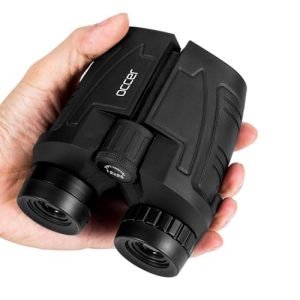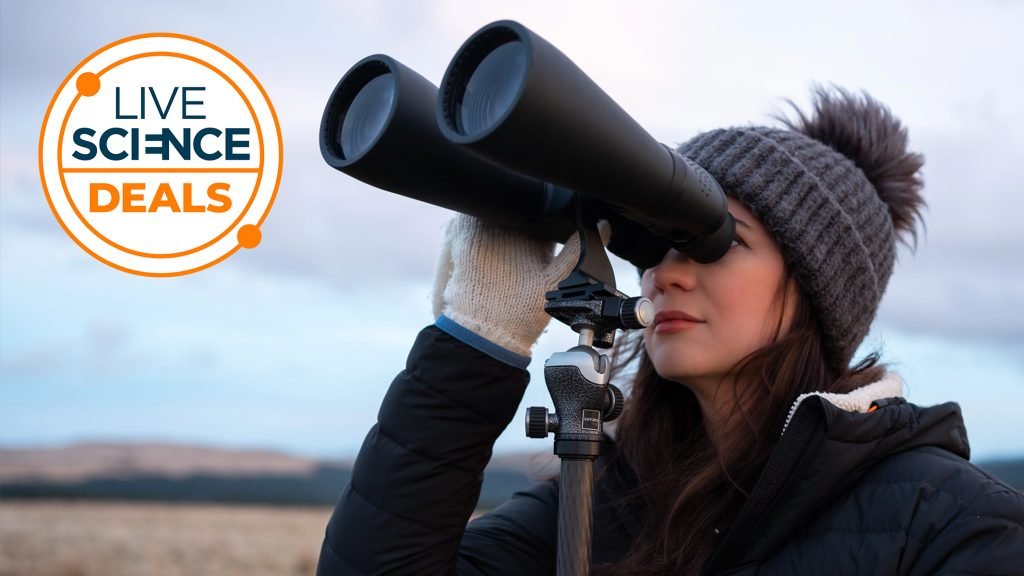
Have you ever wondered how to spark your child’s curiosity about science in a fun and exciting way? Binoculars might be the simple tool you need.
Imagine your kid exploring the world around them, spotting birds, insects, or distant objects with clear focus and wonder. This hands-on experience can turn everyday moments into powerful learning opportunities. Keep reading to discover how binoculars can make science come alive for your child and inspire a lifelong love for discovery.
Benefits Of Binoculars For Kids
Binoculars help children see faraway things clearly. They can make learning science fun and exciting.
Using binoculars encourages kids to explore nature and learn about the world around them.
Boosting Curiosity And Observation Skills
Binoculars help kids notice small details in animals and plants. This sparks their curiosity about how things work.
Looking closely with binoculars improves their observation skills. They learn to focus and pay attention to details.
Enhancing Outdoor Exploration
Children enjoy exploring parks and forests more when they have binoculars. It makes outdoor time more exciting.
Binoculars allow kids to see birds, insects, and distant objects clearly. This encourages them to spend more time outside.
Encouraging Hands-on Learning
Using binoculars is a hands-on way to learn about nature. Kids learn by watching and discovering on their own.
This active learning helps children remember facts better and enjoy science more.

Credit: www.yahoo.com
Connecting Binoculars With Science
Binoculars are simple tools that open up a world of science for kids. They help children see things far away more clearly.
Using binoculars encourages kids to explore and ask questions about the world around them.
Discovering Nature And Wildlife
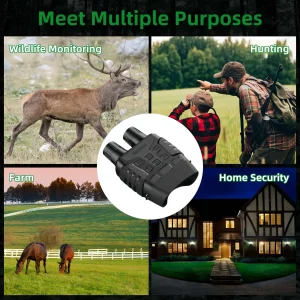
Binoculars let kids watch birds, animals, and plants without disturbing them. This helps them learn about wildlife habits and habitats.
Looking closely at nature can spark curiosity and respect for living things.
- Spot different bird species in a park
- Observe insect behavior on plants
- Watch animals in their natural homes
Learning About Optics And Vision
Binoculars show how lenses bend light to make objects look closer. Kids learn basic science about vision and light.
They can compare how things look with and without binoculars, understanding focus and magnification.
- See how lenses make images larger
- Understand how light travels through lenses
- Learn about eye coordination using both eyes
Exploring Astronomy And The Night Sky
Binoculars help kids look at the moon, stars, and planets. This makes astronomy more fun and easy to start.
They can spot craters on the moon or find bright stars and constellations in the sky.
- Observe moon craters and mountains
- Spot planets like Venus or Jupiter
- Find constellations and learn their stories
Choosing The Right Binoculars
Binoculars can help kids explore science and nature. Picking the right pair is important for their comfort and fun.
This guide covers features, safety, and budget ideas for binoculars suitable for children.
Key Features For Young Users
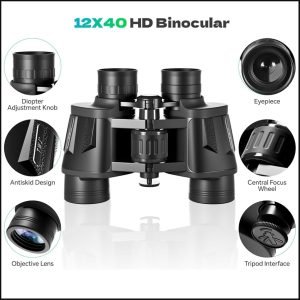
Kids need binoculars that are easy to use and clear. Look for lightweight models with simple focus systems.
- Magnification between 6x and 8x for steady views
- Wide field of view to see more at once
- Rubber grips for easy holding
- Adjustable eyecups for comfort
- Water-resistant to handle outdoor use
Safe And Durable Options
Durability and safety matter. Kids may drop or bump their binoculars often.
| Feature | Benefit |
| Rubber Armor | Protects against shocks and drops |
| Strap Included | Prevents dropping and loss |
| Non-toxic Materials | Safe for children to handle |
| Water and Fog Proof | Works in many weather conditions |
| Easy-to-clean Lens | Keeps view clear with minimal effort |
Budget-friendly Picks
You can find binoculars that fit most budgets. Good options balance price and quality.
- Look for brands with good reviews from parents
- Choose models with a warranty for peace of mind
- Buy from stores that allow returns if needed
- Consider used binoculars in good condition
- Focus on features needed, avoid extras that raise price
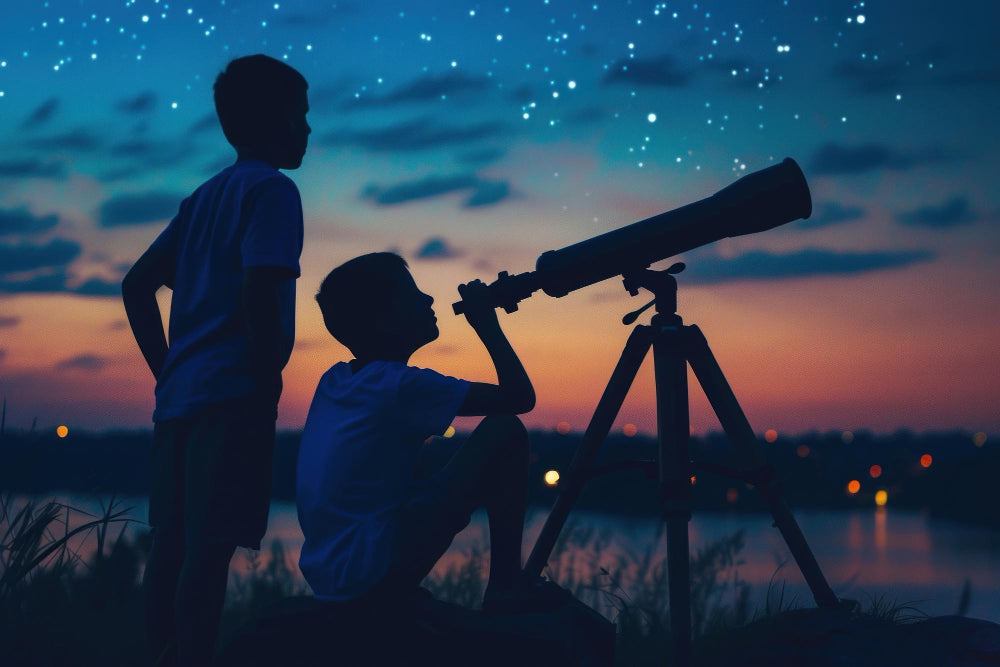
Credit: thepiematrix.com
Fun Activities With Binoculars
Binoculars make exploring the world more exciting for kids. They help children see far away things clearly.
Using binoculars can turn simple outdoor time into a fun science adventure. Kids can learn about animals, plants, and stars.
Bird Watching Adventures
Bird watching is a great way to teach kids about different bird species. Binoculars help them see birds high in trees or far away.
- Find a quiet spot outside with many trees.
- Look for birds and watch their colors and shapes.
- Write down or draw the birds you see.
- Learn about bird sounds and try to match them.
- Use a bird guidebook or app to identify birds.
Nature Scavenger Hunts
Scavenger hunts make nature walks more fun. Binoculars help kids find hidden or small objects from a distance.
| Item to Find | Where to Look | Notes |
| Spider Web | Between Tree Branches | Look carefully, they shine in sunlight |
| Butterfly | Near Flowers | Can be colorful and fast |
| Bird Nest | High in Trees | Watch quietly to avoid disturbing |
| Fallen Leaf | On the Ground | Look for different colors and shapes |
| Small Animal | Behind Bushes | Use binoculars to spot without scaring them |
Stargazing Sessions
Stargazing can spark curiosity about space. Binoculars help kids see the moon and bright stars better.
Try this simple stargazing list:
- Find the Moon and look for its craters.
- Spot the brightest star in the sky.
- Look for a planet like Venus or Jupiter.
- Watch for satellites moving across the sky.
- Try to find a star cluster like the Pleiades.
Tips To Keep Kids Engaged
Binoculars can help children explore the world around them. They make science fun and exciting. Kids enjoy seeing things up close and learning about nature.
Here are some tips to keep kids interested while using binoculars. These ideas help children learn and enjoy science at the same time.
Making Science Interactive
Encourage kids to touch, look, and explore with their binoculars. Let them find birds, insects, and plants in your backyard or park. Ask them to describe what they see. This makes learning active and fun.
- Make a nature scavenger hunt list
- Use binoculars to spot different animals
- Draw pictures of what they observe
- Talk about the colors and shapes they find
Combining Technology And Exploration
Use apps or websites with binoculars to learn more about what kids see. Technology can show facts about birds or plants. It helps kids connect what they observe to science knowledge.
| Tool | Use |
| Bird watching app | Identify bird species |
| Plant guide website | Learn about local plants |
| Star map app | Explore stars at night |
Encouraging Questions And Discovery
Ask children questions about what they see through binoculars. Let them guess and explore answers. This builds curiosity and critical thinking.
Try these questions:
- What do you notice about that bird?
- Why do you think the leaves have that color?
- How does the insect move?
- What sounds do you hear nearby?
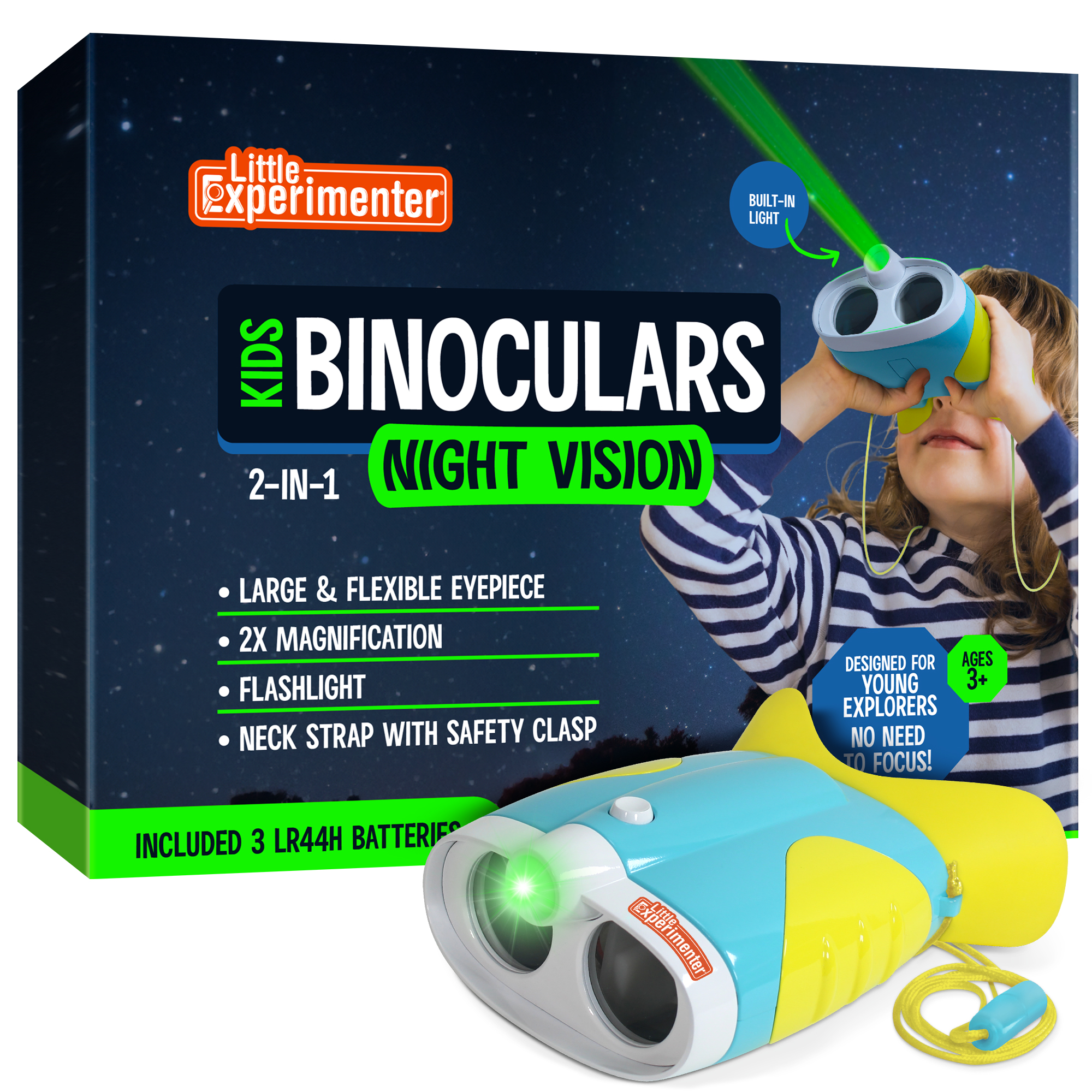
Credit: www.walmart.com
Frequently Asked Questions
How Do Binoculars Help Kids Explore Science?
Binoculars enhance kids’ observational skills by allowing close-up views of nature. This hands-on experience sparks curiosity and learning about biology and physics.
Can Using Binoculars Improve Kids’ Attention To Detail?
Yes, binoculars encourage kids to focus on small details in their environment. This sharpens concentration and promotes scientific thinking through careful observation.
What Scientific Concepts Can Kids Learn With Binoculars?
Kids learn about optics, light refraction, and magnification while using binoculars. They also explore ecosystems, animal behavior, and environmental science during outdoor activities.
Are Binoculars Safe And Easy For Children To Use?
Most binoculars designed for kids are lightweight and have safe, durable materials. They are simple to operate, making science exploration accessible and enjoyable for children.
Conclusion
Binoculars open a window to the natural world for kids. They spark curiosity and invite questions about science. Watching birds, stars, or insects becomes an exciting adventure. This hands-on experience helps children learn by doing. They feel joy in discovering new things close up.
Science stops being just words and turns into real fun. Encouraging this habit early can build a lifelong love of learning. Small tools like binoculars can make a big difference. Kids grow more aware of their environment and how it works.
This simple activity can start a journey toward understanding science.