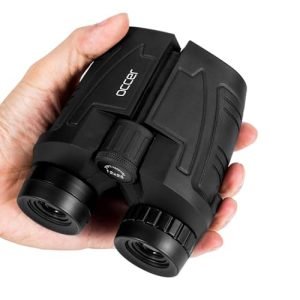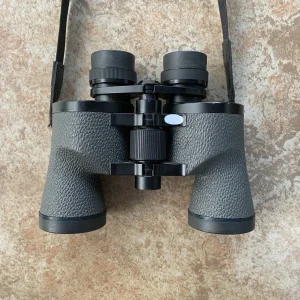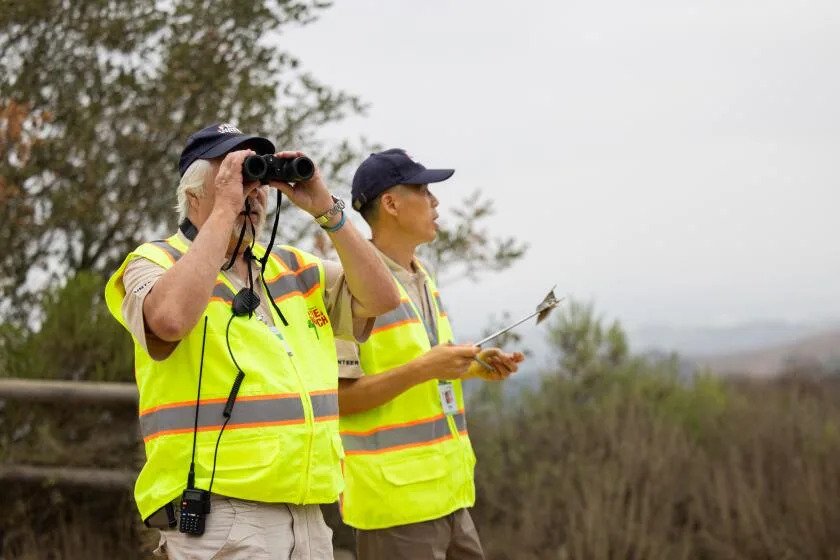
Have you ever wondered if binoculars could actually help save lives during a hurricane? When chaos hits and visibility drops, every second counts—and having the right tools can make all the difference.
Imagine being able to spot someone stranded from miles away, guiding rescue teams to safety faster than ever before. You’ll discover how binoculars play a surprising role in hurricane rescue efforts and whether they are truly effective in such extreme conditions.
Keep reading to find out how these simple devices might be your unexpected lifeline in the storm.
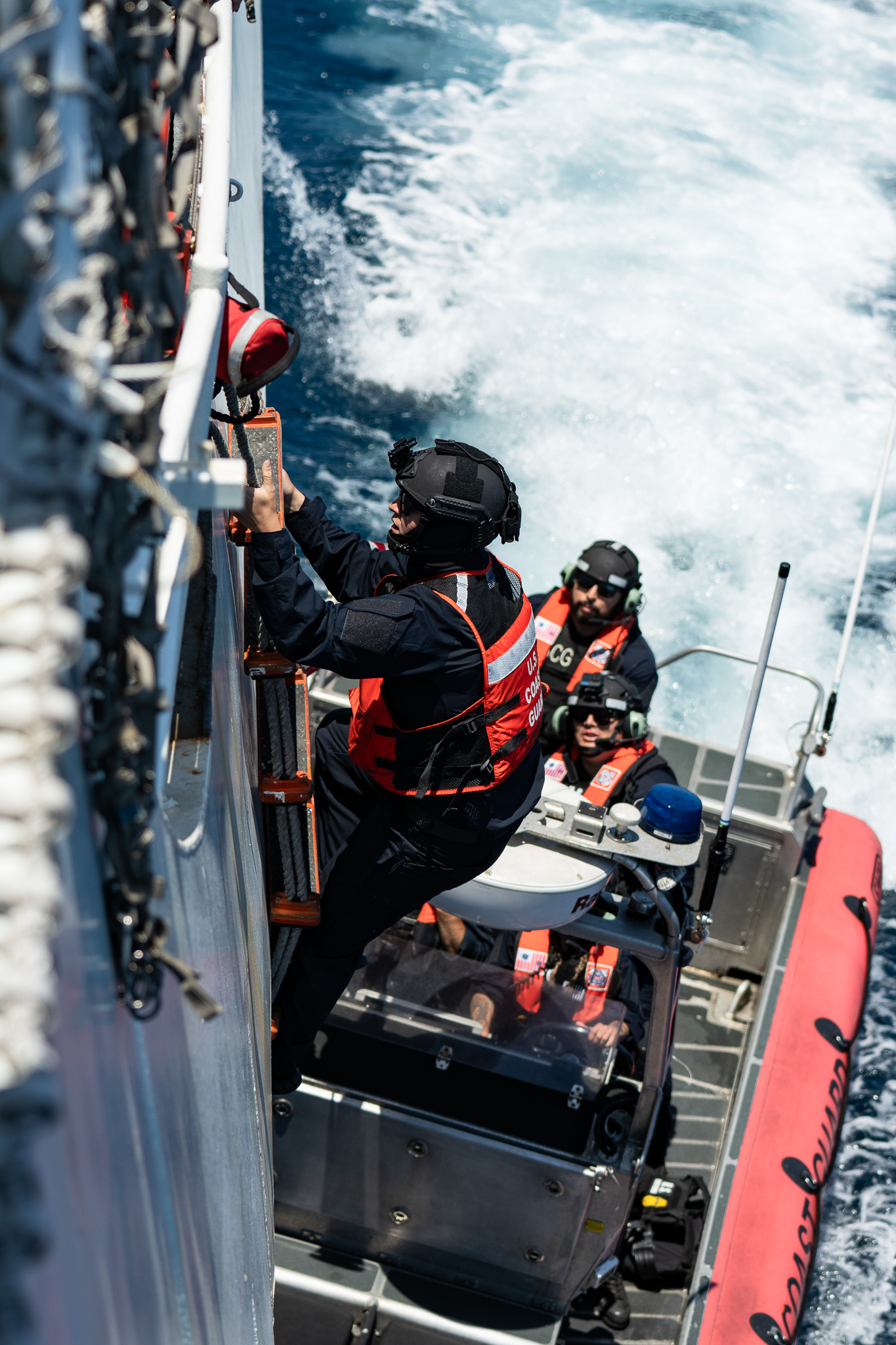
Credit: www.news.uscg.mil
Binoculars In Rescue Operations
Binoculars help rescuers see far places clearly. They are useful in many rescue missions.
In hurricane rescue, seeing through strong winds and rain is hard. Binoculars can improve vision from a safe spot.
Role Of Visual Tools In Emergencies
Visual tools like binoculars help rescuers find people fast. They allow teams to spot danger or help from far away.
These tools also help rescuers plan their moves. They can check if an area is safe before going in.
- Spot victims in hard-to-reach areas
- Check damaged buildings or roads
- Guide teams to safe paths
- Monitor weather changes from a distance
Advantages Of Binoculars For Rescuers
Binoculars make it easier to see details at a distance. This saves time and effort during rescue missions.
They are light and easy to carry. Rescuers can quickly use them without extra gear.
- Improved vision in poor weather
- Quick identification of people or hazards
- Help in navigation and search planning
- Portable and simple to use
Challenges During Hurricanes
Using binoculars in hurricane rescue is very hard. Hurricanes bring many dangers that affect vision and tools. Rescuers must know these problems well.
Strong winds, heavy rain, and low visibility make it tough to use binoculars safely and effectively during a storm.
Visibility Issues In Severe Weather
Heavy rain and dark clouds reduce how far you can see. Binoculars may not help much if visibility is very low. Fog and flying debris also block views.
- Rain drops blur the view through lenses
- Fog can cover large areas and reduce sight
- Flying debris can block or damage the lenses
- Dark skies make it hard to spot people or objects
Impact Of Wind And Rain On Equipment
Strong winds shake hands and binoculars, making it hard to keep a steady view. Water can enter the equipment and cause damage or fog inside the lenses.
| Challenge | Effect on Binoculars | Rescue Impact |
| High Wind | Shakes binoculars, hard to focus | Miss signals or moving targets |
| Heavy Rain | Water can fog lenses or seep inside | Damage equipment, reduce clarity |
| Debris | Scratches or blocks view | Limits use, may need cleaning |
| Cold Temperatures | Lenses fog from breath or moisture | Shortens use time, slows rescue |
Features To Look For In Rescue Binoculars
Binoculars can help in hurricane rescue by improving visibility. Choosing the right pair makes a big difference. Some features matter more for tough conditions.
Rescue binoculars must handle harsh weather and offer clear views. Look closely at durability, magnification, and how fast you can focus.
Durability And Waterproofing
Rescue binoculars need to resist water, dust, and shocks. Hurricanes bring rain and strong winds, so durability is key. Look for models with rubber armor and sealed lenses.
- Waterproof rating, like IPX7 or higher
- Shockproof casing to prevent damage
- Fog-proof lenses to avoid mist inside
- Rubber coating for better grip in wet conditions
Magnification And Lens Quality
Good magnification helps spot people or objects far away. But too much zoom can make images shaky. Clear lenses bring sharp images, even in low light.
| Feature | Ideal Range |
| Magnification | 7x to 10x |
| Lens Diameter | 30mm to 42mm |
| Coating Type | Fully multi-coated lenses |
Field Of View And Focus Speed
A wide field of view lets rescuers scan larger areas quickly. Fast focus helps adjust to changing distances. These features save time during rescue efforts.
- Wide field of view: at least 300 feet at 1000 yards
- Central focus wheel for quick adjustments
- Close focus distance under 10 feet for near objects

Credit: www.optics-trade.eu
Practical Uses Of Binoculars In Hurricane Rescue
Binoculars are important tools in hurricane rescue operations. They help rescuers see far away places clearly.
Using binoculars can improve safety and speed during rescue missions. They allow rescuers to find victims and plan better.
Locating Victims From A Distance
Binoculars help rescuers spot people trapped or stranded far away. They can look across flooded areas or damaged buildings.
Seeing victims from a distance saves time and helps prioritize who needs help first.
- Identify waving or signaling victims
- Scan large areas quickly
- Spot victims on rooftops or isolated places
Assessing Structural Damage
Binoculars allow rescuers to check how buildings and bridges are damaged without getting too close. This keeps them safe.
They can see cracks, fallen debris, or unstable parts from a distance. This information helps decide if an area is safe to enter.
- Spot broken windows and walls
- Check leaning or collapsed structures
- Evaluate hazards like downed power lines
Coordinating With Rescue Teams
Binoculars help leaders watch their teams and surroundings during rescue work. They can see where teams are and what they are doing.
Clear views improve communication and planning. Rescue teams stay organized and work faster with better information.
- Monitor team locations
- Spot new dangers
- Guide teams to victims or safe zones
Limitations Of Binoculars In Extreme Conditions
Binoculars are useful tools for spotting objects at a distance. In extreme weather, like hurricanes, their use faces many challenges. Understanding these limits is important for rescue efforts.
Hurricanes bring strong winds, heavy rain, and debris. These conditions affect how well binoculars work and how safely rescuers can use them.
Reduced Effectiveness In Heavy Rain
Heavy rain can blur the lenses and reduce visibility through binoculars. Water droplets stick to the glass and block the view. This makes it hard to see clearly during a hurricane.
- Raindrops distort the image seen through binoculars.
- Fog and mist reduce clarity and distance visibility.
- Continuous rain causes lenses to stay wet and unclear.
- Cleaning lenses in a storm is difficult and risky.
Physical Handling Challenges
Strong winds and debris make it hard to hold binoculars steady. The user may lose balance or drop the device. Gloves and wet conditions reduce grip and control.
| Challenge | Effect on Use |
| Strong wind | Shakes binoculars, blurs vision |
| Wet hands or gloves | Hard to hold securely |
| Flying debris | Risk of damage or injury |
| Limited mobility | Slower response and movement |
Alternatives And Complementary Tools
Rescuers use other tools to help when binoculars fail. These tools work better in tough weather and add safety and accuracy.
- Thermal imaging cameras to see through rain and fog
- Radar systems to detect objects hidden by weather
- Drones with cameras for aerial views and scouting
- Two-way radios to coordinate with rescue teams
Training And Preparedness For Rescuers
Using binoculars in hurricane rescue can help rescuers see far and spot people in danger. Training is important to use them well during storms.
Rescuers need practice to handle binoculars in strong winds and rain. Preparedness improves safety and rescue success.
Proper Use And Maintenance
Rescuers must learn how to adjust binoculars quickly for clear views. Proper use means holding them steady despite the wind.
Cleaning and checking binoculars after each use keeps them working well. Damaged lenses or loose parts can cause problems in rescue missions.
- Use lens covers to protect from rain and dust
- Check focus and alignment before each rescue
- Dry binoculars carefully if they get wet
- Store in a safe, padded case after use
Integration With Other Rescue Equipment
Binoculars work best when used with radios, GPS devices, and maps. This helps rescuers share information quickly.
Training includes learning how to use binoculars while communicating and navigating. This teamwork improves rescue efforts.
- Use radios to report sightings seen through binoculars
- Combine GPS location with binocular spotting for accuracy
- Coordinate with team members using clear signals
- Practice multitasking with all equipment before real rescues

Credit: www.yahoo.com
Frequently Asked Questions
Can Binoculars Improve Visibility During Hurricane Rescue?
Yes, binoculars enhance visibility by magnifying distant objects. This helps rescuers spot survivors and hazards from afar, improving safety and efficiency during hurricane rescue operations.
Are Waterproof Binoculars Best For Hurricane Rescue?
Waterproof binoculars are ideal for hurricane rescue. They resist rain and moisture, ensuring clear vision and durability in harsh, wet conditions often encountered during hurricanes.
How Do Binoculars Aid In Locating Stranded Victims?
Binoculars allow rescuers to scan large areas quickly. They help identify stranded victims, assess their situation, and plan safe, effective rescue routes during hurricanes.
Can Binoculars Withstand Strong Hurricane Winds?
High-quality binoculars are designed to endure tough conditions. Many models are shockproof and weather-resistant, making them reliable tools even in strong hurricane winds.
Conclusion
Binoculars help rescuers see far in bad weather. They can spot people or objects from a distance. Using binoculars makes rescue work safer and faster. Yet, strong winds and rain may still limit their use. Rescuers need other tools too, like radios and GPS.
Binoculars are just one part of the rescue kit. They improve chances to find those in danger. Clear vision matters a lot during a hurricane rescue. Every second counts, and binoculars help save lives.