Have you ever wondered if your binoculars can still help you keep an eye on things when it’s pouring rain? You might think that raindrops and foggy lenses would make it impossible to see clearly.
But what if you could use your binoculars effectively, even in bad weather? You’ll discover practical tips and important facts that will change how you think about using binoculars during rain. Keep reading to learn how to make the most of your gear when the skies open up.
Credit: www.popsci.com
Impact Of Rain On Binocular Performance
Using binoculars in the rain can be difficult. Rain changes how well binoculars work.
Rain affects the lenses and the view you get through binoculars. This can lower the quality.
Water Droplets And Lens Clarity
Water droplets stick to the lenses during rain. These drops blur the view and reduce sharpness.
Drops can block parts of the lens, making it hard to see details far away.
- Drops create spots on the lenses
- Blurred images reduce observation accuracy
- Water can make focusing more difficult
Fogging And Moisture Issues
Fog forms inside binoculars when warm air meets cold lenses. This happens often in rain.
Moisture inside the binoculars can damage the lenses and parts over time.
- Fog blocks clear vision
- Moisture can cause mold and damage
- Sealed or waterproof models resist fog better
Light Refraction Challenges
Rain causes light to bend differently through water on lenses. This changes the image seen.
Refraction can make objects look blurry or shifted from their true position.
- Light bends through water droplets
- Images may appear distorted
- Refraction reduces image clarity
Features That Enhance Rainy Weather Use
Using binoculars in the rain can be tricky. Water can blur the view and damage the device. Some features help binoculars work well in wet weather.
These features keep the lenses clear and protect the binoculars from water and moisture. They make outdoor surveillance easier during rainy days.
Waterproof And Weatherproof Designs
Binoculars with waterproof designs stop water from entering the inside parts. This prevents damage and keeps the device working well.
Weatherproof binoculars also resist dust, dirt, and fog. They are made with strong seals and special materials to handle tough weather conditions.
- Rubber coatings protect against shocks and rain
- Sealed joints block water and dust
- Durable materials resist rust and corrosion
Anti-fog Coatings
Foggy lenses make it hard to see clearly. Anti-fog coatings stop moisture from building on the glass.
These coatings keep the view clear even when the temperature changes or when you breathe near the lenses in rain.
- Applied on inside and outside of lenses
- Reduce fog caused by cold or humidity
- Improve visibility during rainy and wet conditions
Lens Covers And Protective Gear
Lens covers protect binocular lenses from rain drops and scratches. They keep the glass clean and clear for better viewing.
Using protective gear like rain guards or carrying cases also helps keep binoculars safe and dry when not in use.
- Lens caps block water and dirt
- Rain guards prevent water from hitting lenses
- Carrying cases protect binoculars during travel
Types Of Binoculars Best For Rainy Conditions
Using binoculars in the rain can be tricky. Water and fog can blur your view. Choosing the right type helps you see clearly.
Some binoculars are made for wet weather. They resist water and keep fog away. Here are three types that work well in rain.
Marine Binoculars
Marine binoculars are built for use on boats and near water. They are waterproof and often float if dropped. Their lenses have special coatings to reduce glare from water.
- Waterproof seals to keep moisture out
- Anti-glare lens coatings
- Built to float on water
- Rugged and durable design
Rubber-armored Models
Rubber-armored binoculars have a thick rubber coating. This helps protect them from drops and rough weather. The rubber also provides a good grip when hands are wet.
| Feature | Benefit in Rain |
|---|---|
| Rubber coating | Protects from bumps and falls |
| Non-slip grip | Easy to hold with wet hands |
| Shock resistant | Works well in rough conditions |
Fog-resistant Options
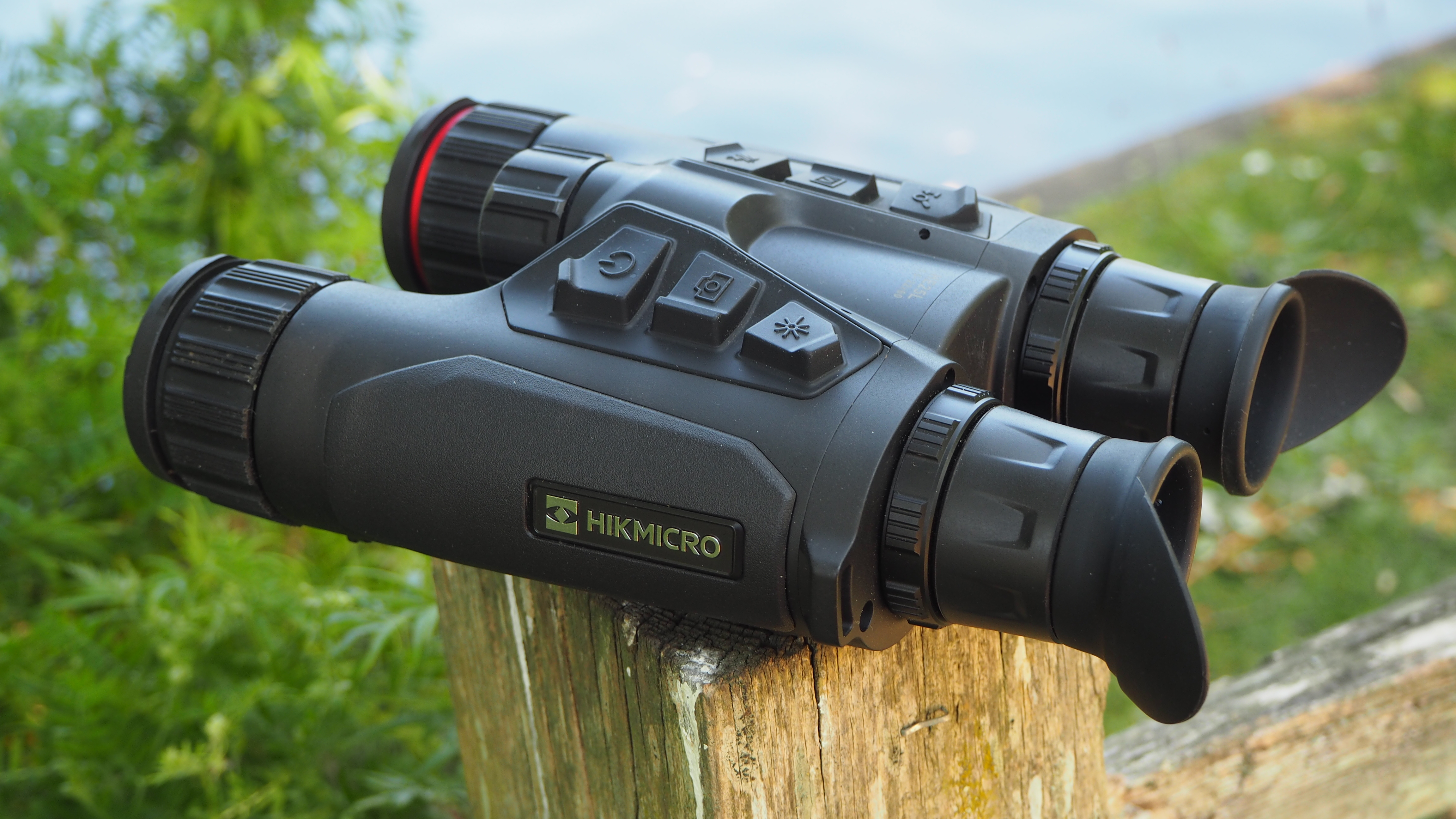
Fog can block your view when binoculars are cold and wet. Fog-resistant binoculars have special features to stop this. They use nitrogen or argon gas inside to keep lenses clear.
- Sealed lenses prevent moisture inside
- Filled with dry gas to stop fog
- Clear view in cold and wet weather
Credit: www.digitalcameraworld.com
Techniques For Effective Surveillance In Rain
Using binoculars for surveillance in rain can be challenging. Rain drops and moisture reduce visibility and comfort.
With the right techniques, you can improve your viewing experience and get clearer images despite the rain.
Proper Handling And Maintenance
Keep binoculars dry to avoid water damage. Wipe lenses often with a soft cloth to clear rain drops.
Store binoculars in a waterproof case when not in use. Check for fog inside the lenses and clean gently.
- Use lens caps when not viewing
- Dry binoculars thoroughly after rain
- Apply anti-fog solutions to lenses
- Inspect for cracks or water leaks regularly
Using Additional Accessories
Accessories help protect binoculars and improve vision. Use rain guards or lens hoods to shield lenses from drops.
Consider using a waterproof cover or a neck strap with quick release. This keeps binoculars secure and dry.
- Rain guards prevent water on lenses
- Lens cloths remove moisture quickly
- Waterproof covers protect the whole device
- Neck straps keep binoculars stable and ready
Positioning And Angle Tips
Hold binoculars at an angle to reduce rain falling directly on lenses. Find shelter or use natural covers.
Keep your head low and binoculars steady. Adjust your position to avoid glare and water reflections.
- Tilt binoculars slightly downward
- Use trees or walls as rain shields
- Avoid looking directly into light sources
- Stay still to prevent blurry images
Limitations And Challenges In Rainy Surveillance
Using binoculars for surveillance in the rain presents many difficulties. Rain affects how well you can see and use the equipment.
This article explains the main challenges of using binoculars in rainy weather. It covers visibility, eye comfort, and equipment issues.
Reduced Visibility Range
Rain drops blur the view through binocular lenses. This reduces the distance you can see clearly.
Fog and water on the lenses also block details. Bright lights reflecting off wet surfaces can cause glare.
- Rain drops scatter light and lower image sharpness.
- Fog builds up inside or outside the binoculars.
- Glare from wet surfaces distracts and hides targets.
- Objects appear less clear and colors dull in rain.
Increased Eye Strain
Watching through binoculars in rain tires your eyes more than usual. Your eyes work harder to focus through water and low light.
| Cause | Effect on Eyes |
| Water droplets on lenses | Blurred vision, more focusing effort |
| Low light during rain | Reduced contrast, harder to see details |
| Glare from wet surfaces | Increased eye discomfort and fatigue |
| Continuous refocusing | Eye muscle strain and headaches |
Equipment Durability Concerns
Rain can damage binoculars if they are not waterproof. Water can enter and harm lenses and internal parts.
Key durability issues include:
- Water leaks causing fog inside lenses
- Rust and corrosion on metal parts
- Damage to rubber grips and seals
- Shortened lifespan of binoculars

Credit: www.amazon.ca
Frequently Asked Questions
Can Binoculars Work Effectively In Heavy Rain?
Binoculars can work in heavy rain if they are waterproof and fog-proof. Otherwise, water droplets blur the lenses, reducing visibility. Using lens covers and wiping lenses frequently helps maintain clarity during rainfall.
Are Waterproof Binoculars Better For Surveillance In Rain?
Yes, waterproof binoculars are ideal for rainy surveillance. They prevent water damage and fogging inside the lenses. This feature ensures clear, uninterrupted viewing even in wet weather conditions.
How Does Rain Affect Binocular Image Quality?
Rain causes water droplets on lenses, distorting images. It also creates fog inside non-sealed binoculars. These effects reduce sharpness and clarity, making surveillance less effective.
Can Anti-fog Coatings Improve Binocular Use In Rain?
Anti-fog coatings help prevent lens fogging during temperature changes and humidity. They enhance visibility in rainy conditions but do not stop water droplets from accumulating on lenses.
Conclusion
Binoculars can work for surveillance in rain with some limits. Rain drops may blur the view and reduce clarity. Choosing waterproof and fog-resistant models helps a lot. Wiping lenses often keeps the image clearer. Good quality binoculars improve your chances of seeing details.
Still, heavy rain makes surveillance harder no matter the tool. Be ready to adjust your approach based on weather. Simple care and the right gear make a big difference. This way, binoculars remain useful even on rainy days.