Have you ever found yourself squinting to catch the action on the far side of a soccer stadium? It’s frustrating when the best moments feel just out of reach.
But what if you could bring the game closer, right to your eyes, no matter where you sit? Using binoculars at soccer stadiums might be the secret to enhancing your experience. You’ll discover whether binoculars are allowed, how they can improve your view, and what to consider before you bring a pair to the match.
Keep reading to make sure you never miss a winning goal again!

Credit: www.discountdelights.co.uk
Why Use Binoculars At Soccer Stadiums
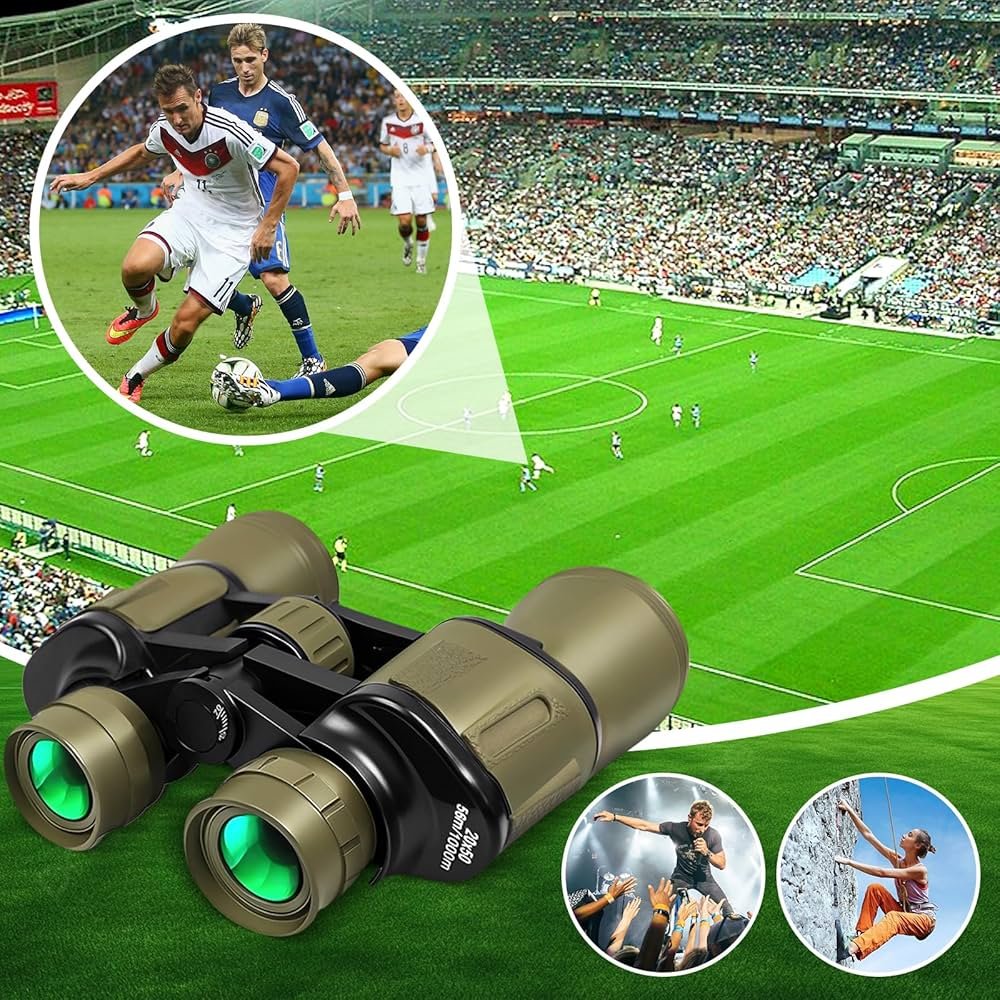
Binoculars help fans see the soccer match clearly from far away. They bring the action closer to your eyes.
Using binoculars makes watching the game more enjoyable. You can catch details that are hard to see with the naked eye.
Enhancing Game Viewing Experience
Binoculars improve your view of the soccer field. They make it easier to follow the ball and players during fast moves.
They reduce the need to squint or strain your eyes. You feel more connected to the game even from distant seats.
Capturing Player Details
With binoculars, you can see player faces and jersey numbers clearly. This helps you recognize your favorite players.
Binoculars allow you to watch player actions like dribbling or passing closely. This adds depth to your viewing.
Spotting Tactical Movements
Binoculars help you see team formations and strategies on the field. You can observe how players move together.
This helps fans understand the coach’s plan and the flow of the game better. It makes watching more interesting.
Choosing The Right Binoculars
Binoculars can help you see the soccer game better from far seats. Picking the right ones makes a big difference. You want clear views without tiring your hands.
Think about the size, power, and durability before buying. These features affect how well binoculars work in a stadium.
Ideal Magnification And Lens Size
Magnification shows how close the players look. A 7x or 8x power is best for soccer stadiums. Higher powers make images shaky and hard to hold.
The lens size controls how much light comes in. A lens diameter of 30-42mm works well in daylight. Bigger lenses are heavy and not needed for day games.
- 7x to 8x magnification for steady views
- 30-42mm lens size for bright and clear images
- Too high magnification causes shaky images
- Bigger lenses work better in low light but are heavier
Compact Vs. Full-size Binoculars
Compact binoculars are small and easy to carry. They weigh less and fit in your bag. They work well if you move a lot in the stadium.
Full-size binoculars offer better views. They have larger lenses and more light. These are good if you stay in one seat and want sharper images.
- Compact: lightweight and portable
- Compact: less bright but easy to handle
- Full-size: heavier with better image quality
- Full-size: best for fixed seats and longer use
Water Resistance And Durability
Soccer games can happen in rain or shine. Water-resistant binoculars keep your view clear in wet weather. They also last longer.
Durable materials protect binoculars from drops or bumps. Look for rubber coatings that give a good grip and shock protection.
- Water resistance keeps lenses dry in rain
- Rubber coating protects from damage
- Durable build helps with rough use
- Good grip stops slipping from hands
Stadium Rules And Restrictions
Many people wonder if they can use binoculars at soccer stadiums. Binoculars help fans see the action clearly from far seats. But stadiums have rules about what items you can bring inside.
It is important to check the stadium’s policies before you go. Some venues allow binoculars, while others do not. This guide explains common rules and offers alternatives if binoculars are not allowed.
Common Binocular Policies
Most soccer stadiums allow small binoculars that are not too large or heavy. These help fans watch the game without disturbing others. Some stadiums may restrict binoculars with a big lens or professional camera parts.
Security may check binoculars at the entrance. If they seem like a recording device or a threat, they might be banned. It is best to bring simple and compact binoculars.
- Small, handheld binoculars are usually allowed.
- Large or professional binoculars may be banned.
- Binoculars with built-in cameras are often not allowed.
- Security checks may happen at entry points.
Checking Venue Regulations
Each stadium has its own rules. Checking these rules before your visit helps avoid problems. You can find rules on the stadium’s website or by calling the box office.
Look for sections about prohibited items or fan policies. Some stadiums list allowed and banned items clearly. Check if binoculars or similar devices are mentioned.
- Visit the stadium’s official website.
- Search for “prohibited items” or “stadium policies.”
- Call the stadium’s customer service for questions.
- Check fan forums or social media for recent updates.
Alternatives If Binoculars Are Prohibited
If binoculars are not allowed, do not worry. Many stadiums have large video screens that show close-ups of the game. These screens help fans see details from far seats.
You can also use your smartphone to watch replays or zoom in on the action. Some stadiums offer apps with live camera angles and highlights. These options help you enjoy the game without bringing binoculars.
- Watch the large video screens inside the stadium.
- Use your smartphone to view replays or zoom.
- Download the stadium’s official app for live views.
- Choose seats closer to the field if possible.

Credit: www.gettyimages.fi
Tips For Using Binoculars Effectively
Using binoculars at a soccer stadium can improve your view of the action. To get the best experience, you need to use them correctly. Here are some simple tips.
These tips will help you see the game clearly and enjoy every moment from your seat.
Adjusting Focus Quickly
Quickly adjusting the focus lets you see players and the ball sharply. Look for a focus wheel that moves smoothly. Practice focusing before the game starts. Keep your eyes on the field and adjust as needed.
Reducing Hand Shake
- Hold the binoculars with both hands firmly.
- Rest your elbows on a stable surface like a seat armrest.
- Use a neck strap to support the weight.
- Lean against a wall or railing if possible.
- Take slow, deep breaths to stay steady.
Best Seating Positions
| Area | Why It Helps | Tip |
| Upper tiers | Wide view of the entire field | Use binoculars to zoom in on players |
| Near the halfway line | See both goals equally well | Focus on player movements and passes |
| Behind the goal | Watch goalkeepers and shots closely | Adjust binoculars often for close action |
Additional Fan Gear To Enhance Experience
Watching soccer live is exciting, but some gear can improve the fun. Fans use different tools to see the action better.
Binoculars are popular, but other items also help fans enjoy the match fully. Let’s explore some useful fan gear.
Smartphone Apps And Live Stats
Smartphone apps give fans instant updates and stats. You can follow scores, player info, and game events in real time.
These apps let you track your team’s progress without missing anything. Many apps also offer replays and highlights.
- Live score updates
- Player stats and info
- Instant game highlights
- Team lineups and formations
Using Cameras And Scopes
Some fans bring cameras with zoom lenses or scopes to see far-off action clearly. These tools give a close-up view of the play.
Binoculars are easy to carry and help spot players and ball movements. Cameras capture moments to save or share later.
- Binoculars magnify distant views
- Zoom cameras capture detailed shots
- Scopes provide steady, clear images
- Good for fans in upper seats
Comfort Accessories For Long Matches
Soccer matches can last a long time, so comfort matters. Fans bring cushions, hats, and blankets to stay cozy.
These accessories help fans focus on the game without feeling tired or cold. Comfortable seats make the experience better.
- Cushions for hard seats
- Hats for sun protection
- Blankets for chilly weather
- Portable fans for hot days

Credit: www.amazon.ca
Frequently Asked Questions
Can Binoculars Improve Viewing At Soccer Stadiums?
Yes, binoculars can enhance your viewing experience by bringing distant players closer. They help you see details clearly from far seats, improving engagement with the game.
Are Binoculars Allowed Inside Soccer Stadiums?
Most soccer stadiums permit binoculars, but check stadium rules first. Binoculars are usually allowed as long as they don’t obstruct others’ views or violate security policies.
What Type Of Binoculars Suits Soccer Games Best?
Compact binoculars with 6x to 8x magnification work best for soccer. They offer clear views without excessive shaking and are easy to carry around the stadium.
Can Binoculars Disturb Other Fans At The Stadium?
Binoculars typically don’t disturb others if used responsibly. Avoid blocking views or shining lights into other fans’ eyes to maintain a positive atmosphere.
Conclusion
Binoculars can enhance your soccer experience at stadiums. They bring the action closer. You see more details. Players, their expressions, and the ball movement become clearer. But check stadium policies first. Some restrict binocular sizes for security reasons. Always choose compact and lightweight binoculars.
They’re easier to carry. And more comfortable for long matches. Remember, binoculars aren’t always necessary. Many stadiums offer large screens. But for a unique perspective, they are a great tool. Enjoy the match with a closer view.