When you’re part of a Search and Rescue (SAR) team, every second counts. Your tools need to be reliable, no matter the weather or terrain.
Have you ever wondered if waterproof binoculars could make a real difference in your missions? Imagine spotting a lost hiker through heavy rain or across a misty river—wouldn’t that give you an edge? You’ll discover why waterproof binoculars might not just be a nice-to-have but an essential part of your gear.
Keep reading to find out how the right binoculars can boost your effectiveness and safety in the field.
Role Of Binoculars In Sar Operations
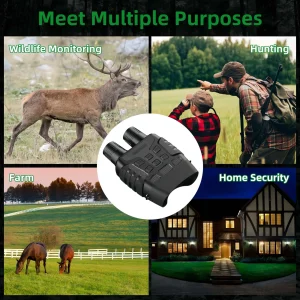
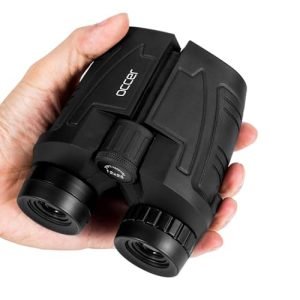
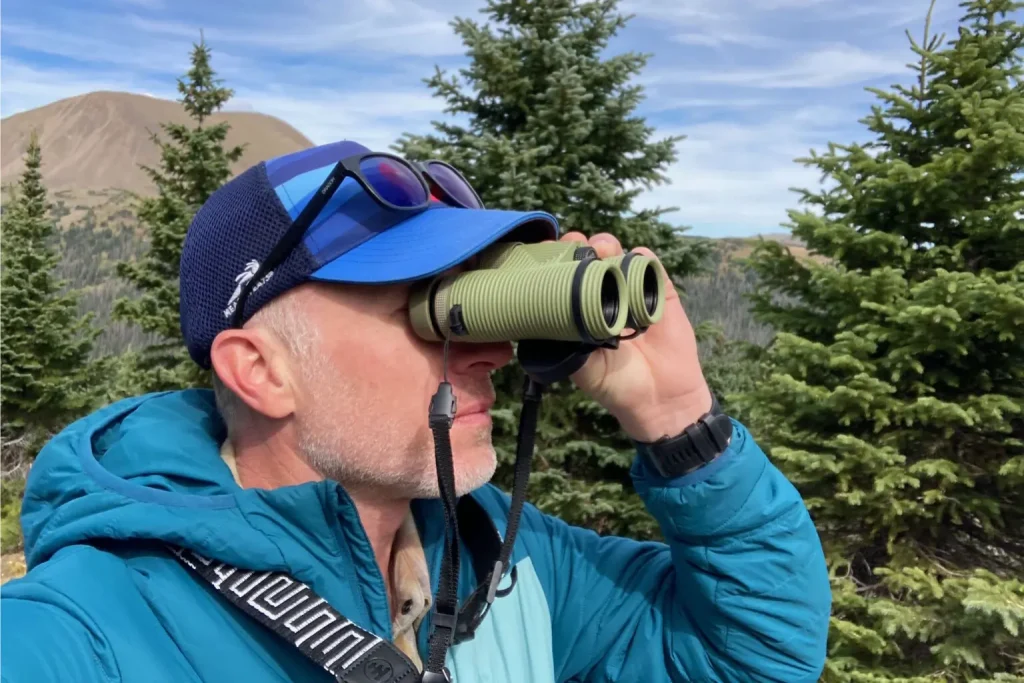
Binoculars help Search and Rescue (SAR) teams see far areas clearly. They are key tools during missions.
Good binoculars allow teams to find missing people faster and work safely in tough conditions.
Enhancing Visual Range
Binoculars increase how far rescuers can see. This helps spot signs from a distance.
- Helps detect small movements or signals
- Allows scanning large areas quickly
- Improves team coordination by sharing visual info
- Supports night or low-light searches with special lenses
Improving Search Efficiency
Using binoculars helps SAR teams save time and cover more ground.
| Benefit | Effect on Search |
| Clearer images | Better identification of people or objects |
| Wide field of view | Faster area coverage |
| Durability | Reliable use in harsh weather |
| Waterproof feature | Works well in rain or wet conditions |
Credit: gearjunkie.com
Challenges Faced By Sar Teams
Search and Rescue (SAR) teams work in tough environments. They often face many challenges that affect their mission success.
Understanding these challenges helps explain why certain gear, like waterproof binoculars, may be essential for their work.
Harsh Weather Conditions
SAR teams must operate in rain, snow, strong winds, and freezing temperatures. These weather conditions reduce visibility and make it hard to spot people or objects from a distance.
- Heavy rain can blur vision and cause discomfort.
- Snow can cover important clues on the ground.
- Strong winds can shift debris and change the search area.
- Cold temperatures can affect equipment performance.
Water Exposure Risks
SAR teams often work near rivers, lakes, or flooded areas. Water exposure can damage tools and reduce their reliability during missions.
| Risk | Effect on Equipment | Potential Impact |
| Rain and moisture | Lens fogging and internal damage | Blurry vision, equipment failure |
| Submersion in water | Water ingress causing short circuits | Complete loss of use |
| Humidity | Corrosion of metal parts | Reduced lifespan and reliability |
Features Of Waterproof Binoculars
Waterproof binoculars are important for search and rescue (SAR) teams. They help teams see clearly in wet and tough conditions.
These binoculars have special features that protect them from water and damage. This makes them reliable in the field.
Water Resistance Standards
Water resistance is rated using IP codes or other standards. These codes show how much water the binoculars can handle.
For SAR teams, binoculars should have at least an IPX7 rating. This means they can survive being in water up to 1 meter deep for 30 minutes.
- IPX6: Can resist strong water jets
- IPX7: Can be submerged in water for a short time
- IPX8: Can be underwater for longer periods
Fog And Moisture Protection
Fog inside binoculars can blur vision. Waterproof binoculars often have nitrogen or argon gas inside.
This gas stops fog and moisture from forming on the lenses. It helps keep the view clear in cold or humid weather.
- Nitrogen filling prevents internal fog
- Sealed lenses keep moisture out
- Anti-fog coatings improve clarity
Durability And Build Quality
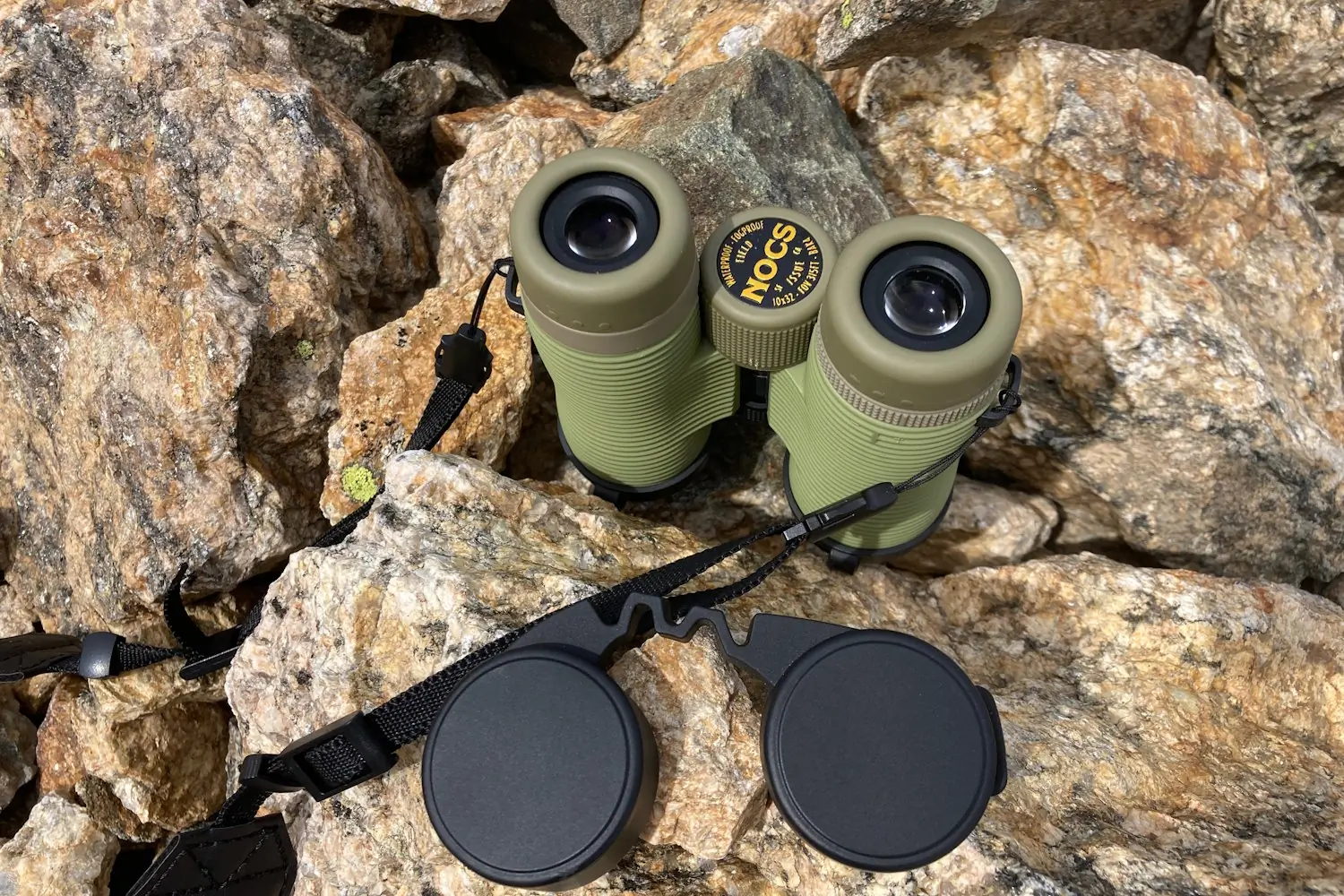
Waterproof binoculars are built tough to handle rough use. They have strong frames made from materials like rubber or metal.
Rubber coatings protect against drops and shocks. The build quality ensures binoculars last longer during SAR missions.
- Rubber armor for shock absorption
- Metal or high-grade plastic frames
- Secure eyecups and lenses
- Weather-resistant seals and joints

Credit: gearjunkie.com
Benefits Of Waterproof Binoculars For Sar
Search and Rescue (SAR) teams often work in tough weather. Rain, fog, and water are common challenges. Waterproof binoculars help teams see clearly in these conditions.
These binoculars also last longer and work well under pressure. They support SAR teams to do their job safely and efficiently.
Reliability In Wet Environments
Waterproof binoculars keep water out, so lenses stay clear. SAR teams can trust their gear during rain or near water. This helps avoid delays and mistakes.
Fog and mist do not affect waterproof binoculars as much. They allow rescuers to spot people or objects from a distance even in bad weather.
Enhanced Longevity
Waterproof binoculars resist water damage inside and out. This makes them last longer than regular binoculars. SAR teams save money by not replacing gear often.
- Sealed lenses prevent moisture buildup
- Durable materials resist rust and corrosion
- Strong construction handles rough use
Improved Performance Under Pressure
Waterproof binoculars perform well in tough conditions. They maintain image quality even when wet or cold. SAR teams can focus on the mission without worrying about gear failure.
These binoculars often have fog-proof features. This means clear views during fast temperature changes. Clear vision helps rescuers find people faster and safer.
Comparing Waterproof And Non-waterproof Models
Search and rescue teams need reliable binoculars for their work. Choosing between waterproof and non-waterproof models is important. This guide compares these two types to help understand their differences.
We will look at cost, performance, and maintenance to see how each type fits the needs of SAR teams.
Cost Considerations
Waterproof binoculars usually cost more than non-waterproof models. This is due to extra materials and sealing to keep water out. SAR teams should think about their budget and how often they will use the binoculars in wet conditions.
| Feature | Waterproof Binoculars | Non-Waterproof Binoculars |
| Price | Higher | Lower |
| Durability | Better in wet conditions | Less resistant to water damage |
| Suitability for SAR | Preferred for all-weather use | Best for dry environments |
Performance Differences
Waterproof binoculars perform well in rain, fog, or snow. They often have fog-proof features inside the lenses. Non-waterproof models may fog up or get damaged by moisture. Clear vision is crucial for SAR teams, so performance in bad weather matters.
- Waterproof models resist water and fog inside lenses.
- Non-waterproof models can fog or let water inside.
- Waterproof models maintain image clarity in harsh weather.
- Non-waterproof models may lose clarity quickly outdoors.
Maintenance Requirements
Waterproof binoculars need less frequent maintenance for water damage. They are easier to clean after use in wet or muddy places. Non-waterproof binoculars require careful cleaning and drying to avoid damage.
- Waterproof binoculars can be rinsed with water safely.
- Non-waterproof models must avoid water contact.
- Regular checks for seals help maintain waterproof models.
- Non-waterproof binoculars need quick drying if wet.

Credit: gearjunkie.com
Selecting The Right Binoculars For Sar Teams
Search and Rescue (SAR) teams need reliable tools to perform well in the field. Binoculars help teams spot distant objects and people in tough conditions.
Choosing the right binoculars is important to ensure good vision and durability during missions.
Key Specifications To Look For
SAR teams should pick binoculars with clear, bright images and strong build quality. Waterproof and fog-proof features protect lenses in wet or cold weather.
- Magnification power suitable for long-range viewing
- Wide field of view to scan large areas
- Durable, shock-resistant body
- Waterproof and fog-proof construction
- Good eye relief for comfortable use with glasses
Balancing Weight And Functionality
Heavy binoculars can tire the user quickly. Lightweight models ease long use but may lack some features.
| Feature | Lightweight Model | Heavy Model |
| Weight | Under 600 grams | Over 800 grams |
| Durability | Moderate | High |
| Optical Quality | Good | Excellent |
| Ease of Use | Easy to carry | More tiring |
User Feedback And Field Testing
Feedback from SAR team members helps find binoculars that work best in real situations. Field tests reveal how they handle weather and rough use.
- Check for clarity in low light
- Test waterproof features in rain
- Evaluate ease of focusing quickly
- Note comfort during long use
- Assess durability after drops or bumps
Case Studies And Real-world Examples
Search and Rescue (SAR) teams often work in harsh environments. Their equipment must be reliable under all conditions. Waterproof binoculars are important tools in many SAR missions.
This section looks at real cases where waterproof binoculars helped or where lack of them caused problems. These examples show why SAR teams consider this gear essential.
Successful Sar Missions With Waterproof Binoculars
In a mountain rescue, a team spotted a stranded hiker using waterproof binoculars during heavy rain. The clear view helped them locate the hiker quickly. This saved valuable time and lives.
Another case involved a coastal search where waterproof binoculars allowed rescuers to scan rough seas. The binoculars’ water resistance kept lenses clear despite spray and fog. The team found a capsized boat survivor faster than expected.
- Rain and fog did not affect vision
- Binoculars stayed functional despite water exposure
- Teams found lost persons more quickly
- Rescue operations became safer and more effective
Lessons From Equipment Failures
In one SAR mission, binoculars without waterproofing fogged up after crossing a wet forest. The team lost valuable time trying to clear the lenses. This delay affected the search area coverage.
Another example shows how binoculars damaged by water caused teams to rely on less effective tools. The lack of clear vision made it harder to spot survivors in open water. This led to a longer and riskier search.
- Non-waterproof gear can fog or fail in wet conditions
- Equipment failure slows down rescue efforts
- Teams must prepare with durable, weatherproof tools
- Proper gear reduces risks for both rescuers and victims
Frequently Asked Questions
Are Waterproof Binoculars Necessary For Sar Teams?
Yes, waterproof binoculars are crucial for SAR teams. They ensure clear vision in wet conditions and harsh environments. This reliability improves search efficiency and safety during rescue operations.
How Do Waterproof Binoculars Enhance Sar Team Performance?
Waterproof binoculars resist water, fog, and dust, providing clear views. They maintain functionality in rain or mist, allowing SAR teams to locate targets faster and work effectively outdoors.
Can Non-waterproof Binoculars Withstand Sar Conditions?
Non-waterproof binoculars risk damage from moisture and weather exposure. They may fog up or malfunction, reducing visibility and reliability during critical SAR missions, making them less ideal for rescue teams.
What Features To Look For In Sar Binoculars?
Choose binoculars with waterproofing, fog-proofing, and durability. Lightweight, high-magnification, and wide field of view also enhance SAR effectiveness. These features support prolonged use and clear observation.
Conclusion
Waterproof binoculars help SAR teams work in tough conditions. Rain, fog, or water should not stop rescue efforts. Clear vision saves time and lives. Teams can trust their gear to perform well. Choosing the right binoculars means better safety and success.
SAR teams need tools that do not fail. Waterproof binoculars are a smart, practical choice. They make searching easier and more reliable. Every second counts in rescue missions. Good equipment supports quick decisions and better results.