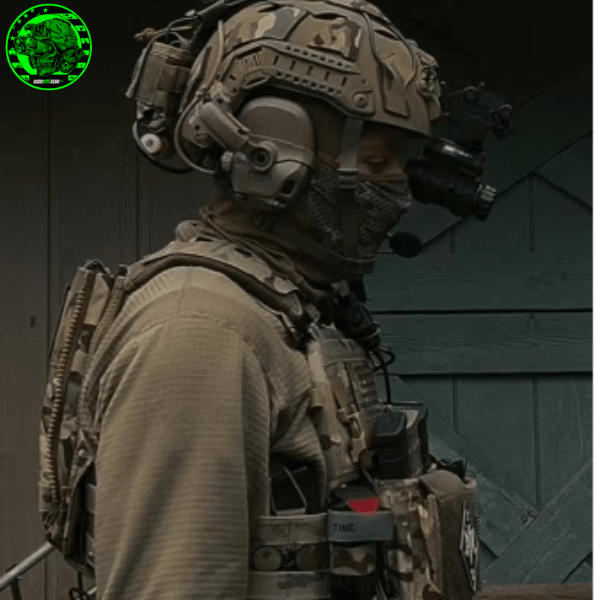
Have you ever wondered if thermal binoculars are part of military gear? Imagine being able to see clearly in complete darkness or through smoke and fog—these powerful tools can do just that.
If you’re curious about how soldiers spot hidden threats and navigate tough environments, understanding thermal binoculars is key. Keep reading to discover how these devices work, why the military relies on them, and what makes them so essential in modern defense.
This could change the way you think about military technology forever.
Credit: www.usnighthawk.com
Thermal Binoculars Basics
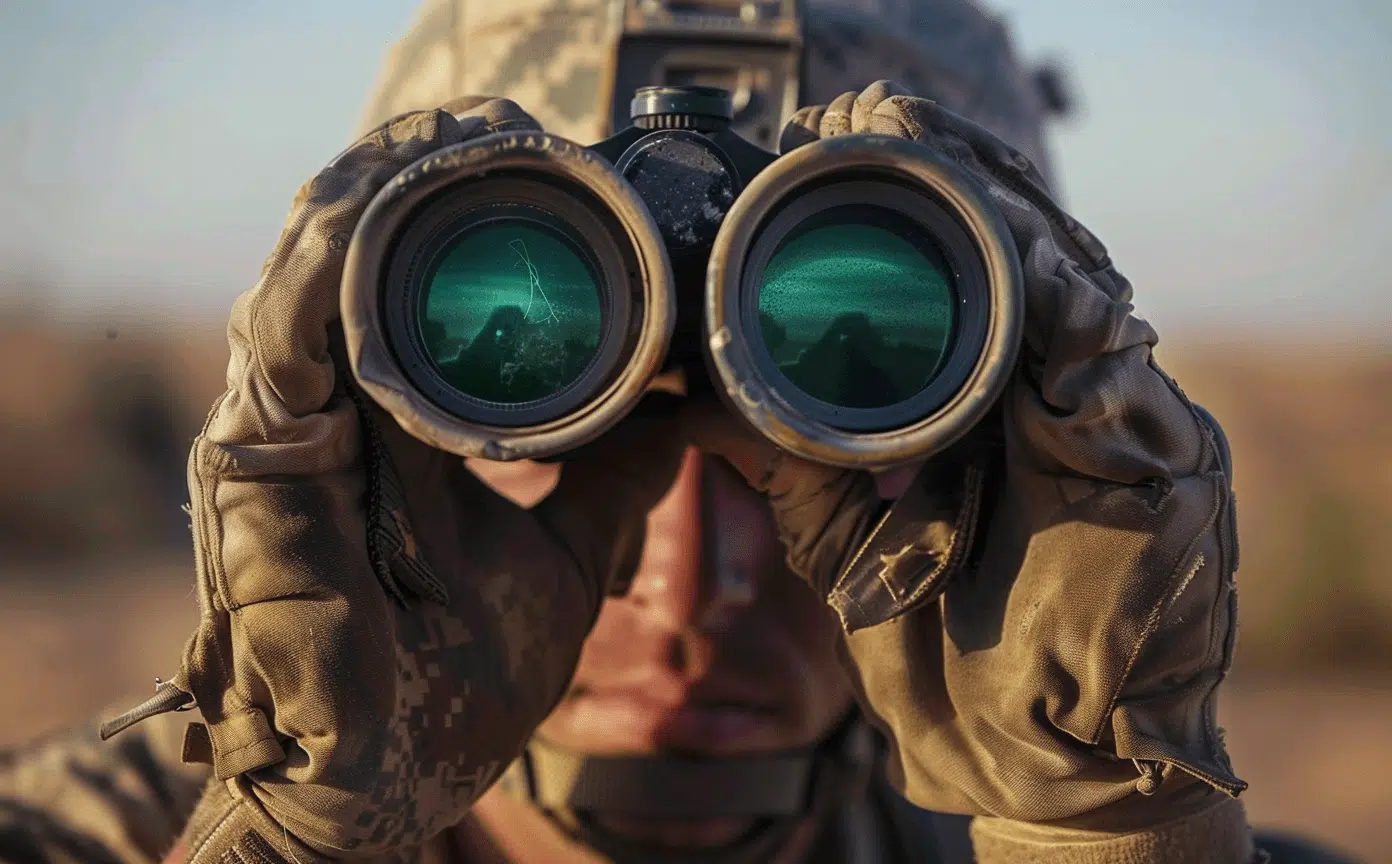
Thermal binoculars are special tools that let you see heat from objects. They help users spot people, animals, or machines in the dark or fog.
These devices are used in many fields, including the military. They improve vision in tough conditions without using visible light.
How Thermal Imaging Works
Thermal imaging detects heat given off by objects. All objects produce some heat, even if you cannot see it.
The binoculars use special sensors to capture this heat and turn it into a picture. The picture shows warmer objects in bright colors and cooler ones in darker shades.
- Heat is detected by infrared sensors
- Sensors convert heat into electronic signals
- Signals create an image showing heat differences
- Users see the image through the binocular lenses
Key Features Of Thermal Binoculars
Thermal binoculars have several important features that make them useful in the field. These features help users see clearly in dark or bad weather.
Some features help with comfort and ease of use, while others improve image quality and detection range.
- High-resolution thermal sensors for clear images
- Long detection range to spot heat sources far away
- Lightweight design for easy carrying
- Durable and weather-resistant body
- Adjustable lenses for focus and zoom
- Battery power for hours of use
- Display screens that show thermal images in real time
Military Gear Components
Military gear includes tools and equipment soldiers need in the field. These items help soldiers stay safe and complete their missions.
One important part of this gear is optical devices. They help soldiers see in tough conditions and at long distances.
Essential Equipment For Soldiers
Soldiers carry many types of equipment. Each has a special role to support their tasks and safety.
- Protective clothing and body armor
- Weapons and ammunition
- Communication devices
- Optical devices like binoculars and scopes
- Survival kits and medical supplies
- Navigation tools such as GPS and maps
Role Of Optical Devices In Combat
Optical devices help soldiers see clearly. They are key for spotting enemies and navigating terrain.
| Type of Optical Device | Purpose | Use in Combat |
| Standard Binoculars | Magnify distant objects | Observation and reconnaissance |
| Thermal Binoculars | Detect heat signatures | Night vision and target detection |
| Scopes | Assist aiming weapons | Improved accuracy in shooting |
Thermal Binoculars In Military Use
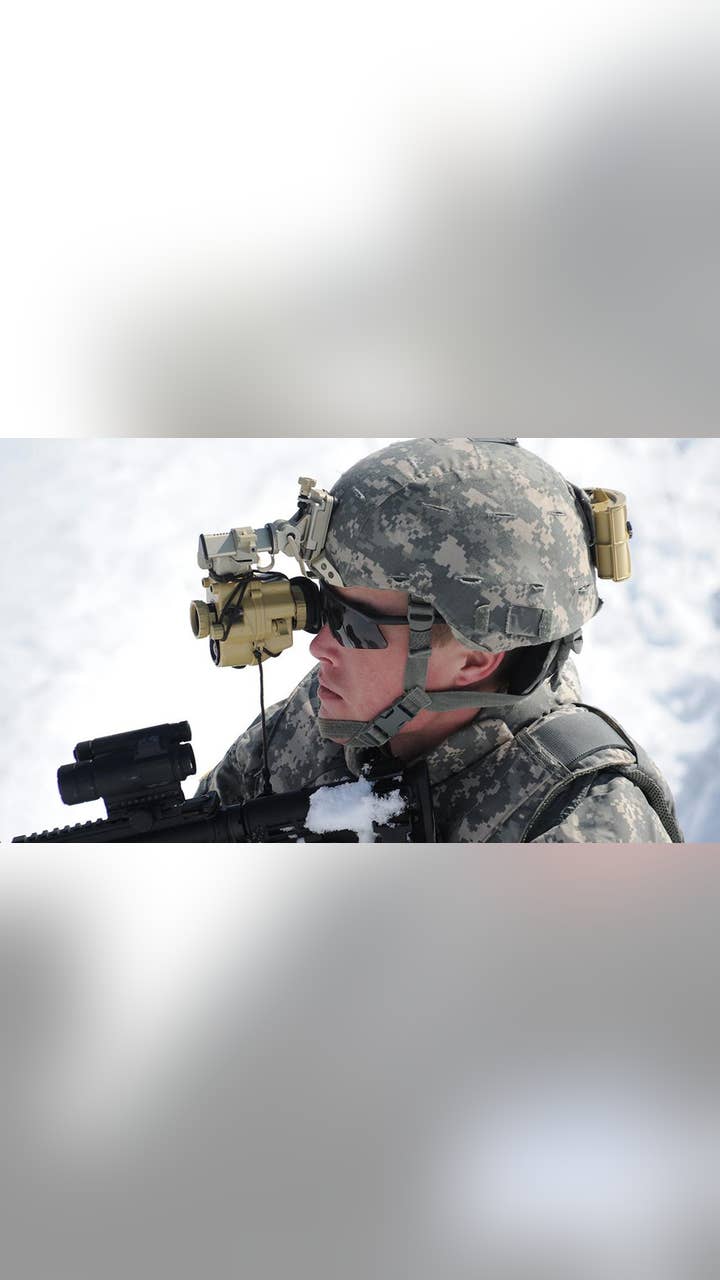
Thermal binoculars help soldiers see heat patterns. They detect heat from objects and living beings.
These devices work well in darkness, fog, and smoke. This makes them useful in many military situations.
Advantages On The Battlefield
Thermal binoculars give soldiers clear views in low visibility. They do not need any light to function.
- Detect enemy movement at night
- Spot hidden threats behind obstacles
- Improve target identification
- Increase safety during patrols
- Support search and rescue missions
Common Military Applications
Armies use thermal binoculars in many ways. They help soldiers and commanders make better decisions.
| Application | Description |
| Night surveillance | Monitor areas without lighting |
| Reconnaissance | Gather information on enemy positions |
| Border patrol | Detect illegal crossings at night |
| Target acquisition | Find and confirm targets for weapons |
| Search and rescue | Locate missing soldiers or civilians |
Credit: www.foxnews.com
Comparing Thermal Binoculars And Night Vision
Thermal binoculars and night vision devices help soldiers see in the dark. Both are common in military gear. Each uses different technology to improve vision at night or in low light.
This article explains the main differences between thermal binoculars and night vision. It also shows how each works in different situations.
Differences In Technology
Thermal binoculars detect heat from objects and show it as an image. They do not need any light to work. Night vision devices use light amplification. They make small amounts of light visible to the human eye.
Thermal works by sensing infrared radiation. Night vision uses image intensifier tubes. This means thermal can work in total darkness or fog. Night vision needs some light, like moonlight or starlight, to function.
- Thermal binoculars detect heat and show temperature differences.
- Night vision amplifies available light to create images.
- Thermal works in total darkness and through smoke or fog.
- Night vision requires some ambient light to function well.
Situational Effectiveness
Thermal binoculars are good for spotting hidden people or animals by their heat. They work well in bad weather and through obstacles like smoke. Night vision is better for recognizing shapes and details in low light.
Soldiers choose devices based on the mission. Thermal helps in search and rescue or detecting enemies in dark areas. Night vision is useful for moving quietly and seeing details without bright lights.
- Thermal is effective in total darkness and bad weather.
- Night vision is better for detailed images in low light.
- Thermal detects heat but may miss fine details.
- Night vision shows shapes but needs some light.
Limitations And Challenges
Thermal binoculars are useful tools in military operations. They help soldiers see heat signatures in the dark or through smoke. Still, these devices have some limits and challenges.
Understanding these issues is important to know if thermal binoculars fit well in military gear. This section explains the main problems soldiers face with these tools.
Operational Constraints
Thermal binoculars work by detecting heat. But they have some limits that affect their use in the field.
- They can be heavy, adding extra load to soldiers.
- Battery life is often short, limiting long missions.
- Weather conditions like rain or fog reduce image quality.
- They do not show details like colors or shapes clearly.
- Training is needed to interpret thermal images correctly.
Cost And Accessibility Issues
Thermal binoculars are expensive devices. This cost affects how many units a military can buy and use.
| Factor | Impact |
| High purchase price | Limits large-scale deployment |
| Maintenance costs | Requires extra budget and technical support |
| Limited suppliers | Can cause delays in getting new devices |
| Specialized training | Needs time and resources to train users |
Civilian Vs Military Thermal Binoculars
Thermal binoculars help people see in the dark using heat signatures. Both civilians and the military use these tools. But their needs are different.
Civilian models focus on ease and cost. Military versions focus on toughness and advanced features.
Design And Durability Differences
Military thermal binoculars are built to survive harsh conditions. They use strong materials and are often waterproof and shockproof.
Civilian binoculars are lighter and less rugged. They work well for casual use like hiking or wildlife watching.
- Military models have tough outer shells and reinforced lenses.
- Civilian models use lighter plastics and simpler designs.
- Military units often meet strict standards for temperature and impact resistance.
- Civilian units focus more on portability and user-friendly controls.
Usage In Law Enforcement And Security
Law enforcement and security teams use thermal binoculars to spot threats in darkness. They need clear images and fast response times.
Military binoculars suit these tasks well. They provide sharp images and work in tough environments. Civilian models are less common in these roles.
- Police use thermal binoculars for surveillance and search missions.
- Security guards monitor large areas at night.
- Military gear offers extra features like range finding and night vision integration.
- Civilian gear is more for hobbyists and outdoor explorers.

Credit: mssdefence.com
Frequently Asked Questions
Are Thermal Binoculars Used In Military Operations?
Yes, thermal binoculars are widely used in military operations. They enhance night vision and detect heat signatures. This technology helps soldiers identify targets in low visibility and harsh environments, improving mission success and safety.
What Advantages Do Thermal Binoculars Offer Soldiers?
Thermal binoculars provide clear images in darkness and fog. They detect heat from people, vehicles, and equipment. This capability improves reconnaissance, surveillance, and tactical decisions on the battlefield.
Are Thermal Binoculars Standard Issue In Military Gear?
Thermal binoculars are often part of specialized military gear but not always standard issue. Their use depends on mission type and unit requirements, especially for reconnaissance and special forces.
Can Civilians Legally Own Military-grade Thermal Binoculars?
Yes, civilians can own thermal binoculars, but some models may require permits. Laws vary by country, so users must check local regulations before purchasing military-grade devices.
Conclusion
Thermal binoculars play a crucial role in military operations. Their technology helps soldiers see in the dark. This ability increases their safety and effectiveness. Thermal imaging detects heat, revealing hidden threats. Soldiers rely on these tools in challenging environments. They offer a tactical edge in combat.
As technology evolves, these devices become more important. Understanding their use helps appreciate their military value. Thermal binoculars are essential gear. They support soldiers in critical missions. Their benefits are clear and vital. Military operations often depend on them. Knowing their role enriches our understanding of modern warfare.