Have you ever wondered if roof prism binoculars are the go-to choice for scientists? You might think these compact, sleek devices are just for bird watchers or sports fans.
But what if your next scientific observation tool is already within reach? You’ll discover how roof prism binoculars play a surprising role in scientific research. Keep reading to find out why these binoculars might be exactly what you need for clear, precise viewing in your own work or hobby.
Credit: www.ecoptik.net
Roof Prism Binoculars Basics
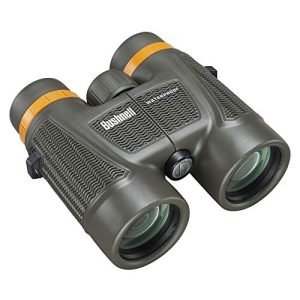
Roof prism binoculars are a popular type of binocular used in many fields. They have a straight shape that makes them easy to hold and carry.
These binoculars are often used by scientists for observing nature and distant objects. Their design helps provide clear and sharp images.
Design And Structure
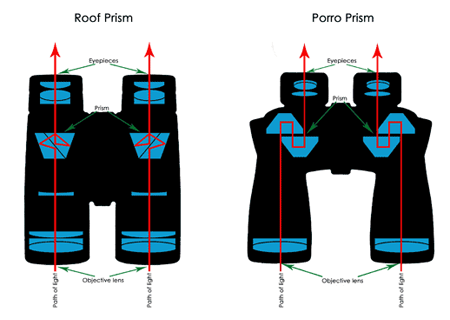
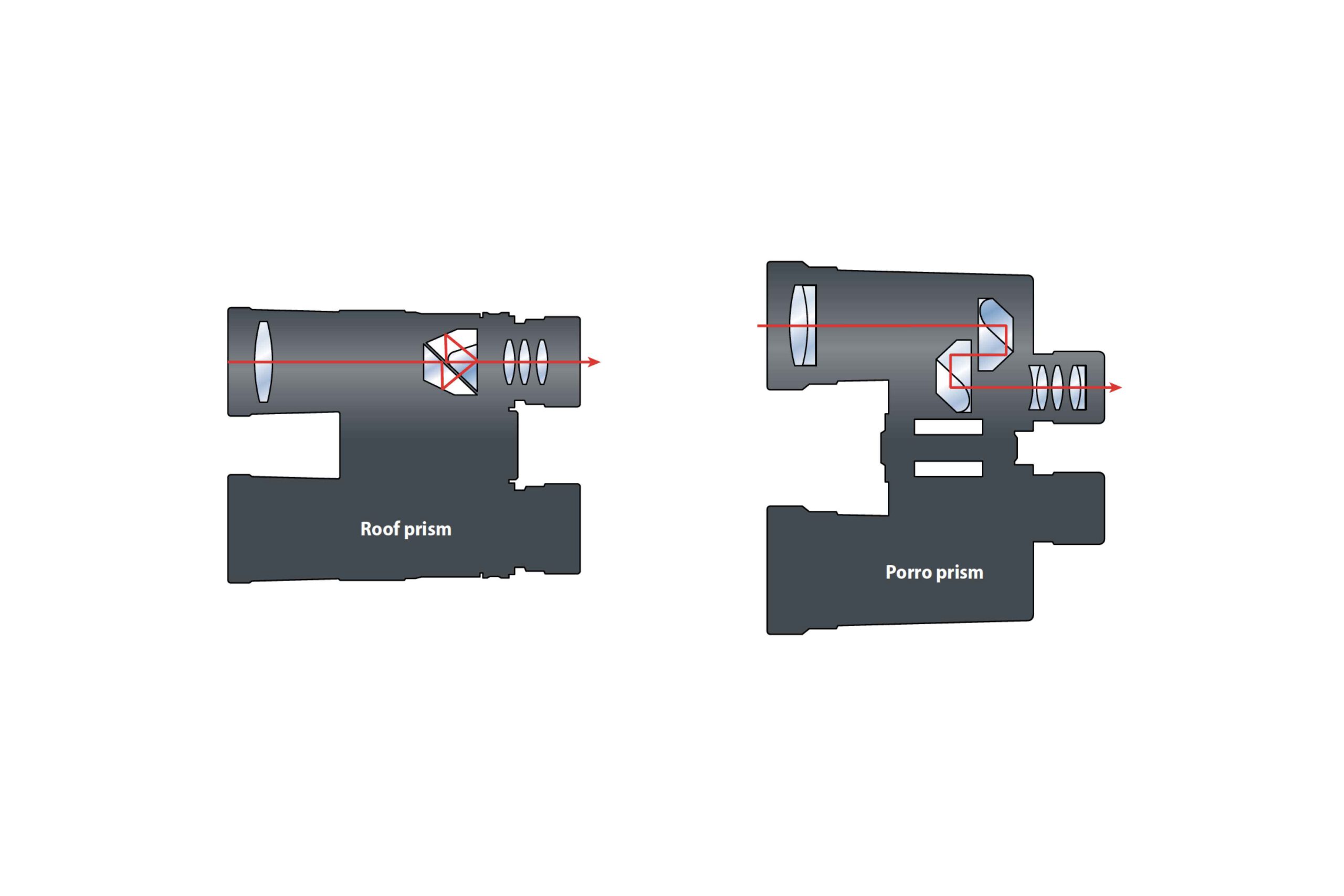
Roof prism binoculars use a special prism system called the roof prism. This system aligns the light path in a straight line. It makes the binoculars compact and slim.
The prisms are shaped like a roof, which is why they get their name. The design allows the binoculars to have eyepieces and objective lenses in a straight line.
Advantages Over Porro Prisms
Roof prism binoculars are smaller and lighter than Porro prism binoculars. This makes them easier to carry during fieldwork.
They also offer better protection against dust and water. The straight design means fewer moving parts are exposed.
- Compact and lightweight for easy use
- Straight shape fits comfortably in hands
- More durable and weather-resistant
- Produces sharp and clear images
Credit: www.astronomy.com
Scientific Fields Using Binoculars
Binoculars help scientists see distant objects clearly. Roof prism binoculars are popular for their compact design and good image quality. Many scientific fields use binoculars to observe details in nature and space.
These tools support research and observation in various environments. Scientists rely on binoculars for both close and far viewing tasks.
Astronomy And Birdwatching
Astronomers and birdwatchers use roof prism binoculars to view stars and birds. The binoculars help in seeing small details from far away with less distortion.
- Astronomers observe the moon, planets, and star clusters.
- Birdwatchers identify species by watching flight patterns and colors.
- Roof prism design offers a slim and sturdy shape for outdoor use.
Environmental Research
Scientists studying the environment use binoculars to monitor ecosystems. Roof prism binoculars help track changes in plant growth and water bodies.
| Research Focus | Use of Binoculars |
| Plant Monitoring | Observe leaf health and flowering |
| Water Quality | Watch water flow and clarity |
| Pollution Tracking | Spot litter and chemical spills |
Wildlife Observation
Wildlife researchers use roof prism binoculars to study animal behavior. These binoculars provide a clear view even in dense forests or low light.
Common uses include:
- Tracking animal movements over large areas.
- Identifying species without disturbing them.
- Recording behaviors for data collection.
Why Scientists Choose Roof Prism Binoculars
Scientists need reliable tools for observing nature and distant objects. Roof prism binoculars offer features that meet these needs. They are popular in many scientific fields.
This article explains why roof prism binoculars are a top choice. Their design, strength, and image quality help scientists in their work.
Compact And Lightweight Design
Roof prism binoculars have a straight shape. This design makes them smaller and easier to carry. Scientists often work outdoors and need lightweight gear. These binoculars fit well in backpacks without adding much weight.
- Easy to hold for long periods
- Fits in small spaces
- Good for travel and fieldwork
- Less tiring to use
Durability And Weather Resistance
Scientists often work in tough environments. Roof prism binoculars are built to be strong and weatherproof. They resist water and dust, which protects the lenses and internal parts. This durability means scientists can trust them in rain, snow, or dust storms.
| Feature | Benefit for Scientists |
| Waterproof Coating | Works in wet conditions |
| Shock Resistant | Survives drops and bumps |
| Fog Proof | Clear view in cold weather |
| Sealed Body | Blocks dust and dirt |
Image Quality And Precision
Clear and sharp images are crucial for scientific observation. Roof prism binoculars use advanced optics to reduce image distortion. They offer good color accuracy and brightness. This allows scientists to see fine details clearly, which is important for study and research.
- High resolution lenses
- Sharp focus on distant objects
- Minimal color blur
- Steady and clear view

Credit: www.wikiwand.com
Limitations In Scientific Use
Roof prism binoculars are popular for many uses. Scientists use them sometimes, but there are limits. These limits affect how well roof prism binoculars work in scientific tasks.
We will look at two main limits: cost and field conditions. Each can reduce the binoculars’ usefulness for science.
Cost Considerations
Roof prism binoculars cost more than some other types. Their design needs precise alignment and special coatings. This raises the price.
- High-quality roof prism binoculars can be expensive
- Scientists may need many pairs for group work
- Budget limits may force using cheaper, less accurate models
- Maintenance and repair costs are also higher
Field Conditions And Equipment Needs
Fieldwork in science can be tough. Weather and terrain affect binoculars. Roof prism models need care to work well outdoors.
| Field Condition | Effect on Roof Prism Binoculars | Scientific Impact |
| Rain and Humidity | Can fog lenses without proper sealing | Blurs images, reduces data accuracy |
| Rough Handling | May misalign prisms | Causes image distortion |
| Low Light | Roof prism design may reduce brightness | Limits observation in dawn or dusk |
Alternatives To Roof Prism Binoculars
Scientists use many types of optical tools to observe nature. Roof prism binoculars are popular but not the only choice. Different tools suit different needs and conditions.
Here are some common alternatives to roof prism binoculars that scientists often use for their work.
Porro Prism Binoculars
Porro prism binoculars have a wider body and a zigzag shape. This design offers better depth perception and a wider field of view. Scientists like them for bird watching and field studies.
They tend to be heavier and bulkier than roof prism binoculars but provide brighter images at a lower cost.
- Better depth perception
- Wider field of view
- Brighter images in low light
- Heavier and bulkier
Spotting Scopes And Telescopes
Spotting scopes and telescopes give higher magnification than binoculars. Scientists use them to study distant objects like stars or wildlife. These tools are often mounted on tripods for stability.
They are not as portable as binoculars but offer much clearer views at long distances.
- Higher magnification power
- Used for astronomy and wildlife study
- Usually tripod mounted
- Less portable than binoculars
Future Trends In Optical Instruments For Science
Scientists use many optical instruments to study the world. These tools help them see things far away or very small. Roof prism binoculars are one example used in some fields.
Optical instruments keep improving. New trends are making these tools better for research and discovery.
Technological Innovations
Optical instruments now use new technology to improve vision. Lens materials are clearer and stronger. This helps scientists see images with less blur.
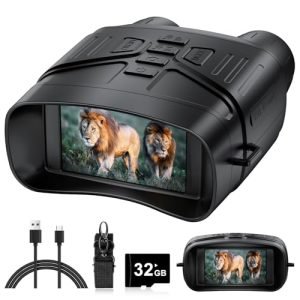
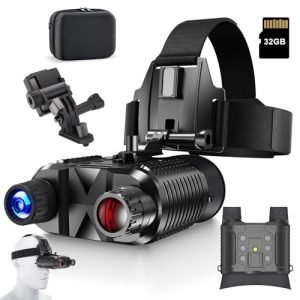
Digital features like image stabilization and night vision are becoming common. These help scientists work in tough conditions or low light.
- Better lens coatings to reduce glare
- Lightweight and durable materials
- Integration with digital cameras and sensors
- Wireless data transfer for easy sharing
Enhanced Features For Researchers
Scientists need tools with precise control and clear images. Optical instruments now offer zoom controls that are easy to use. They also have focus systems that adjust quickly.
Some binoculars and scopes include GPS and mapping features. This helps scientists track locations and record data accurately.
- Ergonomic designs for long use
- Improved waterproof and fog-proof features
- Smart sensors that adjust to light changes
- Data logging to record observations
Frequently Asked Questions
Are Roof Prism Binoculars Ideal For Scientific Research?
Yes, roof prism binoculars are ideal for scientific research. They offer compact design, durability, and high-quality optics. Scientists often use them for field studies, wildlife observation, and environmental monitoring due to their precise image clarity and ease of use.
Why Do Scientists Prefer Roof Prism Binoculars?
Scientists prefer roof prism binoculars for their lightweight and streamlined shape. These binoculars provide excellent image stability and brightness. Their rugged build ensures reliable performance in various outdoor conditions, making them perfect for scientific observations.
Can Roof Prism Binoculars Enhance Wildlife Studies?
Absolutely, roof prism binoculars enhance wildlife studies by delivering clear, sharp images. They allow scientists to observe animals discreetly from a distance. Their superior optical performance aids in detailed behavioral and ecological research.
Do Roof Prism Binoculars Support Long-term Fieldwork?
Yes, roof prism binoculars support long-term fieldwork with their robust construction. They are often waterproof and fog-resistant, ensuring durability in harsh environments. This reliability makes them a favored choice among scientists during extended outdoor research.
Conclusion
Scientists often rely on roof prism binoculars. Their compact design is a key advantage. These binoculars offer clear images, crucial for detailed observations. Many scientific fields benefit from their precision. Easy to carry, they suit fieldwork perfectly. Durability makes them a long-term investment.
Different models cater to various scientific needs. Choosing the right pair enhances research quality. Roof prism binoculars remain a valuable tool. They support scientists in diverse environments. Their role in science is significant and ongoing. Ideal for both beginners and experts.
An essential part of many scientific toolkits.