Are you wondering if roof prism binoculars can handle the heat and humidity of tropical climates? Choosing the right binoculars is key to enjoying clear, sharp views without worrying about damage or fogging.
You’ll discover how roof prism binoculars perform under tropical conditions and what features to look for to protect your gear. Keep reading to find out if these binoculars are the perfect match for your tropical adventures.
Roof Prism Binoculars Basics
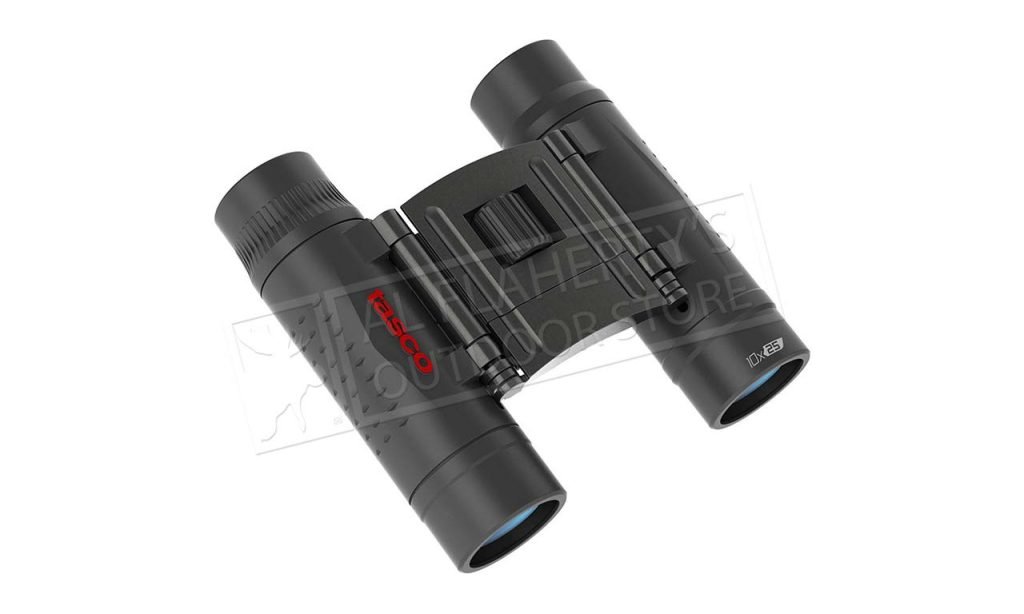
Roof prism binoculars use a straight-line design. This makes them more compact and easy to carry.
They are popular for outdoor use. People wonder if they work well in tropical climates.
Design And Structure
Roof prism binoculars have prisms aligned in a straight path. This creates a slim, streamlined shape.
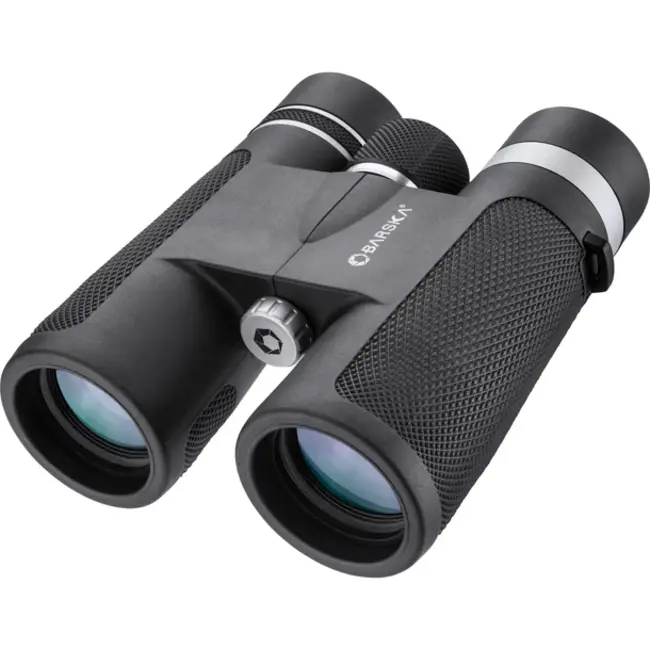
The body is often sealed and coated. This helps protect against moisture and dust in tropical areas.
Advantages Over Porro Prisms
Roof prism binoculars are smaller and lighter than Porro prism types. This makes them easier to handle in hot, humid climates.
They usually have better sealing to stop water and fog. This is important in tropical weather.
- Compact and easy to carry
- Better resistance to moisture
- Durable in humid conditions
- Sleek design reduces dirt build-up

Credit: alflahertys.com
Challenges In Tropical Climates
Roof prism binoculars face several challenges in tropical climates. The environment can affect their performance and durability.
Understanding these challenges helps in choosing the right binoculars for tropical use.
Humidity And Moisture Effects
Tropical climates have high humidity and frequent rain. Moisture can cause fogging inside the lenses. It also may lead to mold growth on the optics.
- Fogging reduces visibility and image clarity.
- Mold damages lens coatings and glass.
- Moisture can corrode metal parts.
- Seals may weaken, allowing more water inside.
Temperature Fluctuations
Tropical areas can have quick temperature changes. These shifts can affect the binoculars’ materials and performance.
| Effect | Description |
| Expansion and Contraction | Materials expand or shrink, causing misalignment. |
| Seal Damage | Seals may crack, allowing dust and moisture inside. |
| Lens Fogging | Condensation forms when moving between temperatures. |
Dust And Debris Impact
Tropical environments often have dust and small debris. These particles can scratch lenses and block moving parts.
- Dust reduces image clarity.
- Debris can jam focus mechanisms.
- Regular cleaning is needed to maintain function.
- Proper storage helps protect from dust.
Roof Prism Durability In Tropics
Roof prism binoculars are popular for their compact design. Their durability is important in tropical climates. Tropical areas have heat, humidity, and rain. These factors can affect binocular performance.
Choosing binoculars that handle tropical weather helps maintain clear views. This article looks at key durability features for roof prism binoculars in the tropics.
Waterproof And Fogproof Features
Waterproof binoculars prevent water from entering the lenses and body. Rain and humidity are common in tropical climates. Fogproof design stops inside fog when temperature changes.
Many roof prism binoculars use special seals and gases to keep moisture out. This keeps the view clear and the optics safe.
- Rubber seals block water entry
- Nitrogen or argon gas stops fog inside
- Waterproof rating shows protection level
Corrosion Resistance
Humidity and salty air in tropical areas cause corrosion. Corrosion can damage metal parts of binoculars. Roof prism binoculars with corrosion-resistant materials last longer.
Coated metals and stainless steel parts resist rust. This keeps binoculars working well after heavy use in tropical weather.
- Use of stainless steel or aluminum
- Protective coatings on metal parts
- Regular cleaning helps prevent corrosion
Lens Coatings And Protection
Lens coatings improve light transmission and reduce glare. Tropical sunlight is strong and can affect lens quality. Good coatings protect lenses from scratches and dirt.
Some lenses have extra layers to resist water and oil. This keeps lenses clear and easier to clean in tropical conditions.
- Anti-reflective coatings improve brightness
- Scratch-resistant layers protect lenses
- Water-repellent coatings reduce smudges
Credit: www.sasonline.ca
Performance Factors To Consider
Roof prism binoculars are popular for their compact design and sharp images. Choosing the right pair for tropical climates needs careful thought. Tropical weather can affect how well binoculars work and last.
Let’s look at key factors that influence performance in hot and humid areas. These will help decide if roof prism binoculars suit your needs in such climates.
Optical Clarity And Brightness
Clear and bright images are important for any binoculars. Tropical climates often have strong sunlight and dense foliage. Roof prism binoculars with good lens coatings reduce glare and improve brightness.
- Look for binoculars with fully multi-coated lenses
- Choose models with wide objective lenses for more light
- Prism glass type affects image sharpness and color
- Waterproof and fog-proof features help maintain clarity
Weight And Handling
Tropical climates often mean long outdoor use and humid conditions. Lightweight binoculars reduce hand fatigue and are easier to carry during hikes or bird watching.
| Factor | Consideration |
| Weight | Choose under 800 grams for comfort |
| Grip | Non-slip rubber coating helps in wet conditions |
| Size | Compact models fit better in bags and pockets |
| Balance | Well-balanced design prevents wrist strain |
Maintenance Requirements
High humidity and heat in tropical areas can cause damage over time. Proper maintenance keeps roof prism binoculars working well. Regular care is needed to avoid mold, dust, and corrosion.
- Store in a dry, ventilated place after use
- Use silica gel packs to absorb moisture
- Clean lenses with a soft, dry cloth only
- Check seals and coatings regularly for damage
- Avoid exposing binoculars to direct sunlight for long periods
Top Roof Prism Binoculars For Tropics
Roof prism binoculars are popular for their compact design and durability. Many people wonder if they are good for tropical climates. The tropics have high humidity and heavy rains.
Choosing binoculars made with weather-resistant materials is important. Roof prism models often have sealed bodies to keep moisture out. This makes them a good option for tropical use.
Popular Models And Brands
Several brands offer roof prism binoculars designed for tough environments. These models have coatings to prevent fogging and are built to resist water and dust.
- Nikon Monarch 5 – Known for waterproof and fog-proof features.
- Vortex Diamondback – Durable and offers good image clarity.
- Zeiss Terra ED – Lightweight with excellent lens coatings.
- Celestron Nature DX – Affordable and weather-sealed for outdoor use.
- Leica Trinovid – Compact with strong construction for harsh conditions.
User Reviews And Feedback
Users in tropical areas share their experiences with roof prism binoculars. Most agree that waterproofing and fog resistance are key features.
| Model | Waterproof | Fog Proof | User Rating (out of 5) | Comments |
| Nikon Monarch 5 | Yes | Yes | 4.7 | Clear images even in heavy rain. |
| Vortex Diamondback | Yes | Yes | 4.5 | Strong build, good grip in humid conditions. |
| Zeiss Terra ED | Yes | Yes | 4.6 | Lightweight and easy to carry all day. |
| Celestron Nature DX | Yes | Yes | 4.3 | Good value, performs well in rain. |
| Leica Trinovid | Yes | Yes | 4.8 | Excellent clarity and rugged design. |

Credit: alflahertys.com
Tips For Using Binoculars In Tropics
Using binoculars in tropical climates needs special care. The warm and humid air can affect your gear.
Proper handling helps keep your binoculars working well in the tropics.
Storage And Care
Store binoculars in a dry place after use. Use a protective case to avoid dust and damage.
Check for dirt or water on lenses before storing. Clean with a soft cloth to keep lenses clear.
- Keep binoculars away from direct sunlight for long periods.
- Use silica gel packs in the storage case to absorb moisture.
- Open the case regularly to air out the binoculars.
Preventing Mold And Mildew
Mold grows fast in humid climates. It can damage lenses and internal parts.
| Preventive Action | Why It Helps |
| Dry binoculars thoroughly after use | Stops moisture buildup |
| Store with moisture absorbers | Keeps inside dry |
| Use anti-fungal sprays carefully | Prevents mold growth |
| Regularly inspect for mold spots | Early detection |
Field Usage Best Practices
Use lens covers when not looking through binoculars. This keeps dirt and rain off the lenses.
- Carry binoculars in a padded case with a shoulder strap.
- Avoid touching lenses with fingers to prevent smudges.
- Wipe lenses gently with a microfiber cloth if dirty.
- Keep binoculars away from heavy rain and direct contact with water.
- Allow binoculars to adjust to outdoor temperature before use.
Frequently Asked Questions
Are Roof Prism Binoculars Waterproof For Tropical Climates?
Yes, many roof prism binoculars are waterproof and fog-proof. This makes them suitable for humid and rainy tropical environments. Always check the product specifications for waterproof ratings before purchasing.
Do Roof Prism Binoculars Resist Humidity And Mold?
High-quality roof prism binoculars often have nitrogen or argon purging. This prevents internal fogging and reduces mold growth in tropical climates. Proper sealing is essential for durability in humid conditions.
Are Roof Prism Binoculars Lightweight For Tropical Use?
Roof prism binoculars are generally compact and lightweight. This makes them easy to carry during outdoor activities in tropical regions. Their design balances portability and optical performance effectively.
How Durable Are Roof Prism Binoculars In Harsh Tropical Weather?
Roof prism binoculars with rubber coatings and sealed bodies offer good durability. They can withstand rain, heat, and humidity typical of tropical climates. Quality construction ensures long-term use under tough conditions.
Conclusion
Roof prism binoculars work well in tropical climates with proper care. Their sturdy design resists moisture and fogging. Cleaning them regularly helps maintain clear views. Choose models with waterproof and anti-fog features. These binoculars offer sharp images in humid environments.
They suit birdwatching, hiking, and outdoor adventures. Just remember to store them in dry places. This keeps lenses safe and extends their life. Overall, roof prism binoculars can be a reliable choice under tropical weather.