When you’re choosing binoculars, sharpness is key. You want clear, crisp images that bring every detail to life.
But with so many options out there, it’s easy to get confused—especially between roof prism and Porro prism binoculars. You might be wondering, “Are roof prism binoculars really sharper than Porro prism? ” This question matters because your choice affects what you see and how much you enjoy your outdoor adventures.
Keep reading, and you’ll discover the truth behind these two popular styles, helping you pick the perfect binoculars for your needs.
Roof Prism Binoculars Basics
Roof prism binoculars are popular for their straight design. They are more compact than other types.
These binoculars use a special prism system to reflect light and create clear images.
Design And Structure
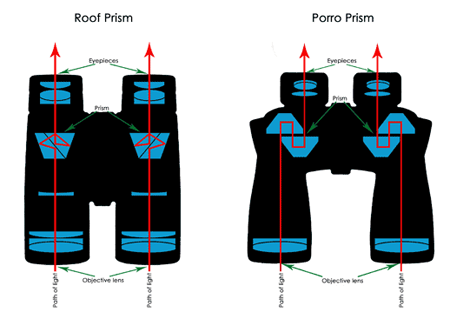
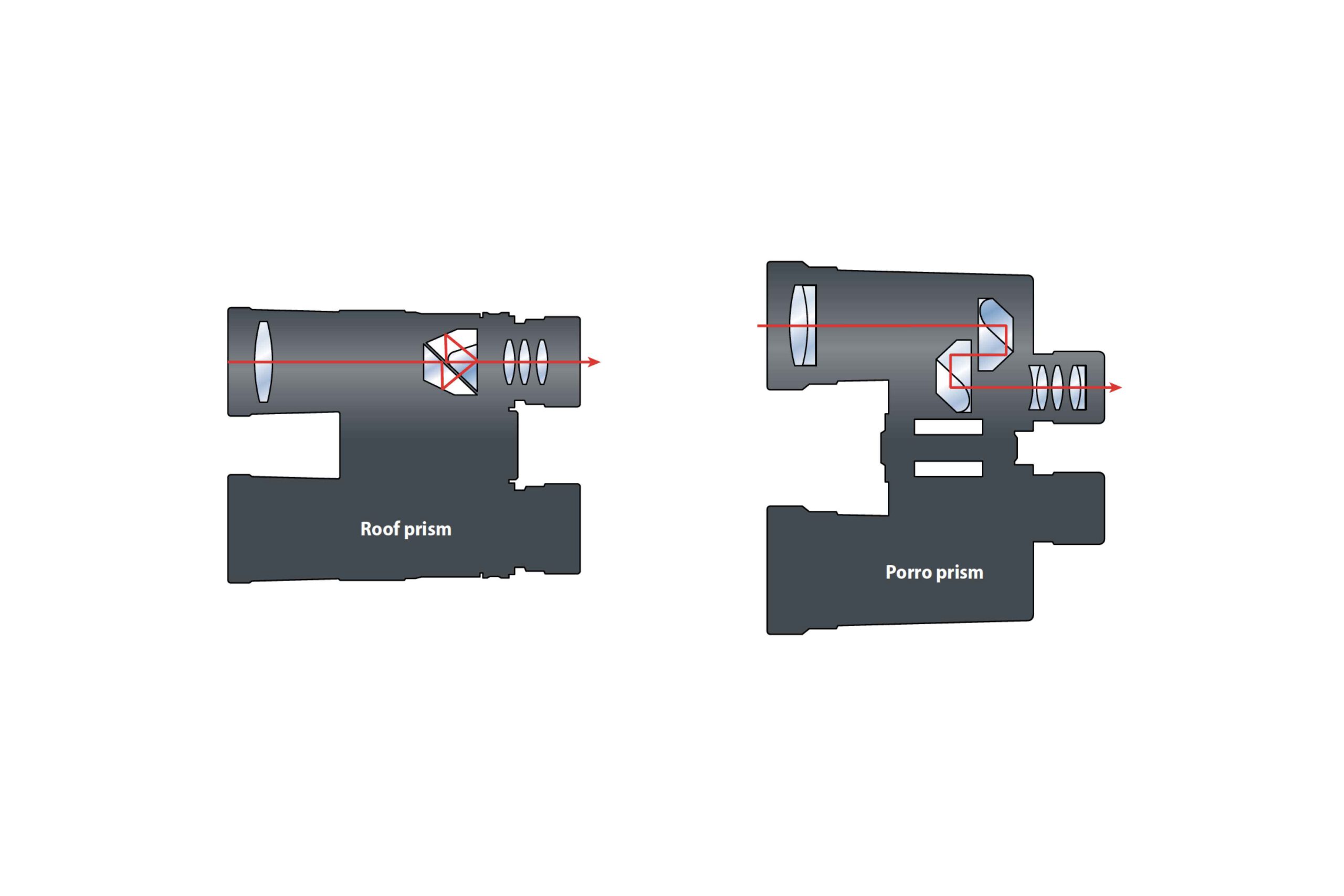
Roof prism binoculars have a straight barrel shape. The prisms inside are aligned in a straight line.
- The prisms are small and roof-shaped.
- This design makes the binoculars easier to hold.
- They are often waterproof and fog proof.
- The straight design helps with lens alignment.
Common Uses
Roof prism binoculars are good for many activities. Their shape and size make them very handy.
| Activity | Reason |
| Bird Watching | Lightweight and easy to carry |
| Hiking | Compact size fits in backpacks |
| Sports Events | Good image clarity and focus |
| Hunting | Durable and weather resistant |
Credit: mohonkpreserve.medium.com
Porro Prism Binoculars Features
Porro prism binoculars have been popular for many years. They use a special design to show clear images.
These binoculars differ from roof prism models in shape and lens arrangement. They often provide good depth and brightness.
Distinctive Shape
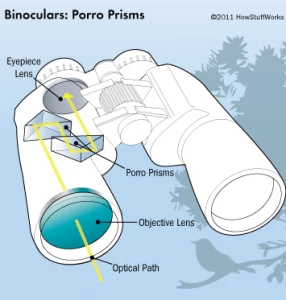
Porro prism binoculars have a zigzag shape. The eyepieces and objective lenses are offset from each other.
This shape makes the binoculars wider than roof prism types. It helps lenses capture more light and show better depth.
- Wider body with a stepped design
- Eyepieces and lenses not aligned in a straight line
- Often bulkier but sturdier
- Better light gathering in many models
Typical Applications
Porro prism binoculars are common in outdoor activities. They work well in low light and for long viewing sessions.
People use these binoculars for birdwatching, hunting, and nature observation. They are also good for casual stargazing.
- Birdwatching due to good image depth
- Hunting for clear, bright views
- Hiking and camping use
- General outdoor observation
Sharpness Comparison Factors
Sharpness in binoculars depends on several key factors. Roof prism and Porro prism designs differ in some ways that affect sharpness.
We will look at optical clarity, lens quality, and coatings to understand which design may offer sharper views.
Optical Clarity
Optical clarity refers to how clear and detailed the image appears. Roof prism binoculars often have a straighter light path, which can reduce distortions.
Porro prism binoculars use an offset prism system that can increase the field of view and sometimes improve depth perception.
- Roof prisms offer compact design with good alignment.
- Porro prisms can provide wider image separation.
- Both types can achieve high clarity with quality components.
Lens Quality
The quality of the lenses impacts sharpness greatly. High-quality glass reduces blurring and color fringing in both prism types.
| Lens Feature | Impact on Sharpness |
| Glass Type | Better glass yields clearer images |
| Precision Grinding | Improves focus and reduces distortions |
| Lens Size | Affects brightness and detail visibility |
Coatings And Materials
Coatings on lenses and prisms reduce glare and increase light transmission. This enhances sharpness by improving contrast and brightness.
- Fully multi-coated lenses transmit more light.
- Phase correction coatings improve roof prism sharpness.
- High-quality materials prevent image distortion.
Credit: www.astronomy.com
Advantages Of Roof Prism
Roof prism binoculars use a straight-line design. This design makes them different from Porro prism binoculars.
They offer several benefits that many users prefer. These benefits include compact size and strong build quality.
Compactness And Portability
Roof prism binoculars are smaller and lighter than Porro prism models. Their straight design allows for easy carrying.
These binoculars fit well in backpacks and bags. You can take them on hikes or trips without much effort.
- Smaller size makes them easy to hold
- Lightweight design reduces hand fatigue
- Fits in smaller carrying cases
Durability
The roof prism design has fewer exposed parts. This makes the binoculars stronger and less likely to break.
They often have sealed bodies that resist water and dust. This helps them work well in tough weather.
- Stronger body resists impacts
- Waterproof and fog-proof options available
- Less chance of parts misalignment
Advantages Of Porro Prism
Porro prism binoculars have a unique design that many users prefer. They offer some clear benefits over roof prism models.
These benefits include better depth perception and cost-effectiveness. Let’s explore these features in detail.
Depth Perception
Porro prism binoculars have an offset design. This means the lenses are wider apart than in roof prism models.
The wider lens spacing improves depth perception. Users can see a more three-dimensional view of objects.
- Better 3D effect helps judge distances more accurately
- Improved spatial awareness in outdoor activities
- More natural and clear viewing experience
Cost-effectiveness
Porro prism binoculars often cost less than roof prism models. Their design is simpler and easier to produce.
This lower cost does not always mean lower quality. Many Porro prism binoculars offer excellent optical performance.
- Lower manufacturing costs lead to affordable prices
- Good option for beginners or casual users
- High value for the price paid
Common Misconceptions
Many people wonder if roof prism binoculars are sharper than porro prism ones. This topic has many myths and wrong ideas. Understanding these misconceptions helps you choose better.
Both roof and porro prism binoculars have good image quality. The sharpness depends on many factors, not just the prism type.
Roof Prism Binoculars Always Have Sharper Images
Some believe roof prism binoculars always give sharper images. This is not true. Sharpness depends on lens quality, coatings, and design.
Roof prism design is compact and straight, but it does not guarantee sharper views. Good porro prisms can be very sharp too.
Porro Prism Binoculars Are Outdated And Less Clear
People think porro prism binoculars are old and less clear. This idea is false. Porro prisms often provide a wider field of view.
Porro prism binoculars usually have better depth perception. They can offer very sharp images if made well.
Prism Type Is The Only Factor For Image Sharpness
Many assume that the prism type alone defines sharpness. Sharpness also depends on lens glass, coating quality, and alignment.
Even the best prism cannot fix poor lens quality. Good construction matters more than just prism style.
Roof Prism Binoculars Are Always More Expensive Because They Are Better
Roof prism binoculars usually cost more. Some think this means they are always better. Price reflects design and materials, not just sharpness.
Porro prism binoculars can offer excellent sharpness at lower prices. Expensive roof prisms may focus on compactness and durability.
Choosing Based On Use
Choosing between roof prism and porro prism binoculars depends on how you plan to use them.
Each prism type has strengths that suit different activities.
Bird Watching
Bird watchers need sharp images and good depth perception to see details clearly.
- Porro prism binoculars give wider views and better depth.
- Roof prism binoculars are lighter and easier to carry.
- Porro prisms often offer better image sharpness for the price.
- Roof prisms have a more compact shape for long walks.
Hiking And Travel
When hiking or traveling, size and weight matter a lot.
Roof prism binoculars are smaller and fit better in backpacks.
| Feature | Roof Prism | Porro Prism |
| Size | Compact | Bulkier |
| Weight | Lightweight | Heavier |
| Durability | Better sealed | Less sealed |
| Sharpness | Good | Very Good |
Astronomy
Astronomy needs binoculars that show sharp stars and wide skies.
Consider these points for astronomy:
- Porro prisms deliver better brightness and sharpness for star details.
- Roof prisms are easier to hold steady for long sky sessions.
- Both types work well if the lens size is large.

Credit: zarimex.eu
Frequently Asked Questions
Are Roof Prism Binoculars Sharper Than Porro Prism?
Roof prism binoculars often offer sharper images due to advanced coatings and precise alignment. Porro prisms can have slight distortions but provide better depth perception. Sharpness depends on build quality, not just prism type.
What Are The Main Differences Between Roof And Porro Prisms?
Roof prisms are compact with straight barrels, ideal for portability. Porro prisms have a wider shape, offering better depth and wider field of view. Each suits different uses based on size and image quality preferences.
Do Roof Prism Binoculars Cost More Than Porro Prism?
Yes, roof prism binoculars typically cost more due to complex manufacturing. Porro prism models are generally more affordable and provide good optical performance for the price.
Which Prism Type Offers Better Light Transmission?
Roof prisms usually have slightly lower light transmission due to more glass-air surfaces. Porro prisms allow more light, resulting in brighter images especially in low light conditions.
Conclusion
Roof prism binoculars often offer a more compact design. Porro prism binoculars usually provide wider depth and better brightness. Sharpness depends on lens quality, not just prism type. Both types serve different needs well. Choose based on your activity and comfort.
Clear images come from good glass and coatings. Your choice affects ease of use and image clarity. Think about what matters most to you. Both can deliver sharp views in the right conditions. The best binocular matches your personal preferences.