When you’re preparing for a safari, choosing the right binoculars can make all the difference. You want clear views of wildlife from a distance without carrying bulky gear.
That’s where roof prism binoculars come into play. But are they really the best choice for your safari adventure? You’ll discover how these binoculars perform in the wild, what makes them stand out, and whether they fit your needs perfectly.
Keep reading, because the right pair could change the way you see your next safari.

Credit: bowkerafricanhunts.com
Roof Prism Binoculars Basics
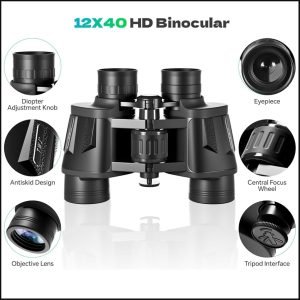
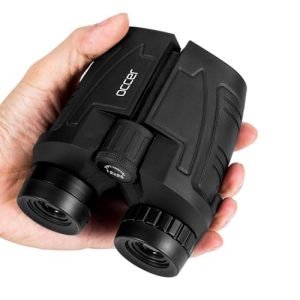
Roof prism binoculars have a straight design that makes them compact. They are popular among bird watchers and travelers.
These binoculars use prisms inside the tubes to flip the image the right way. This design helps keep the binoculars slim and easy to carry.
Design And Structure
Roof prism binoculars have two main tubes aligned straight. The prisms inside create a straight path for light. This helps make the binoculars smaller and easier to hold.
- Straight body design
- Light travels through two roof prisms
- Compact and lightweight
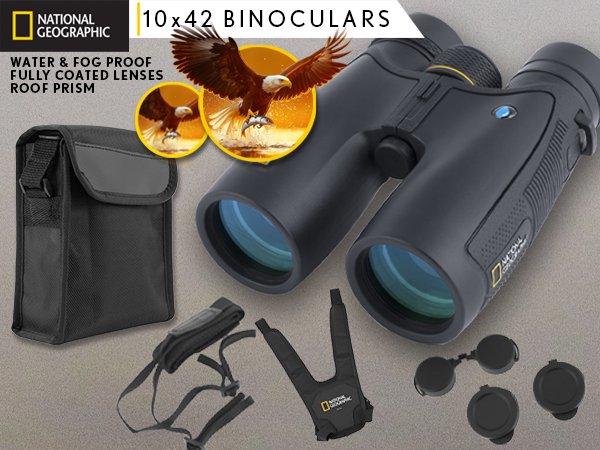
- Usually waterproof and fog proof
Advantages Over Porro Prism
Roof prism binoculars offer some benefits compared to Porro prism models. Their shape is easier to carry during outdoor trips. They also fit better in small bags.
| Feature | Roof Prism | Porro Prism |
| Size | Compact and slim | Bulkier and wider |
| Weight | Lighter | Heavier |
| Durability | More rugged | Less rugged |
| Image Quality | Sharp and clear | Bright with good depth |
Common Features
Roof prism binoculars often share these features. They help improve the viewing experience, especially outdoors.
- Adjustable focus for clear images
- Waterproof seals to protect inside parts
- Rubber coating for a better grip
- Multi-coated lenses to increase brightness
- Close focus to see nearby objects well

Credit: www.amazon.com
Why Choose Roof Prism For Safaris
Roof prism binoculars are popular for safaris because they offer clear views in a compact design. Their unique prism system makes them strong and easy to carry.
These binoculars help travelers enjoy wildlife without heavy or bulky gear. They fit well in bags and hands, making them ideal for long days outdoors.
Compact And Lightweight Benefits
Roof prism binoculars are smaller and lighter than other types. This makes them easy to pack and carry during safari trips.
Lightweight binoculars reduce arm strain when watching animals for hours. Their compact size fits easily in pockets or small bags.
- Fits in small spaces
- Easy to carry all day
- Less arm fatigue
Durability In Harsh Environments
Roof prism binoculars are built strong to handle tough safari conditions. They resist dust, water, and rough handling well.
The sealed design keeps moisture out, protecting lenses and prisms inside. This helps the binoculars last longer in wet or dusty places.
- Water-resistant seals
- Dustproof construction
- Shock-resistant build
Ease Of Use And Handling
Roof prism binoculars have a straight design that is easy to hold and use. You can quickly adjust focus with one hand.
The simple shape lets you aim faster at moving animals. Comfortable grips and smooth controls improve your viewing experience.
- Straight, easy-to-hold design
- Quick focus adjustment
- Comfortable grip for long use
Image Quality And Performance
Roof prism binoculars are popular for outdoor activities like safaris. They offer a compact design and good durability. Understanding their image quality helps you decide if they fit your safari needs.
This article covers key points about their clarity, field of view, and performance in low light. These factors affect your viewing experience on a safari.
Clarity And Brightness
Roof prism binoculars provide sharp images with good color accuracy. Their optical design helps reduce distortion and improves image brightness. This clarity lets you see wildlife details clearly.
High-quality lenses and coatings in roof prism models boost light transmission. This feature enhances the brightness of the image. It is important for spotting animals in dense vegetation.
Field Of View Considerations
The field of view (FOV) is the width of the area you can see through binoculars. Roof prism binoculars usually have a narrower FOV than porro prism models. This means you see less area at once.
- Narrower FOV can make it harder to track moving animals.
- Smaller FOV means more scanning to find wildlife.
- Some roof prism binoculars offer wider FOV but may cost more.
Choosing a model with a good balance of FOV and magnification is key for safaris.
Low Light Performance
| Feature | Roof Prism Binoculars |
| Light Transmission | High with quality coatings |
| Image Brightness | Good in dawn and dusk |
| Lens Size Impact | Larger lenses improve low light view |
| Weight | Larger lenses add weight |
Roof prism binoculars perform well in low light due to better light transmission. Larger objective lenses help by gathering more light. This is useful during early morning or late evening safaris.
Keep in mind that bigger lenses add weight. You should balance low light needs with how comfortable the binoculars feel to carry.
Key Specs To Consider
Choosing the right roof prism binoculars can improve your safari experience. Different features affect how well you see wildlife.
Focus on specs that match your needs and environment. This guide covers the most important points to check.
Magnification And Objective Lens Size
Magnification shows how close objects appear. The objective lens size lets more light in. Both affect image quality and weight.
| Magnification | Objective Lens (mm) | Best Use |
| 8x | 32-42 | Lightweight, good for wide views |
| 10x | 42-50 | Closer details, slightly heavier |
| 12x | 50+ | Far views, needs steady hands |
Waterproof And Fogproof Features
Safaris often involve wet or humid conditions. Waterproof and fogproof binoculars keep your view clear and protect the optics.
- Waterproof seals stop water damage
- Fogproof uses nitrogen or argon gas inside
- Both features extend binoculars’ life
- Check for durable rubber coatings for grip
Eye Relief And Comfort
Eye relief is the distance your eye can be from the lens. Longer relief helps if you wear glasses. Comfort also depends on weight and grip.
| Feature | Recommended Value | Why It Matters |
| Eye Relief | 12mm or more | Allows use with glasses |
| Weight | Under 800 grams | Easy to carry all day |
| Grip | Rubber coating | Prevents slipping |
Popular Roof Prism Models For Safari
Roof prism binoculars are a good choice for safaris. They are compact and easy to carry. Their design keeps images clear and bright.
Here are some popular roof prism binocular models. They fit different budgets and needs for safari trips.
Budget-friendly Options
These roof prism binoculars work well without costing too much. They offer good view quality and durability for casual use.
- Nikon Prostaff 3S 8×42: Lightweight and clear view.
- Bushnell Falcon 10×50: Wide field of view, good for spotting.
- Vortex Crossfire 8×42: Waterproof and fog proof.
Mid-range Choices
Mid-range binoculars offer better lenses and build. They have sharper images and stronger bodies for rough use.
| Model | Magnification | Weight | Special Features |
| Zeiss Terra ED 8×42 | 8x | 690g | ED glass, waterproof |
| Swarovski CL Companion 8×30 | 8x | 530g | High contrast, compact |
| Leica Trinovid 8×42 | 8x | 730g | Durable, clear optics |
Premium Picks
Premium roof prism binoculars give the best image quality and comfort. They suit serious safari watchers and photographers.
- Swarovski EL 10×42: Bright images with excellent clarity.
- Zeiss Victory SF 10×42: Wide field and ergonomic design.
- Leica Noctivid 10×42: Superb low-light performance.
Comparing Roof Prism With Other Types
Roof prism binoculars are popular for safaris. They have a straight design that makes them easy to handle. Other types like Porro prism binoculars have a different shape. Understanding these differences helps in choosing the right binoculars for outdoor use.
This comparison covers roof prism binoculars and other types, focusing on key features. It looks at how they differ in design, glass quality, and size. These points matter a lot when picking binoculars for safari trips.
Porro Prism Vs Roof Prism
Porro prism binoculars have a zigzag shape that makes them wider. Roof prism binoculars have a straight tube. Porro prisms usually give better depth and wider views. Roof prisms are more compact and easier to carry.
Porro prisms can be heavier and bulkier. Roof prisms are better for quick use and long walks. Roof prisms are also more durable because of their design. Each type has its own advantages depending on your needs.
Ed Glass And Coatings
ED glass stands for Extra-low Dispersion glass. It reduces color fringing and improves image clarity. Both roof and Porro prism binoculars can have ED glass. Coatings on lenses help increase light transmission and reduce glare.
- ED glass gives sharper and clearer images
- Lens coatings improve brightness and contrast
- Roof prism binoculars often use special coatings to fix light loss
For safaris, having ED glass and good coatings is important. They help see animals clearly, even in low light. Roof prism binoculars tend to have newer coating technology.
Weight And Size Differences
Roof prism binoculars are usually smaller and lighter. Their straight design fits better in bags and hands. Porro prism binoculars are often bulkier and heavier because of their shape.
- Roof prism binoculars are compact and easy to carry
- Porro prism binoculars can be heavier but offer wider views
- Weight matters on long safari walks and trips
Choosing lighter binoculars can reduce fatigue. Roof prism models often win in this area. Size and weight should match how long you plan to use them outdoors.
Maintenance And Care Tips
Taking good care of roof prism binoculars keeps them working well. Proper cleaning, storage, and handling help protect your investment. This guide shares simple tips to maintain your binoculars during safaris.
Following easy steps can prevent damage and improve your viewing experience. Keep your lenses clear and your binoculars safe with these maintenance tips.
Cleaning Lenses Safely
Clean lenses carefully to avoid scratches and smudges. Use soft materials and gentle motions for the best results.
- Blow off dust with a lens blower or soft brush.
- Use a microfiber cloth to wipe lenses gently.
- Apply lens cleaning solution only to the cloth, not directly on lenses.
- Do not use paper towels or rough fabrics.
- Clean lenses only when necessary to avoid wear.
Storage Recommendations
Proper storage protects binoculars from moisture, dust, and damage. Keep them in a safe place when not in use.
| Storage Tip | Reason |
| Use a padded case | Protects from bumps and drops |
| Store in a dry place | Prevents mold and rust |
| Keep lens caps on | Keeps lenses clean and safe |
| Avoid direct sunlight | Prevents heat damage |
| Remove batteries if unused long | Stops battery leaks |
Handling Tips On Safari
Handling binoculars properly during safaris keeps them working well and comfortable to use.
- Use a neck strap or harness to avoid dropping them.
- Hold binoculars with both hands for steady viewing.
- Avoid touching lenses with fingers.
- Keep binoculars covered when walking through dusty areas.
- Check for dirt or moisture often and clean if needed.

Credit: ibalchemy.com
Expert Tips For Using Binoculars On Safari
Binoculars help you see wildlife up close on safaris. They bring animals into clear view without disturbing them.
Choosing the right time and technique improves your viewing experience. Use these tips to enjoy your safari more.
Best Times To Use Binoculars
Early morning and late afternoon offer the best light for binocular use. Animals are more active and easier to spot.
- Use binoculars at dawn and dusk for clear views.
- Avoid bright midday sun that causes glare.
- Watch for animals near water during dry seasons.
- Check shaded areas where animals rest during heat.
Techniques For Steady Viewing
Holding binoculars steady is key to sharp images. Use both hands and support your elbows.
- Rest your elbows against your body or a solid surface.
- Breathe slowly and hold the binoculars steady before looking.
- Use a neck strap to keep binoculars stable when moving.
- Practice focusing gently to avoid shaking.
- Consider a tripod adapter for long viewing sessions.
Maximizing Wildlife Spotting
Spotting wildlife is easier with the right approach. Look for movement and listen carefully.
| Tip | Why It Helps |
| Scan slowly from left to right | Covers wide area without missing animals |
| Focus on animal shapes, not just colors | Shapes stand out better in nature |
| Use your ears to hear animal calls | Sounds often reveal hidden wildlife |
| Stay quiet and patient | Animals appear when you don’t disturb them |
Frequently Asked Questions
What Are Roof Prism Binoculars?
Roof prism binoculars use a straight-barrel design with prisms aligned for compactness. They offer durability, lightweight, and better image quality, making them ideal for outdoor activities like safaris.
Are Roof Prism Binoculars Suitable For Safari Wildlife Viewing?
Yes, roof prism binoculars provide sharp, bright images with good magnification. Their rugged build and waterproof features suit the rough safari environment well, enhancing wildlife observation.
How Do Roof Prism Binoculars Compare To Porro Prism?
Roof prism binoculars are more compact and lightweight than Porro prisms. Though generally pricier, they offer better alignment, making them easier to handle during safaris.
Do Roof Prism Binoculars Perform Well In Low Light?
Roof prism binoculars often have better coatings and optics for low light. They enhance image brightness during dawn or dusk, common times for wildlife activity on safaris.
Conclusion
Choosing roof prism binoculars for safaris can be a smart decision. These binoculars offer great clarity and portability. Perfect for spotting wildlife on the move. Lightweight design makes them easy to carry all day. Their rugged build suits the safari environment well.
Many enthusiasts prefer them for their reliable performance. Better views can enhance your safari experience. Consider your needs and budget before buying. Test them to ensure comfort and fit. Good binoculars can make safaris more enjoyable. Happy wildlife viewing!