Are you planning to explore lush tropical forests or vibrant rainforests? If so, choosing the right binoculars can make all the difference in what you see and experience.
Close-focus binoculars promise sharp, detailed views of nearby plants and animals, but are they really the best choice for tropical environments? You’ll discover how close-focus binoculars perform in tropical settings, what benefits they offer, and what limitations you should watch out for.
Keep reading to find out if these binoculars are the perfect match for your next tropical adventure.
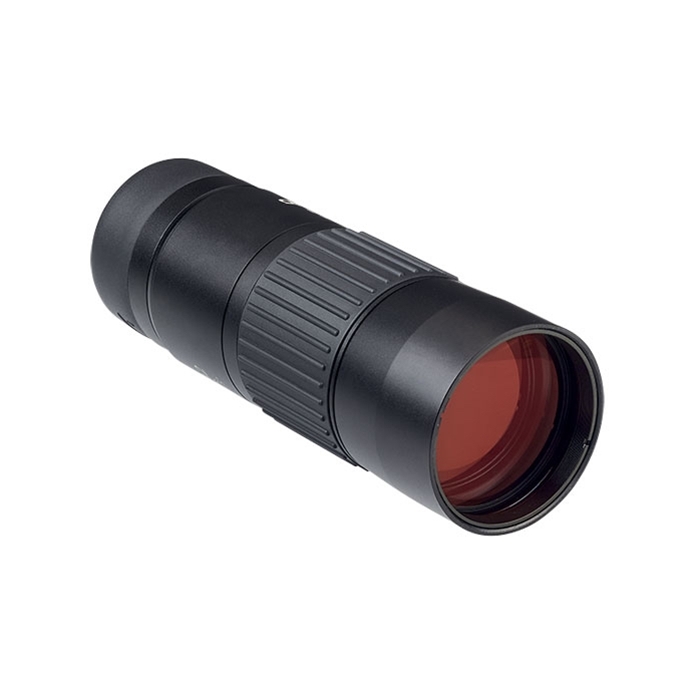
Credit: www.opticronusa.com
Close-focus Binoculars Basics
Close-focus binoculars let you see objects that are very near clearly. They are great for viewing small details at a short distance.
These binoculars are useful in many outdoor settings, especially in tropical areas where close wildlife is common.
What Are Close-focus Binoculars
Close-focus binoculars have a short minimum focusing distance. This means you can see objects as close as a few feet away without blur.
They are designed to show fine details of nearby subjects like insects, flowers, or small animals.
Key Features To Know
- Minimum Focus Distance:Usually between 1.5 to 3 meters, allowing clear views of close objects.
- Magnification:Typically ranges from 8x to 10x for balanced detail and stability.
- Field of View:Wide enough to track moving subjects in the tropical environment.
- Water Resistance:Many models are sealed to resist humidity and rain common in tropical climates.
- Durability:Sturdy build to handle rough outdoor use and sudden weather changes.
| Feature | Benefit for Tropical Use |
| Close Focus Range | See nearby wildlife and plants clearly |
| Magnification | Good detail without too much shake |
| Waterproof Design | Works well in humid and rainy conditions |
| Lightweight Build | Easy to carry during jungle walks |

Credit: www.optics-trade.eu
Challenges In Tropical Environments
Tropical environments have unique conditions that affect binocular use. Close-focus binoculars face specific challenges here.
Understanding these challenges helps users choose the right binoculars for tropical settings.
Weather And Humidity Effects
High humidity can cause fogging inside lenses. This reduces visibility and image clarity.
Heavy rain and moisture may damage binocular parts if they are not waterproof. Tropical storms add extra risk.
- Fogging blurs the view
- Water can harm non-sealed binoculars
- Rapid temperature changes cause condensation
- Sunlight can heat binoculars, affecting comfort
Vegetation And Wildlife Considerations
Tropical forests have dense, thick vegetation. Close-focus binoculars help see nearby plants and insects clearly.
Wildlife often hides in thick leaves or moves quickly. Fast focusing and close range are important for good viewing.
- Dense leaves block distant views
- Close-focus helps spot small animals nearby
- Quick focus adjusts for moving creatures
- Durability needed for rough outdoor use
Performance Of Close-focus Binoculars In Tropics
Close-focus binoculars help you see objects that are very near. They are useful for birdwatching and exploring plants in tropical areas.
The tropics have bright light, humidity, and dense forests. These conditions affect how binoculars work and last.
Image Clarity And Detail
Close-focus binoculars provide clear views of nearby objects. They show details like leaf veins and bird feathers well.
In tropical light, brightness helps bring out colors and shapes. Good lenses reduce glare from wet leaves and bright sun.
- Close focus distance usually less than 6 feet
- Sharp images of small insects and plants
- Bright, clear views in strong sunlight
- Reduced glare with coated lenses
Durability And Build Quality
Tropical areas are hot and humid. Binoculars need to resist moisture to avoid fogging and damage inside.
Many close-focus binoculars have rubber armor and waterproof seals. These features protect against rain and sweat.
- Waterproof and fog-proof designs
- Rubber coating for better grip and shock resistance
- Strong hinges to handle rough use
- Lightweight but sturdy materials
Choosing The Right Binoculars For Tropics
Choosing binoculars for tropical use needs care. The hot and wet climate affects their performance.
Binoculars must handle moisture, heat, and thick greenery. You want clear views without damage.
Waterproof And Fogproof Features
Binoculars that resist water and fog work best in the tropics. Rain and humidity are common there.
- Waterproof seals keep rain and splashes out.
- Fogproof models use nitrogen or argon gas to stop inside fogging.
- Rubber coatings add grip and protect from drops.
- Check if the binoculars meet industry waterproof standards.
Magnification And Field Of View
Magnification helps you see far, but wide views help spot animals or plants in dense forests.
| Magnification | Field of View | Use in Tropics |
| 8x | Wide | Good for spotting moving wildlife |
| 10x | Narrower | Better for detailed views of distant objects |
| 12x | Very narrow | Harder to keep steady in humid conditions |
Maintenance Tips For Tropical Use
Close-focus binoculars are useful in tropical areas. The warm and wet climate can affect their condition. Proper care helps keep them working well.
Follow simple maintenance tips to protect your binoculars from damage. These tips focus on cleaning and storage.
Cleaning And Care
Humidity and dirt can harm your binoculars. Clean them regularly to keep lenses clear and parts working smoothly. Use soft tools to avoid scratches.
- Use a soft brush or air blower to remove dust.
- Clean lenses with a microfiber cloth and lens cleaner.
- Wipe the body with a damp cloth to remove dirt.
- Dry binoculars fully before storing to prevent mold.
- Avoid touching lenses with fingers to stop smudges.
Storage Recommendations
Store binoculars in a dry, cool place. Avoid leaving them in direct sunlight or damp areas. Proper storage stops mold and rust.
- Keep binoculars in a padded case with silica gel packs.
- Store in a ventilated area to reduce moisture buildup.
- Remove batteries if not used for a long time.
- Check binoculars often for signs of mold or damage.
- Use a waterproof cover if using them outdoors often.
User Experiences And Expert Opinions
Close-focus binoculars let users see objects that are very near. Many people wonder if they work well in tropical places. The tropical climate has unique challenges for binoculars.
This article shares stories from users and advice from experts. It helps you understand if close-focus binoculars suit tropical use.
Real-world Usage Stories
People who use close-focus binoculars in tropical forests say these tools help spot small animals and plants. The close focus lets them see details like insects on leaves.
Some users mention that humidity can cause fog inside the binoculars. But models with good sealing reduce this problem. Users also find that binoculars with rubber coatings handle wet conditions better.
- Close focus helps watch insects and flowers up close.
- Humidity sometimes causes fogging inside cheap binoculars.
- Waterproof and rubber-coated models last longer in rain.
- Compact size makes it easier to carry in thick jungle areas.
Professional Recommendations
Experts advise choosing binoculars with close focus under 10 feet for tropical use. This allows clear viewing of nearby wildlife. They also stress the importance of waterproof and fog-proof features.
Professionals suggest checking the build quality. Strong seals and nitrogen filling help prevent moisture inside the lenses. They recommend rubber armor for better grip and protection.
- Pick binoculars with close focus less than 10 feet.
- Choose waterproof and fog-proof models for tropical climates.
- Look for nitrogen or argon gas filling to avoid moisture.
- Rubber armor improves grip and protects against drops.

Credit: www.amazon.ca
Frequently Asked Questions
Are Close-focus Binoculars Suitable For Tropical Environments?
Yes, close-focus binoculars are ideal for tropical use. They allow clear viewing of nearby wildlife and plants. Their compact design helps in dense foliage. Many models are also waterproof and fog-resistant, perfect for humid tropical conditions.
How Do Close-focus Binoculars Enhance Tropical Wildlife Viewing?
Close-focus binoculars provide sharp images of nearby subjects, such as insects and birds. This helps observe intricate details in tropical environments. They improve the overall experience by allowing users to explore diverse flora and fauna up close.
Can Close-focus Binoculars Handle Tropical Humidity And Rain?
Many close-focus binoculars come with waterproof and fog-proof features. These protect the optics from moisture and humidity. They are durable and reliable in tropical rain and mist, ensuring clear vision in challenging weather.
What Magnification Is Best For Tropical Close-focus Binoculars?
A magnification of 8x to 10x is optimal for tropical use. It balances detail and stability for close wildlife observation. Higher magnification may reduce the field of view and image brightness in dense jungles.
Conclusion
Close-focus binoculars suit tropical use well. They help see plants and animals up close. Their design handles humidity and heat better. Small insects and colorful birds become clear and sharp. These binoculars make exploring rainforests more enjoyable. Choose a pair with good grip and waterproof features.
They stay reliable in wet and hot conditions. Overall, close-focus binoculars add value to tropical adventures. They bring nature closer and make every detail visible. A smart choice for anyone visiting lush, green places.