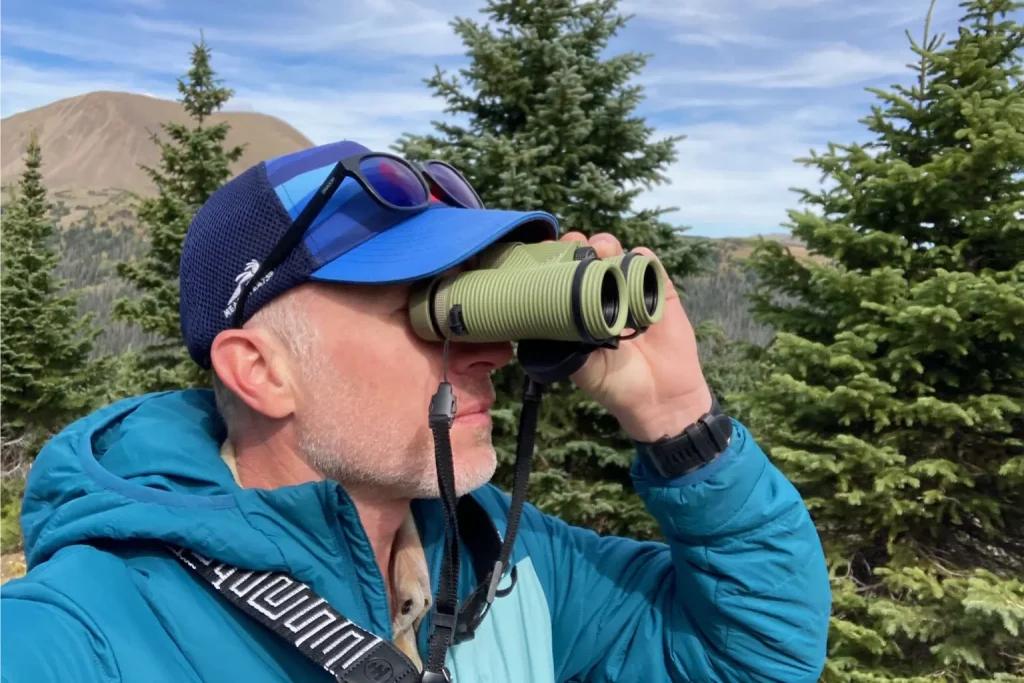
Have you ever struggled to see the small details during a field trip? Whether you’re spotting birds, examining plants, or watching insects, having the right binoculars can make all the difference.
But are close-focus binoculars really the best choice for your outdoor adventures? If you want clear, sharp views up close without missing out on distant sights, this guide will help you decide. Keep reading to discover how close-focus binoculars can change the way you explore—and whether they’re the perfect fit for your next field trip.

Credit: www.amazon.ca
Benefits Of Close-focus Binoculars
Close-focus binoculars let you see objects very near clearly. They work well for trips where you explore nature up close.
These binoculars help you notice small details and observe animals without scaring them away. They suit many outdoor activities.
Enhanced Detail At Short Range
Close-focus binoculars show sharp images of objects just a few feet away. This helps you spot tiny plants and insects easily.
They reduce eye strain because you do not need to switch between near and far focus. This makes your viewing more comfortable.
Ideal For Wildlife Observation
These binoculars let you watch small animals and birds at close distance. You see their colors and movements clearly without disturbing them.
They help you study animal behavior and enjoy nature quietly. You can observe nests, flowers, and insects with ease.
Versatility In Various Environments
Close-focus binoculars work well in forests, parks, and gardens. They let you explore different places with one tool.
You can use them for hiking, bird watching, and even sports events. Their ability to focus closely adds to their usefulness.
Key Features To Look For
Close-focus binoculars are useful for seeing objects nearby. They help during field trips to watch plants and animals closely.
Choosing the right binoculars means checking some key features. These features affect how well you see and how easy the binoculars are to use.
Magnification And Objective Lens Size
Magnification tells you how much closer an object looks. Higher magnification can show more detail but may be harder to hold steady.
The objective lens size controls how much light enters the binoculars. Bigger lenses give brighter images but are heavier to carry.
- Choose moderate magnification (7x to 10x) for clear images and easy handling.
- Objective lens sizes between 25mm and 42mm balance brightness and weight.
- Higher magnification needs a steady hand or a tripod.
Field Of View Considerations
The field of view shows how wide an area you can see through the binoculars. A wide view helps track moving animals or scan large areas.
Close-focus binoculars should still offer a good field of view so you don’t miss details nearby or far away.
- Look for binoculars with at least 300 feet field of view at 1000 yards.
- A wider field of view is better for spotting animals quickly.
- Check the close-focus distance to see how near you can focus clearly.
Durability And Weather Resistance
Field trips can be rough on binoculars. They need to resist bumps, dust, and water.
Durable binoculars last longer and work well in different weather conditions.
- Choose binoculars with rubber coating for shock protection.
- Look for waterproof and fog-proof models for wet or cold places.
- Check if the binoculars are sealed to keep out dust and dirt.
Comparing Close-focus Vs. Standard Binoculars
Choosing the right binoculars makes a difference on field trips. Close-focus binoculars let you see objects near you clearly. Standard binoculars focus better on far away subjects.
Understanding how these two types differ helps you pick the best one for your needs. We will look at focusing distance, image clarity, and portability.
Differences In Focusing Distance
Close-focus binoculars can focus on objects just a few feet away. This is great for nearby plants or insects on field trips. Standard binoculars usually focus at least 10 feet away or more.
- Close-focus: typically 3 to 6 feet minimum focus distance
- Standard: usually 10 feet or more minimum focus distance
- Close-focus helps see details up close without losing sharpness
- Standard binoculars are better for viewing distant birds or landscapes
Image Clarity And Sharpness
Both binocular types offer clear images, but their sharpness varies by focus range. Close-focus binoculars keep images sharp at close range. Standard binoculars may lose clarity when viewing nearby objects.
| Feature | Close-Focus Binoculars | Standard Binoculars |
| Sharpness at Close Range | High | Lower |
| Sharpness at Long Range | Good | High |
| Image Brightness | Bright | Bright |
| Color Accuracy | Accurate | Accurate |
Portability And Weight
Close-focus binoculars often weigh a bit more due to extra lenses for near focus. Standard binoculars can be lighter and simpler. Weight matters if you carry them all day on trips.
- Close-focus binoculars: slightly heavier, may feel bulkier
- Standard binoculars: usually lighter and easier to carry
- Consider your trip length and how much gear you carry
- Try both types to see which feels best in your hands
Best Close-focus Binoculars For Field Trips
Close-focus binoculars let you see objects very near clearly. They work well for nature trips and school field visits.
Choosing the right binoculars helps you enjoy details like flowers, insects, and small animals during trips.
Top Models For Beginners
Beginners need binoculars that are easy to use and light to carry. Look for models with simple focusing and good close-focus distance.
These binoculars offer clear views without complex settings. They are perfect for kids and first-time users.
- Close focus under 6 feet
- Lightweight and comfortable
- Durable build for outdoor use
Options For Experienced Users
Experienced users want binoculars with better optics and wider focus range. They often seek sharper images and stronger zoom.
These models offer more features like adjustable eye relief and waterproof designs. They suit serious nature watchers.
- High-quality lenses for clear views
- Close focus around 3 to 5 feet
- Weather-resistant and robust
Budget-friendly Picks
Affordable binoculars can still have good close-focus ability. They work well for casual trips and beginners on a budget.
These binoculars offer basic features and decent image quality. They help you explore nature without spending much.
- Close focus within 6 to 10 feet
- Simple design and lightweight
- Good for short trips and kids
Tips For Using Close-focus Binoculars
Close-focus binoculars let you see objects very near with clear detail. They work well for nature trips and exploring small things up close.
To get the best use, you need to know how to adjust and care for them properly. These tips will help you enjoy your binoculars on field trips.
Adjusting Focus Quickly
Quickly focusing your binoculars helps you see objects clearly without delay. Most binoculars have a central focus wheel and a diopter adjustment.
- Look through the binoculars at a distant object.
- Turn the central focus wheel until the object is sharp.
- Close one eye and use the diopter to focus the other lens.
- Open both eyes and adjust the central wheel if needed.
Maintaining Clear Vision
Clear vision depends on clean lenses and proper use. Dirt and moisture can blur your view and damage your binoculars.
- Use a soft cloth to clean lenses after use.
- Avoid touching lenses with fingers.
- Keep binoculars dry and away from dust.
- Store in a case when not in use.
Handling And Storage
| Handling Tips | Storage Tips |
|---|---|
| Hold binoculars with both hands for steady view. | Keep binoculars in a padded case to avoid scratches. |
| Avoid dropping or banging them on hard surfaces. | Store in a cool, dry place to prevent mold. |
| Use a neck strap to prevent accidental drops. | Remove batteries if not used for a long time. |
Common Challenges And Solutions
Close-focus binoculars are great for field trips because they let you see things up close. Still, some common problems can happen while using them. Knowing how to fix these problems helps you enjoy your trip more.
This guide covers three main challenges: fogging and moisture, eye strain, and focus issues. Each section explains how to handle these problems easily.
Dealing With Fogging And Moisture
Fogging happens when warm air meets cold lenses. Moisture can blur your view and damage the binoculars over time. This is common during outdoor trips in different weather.
To reduce fogging and moisture, keep your binoculars dry and store them in a safe place. Using anti-fog wipes or sprays can also help clear the lenses quickly.
- Keep binoculars in a sealed case when not in use
- Use silica gel packs to absorb moisture
- Apply anti-fog solutions before the trip
- Wipe lenses gently with a soft cloth
Avoiding Eye Strain
Looking through binoculars for a long time can make your eyes tired. Close-focus binoculars need clear adjustment to avoid discomfort. Taking breaks helps your eyes rest.
Adjust the eyecups and focus so the view is sharp and comfortable. Keep both eyes open to reduce strain. If your eyes feel tired, look away from the binoculars for a few minutes.
- Adjust the interpupillary distance to match your eyes
- Use the right eyecup position for glasses or no glasses
- Take breaks every 15-20 minutes
- Blink often to keep eyes moist
Troubleshooting Focus Issues
Focus problems can make the image blurry or hard to see. Close-focus binoculars need careful focusing on objects nearby. Sometimes the focus knob or diopter adjustment needs tuning.
If the image is blurry, try adjusting the center focus wheel slowly. Use the diopter ring to match the focus between your eyes. Practice focusing on different distances before starting the trip.
- Start focusing on a clear object in the distance
- Cover one eye and adjust the diopter for the other
- Use the center wheel to focus both eyes together
- Check for dirt or damage on the lenses
Enhancing Your Field Trip Experience
Using close-focus binoculars can make your field trips more exciting. They help you see details up close, like plants and insects.
These binoculars add fun to exploring nature and learning more about your surroundings.
Combining Binoculars With Other Gear
Pairing binoculars with the right gear helps you enjoy your trip safely and comfortably.
- Bring a field guide to identify animals and plants.
- Use a notebook to write down your observations.
- Carry a camera to capture what you see.
- Wear comfortable shoes for walking.
- Take a small backpack to keep all gear handy.
Planning Trips For Optimal Viewing
Good planning helps you get the best views with your binoculars during field trips.
| Time of Day | Best For Viewing |
| Morning | Bird watching and animal activity |
| Afternoon | Scenery and landscape details |
| Evening | Close-up views of flowers and insects |
Engaging Activities Using Binoculars
Binoculars can turn a field trip into a fun learning adventure. Try these activities to keep everyone interested.
- Spot and name different types of birds.
- Look closely at leaves and insects on plants.
- Play a game to find hidden animals or objects.
- Draw what you see through the binoculars.
- Compare distant views with close-up details.

Credit: www.dodkart.com
Credit: bringbinoculars.com
Frequently Asked Questions
What Are Close-focus Binoculars?
Close-focus binoculars are designed to clearly view objects very near, usually within a few feet. They enhance details for nearby subjects, ideal for nature observation and field trips.
Why Use Close-focus Binoculars On Field Trips?
They allow detailed viewing of plants, insects, and nearby wildlife. This helps users appreciate small details often missed by standard binoculars.
Can Close-focus Binoculars Replace Regular Binoculars?
No, close-focus binoculars complement regular ones. They excel at near viewing but may lack long-distance clarity, so both types are useful.
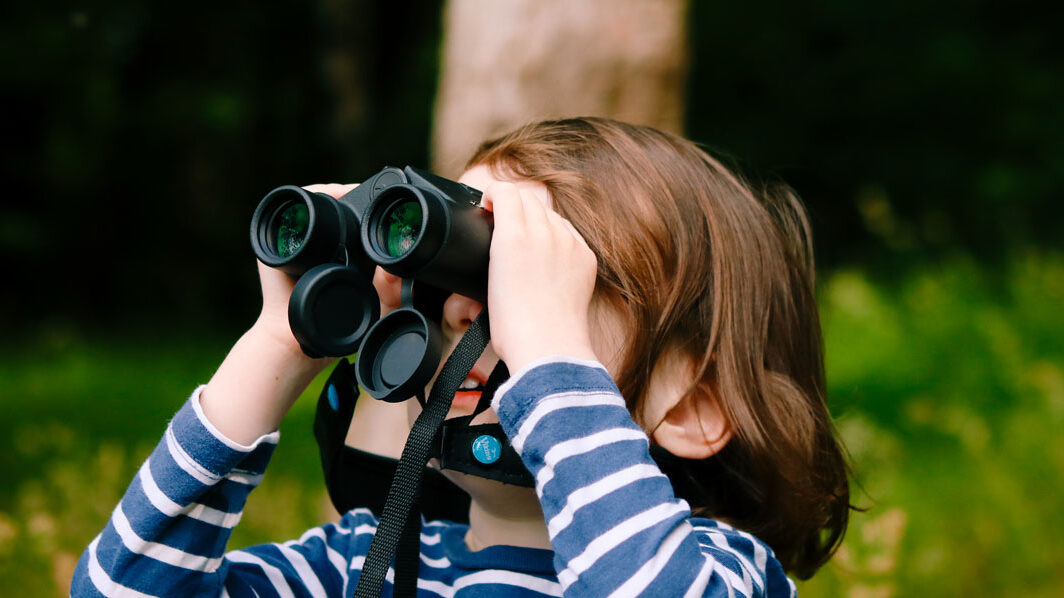
Are Close-focus Binoculars Good For Kids?
Yes, their lightweight design and easy focusing make them perfect for children on educational field trips and outdoor adventures.
Conclusion
Close-focus binoculars can enhance field trip experiences. They bring distant objects closer. Students see nature’s details up close. Birds, insects, and plants become fascinating. These binoculars are lightweight and easy to carry. Many types suit different needs. Consider durability and lens quality.
They are great for educational trips. Encourage curiosity and exploration. Enjoy observing the world in a new way. Binoculars make learning fun and interactive. Perfect for young explorers.