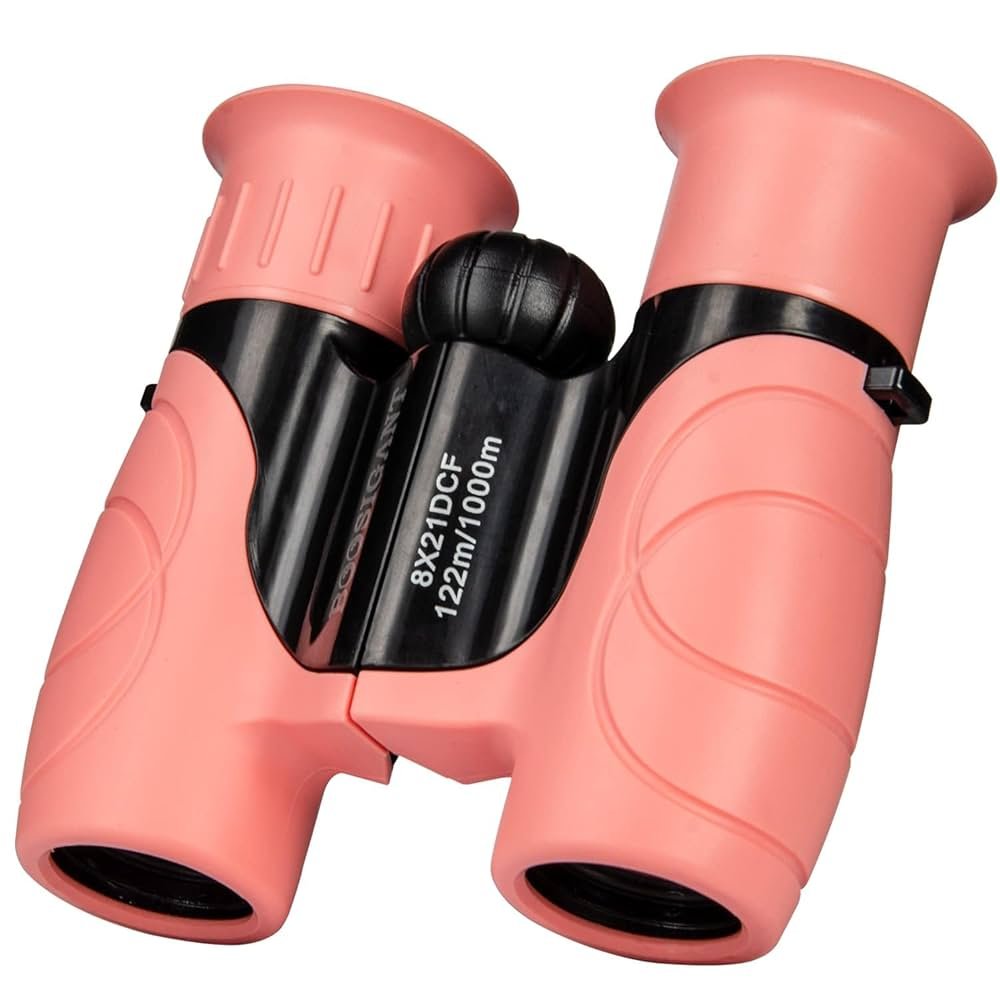
Have you ever wondered if binoculars are safe for your kids to use? As a parent, you want to encourage curiosity and exploration, but safety always comes first.
Binoculars can open up a whole new world of discovery for your child—from bird watching to stargazing—but are they truly kid-friendly? You’ll learn everything you need to know to keep your little explorers safe while fueling their sense of adventure.
Keep reading to find out how to choose the right binoculars and use them the right way, so your child can enjoy endless fun without any risks.
Safety Concerns With Binoculars
Binoculars are fun tools for kids to explore nature and see far objects. Parents worry if these tools are safe for children. It is important to understand the risks and how to keep kids safe.
This article covers three main safety concerns with binoculars for kids. These are eye risks, choking hazards, and the durability and material of the binoculars.
Potential Eye Risks
Binoculars bring things very close to the eyes. If used wrongly, they can cause eye strain or injury. Kids may press binoculars too hard against their eyes or look at bright lights through them.
- Looking directly at the sun can damage the eyes.
- Using binoculars for a long time may cause eye strain.
- Children should learn to hold binoculars gently.
Choking Hazards
Small parts on binoculars can come loose and cause choking. This is a risk especially for toddlers and younger children. Parents should check the binoculars for tiny pieces before giving them to kids.
| Part | Risk | Advice |
| Lens Caps | Can detach and be swallowed | Choose binoculars with attached caps |
| Screws and Buttons | May come loose | Check tightness regularly |
| Straps | Can wrap around neck | Use breakaway safety straps |
Durability And Material Safety
Binoculars for kids should be strong and made from safe materials. Plastic parts should be non-toxic. The binoculars should resist drops and rough use.
Look for these features in safe binoculars:
- Impact-resistant body
- Non-toxic paint and plastic
- Rubber edges to prevent injuries
- Lightweight design for easy handling

Credit: www.reddit.com
Choosing Kid-friendly Binoculars
Binoculars can be a fun tool for kids to explore nature and learn about the world. Picking the right pair is important to keep them safe and happy.
Kid-friendly binoculars should be easy to use and safe to handle. They need to match the child’s age and abilities.
Age-appropriate Features
Binoculars for kids should fit their age group. Young children need simpler designs with fewer adjustments.
Older kids can use binoculars with more features, like adjustable focus or zoom. This helps them learn and explore more.
Lightweight And Comfortable Designs
Binoculars should be light so kids can hold them without getting tired. Heavy binoculars can cause discomfort or frustration.
Look for designs with soft grips and straps. These help kids hold the binoculars steady and keep them safe from drops.
- Lightweight materials like plastic
- Soft rubber grips for comfort
- Neck straps to prevent dropping
Shatterproof Lenses
Safety is key when choosing binoculars for kids. Shatterproof lenses protect eyes if the binoculars fall or get hit.
These lenses are made from tough plastic or resin. They are less likely to break than glass lenses.
- Reduce risk of injury
- More durable for active play
- Keep binoculars working longer
Supervision And Usage Guidelines
Binoculars can be fun and educational for kids. They help children explore nature and learn about the world.
Adults should watch kids closely while they use binoculars. This keeps children safe and helps them use the tools correctly.
Proper Handling Techniques
Teach kids to hold binoculars with both hands. This gives better control and stops them from dropping the device.
Show children how to adjust the focus gently. Rough handling can break the lenses or the frame.
- Hold binoculars steady with both hands
- Adjust focus slowly and carefully
- Do not point binoculars at people’s eyes
- Keep binoculars clean and dry
Setting Time Limits
Kids should use binoculars for short periods. Long use can strain their eyes and cause discomfort.
Set a timer to remind children to take breaks. This helps protect their vision and keeps them interested.
- Limit use to 10-15 minutes at a time
- Encourage breaks between sessions
- Watch for signs of eye strain or tiredness
Avoiding Direct Sunlight Exposure
Never allow children to look at the sun through binoculars. This can cause serious eye damage.
Teach kids to point binoculars only at safe objects. Always check the area before they start using them.
- Do not look at the sun or bright lights
- Use binoculars only in shaded or safe areas
- Explain the dangers of sunlight to children

Credit: www.amazon.com
Maintaining And Cleaning Binoculars
Binoculars can last a long time with proper care. Keeping them clean and safe helps kids enjoy them more.
Learning how to maintain binoculars is important. This guide covers safe cleaning, storage, and regular checks.
Safe Cleaning Methods
Use a soft brush or air blower to remove dust. Avoid wiping lenses with rough cloths. Use lens cleaning paper or a microfiber cloth.
- Gently blow dust off the lenses
- Use a soft brush to clean corners
- Apply lens cleaner on cloth, not directly on lenses
- Wipe lenses in circular motions
- Never use household cleaners or water
Storage Tips
Store binoculars in a dry and cool place. Keep them in their case to avoid dust and scratches.
| Storage Location | Reason |
| Binocular case | Protects from dust and damage |
| Dry shelf | Prevents moisture buildup |
| Away from direct sunlight | Stops lens damage and fading |
| Out of reach of small children | Prevents accidental drops |
Regular Inspection For Damage
Check binoculars often to keep them safe for kids. Look for loose parts or dirty lenses before use.
- Inspect lenses for scratches or dirt
- Check focus knobs for smooth movement
- Ensure straps are strong and secure
- Look for cracks in the body
- Fix small issues early to avoid bigger problems
Encouraging Safe Outdoor Exploration
Binoculars can help kids explore the outdoors safely. They allow children to see faraway objects without getting too close.
Using binoculars encourages children to enjoy nature while staying at a safe distance from animals and plants.
Integrating Binoculars In Nature Activities
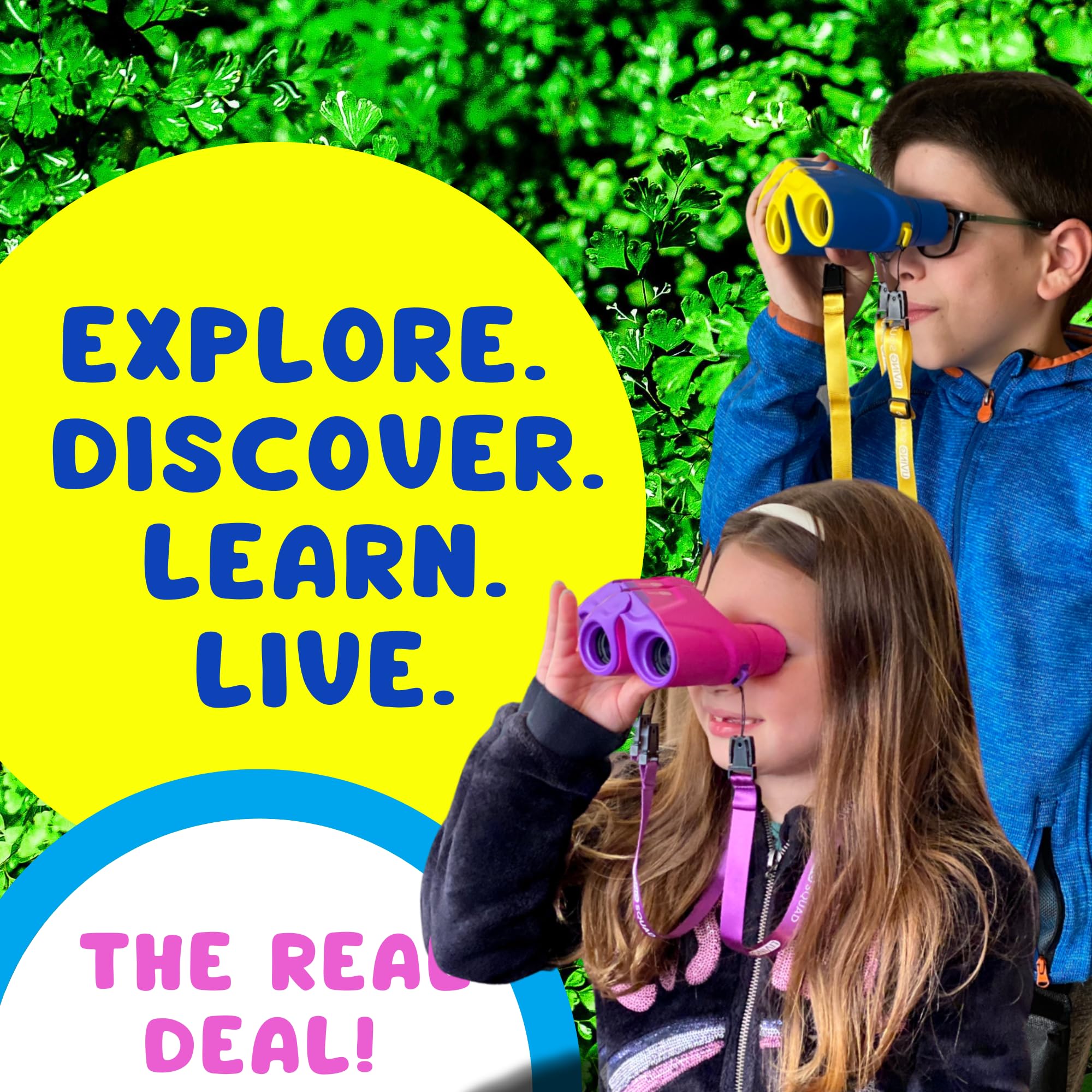
Binoculars add fun to hikes, bird watching, and park visits. Kids can spot birds, insects, and trees from afar.
Parents and teachers can plan nature walks with binoculars to make learning more exciting.
- Use binoculars to watch birds in trees
- Spot animals without disturbing them
- Observe plants and flowers up close
- Explore landscapes and distant objects
Teaching Respect For Wildlife
Binoculars help kids watch animals without bothering them. This teaches respect for nature and wildlife.
Children learn that animals need space and quiet to live safely.
- Keep a safe distance from animals
- Do not touch or feed wildlife
- Watch animals quietly with binoculars
- Leave nature as you found it
Promoting Curiosity And Observation Skills
Binoculars help children notice details they might miss with just their eyes. This grows their curiosity and focus.
Kids learn to observe shapes, colors, and movements in nature. These skills are useful for science and learning.
- Encourage kids to describe what they see
- Ask questions about birds and plants
- Practice focusing and zooming with binoculars
- Keep a nature journal of observations
Credit: www.amazon.com
Frequently Asked Questions
Are Binoculars Safe For Young Children To Use?
Yes, binoculars are safe for children if used under adult supervision. Choose age-appropriate, lightweight models with safety features to avoid eye strain or injury.
What Age Is Appropriate For Kids To Use Binoculars?
Children aged 5 and above can safely use binoculars with guidance. Younger kids might struggle with focus and handling, so adult help is recommended.
Can Binoculars Cause Eye Damage To Kids?
Binoculars do not cause permanent eye damage if used correctly. Avoid direct sunlight exposure through lenses, as it can harm the eyes.
How To Choose Kid-friendly Binoculars?
Select binoculars with rubberized grips, lightweight design, and low magnification. These features ensure comfort, ease of use, and safety for kids during outdoor activities.
Conclusion
Binoculars can be safe for kids with proper guidance. Choose models designed for children. Lightweight options with rubber grips are ideal. Teach them how to use binoculars safely. Supervision is key during outdoor adventures. Encourage curiosity and exploration. Discuss eye safety and proper handling.
This builds awareness and responsibility. Binoculars can enhance learning about nature. Kids gain a new perspective on the world. Remember, safety first, then fun. With care, binoculars become a valuable tool. They open a window to discovery for young minds.
Nurture their interest in the environment. Happy exploring!