When you think of binoculars, you might imagine them as a one-size-fits-all tool for seeing things at a distance. But did you know that the right pair of binoculars can make a world of difference depending on their use?
If you’re into sports or birdwatching, choosing the right binoculars is key to enhancing your experience. Are the binoculars you use for sports different from those for birding? You might be surprised by the answer. We’ll explore the subtle yet important differences between sports and birding binoculars.
By the end, you’ll have the insights needed to make an informed choice, ensuring you never miss a moment of the action or the beauty of a bird in flight. Dive in to discover how your next pair of binoculars could transform your view!

Credit: www.amazon.ca
Purpose And Usage
Binoculars help us see things far away. Different activities need different binocular features. Sports binoculars and birding binoculars are made for specific uses.
Choosing the right binoculars depends on what you want to watch. Sports events and birdwatching require different needs in optics and design.
Sports Viewing Needs
Sports binoculars focus on capturing fast action and wide views. They help viewers follow players and see the whole field or court clearly.
These binoculars often have features like quick focus and wide lenses. They also work well in stadium lighting and changing weather conditions.
- Wide field of view to see large areas
- Good low-light performance for evening games
- Quick and easy focus adjustment
- Durable and weather-resistant design
Birdwatching Requirements
Birding binoculars need sharp, detailed images for spotting small birds at a distance. They help birdwatchers see colors and fine features clearly.
These binoculars usually have higher magnification and better image clarity. Comfort for long use and lightweight design are important too.
- High magnification for close views of birds
- Excellent image sharpness and color accuracy
- Lightweight and comfortable to hold
- Waterproof and fog-proof for outdoor use
Magnification And Field Of View
Binoculars for sports and birding look similar but have key differences. Two main features to compare are magnification and field of view.
Understanding these features helps you pick the right binoculars for your activity.
Optimal Magnification For Sports
Sports binoculars usually have magnification between 7x and 10x. This range helps you see players clearly without too much shake.
- Lower magnification (7x) offers a wider view and steady image.
- Higher magnification (10x) gives more detail but may be harder to hold steady.
- Sports binoculars focus on fast action and quick target acquisition.
Ideal Magnification For Birding
Birding binoculars often use magnification between 8x and 12x. This helps spot small details like feather colors and shapes.
- 8x is common for good balance of detail and image stability.
- 10x or 12x helps with distant or small birds.
- Higher magnification may need a tripod for stability.
Comparing Field Of View
Field of view means how wide the binoculars let you see. Wide views help follow moving objects or scan wide areas.
| Type | Magnification | Field of View (feet at 1000 yards) |
| Sports Binoculars | 7x to 10x | 330 to 400 |
| Birding Binoculars | 8x to 12x | 300 to 350 |
Lens Quality And Coatings
Binoculars used for sports and birding both need good lenses. The quality of these lenses affects how clear and bright the image looks. Lens coatings also play a big role in how well you can see through binoculars.
Understanding the differences in lens quality and coatings can help you choose the right binoculars for your needs. Sports binoculars and birding binoculars often have different features.
Importance Of Lens Coatings
Lens coatings reduce glare and reflections on the glass. They help more light pass through the lenses. This makes the image brighter and clearer.
Sports binoculars usually have coatings that help in bright, changing light conditions. Birding binoculars often have extra coatings to improve color and contrast in natural settings.
- Reduce glare for clearer images
- Increase light transmission for brightness
- Improve color accuracy and contrast
- Protect lenses from scratches and dirt
Differences In Lens Quality
Sports binoculars focus on fast-moving objects. Their lenses are made to work well in bright light. They often use strong glass to avoid scratches.
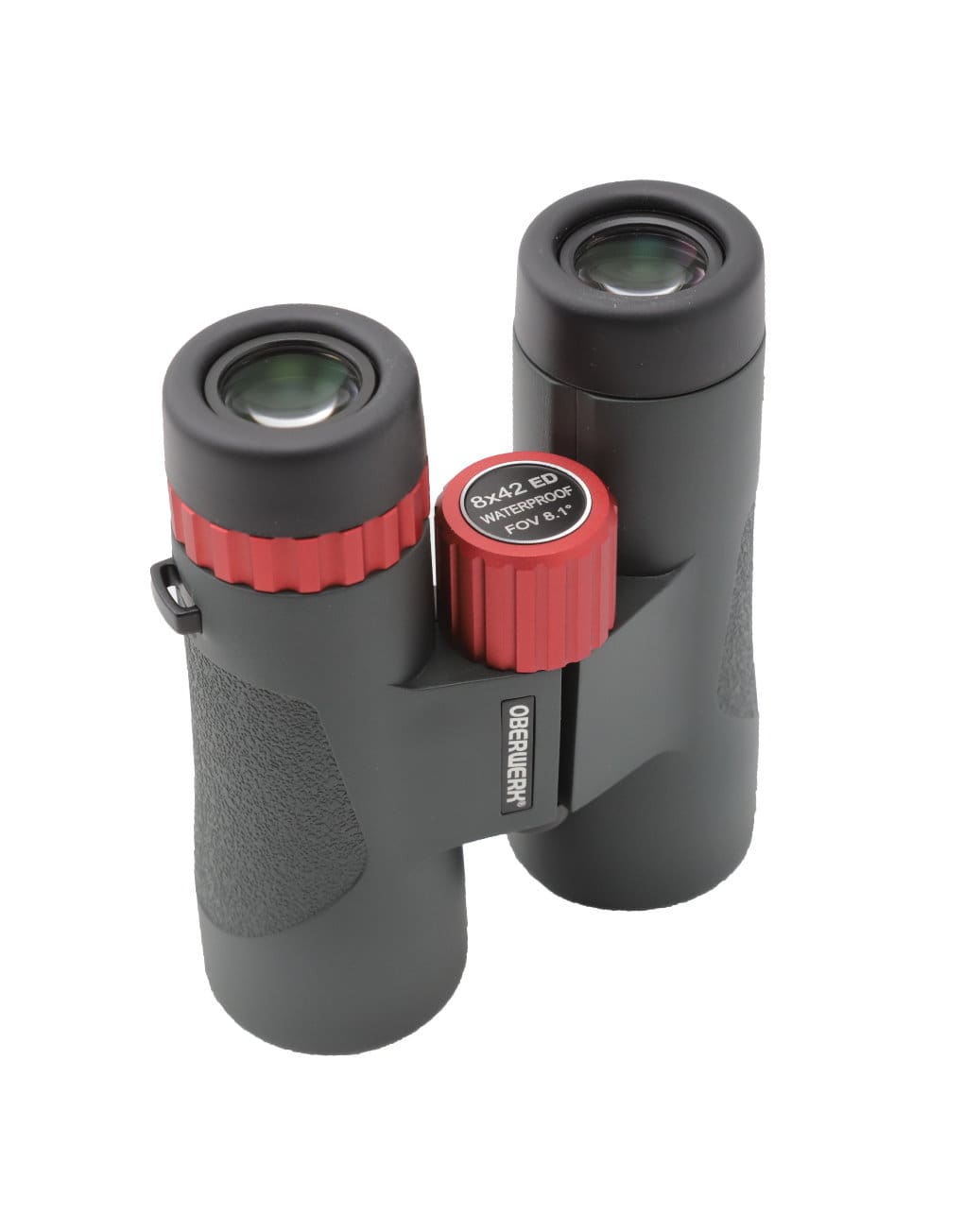
Birding binoculars need very clear lenses for fine details. They use high-quality glass to show sharp images of birds. These lenses help see colors and patterns clearly.
- Sports binoculars: durable glass, bright light use
- Birding binoculars: high clarity, color accuracy
- Sports lenses: built for quick focus
- Birding lenses: designed for detailed views
Credit: oberwerk.com
Durability And Weather Resistance
Binoculars for sports and birding need to be strong and handle different weather. Durability and weather resistance are very important for both types.
These features help binoculars last longer and work well outdoors. Let’s look at how sports and birding binoculars differ in these areas.
Sports Binoculars Durability
Sports binoculars are built to take rough use. They often face fast movements and impact from drops or bumps.
Manufacturers use tough materials like rubber coatings to protect them. This makes the binoculars shockproof and easy to grip.
- Rubber armor covers the body for shock resistance
- Strong frames prevent damage from drops
- Compact design reduces risk of breakage
Birding Binoculars Weatherproofing
Birding binoculars focus more on weather resistance. They often need to work in rain, fog, or cold conditions.
Most birding models are waterproof and fog-proof. They use special seals and gases inside to keep moisture out.
- Waterproof seals prevent water entry
- Fog-proof systems stop lens fogging
- Coatings protect lenses from scratches and dirt
Size And Weight Considerations
Binoculars come in many shapes and sizes. Choosing the right size and weight matters for your activity. Sports fans and birdwatchers have different needs.
Understanding how size and weight affect use helps you pick the right binoculars. This guide looks at what matters most for sports and birding.
Portability For Sports Fans
Sports binoculars should be easy to carry and quick to use. Fans often move around or hold binoculars for a long time. Light and compact models work best.
- Smaller size fits easily in bags or pockets
- Lightweight design reduces arm strain
- Quick focus helps catch fast action
- Durable build stands up to outdoor use
Comfort For Birdwatchers
Birdwatchers often carry binoculars for hours. Comfort and ease of use are very important. Size and weight affect how long you can watch without feeling tired.
| Feature | Importance | Reason |
|---|---|---|
| Weight | High | Lighter binoculars reduce fatigue on long walks |
| Grip size | Medium | Comfortable grip prevents slipping during use |
| Size | Medium | Moderate size balances view quality and portability |
| Strap quality | High | Padded straps add comfort during extended wear |

Credit: www.amazon.ca
Focus Mechanisms
Binoculars use different focus systems depending on their use. Sports binoculars need quick focus to track fast action. Birding binoculars require precise focus to see fine details.
Understanding these focus types helps choose the right binoculars for your activity. Focus speed and accuracy matter in sports and birding.
Fast Focus For Sports
Sports binoculars often use a central focus wheel that moves quickly. This lets you adjust focus fast while following moving players or objects.
- Large focus wheel for easy turning
- Quick response to small adjustments
- Durable design for active use
- Focus lock to keep settings during play
Precision Focus For Birding
Birding binoculars use fine focus mechanisms to sharpen small details like feathers. They allow slow, careful adjustment for clarity at different distances.
| Feature | Sports Binoculars | Birding Binoculars |
| Focus Speed | Fast | Slow |
| Adjustment Control | Coarse | Fine |
| Focus Wheel Size | Large | Smaller |
| Durability | High | Moderate |
Price And Brand Preferences
Choosing binoculars for sports or birding depends a lot on price and brand. Both types need clear images but have different demands. This affects what people pay and which brands they trust.
Sports binoculars often focus on durability and wide views. Birding binoculars need sharp details and color accuracy. These needs shape price ranges and brand choices.
Budgeting For Sports Binoculars
Sports binoculars usually cost less than birding ones. Buyers look for tough builds and easy use. Brand names may be less known but focus on rugged design.
- Prices range from $50 to $300, fitting most budgets.
- Brands like Bushnell and Nikon offer solid sports models.
- Cheaper options may lack some features but work well outdoors.
- Mid-range models add waterproofing and better lenses.
- Top brands provide long warranties and reliable customer service.
Investing In Birding Optics
Birding binoculars often cost more. They need sharper images and better color. Popular brands focus on optical quality and comfort.
| Brand | Price Range | Key Features |
| Zeiss | $400 – $2000 | High clarity, color accuracy |
| Swarovski | $800 – $3000 | Exceptional optics, durability |
| Leica | $600 – $2500 | Sharp images, ergonomic design |
| Vortex | $200 – $1000 | Good value, waterproof |
| Nikon | $150 – $1200 | Balanced quality and price |
Frequently Asked Questions
Are Sports Binoculars Different From Birding Binoculars?
Yes, sports binoculars focus on quick target acquisition and durability. Birding binoculars emphasize clarity, color accuracy, and detailed viewing for wildlife observation.
What Features Matter Most In Birding Binoculars?
Birding binoculars need high magnification, wide field of view, and excellent light transmission. These features help spot and identify birds clearly.
Why Choose Sports Binoculars For Fast-paced Events?
Sports binoculars offer a wider field of view and are lightweight. They allow tracking fast-moving objects with minimal delay or strain.
Can Birding Binoculars Work For Sports Events?
While birding binoculars provide sharp images, they may be heavier and narrower in view. Sports binoculars are generally better for dynamic, fast action.
Conclusion
Sports binoculars and birding binoculars serve different needs. Sports versions focus on wide views and quick focus. Birding binoculars offer sharper details and better color. Choosing the right type helps you enjoy your activity more. Think about what you want to see clearly.
Comfort and ease of use matter too. Both types improve your viewing experience in unique ways. Pick the binoculars that match your main interest. Enjoy your sport or bird watching with the right gear.