When it comes to keeping your property safe, choosing the right tools can make all the difference. You might be wondering: are binoculars better than spotting scopes for security?
It’s a question that could change how you monitor your surroundings and protect what matters most. You’ll discover the key differences between these two devices, how each one works in real-life security situations, and which one could give you the edge you need.
Keep reading to find out which option fits your security needs perfectly.
Binoculars Basics
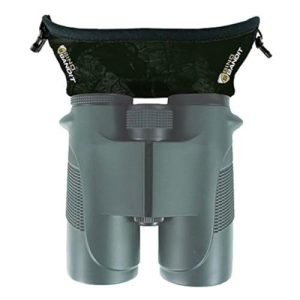
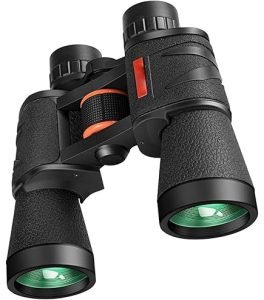
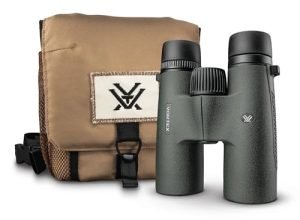
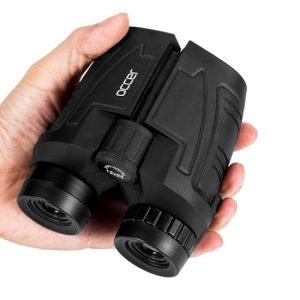
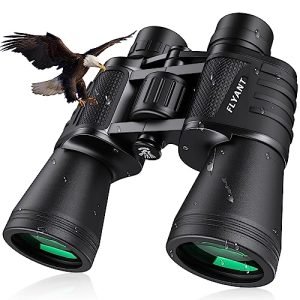
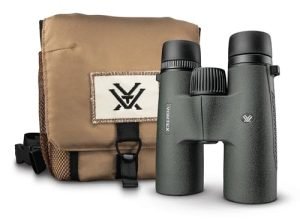
Binoculars are optical devices that help you see distant objects clearly. They use two lenses, one for each eye, to give a three-dimensional view.
People use binoculars for many activities, including security. They offer a way to watch areas without moving closer.
Design And Portability
Binoculars are usually small and light. This makes them easy to carry around.
You can hold binoculars with your hands or hang them around your neck. This helps you stay ready to use them anytime.
Field Of View
The field of view is how wide an area you can see through binoculars. A wider view helps you scan large spaces quickly.
Binoculars offer a broad field of view compared to spotting scopes. This is useful for spotting movement or objects fast.
Magnification And Clarity
Magnification shows how much closer objects appear. Binoculars usually have lower magnification than spotting scopes.
Lower magnification helps keep images clear and easy to follow. This is important for security to avoid missing details.
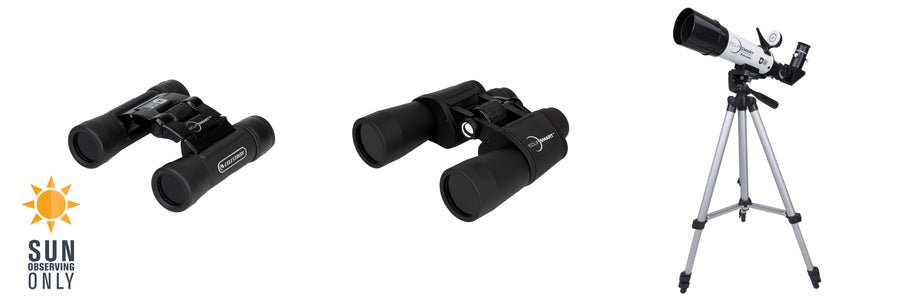
Credit: gritroutdoors.com
Spotting Scopes Features
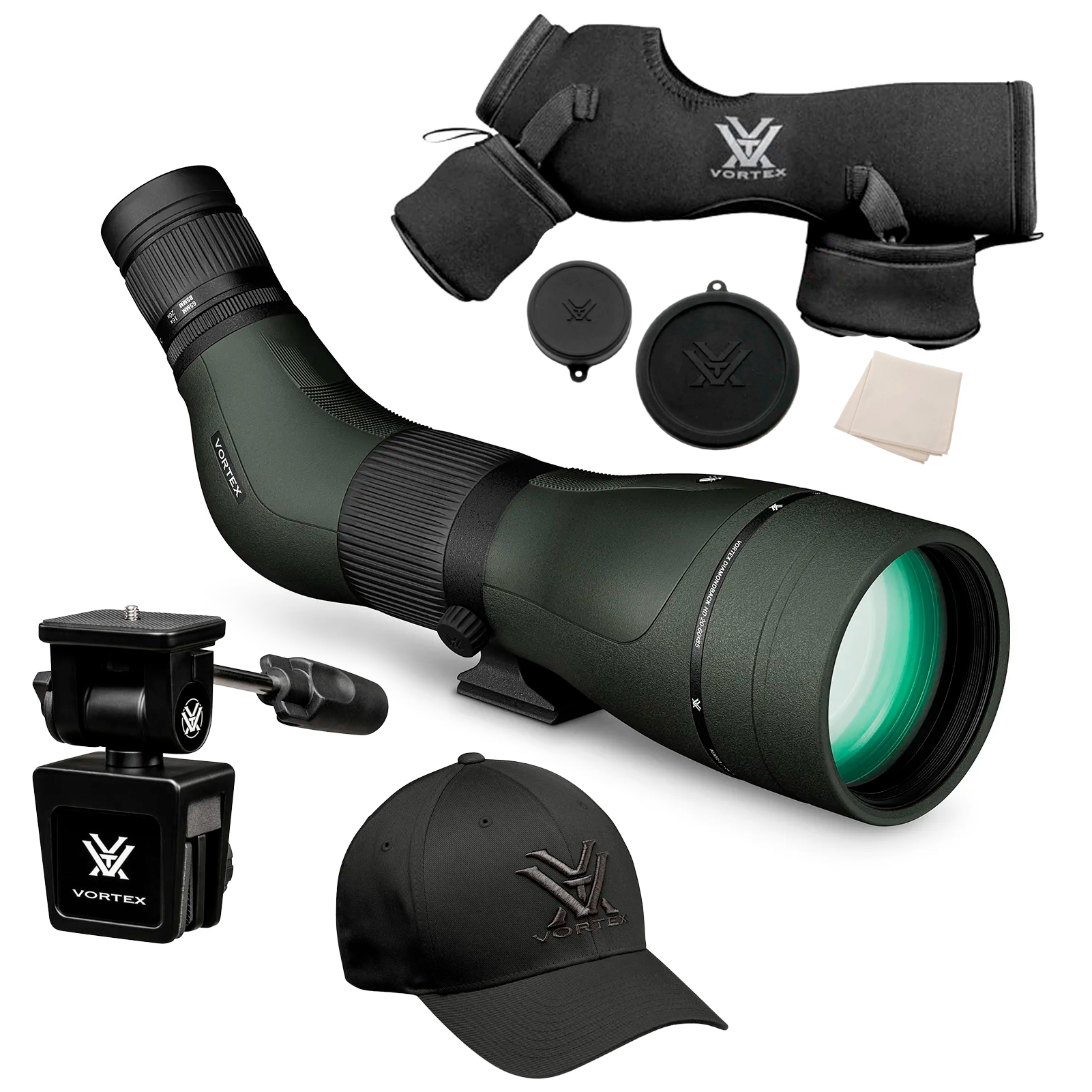
Spotting scopes are powerful tools for security surveillance. They help view distant objects clearly. Their design suits long-range observation better than binoculars.
This article explains key features of spotting scopes. Understanding these features helps decide if they fit your security needs.
Optical Power
Spotting scopes have high optical power, meaning strong magnification. They can zoom in on distant subjects with great detail. This makes them ideal for spotting movements far away.
Optical power depends on two main parts: the objective lens and the eyepiece. A larger objective lens captures more light, improving image brightness. Variable eyepieces allow different zoom levels.
Stability And Mounting
Spotting scopes require stable mounting for steady viewing. High magnification makes even small shakes distracting. Tripods and mounts help keep the scope firm and steady.
- Tripods offer adjustable height and angle
- Ball heads allow smooth panning and tilting
- Quick-release mounts ease setup and removal
- Stable mounting reduces image blur and fatigue
Durability And Weather Resistance
Durability is important for outdoor security use. Spotting scopes often have weatherproof bodies. This protects them from rain, dust, and fog.
| Feature | Description |
| Waterproof | Prevents water damage during rain or humidity |
| Fog proof | Stops internal fogging in cold or humid conditions |
| Shock resistant | Withstands drops and rough handling |
| Rubber armor | Protects against scratches and improves grip |
Performance In Security Settings
Choosing between binoculars and spotting scopes depends on security needs. Both tools help see far distances, but they work differently.
Understanding their performance helps decide which suits your security tasks best.
Distance And Detail
Spotting scopes usually offer higher magnification than binoculars. This helps see small details at long distances.
Binoculars provide a wider view but with less detail at far range. They are good for scanning areas quickly.
- Spotting scopes: better for long distance and fine detail
- Binoculars: better for wide views and closer ranges
Low Light Conditions
Low light can make seeing hard during dawn or dusk. Binoculars often perform well because they have larger lenses.
Spotting scopes may struggle unless they have special lenses. Good optics improve vision in dark places.
- Binoculars: generally better in low light due to lens size
- Spotting scopes: need good quality lenses for low light use
Ease Of Use During Surveillance
Binoculars are light and easy to carry. You can use them with one hand and move quickly.
Spotting scopes are heavier and need a tripod. They take time to set up but are steady for long watches.
- Binoculars: portable, quick to use, good for moving surveillance
- Spotting scopes: best for fixed positions and long observation
Practical Considerations
Choosing between binoculars and spotting scopes for security depends on practical factors. These include how easy they are to carry, their cost, and where you will use them.
Both tools have strengths and weaknesses. Understanding these helps pick the right option for your needs.
Portability And Setup Time
Binoculars are smaller and lighter. You can carry them easily on your body. They are ready to use right away without extra setup.
Spotting scopes are bigger and heavier. They often need a tripod for stability. Setting up a spotting scope takes more time and effort.
- Binoculars fit in a pocket or small bag
- Spotting scopes require carrying a tripod
- Binoculars work instantly
- Spotting scopes need time to set up
Cost And Maintenance
Binoculars usually cost less than spotting scopes. They have fewer parts, so they need less maintenance. Cleaning and caring for binoculars is easier.
Spotting scopes are more expensive. Their lenses and tripods require careful handling. Maintenance can be more involved and costly over time.
- Binoculars have a lower price range
- Spotting scopes require more care
- Cleaning binoculars is simple and quick
- Spotting scopes need careful lens protection
Versatility For Different Environments
Binoculars work well in many places, including crowded or tight areas. They are good for quick scans and moving around.
Spotting scopes perform best in open spaces. They offer higher magnification but are less flexible in small or busy environments.
- Binoculars suit urban and indoor use
- Spotting scopes excel in open fields
- Binoculars allow fast target switching
- Spotting scopes provide detailed views at long range
Choosing The Right Tool
Security professionals often choose between binoculars and spotting scopes. Each tool has benefits and limits. Picking the right one depends on your specific needs.
Understanding how each device works helps you decide. The right choice improves safety and efficiency in security tasks.
Specific Security Needs
Binoculars are good for quick scans and moving targets. They are lightweight and easy to carry. Spotting scopes provide higher magnification for detailed views over long distances.
Choose binoculars for general patrols and close-range checks. Use spotting scopes for surveillance at fixed points or when detail is crucial.
- Binoculars: wide view, fast target spotting
- Spotting scopes: high zoom, clear long-distance images
- Consider area size and target movement
User Experience And Training
Binoculars are simple to use and need little training. Most people learn to use them quickly. Spotting scopes require steady hands and more practice.
Security staff should train with spotting scopes to avoid blurry images. Training helps users understand focus and magnification settings.
- Binoculars: easy for beginners
- Spotting scopes: need more practice
- Training improves observation skills
Long-term Investment
Binoculars generally cost less and last long with basic care. They are a good choice for teams on a budget. Spotting scopes cost more but offer better detail for certain tasks.
Consider maintenance and replacement parts. Spotting scopes may need more careful handling and occasional repairs.
- Binoculars: lower cost, durable
- Spotting scopes: higher cost, detailed views
- Think about budget and usage frequency

Credit: westernhunter.net
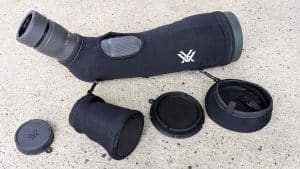
Credit: nadeerhunter.com
Frequently Asked Questions
Are Binoculars Better For Quick Security Checks?
Binoculars offer fast, wide-angle views, ideal for quick security checks. They are portable and easy to use, making them effective for short-range surveillance.
Can Spotting Scopes Detect Distant Threats Effectively?
Spotting scopes provide high magnification and clarity, perfect for long-distance threat detection. They offer detailed views but are less portable than binoculars.
Which Is More Portable: Binoculars Or Spotting Scopes?
Binoculars are generally more compact and lightweight than spotting scopes. This portability makes binoculars convenient for mobile security tasks and on-the-go use.
Do Spotting Scopes Work Better In Low Light Conditions?
Spotting scopes often have larger lenses, allowing more light for better low-light performance. This makes them suitable for dawn, dusk, or shaded environments.
Conclusion
Choosing between binoculars and spotting scopes depends on your security needs. Binoculars offer quick, wide views and easy handling. Spotting scopes provide clearer, detailed images but need a tripod. Consider where you will use them and how far you need to see.
Both tools have strengths for security tasks. Pick the one that fits your situation best. This way, you get effective and reliable security observation.