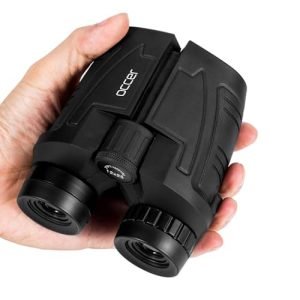
Your binoculars are only as good as their lenses. If your lens filters are dirty or smudged, you won’t see clearly, and your viewing experience will suffer.
But cleaning these delicate filters can feel tricky—you don’t want to scratch or damage them. What if you could learn simple, safe steps to keep your binocular lens filters spotless without any risk? Keep reading, and you’ll discover easy-to-follow tips that protect your gear and bring your view back to life.
Credit: www.kentfaith.com
Choosing The Right Cleaning Tools
Using the right toolsis key to keeping binocular lenses clean and clear. Soft, lint-free clothswork best to avoid scratches. Microfiber cloths are gentle and remove dust effectively. Avoid rough fabrics like paper towels or shirts.
Cleaning solutions should be safe for lenses. Choose those made for optical surfaces. Water mixed with a tiny bit of mild soap also works well. Harsh chemicals can damage lens coatings.
- Do not usehousehold cleaners or alcohol.
- Avoid tissues or napkinsthat leave fibers behind.
- Never use abrasive materialsthat might scratch.
Preparing For Lens Cleaning
Gather soft, clean microfiber cloths and a gentle lens cleaning solution before starting. Ensure your hands are clean and dry to avoid smudges or damage. Find a dust-free area to protect the lenses during cleaning.
Inspecting The Lens Surface
Look closely at the lens. Check for dustand smudges. Use a bright light to see better. Hold the binoculars gently. Avoid touching the lens with fingers. Use a soft brushor blowerto remove loose dirt. Be careful not to scratch the lens surface.
Setting Up A Clean Workspace
Find a quietand brightarea to work. Clean the table with a dry cloth. Keep all cleaning tools nearby. Use a soft clothfor lens cleaning. Put down a mator paper to protect the lens. Make sure your hands are clean and dry. Avoid using harsh chemicals near the lens.
Step-by-step Cleaning Process
Begin by gently blowing away dust with a soft air blower. Use a microfiber cloth to wipe the lens filter softly in circular motions. Avoid harsh chemicals and always handle the filter with clean hands.
Removing Loose Dust And Debris
Use a soft brush or air blower to remove loose dust. Avoid blowing with your mouth to stop moisture on the lens. Gently brush the surface without pressing hard. This keeps the lens safe from scratches.
Applying Cleaning Solution Safely
Apply a few drops of lens cleaning solution to a clean microfiber cloth. Never put the solution directly on the lens. Use only solutions made for optical lenses to avoid damage.
Gentle Wiping Techniques
Wipe the lens in small, circular motions. Use light pressure to avoid scratching. Start from the center and move outward. Change cloth sides if it gets dirty. Dry the lens with a clean part of the cloth.

Credit: www.amazon.com
Maintaining Lens Filters Post-cleaning
Store lens filters in a clean, dry place to avoid dust and moisture. Use a soft pouch or case to protect them from scratches. Keep filters away from direct sunlight and extreme heat. Avoid placing heavy objects on the filter case to prevent damage.
Set a routine to check and clean your filters regularly. Gently wipe with a microfiber cloth to remove light dust. For stubborn dirt, use lens cleaning solution sparingly. Do not use paper towels or rough fabrics as they can scratch the surface.
- Keep filters in a dedicated container
- Check filters before and after each use
- Clean filters only when needed
- Handle filters with clean, dry hands
Common Mistakes To Avoid
Applying too much pressurecan scratchthe lens. Use a gentle touchinstead. Always clean with soft materialslike a microfiber cloth.
Household cleaners often contain harsh chemicals. These can damagelens coatings. Use onlysolutions made for optics or follow the manufacturer’s recommendations.
Ignoring the manufacturer’s guidelinesrisks voiding warrantiesand damaginglenses. Always read and follow the instructionsfor cleaning and care.
When To Seek Professional Help
Some signs mean the lens needs professional care. Scratches, deep smudges, or cracks can harm the view. If cleaning does not clear dirt or spots, damage might be present. Sometimes the lens coating peels or bubbles. This needs expert handling to avoid more harm.
Trustworthy repair services protect the lens and your money. Look for shops with good reviews and experience in optics. Ask if they use proper tools and safe methods for cleaning and fixing lenses. Check if they offer warranty or guarantee on their work. Pricing should be clear and fair.
| Signs of Lens Damage | Trusted Repair Service Traits |
|---|---|
| Scratches or cracks | Positive customer reviews |
| Peeling lens coating | Experience with optical repairs |
| Unremovable dirt or spots | Use of proper cleaning tools |
| Lens bubbles or warping | Clear pricing and warranties |

Credit: www.amazon.com
Frequently Asked Questions
How Do I Clean Binocular Lens Filters Safely?
Use a soft brush or air blower to remove dust first. Then, gently wipe with a microfiber cloth and lens cleaner. Avoid using rough materials or household cleaners to prevent scratches and damage.
What Materials Are Best For Cleaning Binocular Lenses?
Microfiber cloths and lens cleaning solutions are best. They safely remove dirt and smudges without scratching. Avoid paper towels or rough fabrics that can harm the lens surface.
Can I Use Water To Clean Binocular Lens Filters?
Yes, use distilled water sparingly for stubborn dirt. Apply it with a microfiber cloth, never directly on the lens. Avoid tap water to prevent mineral deposits and damage.
How Often Should I Clean Binocular Lens Filters?
Clean lenses only when necessary to avoid damage. Frequent dry dusting is recommended. Deep cleaning is suggested after heavy use or visible smudges appear.
Conclusion
Cleaning binocular lens filters needs care and the right steps. Use soft cloths and gentle cleaners only. Avoid harsh chemicals or rough materials that can damage lenses. Regular cleaning keeps your view clear and sharp. Take your time and be gentle.
Clean lenses mean better images and longer lens life. Keep your binoculars ready for every adventure. Simple habits protect your gear and improve your experience. Safe cleaning is easy once you know how.