Have you ever noticed dust sneaking into your binoculars, making your views blurry and frustrating? Your binocular dust covers are there to protect your lenses, but when they get damaged or loose, they stop doing their job.
Don’t worry—you don’t have to buy new covers or expensive replacements. In this guide, you’ll learn simple, step-by-step ways to repair your binocular dust covers quickly and easily. Keep reading, and you’ll soon enjoy clear, sharp views again without any hassle.
Credit: ramrajrepairtools.com
Tools And Materials Needed
Basic tools like a small screwdriver, glue, and cleaning cloth are essential. Soft materials help avoid scratching the lenses during repair. Gathering these items ensures a smooth and safe process.
Essential Repair Tools
Binocular repairs need a few basic tools. A small screwdriver is important for screws. Tweezers help with tiny parts. A soft brush gently removes dust. A magnifying glass lets you see small details. Keep a clean cloth handy. It wipes surfaces clean.
Recommended Adhesives And Sealants
Adhesives fix broken parts. Use epoxy glue for strong bonds. Super glue works for quick fixes. Silicone sealant keeps dust out. It seals gaps well. Be careful with glue. Apply it neatly to avoid mess.
Replacement Parts Options
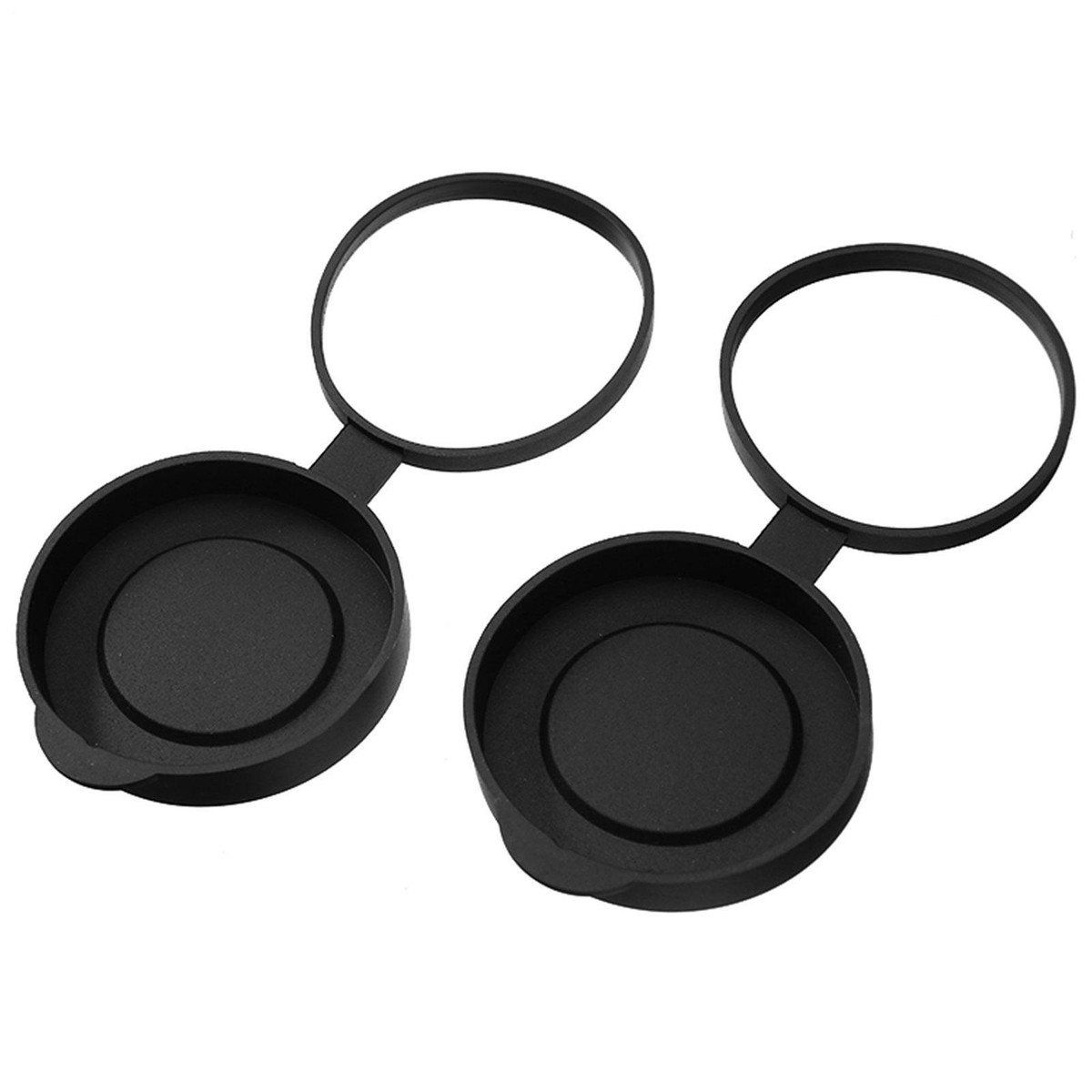
Sometimes parts need replacing. Check stores for new covers. Online shops have many options. Choose covers that fit your binoculars. Replacement lenses are available too. Make sure they match your model. It ensures proper function.
Credit: www.ebay.com
Identifying Common Dust Cover Issues
Cracks and breaks in dust covers can let dust inside binoculars. Tiny cracks may grow larger over time. This can cause dirt to get stuck and damage lenses.
Loose or missing covers fail to protect binoculars properly. Covers might fall off or become loose after rough use. This makes cleaning harder and can cause scratches.
Worn-out seals lose their ability to keep dust out. Rubber or foam seals may dry up or tear. This allows dust and moisture inside, risking lens damage.
Preparing The Binoculars For Repair
Before fixing binocular dust covers, ensure the lenses and body are clean. Use a soft cloth or brush to remove dirt and dust gently. This prevents scratches and helps the adhesive stick better.
Old glue or tape can stop new adhesive from holding well. Remove it carefully with rubbing alcohol or an adhesive remover. Be gentle to avoid damage to the binocular surface.
Proper alignment is key for dust covers to fit correctly. Test fit the covers without glue first. Adjust their position until they sit evenly on both sides. Mark the spot lightly if needed.

Credit: www.facebook.com
Step-by-step Repair Process
Small cracks and splits on binocular dust covers can be repaired using flexible glue. Apply glue carefully along the crack and press the edges together. Let it dry for several hours to ensure a strong bond. Avoid using too much glue to prevent mess.
Loose covers can be reattached by cleaning the surface first. Use rubbing alcohol to remove dirt and oils. Then, apply strong adhesive or double-sided tape on the back of the cover. Press firmly and hold for a few minutes to secure it well.
| Damaged Seals | Replacement Tips |
|---|---|
| Worn or cracked rubber seals | Buy matching seal replacements from binocular suppliers |
| Old adhesive on seal areas | Clean thoroughly before applying new seals |
| Seal fitting | Align seals carefully to avoid gaps or leaks |
Testing And Final Adjustments
Test the dust covers by placing them on the binoculars. Check if they fit snugly and do not wobble. A proper fitkeeps dust and moisture out.
Make sure the covers seal tightly around the edges. A dustproof sealprotects the lenses and internal parts. If gaps are visible, adjust the covers or use soft padding.
- Use small rubber strips for better grip.
- Trim excess material to avoid loose fit.
- Press edges firmly to secure the seal.
Try opening and closing the covers several times. Watch for any looseness or misalignment. Lasting adjustmentsprevent future dust problems.
Preventing Future Damage
Keep binoculars in a cool, dry place to avoid dust and moisture.
Use a soft cloth to clean dust covers regularly. Dirt can cause scratches.
Store binoculars in a padded case. This protects from bumps and drops.
- Choose cases with soft lining for extra protection.
- Use lens caps and dust covers when not in use.
- Keep binoculars away from direct sunlight and heat sources.
Frequently Asked Questions
How Do I Fix Torn Binocular Dust Covers?
To fix torn dust covers, use strong adhesive or replace with new covers. Clean the surface first for better adhesion. Small tears can be sealed with clear tape temporarily.
What Materials Are Best For Binocular Dust Cover Repair?
Silicone adhesive, rubber patches, or vinyl tape work well for repairs. These materials provide flexibility and durability, ensuring long-lasting protection against dust and moisture.
Can I Clean Binocular Dust Covers Without Damage?
Yes, clean covers gently using a soft cloth and mild soap. Avoid harsh chemicals or abrasive materials that can degrade the cover’s surface or adhesive.
How Often Should I Replace Binocular Dust Covers?
Replace dust covers when they show cracks, tears, or lose elasticity. Regular inspection every 6 months helps maintain binocular protection and prolongs device lifespan.
Conclusion
Repairing binocular dust covers can save you time and money. Small fixes often stop dust from harming your lenses. Keep your binoculars clean and protected for better use. Regular care helps your equipment last longer and work well. Try simple repairs first before buying new covers.
With patience, you can fix most dust cover problems easily. Protect your view and enjoy clearer images every time.