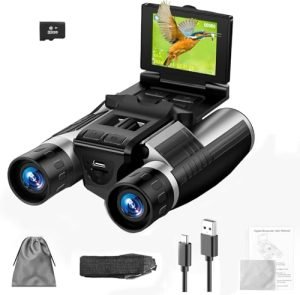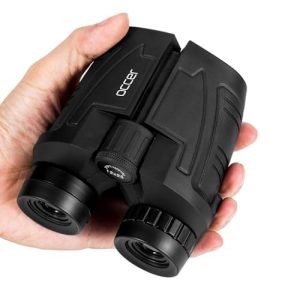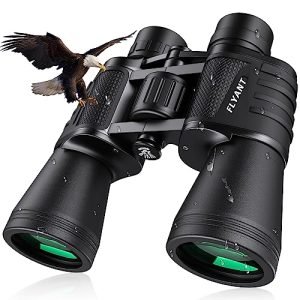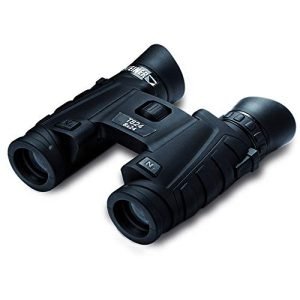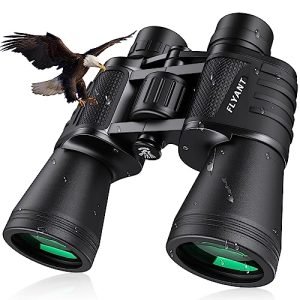
You’ve just returned from an intense outdoor adventure, and your binoculars have taken a beating. Dirt, dust, and smudges now cloud your lenses, making your next viewing experience frustrating.
Cleaning binocular lenses after heavy outdoor use isn’t as tricky as you might think. With the right steps, you can restore crystal-clear vision quickly and safely. Keep reading, and you’ll discover simple techniques to protect your investment and enjoy sharp, vibrant views every time you look through your binoculars.

Credit: www.facebook.com
Essential Tools And Materials
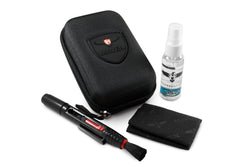
Choosing the right cleaning supplies is key for safe lens care. Use a soft microfiber clothto avoid scratches. These cloths trap dust and dirt without rubbing them into the lens surface.
Avoid using paper towels or clothing, as they can damage the lens coating. Use lens cleaning solutionmade for optics. Do not apply household cleaners.
Keep a small brush or air blower handy to remove loose dirt before wiping. This prevents pushing grit across the lens.
| Tool | Purpose |
|---|---|
| Microfiber Cloth | Gentle cleaning without scratches |
| Lens Cleaning Solution | Remove smudges and dirt safely |
| Air Blower | Blow away loose dust |
| Soft Brush | Remove stubborn particles gently |
Preparing Your Binoculars
Carefully remove any straps or covers from the binoculars. This makes cleaning easier and safer. Avoid forcing parts apart to prevent damage.
Check the binoculars for any cracks, loose parts, or scratches before cleaning. This helps decide how gently you need to clean them. If parts are broken, avoid disassembling further.
Dry Cleaning Techniques
Using a soft brushhelps remove loose dirt gently. A brush with soft bristles avoids scratches on lenses. Lightly sweep the brush across the lenses to clear dust and small particles.
Compressed airblows away dust without touching the lens surface. Use short bursts to avoid moisture build-up. Hold the can upright to prevent spraying liquid. Keep the nozzle a few inches away to protect the lens coating.

Credit: www.amazon.com
Wet Cleaning Methods
Apply lens cleaning solutionsparingly to a soft microfiber cloth. Avoid spraying solution directly on the lenses to prevent damage. Use gentle, circular motions to remove dirt and smudges without scratching the surface.
Use a clean part of the cloth for each wipe to avoid spreading dirt. If stubborn spots remain, apply a small amount of solution again and wipe softly.
- Never use paper towels or rough fabrics.These can scratch lenses.
- Do not press hard.Light pressure cleans better and protects coatings.
- Allow lenses to air dryafter cleaning to avoid streaks.
Addressing Stubborn Stains
Alcohol-based cleaners can remove tough stains on binocular lenses. Use cleaners with at least 70% isopropyl alcohol. Apply a small amount on a soft, clean cloth. Gently wipe the lens surface without pressing hard. Avoid soaking lenses to protect lens coatings. Let lenses air dry after cleaning.
- Do not use paper towelsor rough cloths.
- Avoid household cleanerswith ammonia or bleach.
- Never use abrasive materialslike sandpaper or scrubbing pads.
- Use microfiber clothsfor safe cleaning.
- Handle lenses carefullyto avoid scratches.
Final Inspection And Maintenance
Gently blow off loose dust from the lenses using a soft brush or air blower. Use a microfiber cloth with lens cleaner to wipe smudges carefully. Regularly check for scratches or damage to keep your binoculars clear and ready for use.
Checking For Residue
Check the lenses carefully for any leftover dirt or dust. Use a soft brush or cloth to remove small particles. Do not press hard, as it can scratch the lens. If sticky spots remain, use a lens cleaning solution with a microfiber cloth. Avoid using tissue or rough fabrics.
Proper Storage Practices
Store binoculars in a dry place to avoid moisture damage. Keep them in a protective case when not in use. Avoid leaving them in direct sunlight or extreme temperatures. Clean the lenses before storing to prevent buildup. Regularly check the storage case for dirt or moisture.
Preventive Measures
Using lens capsprotects binocular lenses from dust, dirt, and scratches. Always cover lenses when not in use. This simple habit keeps lenses clean and safe. Lens caps also prevent moisture build-up during outdoor activities.
A regular cleaning routinehelps keep lenses clear. Use a soft brush or air blower to remove loose dirt first. Avoid wiping lenses with rough cloths to prevent scratches. Then, gently clean with a microfiber cloth and lens cleaner. Doing this after every use keeps lenses in good shape.

Credit: mohonkpreserve.medium.com
Frequently Asked Questions
How Do I Safely Remove Dust From Binocular Lenses?
Use a soft brush or air blower to gently remove dust. Avoid wiping dry dust directly, as it may scratch lenses.
What Is The Best Way To Clean Binocular Lenses After Mud?
First, rinse lenses lightly with clean water to remove mud. Then use lens cleaning solution and a microfiber cloth to wipe gently.
Can Household Cleaners Be Used On Binocular Lenses?
No, household cleaners can damage lens coatings. Always use products specifically designed for optical lenses.
How Often Should I Clean Binocular Lenses After Outdoor Use?
Clean lenses after every heavy outdoor use to maintain clarity and prevent damage from dirt or moisture buildup.
Conclusion
Cleaning binocular lenses after heavy outdoor use keeps them clear and sharp. Use a soft brush first to remove loose dirt gently. Then, apply lens cleaner with a microfiber cloth to wipe away smudges. Avoid harsh chemicals or rough materials that can cause scratches.
Regular care helps your binoculars last longer and work better. Taking a few minutes to clean lenses improves your viewing experience every time. Remember, clean lenses make your outdoor adventures more enjoyable and clear. Keep your binoculars ready for the next trip by following these simple steps.