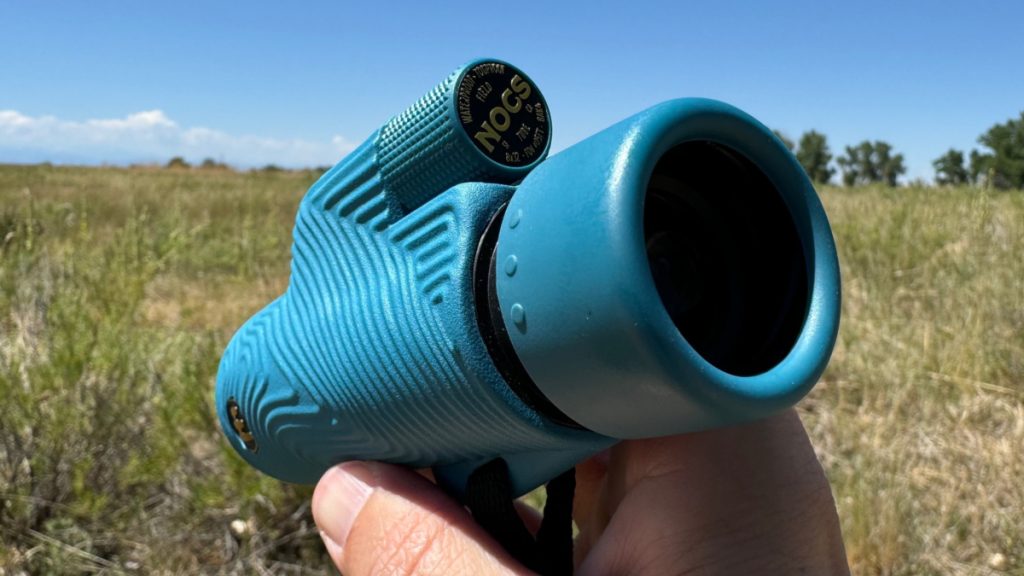
Imagine you’re out exploring, and the rain starts pouring down. You want to keep enjoying the view, but water droplets blur your vision through your monocular.
What if you could keep your gear working perfectly no matter the weather? You’ll discover simple yet powerful tips to use your waterproof monoculars confidently in rainy conditions. By the end, you’ll know how to protect your device, maintain clear sight, and make the most of your outdoor adventures—even when the skies open up.
Ready to never miss a moment because of rain? Let’s dive in.
Choosing The Right Waterproof Monocular
Waterproof monocularsmust have a strong and sealed body. This stops water from getting inside. Look for fog-prooflenses too. They keep your view clear in wet weather. The size matters; choose one that is easy to hold with wet hands.
Lens quality is key for a sharp image. Check for multi-coated lensesthat reduce glare and improve brightness. Also, a good grip and lightweight design help in rainy conditions.
| Brand | Waterproof Rating | Lens Coating | Price Range |
|---|---|---|---|
| Vortex | IPX7 (waterproof up to 1m) | Fully Multi-Coated | $$$ |
| Nikon | Waterproof & Fogproof | Multi-Coated | $$ |
| Bushnell | Waterproof & Fogproof | Multi-Coated | $ |

Credit: www.amazon.com
Preparing For Rainy Conditions
Always check the weather forecastbefore heading out. Rain can start suddenly, so knowing the forecast helps you stay prepared. Use a reliable app or website to track weather changes.
- Waterproof monoculars:Essential to keep your view clear in the rain.
- Protective case:Keeps your gear safe when not in use.
- Microfiber cloth:Wipes away raindrops without scratching lenses.
- Rain jacket or poncho:Keeps you dry and comfortable.
- Secure straps:Prevents dropping your monocular in slippery conditions.
Knowing the weather helps decide what gear to carry. Stay ready and dry.
Techniques For Using Monoculars In Rain
Hold the monocular firmlywith both hands to avoid slipping. Use a non-slip straparound your wrist for extra security. Keep your hands dryby wearing waterproof gloves or using a cloth. Avoid touching the lens with wet fingers to keep it clear.
Rain can make it hard to see through the monocular. Use the focus ring slowlyto adjust for low visibility. Try to find spots where rain drops are less dense. Wipe the lens gently with a soft, dry clothif water spots appear.
Maintaining Clear Vision
Lens foggingcan blur your view. Keep lenses dry and warm to prevent fog. Store your monocular in a warm place before use. Use anti-fog wipes or sprays made for optics. Avoid breathing directly on the lens to reduce fog. Carry a microfiber cloth to wipe away moisture gently.
Clean lenses only with soft cloths to avoid scratches. Use lens cleaning solution, not household cleaners. Rinse off dirt with clean water before wiping. Dry the monocular after rain exposure to stop water spots. Store it in a dry case to protect from dust and moisture. Check seals and o-rings often to keep the waterproof feature working well.
Safety Precautions
Rain makes surfaces very slippery. Always watch your step. Walk slowly and carefully to avoid falls. Use shoes with good grip. Stay on paths that are less wet and muddy. Avoid walking on moss or wet leaves.
Wear protective clothingto stay dry and warm. A waterproof jacket and pants work best. Use a hat with a brim to keep rain off your face. Gloves help keep your hands warm and dry. Carry a small towel to wipe your monocular if it gets wet.

Credit: www.amazon.com
Enhancing Experience In Wet Weather
Waterproof monocularshelp you see clearly even in wet weather. Rain can blur your vision, but these tools keep water out. They have special coatings to stop fog and moisture. Carry a small cloth to wipe drops off the lens. Always keep the monocular close to your body to stay warm. Cold lenses fog up faster.
Use a strap to hold the monocular steady. This stops shaking and lets you focus better. Try to find cover under trees or umbrellas. Light rain is easier to handle than heavy downpours.
- Check lens coatings before using in rain.
- Keep the lens clean and dry.
- Wear waterproof clothes for comfort.
- Use a lens cap when not in use.
Spotting wildlife in rain needs patience. Animals may hide or move less. Wait quietly and watch for movement. Wet weather can show animals drinking or feeding. Use your monocular to get close views without disturbing them.
Credit: www.lindunv.com
Frequently Asked Questions
What Makes Monoculars Waterproof For Rainy Conditions?
Waterproof monoculars have sealed O-rings and special coatings. These features prevent water, dust, and moisture from entering. This ensures clear vision and protects internal lenses during rain.
How Do I Clean Waterproof Monoculars After Rain?
Use a soft, dry cloth to wipe off water droplets. Avoid harsh chemicals that can damage lens coatings. Always store the monocular in a dry case after cleaning.
Can Waterproof Monoculars Fog Up In Rain?
Yes, fogging can occur due to temperature changes. High-quality waterproof monoculars often have nitrogen or argon purging to reduce fogging. Proper ventilation also helps minimize lens fog during rain.
Are Waterproof Monoculars Suitable For Heavy Rain?
Yes, waterproof monoculars are designed to withstand heavy rain. Their sealing and protective features keep water out. However, avoid submerging them underwater unless they are fully waterproof or submersible.
Conclusion
Using waterproof monoculars in rainy weather keeps your view clear and sharp. Always hold your device steady and wipe off water drops gently. Choose spots with less rain or some cover to protect your gear. Regularly check seals and clean your monocular after use.
These simple steps help your device last longer and perform better. Enjoy nature’s beauty, rain or shine. Stay prepared and keep your eyes on the scene.