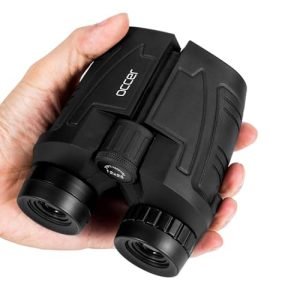
Your binoculars open up a world of clear views, but dirty lenses can quickly ruin that experience. If you want to keep your lenses spotless without harming the environment, you’re in the right place.
Cleaning your binocular lenses with eco-friendly solutions is easier than you think. You’ll discover simple, safe methods that protect your gear and the planet. Ready to learn how to make your lenses shine and see the difference? Keep reading—you won’t want to miss these tips.

Credit: www.youtube.com
Choosing Eco-friendly Cleaning Materials
Natural cleaning agentslike distilled water and vinegar help clean lenses safely. They do not harm the environment or the lens coating. Mixing a small amount of vinegar with water creates an effective, gentle cleaner.
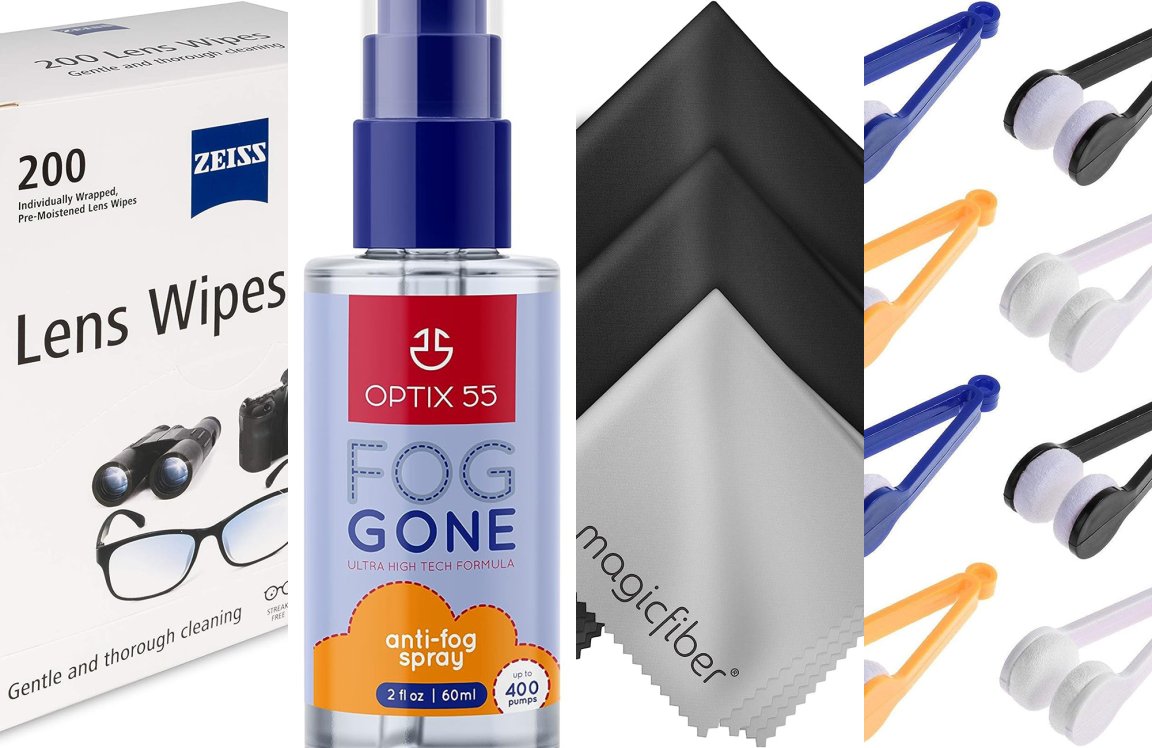
Reusable cleaning clothsmade from microfiber are soft and gentle on lenses. These cloths can be washed and used many times, reducing waste. Avoid paper towels or rough fabrics that may scratch the glass.
Avoiding harmful chemicalsprotects both your health and nature. Stay away from cleaners with ammonia, alcohol, or strong solvents. These can damage lens coatings and pollute water sources.
Preparing Your Cleaning Solution
Mix gentle soap with water to create a safe, eco-friendly cleaning solution. Avoid harsh chemicals to protect your binocular lenses and the environment. Use this mild mix to clean lenses without causing damage.
Mixing Vinegar And Water
Mix equal parts of white vinegarand clean water. This creates a gentle, effective cleaning liquid. Vinegar helps remove dirtand smudgeswithout harsh chemicals. Use this solution with a soft cloth to avoid scratches.
Using Mild Castile Soap
Add a few drops of mild Castile soapto water. This soap is plant-basedand safe for lenses. It cleans well without leaving sticky residue. Rinse lenses with clean water after wiping.
Essential Oils For Freshness
Add 2-3 drops of essential oilslike lavender or tea tree. They give a fresh scentand have natural antibacterial properties. Only a small amount is needed to keep the solution eco-friendly and safe.
Step-by-step Cleaning Process
Start by gently blowing air to remove loose dust and debrisfrom the lenses. Use a soft brush or a clean, dry microfiber cloth to brush away remaining particles. Avoid using rough materials that can scratch the lenses.
Mix a small amount of eco-friendly cleaning solution with water. Apply a few drops to a clean microfiber cloth, not directly on the lenses. The solution should be gentle and free from harsh chemicals to protect lens coatings.
Wipe the lenses carefully in a circular motion using the damp cloth. Avoid pressing too hard to prevent damage. Use a dry part of the cloth to remove any leftover moisture. Repeat if needed until lenses look clear and streak-free.
Maintaining Binoculars After Cleaning
Keep binocular lenses clean by using gentle, eco-friendly solutions to avoid damage. Store them in a dry, dust-free case to maintain clarity and extend their life. Regularly check and handle lenses with care to preserve their performance.
Proper Storage Tips
Keep binoculars in a dry, cool place to avoid moisture damage. Use a soft case to protect them from dust and scratches. Store lenses facing up to prevent dirt buildup. Avoid direct sunlight to protect lens coatings.
Regular Maintenance Routine
- Use a soft cloth to wipe lenses gently after each use.
- Check for dirt or smudges and clean with eco-friendly solutions.
- Inspect binoculars for any loose parts or damage regularly.
- Keep lenses covered with caps when not in use.
Protecting Lenses From Damage
Never use rough materials that can scratch lenses. Avoid touching lenses with fingers. Use a blower brush to remove dust safely. Handle binoculars with care to prevent drops and impacts. Regular cleaning keeps lenses clear and sharp.
Benefits Of Eco-friendly Cleaning
Eco-friendly cleaninghelps protect nature by using fewer chemicals. This means less pollution in water and air. It keeps plants and animals safe from harm caused by harsh cleaners.
Using natural solutions is better for your health. It lowers the risk of skin irritation and breathing problems. These cleaners are gentle and safe to use around children and pets.
- Cost-effective:Natural ingredients like vinegar and baking soda are cheap.
- You can find them easily at home or nearby stores.
- No need to buy expensive, chemical-based products.

Credit: www.binocularoutlet.co.uk
Credit: www.popsci.com
Frequently Asked Questions
How Do I Safely Clean Binocular Lenses At Home?
Use a soft microfiber cloth and eco-friendly cleaning solutions. Avoid harsh chemicals to protect lens coatings. Gently wipe lenses in a circular motion to remove dust and smudges without scratching.
What Are The Best Eco-friendly Solutions For Lenses?
Mix distilled water with a few drops of white vinegar or mild soap. These natural cleaners are effective and safe for lenses. Avoid alcohol or ammonia-based products that can damage coatings.
How Often Should Binocular Lenses Be Cleaned?
Clean lenses only when visibly dirty or smudged. Over-cleaning can damage coatings. Regularly dust lenses with a soft brush or blower to maintain clarity and extend lens life.
Can I Use Household Items To Clean Binocular Lenses?
Yes, use a microfiber cloth and a diluted mix of distilled water and vinegar. Avoid paper towels, tissues, or abrasive materials that can scratch the lenses. Always use gentle, eco-friendly solutions.
Conclusion
Cleaning binocular lenses with eco-friendly solutions is simple and effective. You protect the environment and your gear at the same time. Gentle products are better for the lens and our planet. Regular cleaning keeps your binoculars clear and ready for use.
Enjoy nature without worrying about smudges or scratches. Safe materials ensure your lenses last longer. Take care of your binoculars; they will serve you well. Make the eco-friendly choice for cleaner, clearer views. Your adventures will be more enjoyable with clear lenses.
Keep exploring, keep cleaning, and keep it green!