Yes, many night vision monoculars can be used during the day, but it depends on the generation and build quality. While Gen 1 devices may struggle or get damaged in bright light, Gen 2 and Gen 3 models with proper protection are often safe for daytime use. Always check your device’s specifications to avoid harming the sensitive image intensifier tube.
Key Takeaways
- Not all night vision monoculars are safe for daytime use: Gen 1 models are more vulnerable to light damage, while Gen 2 and Gen 3 are generally more resilient.
- Auto-gating technology helps protect the device: This feature automatically adjusts to sudden light changes, reducing the risk of damage.
- Use a lens cap or filter in bright conditions: Adding a neutral density (ND) filter or using the built-in lens cover can protect the intensifier tube.
- Daytime use may reduce image quality: Even if safe, the image might appear washed out or overly bright in daylight.
- Check the manufacturer’s guidelines: Always refer to the user manual to confirm if your monocular is rated for daytime operation.
- Prolonged exposure to direct sunlight can cause permanent damage: Avoid pointing the monocular at the sun or very bright sources without protection.
- Hybrid or digital night vision devices are safer for daytime: These models use sensors instead of image intensifier tubes and are less prone to damage.
📑 Table of Contents
Can Night Vision Monocular Be Used During Daytime Safely?
If you’ve ever owned or considered buying a night vision monocular, you’ve probably wondered: can you use it during the day? After all, it’s a versatile tool—great for wildlife observation, security, hunting, or even nighttime hiking. But what happens when the sun comes up? Is it safe to keep using your monocular in daylight, or are you risking damage to the device?
The short answer is: it depends. Not all night vision monoculars are created equal, and their ability to handle daytime conditions varies significantly based on the technology inside. Some models are perfectly fine in daylight, while others can suffer permanent damage if exposed to bright light. Understanding the differences between generations, features, and safety precautions is key to using your monocular safely and effectively—no matter the time of day.
In this guide, we’ll break down everything you need to know about using a night vision monocular during the day. From how night vision works to practical tips for protecting your device, we’ll help you make informed decisions and get the most out of your gear.
How Night Vision Monoculars Work
To understand whether a night vision monocular can be used safely in daylight, it helps to know how these devices function. At their core, traditional night vision monoculars rely on an image intensifier tube—a highly sensitive component that amplifies available light (like moonlight or starlight) to create a visible image.
There are three main generations of night vision technology:
Generation 1 (Gen 1)
These are the most basic and affordable models. They work well in low-light conditions but have limited range and resolution. Gen 1 monoculars are highly sensitive to bright light and can be damaged if exposed to daylight without protection. They lack advanced features like auto-gating, making them risky for daytime use.
Generation 2 (Gen 2)
Gen 2 devices offer better image clarity, longer range, and improved performance in low light. They include microchannel plates that boost light amplification. Many Gen 2 monoculars come with auto-gating technology, which helps protect the intensifier tube from sudden bursts of light—making them more suitable for daytime use, especially in shaded or overcast conditions.
Generation 3 (Gen 3)
These are the top-tier models used by military and law enforcement. They provide exceptional image quality and durability. Gen 3 monoculars almost always include auto-gating and are designed to handle a wider range of lighting conditions. With proper care, they can be safely used during the day, though image quality may still be affected.
Digital and Hybrid Night Vision
Unlike traditional tube-based models, digital night vision monoculars use CMOS or CCD sensors similar to those in digital cameras. These devices can often switch between day and night modes, making them inherently safer for daytime use. Hybrid models combine digital sensors with image intensifier tubes for enhanced performance. Because they don’t rely solely on fragile tubes, they’re less prone to damage from bright light.
Risks of Using Night Vision Monoculars in Daylight
While it’s tempting to use your monocular around the clock, doing so without caution can lead to serious problems. The primary risk comes from the image intensifier tube—especially in Gen 1 and some Gen 2 models. These tubes are designed to amplify tiny amounts of light, so exposing them to bright daylight can overwhelm and damage them.
Image Intensifier Tube Damage
The intensifier tube is the heart of a traditional night vision device. When exposed to intense light—like direct sunlight or bright artificial lighting—the tube can suffer “blooming” or “burn-in,” where bright spots permanently damage the phosphor screen. This results in dark spots or reduced image quality that cannot be repaired.
Overexposure and Sensor Saturation
Even if the tube isn’t permanently damaged, bright daylight can cause the image to appear washed out or overly bright. This is known as sensor saturation. The monocular struggles to process the excess light, leading to poor visibility and a frustrating user experience. In some cases, the image may become completely unusable until you move to a darker environment.
Battery Drain and Heat Buildup
Using a night vision monocular in daylight can also cause the device to work harder, leading to faster battery drain. Additionally, prolonged exposure to sunlight can cause the internal components to heat up, potentially affecting performance and longevity.
Reduced Effectiveness in Daylight
Even if your monocular survives daylight use, it may not perform well. Night vision devices are optimized for low-light conditions. In bright environments, the image may lack contrast, appear greenish (due to the phosphor screen), or fail to provide the clarity you’d expect from a standard optical device like binoculars or a spotting scope.
When Is It Safe to Use a Night Vision Monocular During the Day?
Despite the risks, there are situations where using a night vision monocular in daylight is not only safe but practical—especially if you’re using a higher-generation or digital model.
Overcast or Shaded Conditions
On cloudy days or in shaded areas like forests or canyons, ambient light is significantly reduced. In these conditions, even Gen 1 monoculars can be used safely, as long as you avoid pointing them directly at bright light sources. The lower light levels prevent overexposure and reduce the risk of tube damage.
Using Auto-Gating Technology
Auto-gating is a game-changer for daytime use. This feature automatically shuts off the intensifier tube when exposed to sudden bright light, then quickly reactivates it when the light diminishes. It’s commonly found in Gen 2+ devices and helps protect the tube from accidental exposure—like when scanning from a dark room to a sunlit yard.
Digital and Hybrid Models
If you’re using a digital night vision monocular, daytime use is generally safe. These devices don’t rely on fragile image intensifier tubes. Instead, they use electronic sensors that can handle a wide range of lighting conditions. Many digital models even have a “day mode” that disables night vision enhancements for clearer daytime viewing.
With Proper Accessories
Using protective accessories can make daytime use safer. A neutral density (ND) filter reduces the amount of light entering the lens, protecting the intensifier tube. Similarly, keeping the lens cap on when not in use—or using a sunshade—can prevent accidental exposure. Some monoculars come with built-in lens covers designed specifically for daylight protection.
Best Practices for Safe Daytime Use
If you plan to use your night vision monocular during the day, follow these best practices to protect your investment and ensure optimal performance.
Check the User Manual
Always start by consulting the manufacturer’s guidelines. The manual will specify whether your monocular is rated for daytime use and what precautions to take. If the manual warns against daylight exposure, it’s best to follow that advice—even if the device seems to work fine at first.
Use a Lens Cap or Filter
When scanning bright environments, keep the lens cap on unless actively viewing. If you need to use the monocular in daylight, consider attaching an ND filter. These screw-on accessories reduce light intensity and are especially useful for Gen 1 and early Gen 2 models.
Avoid Direct Sunlight
Never point your monocular directly at the sun, even for a second. The concentrated light can instantly damage the intensifier tube. Similarly, avoid using the device near reflective surfaces like water, snow, or glass, which can amplify brightness.
Limit Exposure Time
If you must use your monocular in daylight, keep sessions short. Prolonged exposure increases the risk of heat buildup and tube stress. Use it sparingly and give the device time to cool down between uses.
Consider Upgrading to a Digital Model
If you frequently need to use night vision in both day and night conditions, consider investing in a digital or hybrid monocular. These devices offer greater flexibility and are built to handle varying light levels without risk of damage. While they may not match the image quality of high-end Gen 3 tubes in total darkness, they’re far more versatile for everyday use.
Alternatives for Daytime Observation
While some night vision monoculars can be used during the day, they’re not always the best tool for the job. In bright conditions, you might get better results from alternative optical devices.
Standard Monoculars or Binoculars
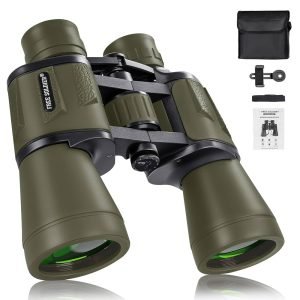
For daytime wildlife watching, hunting, or surveillance, a high-quality monocular or binocular with good magnification and lens coatings will provide sharper, brighter, and more natural-looking images. These devices are designed for daylight use and won’t suffer from the green tint or low contrast typical of night vision.
Thermal Monoculars
If you need to detect heat signatures—like animals or people—during the day, a thermal monocular is a better choice. Thermal imaging works in total darkness and bright daylight alike, as it detects infrared radiation rather than visible light. While more expensive, thermal devices are unaffected by lighting conditions and offer unique advantages for security and tracking.
Hybrid Devices
Some advanced monoculars combine night vision, thermal imaging, and digital zoom in one unit. These hybrid models are ideal for users who need versatility across all lighting conditions. They’re more costly but eliminate the need to switch between devices.
Conclusion
So, can a night vision monocular be used during daytime safely? The answer is a cautious yes—for the right devices and under the right conditions. Gen 2 and Gen 3 monoculars with auto-gating, digital models, and properly protected Gen 1 units can often handle daylight use without damage. However, it’s essential to understand the risks, follow safety guidelines, and know your device’s limitations.
Always prioritize protection: use lens caps, avoid direct sunlight, and consult your manual. And remember, just because you *can* use your monocular during the day doesn’t always mean you *should*. For the best daytime viewing experience, consider pairing your night vision gear with a standard monocular or thermal device.
By using your night vision monocular wisely, you’ll extend its lifespan, protect its sensitive components, and enjoy clear, reliable performance—whether you’re scanning a moonlit trail or observing wildlife at dawn.
Frequently Asked Questions
Can I use a Gen 1 night vision monocular in daylight?
It’s not recommended. Gen 1 monoculars are highly sensitive to bright light and can suffer permanent damage if exposed to daylight without protection. Use only in very low-light or shaded conditions, and always with a lens cap or filter.
Will using my monocular during the day ruin it?
It depends on the model. Higher-generation devices with auto-gating are more resilient, but prolonged or improper use in bright light can still cause damage. Always follow the manufacturer’s guidelines to avoid harming the image intensifier tube.
Do I need a filter to use night vision in daylight?
A neutral density (ND) filter can help reduce light intensity and protect the intensifier tube, especially for Gen 1 and early Gen 2 models. While not always required, it’s a smart precaution for safer daytime use.
Can digital night vision monoculars be used in daylight?
Yes, digital night vision monoculars are generally safe for daytime use. They use electronic sensors instead of fragile image intensifier tubes, making them more durable and adaptable to varying light conditions.
Why does my night vision monocular look green in daylight?
The green tint comes from the phosphor screen inside the image intensifier tube, which is a normal part of night vision technology. In daylight, this effect can make the image appear washed out or unnatural, reducing clarity.
What should I do if I accidentally exposed my monocular to bright light?
Turn off the device immediately and allow it to cool. Check for signs of damage like dark spots or blurry areas. If the image quality is compromised, contact the manufacturer or a certified repair service for evaluation.