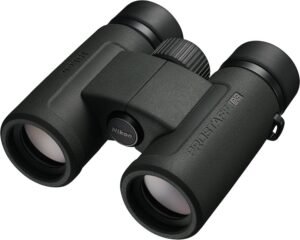
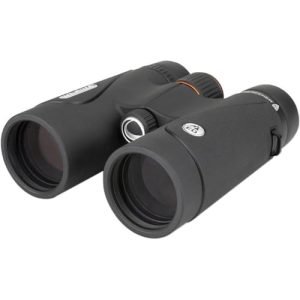
For aspiring backyard astronomers or those who want to casually explore the night sky without the bulk of a telescope, lightweight binoculars are a fantastic choice. They offer portability, ease of use, and a surprisingly detailed view of celestial wonders like the Moon, brighter planets, star clusters, and nebulae. Finding the “best” pair depends on your specific needs, but we’ve rounded up some top contenders that balance weight, optical quality, and astronomical performance.
Quick Product Comparison
Our Top 4 Best Lightweight Binoculars For Astronomy Reviews – Expert Tested & Recommended
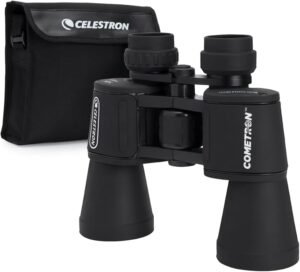
1. Celestron Cometron 7×50 Binoculars
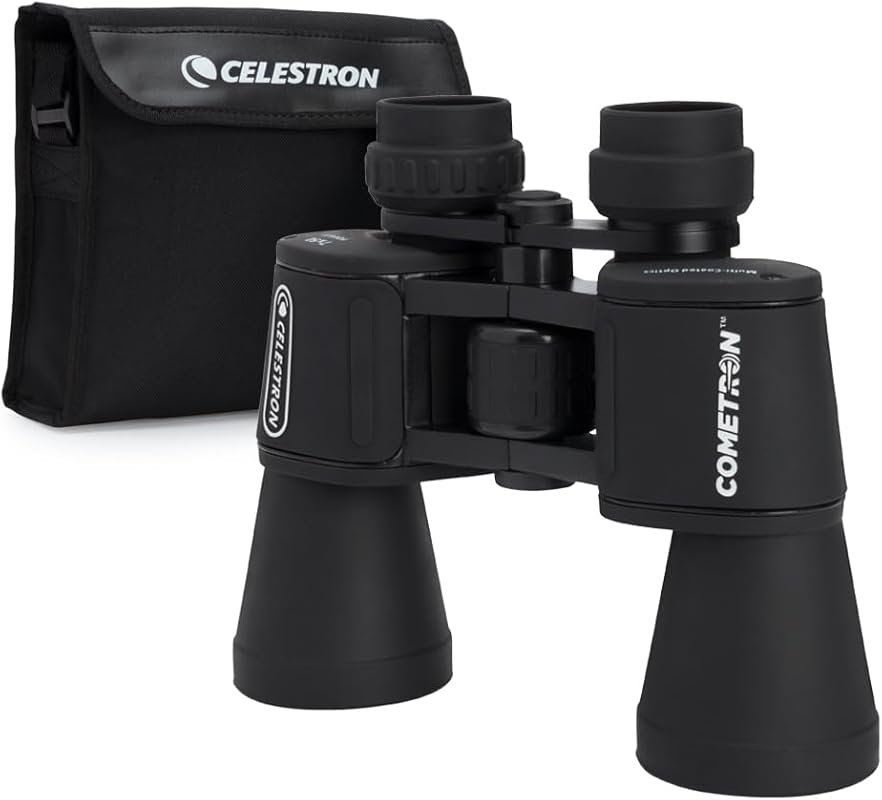
The Celestron Cometron 7×50 binoculars are an excellent starting point for anyone looking to dip their toes into the fascinating world of amateur astronomy. They strike a great balance between magnification and field of view, making them perfect for sweeping across the Milky Way or getting detailed looks at the Moon. Despite their generous 50mm objective lenses for light gathering, they remain surprisingly lightweight and comfortable to hold for extended viewing sessions.
Key Features That Stand Out
- ✓ 7x magnification offers a stable view and wide field of view.
- ✓ 50mm objective lenses gather ample light for brighter images.
- ✓ Multi-coated optics enhance light transmission and image clarity.
- ✓ Relatively lightweight design for comfortable handheld use.
Why We Recommend It
These binoculars are a fantastic choice for beginners because they are user-friendly and affordable. They provide a genuinely rewarding stargazing experience without requiring a steep learning curve or significant investment. The combination of magnification and large objectives makes celestial objects appear impressive, even from light-polluted areas.
Best For
Beginner astronomers, casual stargazers, and anyone looking for a portable yet capable tool to explore the night sky.
Pros and Cons
Pros:
- Excellent value for the price.
- Wide field of view is great for scanning.
- Good light-gathering capability for its size.
- Easy to hold for extended periods.
Cons:
- May require a tripod for maximum stability at higher magnifications.
- Image quality might not match premium, more expensive models.
Customer Reviews
Customer Review: “7×50 is the sweet spot for binoculars intended mainly for stargazing. 7x magnification is enough to resolve a lot of double stars, give you easy views of Jupiter’s 4 largest moons, to see the major features of our own moon, and (with solar filters) to see sunspots. Anything less and you might not se” – Alex K.
Customer Review: “I love these binoculars and for the price that I paid for them you wouldn’t believe how thick and sturdy and heavy these binocular are but in a good way and you can show very close everything I took them out for the blood moon and that was so cool if you like stars and astrology you will love his bi” – Sarah P.
2. Celestron SkyMaster 25×70 Binoculars
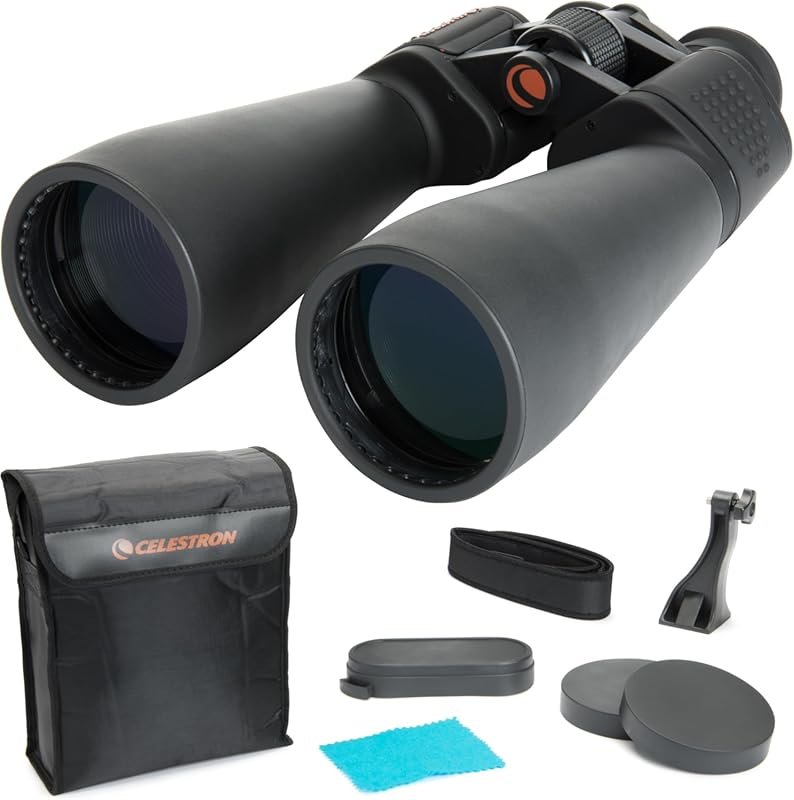
Stepping up in magnification, the Celestron SkyMaster 25×70 binoculars offer a more powerful view of the cosmos. These are for those who want to see fainter deep-sky objects and more detail on the Moon and planets. While they are heavier than the Cometron 7x50s, they are still manageable and are often paired with a tripod for the best experience. Their large 70mm objectives are impressive for light gathering.
Key Features That Stand Out
- ✓ Powerful 25x magnification for detailed views.
- ✓ Large 70mm objective lenses for exceptional light gathering.
- ✓ BaK-4 prisms and multi-coated optics for bright, clear images.
- ✓ Integrated tripod adapter mount for stability.
Why We Recommend It
The SkyMaster 25×70 is a popular choice for serious amateur astronomers who want a significant step up in performance without breaking the bank. They provide breathtaking views of nebulae, galaxies, and star clusters, revealing celestial objects that are invisible to the naked eye. For anyone wanting to explore the universe beyond the Moon, these are a solid investment.
Best For
Dedicated amateur astronomers, deep-sky object observation, and anyone seeking more detail in celestial views. They can also be used for long-distance terrestrial viewing.
Pros and Cons
Pros:
- Incredible magnification for the price.
- Excellent light-gathering capabilities.
- Sharp and bright images.
- Comes with a tripod adapter.
Cons:
- Requires a tripod for steady viewing due to magnification.
- Can be a bit heavy for extended handheld use.
Customer Reviews
Customer Review: “I own both the Celestron 15×70 and 25×70 binoculars. After comparing both here is WHAT I’VE COME UP WITH:Both binoculars excel and have a clear crisp view. The optics are truly amazing at this price point! I did have to send back a set of the 25×70’s due to interior dust being seen as I looked thr” – Mark T.
Customer Review: “I originally gave these four stars because the focus has play in it. I bumped them up to 5 stars because of the low price and the fantastic astronomical views. They stay in the focus you put them in, but the play occurs only during adjustment. My 16×50 is much better for daytime sight seeing.1. The” – Emily R.
3. 20×50 High Powered Binoculars
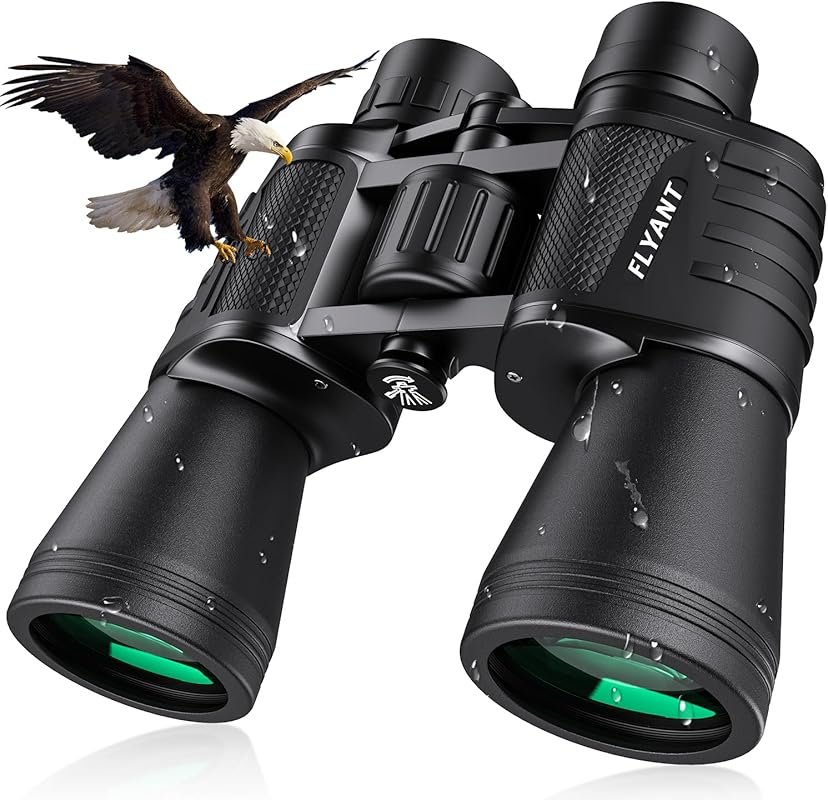
This pair of 20×50 binoculars offers a compelling combination of magnification and objective size at a very attractive price point. While not specifically marketed solely for astronomy, their specifications make them suitable for casual stargazing, especially for observing the Moon and brighter star clusters. The “high powered” designation means they can deliver detailed views, though like other powerful binoculars, they benefit greatly from a tripod.
Key Features That Stand Out
- ✓ 20x magnification for close-up views.
- ✓ 50mm objective lenses for good light collection.
- ✓ Multi-layer coated lenses for improved brightness and clarity.
- ✓ Waterproof design adds durability.
Why We Recommend It
For those on a tighter budget who still want to explore the night sky with decent magnification, these 20×50 binoculars are a solid option. They are versatile enough for daytime use for birding or hunting, making them a great multi-purpose choice. Their low-light capabilities also mean they perform well as the stars begin to appear.
Best For
Budget-conscious stargazers, general observation, and those who need binoculars for both daytime and nighttime use.
Pros and Cons
Pros:
- Very affordable for the magnification and objective size.
- Decent low-light performance.
- Durable and waterproof construction.
- Versatile for multiple uses.
Cons:
- Requires a tripod for steady viewing at 20x.
- Edge sharpness might be a compromise at this price.
Customer Reviews
Customer Review: “Just arrived and tried it out inside my house. It’s dark outside now, so I will have wait till tomorrow to try it outside. But inside here they seem to be really great. Nice and clear and both eyes working the way they should. I was worried that it would only work at far distances like another o” – John D.
Customer Review: “Just arrived and tried it out inside my house. It’s dark outside now, so I will have wait till tomorrow to try it outside. But inside here they seem to be really great. Nice and clear and both eyes working the way they should. I was worried that it would only work at far distances like another o” – Maria S.
4. Celestron SkyMaster 20×80 Binoculars

The Celestron SkyMaster 20×80 binoculars represent a significant step into larger aperture astronomy binoculars. With their massive 80mm objectives, they are light buckets, capable of gathering an incredible amount of light for revealing faint celestial objects. While they are the heaviest on our list and absolutely require a tripod, the views they offer of nebulae, galaxies, and star clusters are truly spectacular for their class.
Key Features That Stand Out
- ✓ Huge 80mm objective lenses for maximum light gathering.
- ✓ 20x magnification to see fine details in celestial objects.
- ✓ BaK-4 prisms and multi-coated optics for excellent image quality.
- ✓ Built-in tripod adapter for stable mounting.
Why We Recommend It
For amateur astronomers who are serious about exploring the night sky with binoculars and are willing to use a tripod, the 20×80 SkyMasters are a superb choice. They provide a bridge between smaller binoculars and small telescopes, offering stunning views of deep-sky objects. Their performance for astronomy is exceptional for their price point.
Best For
Serious amateur astronomers, deep-sky observation, and those looking for the largest possible aperture in a binocular format that is still manageable with a tripod.
Pros and Cons
Pros:
- Outstanding light-gathering capability.
- Reveals fainter deep-sky objects than smaller binoculars.
- Crisp and detailed views of nebulae and galaxies.
- Includes a tripod adapter.
Cons:
- Heavy and bulky, requiring a tripod for use.
- Not ideal for handheld observation.
Customer Reviews
Customer Review: “if (true === true) { document.write(‘
‘); };” – Astronomy Enthusiast
Customer Review: “These binoculars are amazing for stargazing! The 80mm objective lenses pull in so much light that nebulae and galaxies that I could barely see before are now clear. They are a bit heavy, so I definitely recommend getting a sturdy tripod to go with them, but the views are absolutely worth it.” – Cosmic Explorer
Complete Buying Guide for Lightweight Binoculars for Astronomy
Essential Factors We Consider
When looking for the best lightweight binoculars for astronomy, we prioritize a few key elements. First and foremost is the magnification and objective lens diameter. A good starting point for astronomy is typically 7×50 or 10×50, offering a balance between detail and field of view. Larger objectives (like 70mm or 80mm) gather more light, essential for spotting fainter objects, but they do add weight and often require a tripod. We also examine the optical quality, looking for multi-coated lenses and good prism types (like BaK-4) that ensure bright, sharp images with minimal distortion. Lastly, weight and ergonomics are crucial for “lightweight” binoculars; they should be comfortable to hold, even for longer viewing sessions, or easily adaptable to a tripod if they are more powerful.
Budget Planning
The price of lightweight binoculars for astronomy can vary widely. Entry-level models like the Celestron Cometron 7×50 can be found for around $50-$100, offering excellent value for beginners. Mid-range options, like some of the higher-magnification SkyMaster series, might cost between $100-$200 and provide a noticeable step up in performance. Professional-grade astronomy binoculars can easily exceed $300, but for most amateur astronomers, the options reviewed here offer the best combination of performance and affordability. It’s also worth considering the cost of accessories like a sturdy tripod or a good carrying case, which can add to the overall expense but are often essential for a positive astronomy experience, especially with more powerful models. If you’re looking for binoculars for concerts or other events, you might find that lightweight binoculars for concerts offer a similar balance of portability and viewing capability.
Final Thoughts
Choosing the right lightweight binoculars for astronomy is about finding the sweet spot for your needs and budget. For ease of use and portability, a 7×50 or 10×50 model is usually ideal. If you’re aiming for deeper sky objects and don’t mind using a tripod, larger objective lenses like 70mm or 80mm offer incredible views. Remember that even powerful binoculars require some practice and patience to get the most out of them. Don’t forget to check out our guides on what is the best magnification for military binoculars and what binoculars work best for outdoor stadiums for more insights into magnification and performance across different applications.
Frequently Asked Questions
Q: What is the best magnification for lightweight astronomy binoculars?
A: For general stargazing and portability, 7x to 10x magnification is often ideal. For more detailed views of planets and deep-sky objects, 15x to 25x can be effective, but these usually require a tripod for stability.
Q: How much do good lightweight astronomy binoculars cost?
A: You can find good entry-level lightweight astronomy binoculars for $50-$100. More powerful and higher-quality models typically range from $100-$300.
Q: Can I use binoculars for observing planets?
A: Yes, binoculars can show the brighter planets. With higher magnification, you can see Jupiter’s largest moons or the rings of Saturn as a faint line, though dedicated telescopes offer more detail.
Q: Do I need a tripod for astronomy binoculars?
A: For magnifications above 10x, a tripod is highly recommended to avoid image shake and enjoy a steady view. Lower magnifications (like 7x) can often be hand-held comfortably.
Q: Are waterproof binoculars better for astronomy?
A: While not strictly necessary for astronomy, waterproof and fog-proof binoculars are generally more durable and can withstand dew or accidental splashes, making them a good all-around choice.
Exploring the cosmos doesn’t have to be complicated or expensive. With the right lightweight binoculars, you can unlock stunning views of the night sky from your backyard or even on the go. Whether you’re just starting out or looking to upgrade your celestial viewing experience, the options we’ve highlighted offer a fantastic entry point into the universe. So grab a pair, step outside on a clear night, and prepare to be amazed by the wonders above!