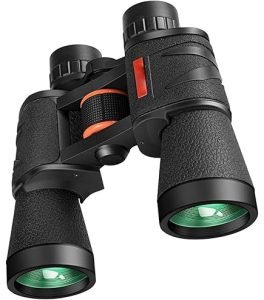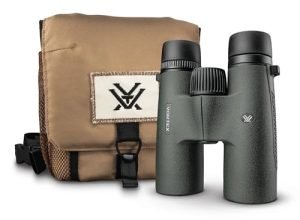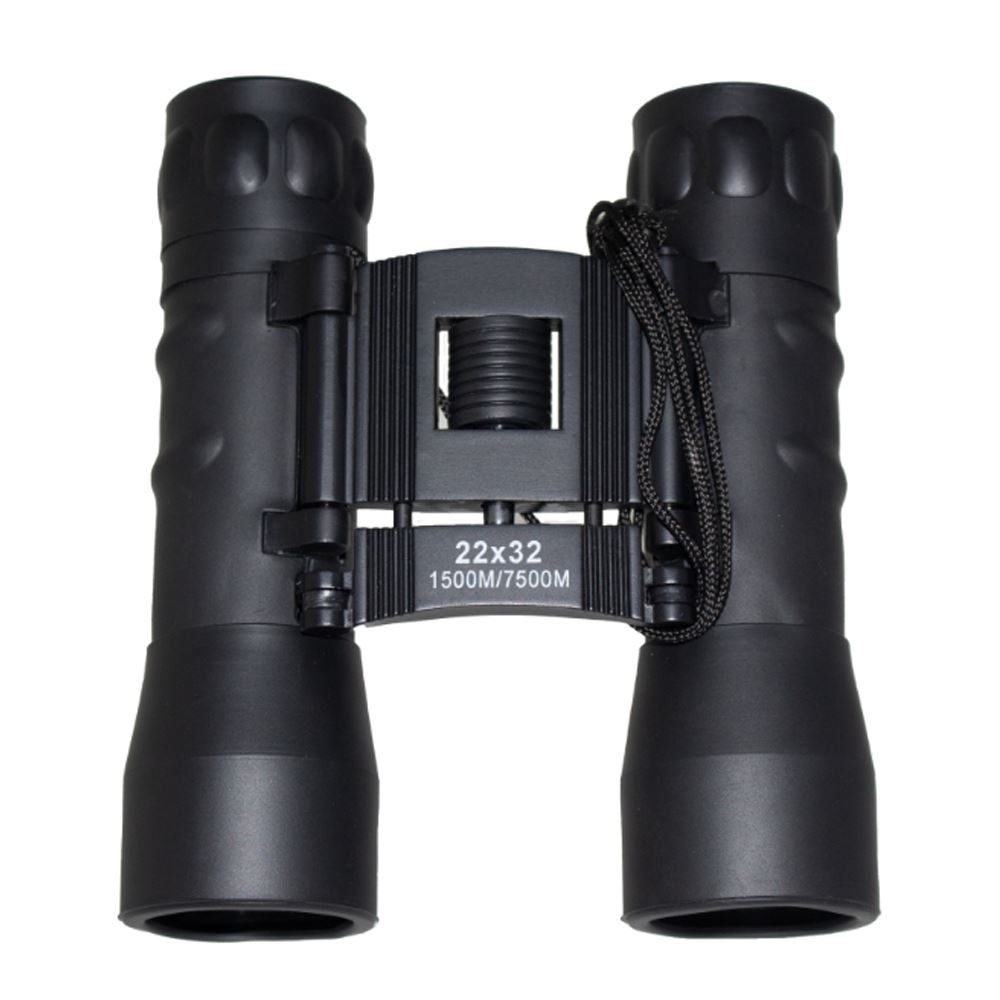
When it comes to choosing military binoculars, one question probably stands out in your mind: what magnification is truly the best? You want a pair that gives you a clear, sharp view without making things shaky or hard to focus.
Picking the right magnification can make all the difference between spotting crucial details and missing them completely. You’ll discover exactly what magnification works best for military use, so you can make a confident choice that suits your needs perfectly. Keep reading to find the answer that could change the way you see the world.
Magnification Basics
Magnification is a key feature in military binoculars. It shows how much closer an object appears.
Choosing the right magnification helps soldiers see details clearly at a distance.
How Magnification Works
Magnification makes objects look bigger through binocular lenses. It is shown as a number like 8x or 10x.
The number means how many times closer the object seems. For example, 8x makes something 8 times closer.
Common Magnification Ranges
Military binoculars usually have magnification from 6x to 12x. Each range suits different needs in the field.
- 6x to 8x:Good for wide views and fast scanning.
- 9x to 10x:Balances detail and stability well.
- 12x and above:Shows fine details but can shake more.
Factors Influencing Magnification Choice
Choosing the right magnification for military binoculars depends on several important factors. These factors help decide the best balance between power and usability.
Picking the correct magnification ensures clear views, easy handling, and effective use in different conditions.
Field Of View Considerations
The field of view is how much area you can see through the binoculars. Higher magnification usually means a smaller field of view.
A wider field of view helps spot moving targets and scan large areas faster. Lower magnification gives a wider view but less detail.
- Low magnification offers a wide field of view.
- High magnification narrows the visible area.
- Choose based on whether you need wide scanning or detailed observation.
Image Stability And Shake
Higher magnification makes the image shakier and harder to hold steady. Small hand movements are more noticeable.
Image shake can cause eye strain and reduce accuracy. Lower magnification binoculars are easier to keep stable.
- Low magnification reduces image shake.
- High magnification may require a tripod or support.
- Consider your ability to hold binoculars steady in the field.
Light Gathering Ability
Magnification affects how much light binoculars gather. Higher magnification can make the image darker.
Good light gathering is important in low-light conditions like dawn or dusk. Larger lenses help gather more light.
- Lower magnification usually means brighter images.
- Bigger objective lenses improve light gathering.
- Balance magnification with lens size for clear views in dim light.
Weight And Portability
Higher magnification binoculars often weigh more and are bulkier. This can affect how easy they are to carry.
Military users need binoculars that are easy to carry over long distances. Lightweight models improve mobility.
- Lower magnification binoculars tend to be lighter.
- Heavier binoculars can slow you down in the field.
- Choose a size and weight that match your mission needs.
Typical Military Binocular Magnifications
Military binoculars come in different magnifications. The magnification number tells how many times closer an object appears.
Choosing the right magnification is important for clear and useful views. Military binoculars usually have low, medium, or high magnification.
Low Magnification Models
Low magnification binoculars usually range from 4x to 6x. They offer a wide field of view and steady images.
These models are good for scanning large areas quickly. They help soldiers see more without shaking the image.
- Magnification: 4x to 6x
- Wide field of view
- Stable and clear images
- Best for fast scanning
Medium Magnification Models
Medium magnification binoculars range from 7x to 10x. They balance detail and field of view well.
These models are common in military use. They let soldiers see objects clearly at mid-range distances.
- Magnification: 7x to 10x
- Good detail and field of view
- Ideal for mid-range observation
- Widely used in military
High Magnification Models
High magnification binoculars have 12x or more power. They show distant objects in great detail.
These models can be harder to hold steady. They are best for spotting far targets but not for fast movements.
- Magnification: 12x and above
- High detail for distant targets
- Smaller field of view
- Requires steady handling
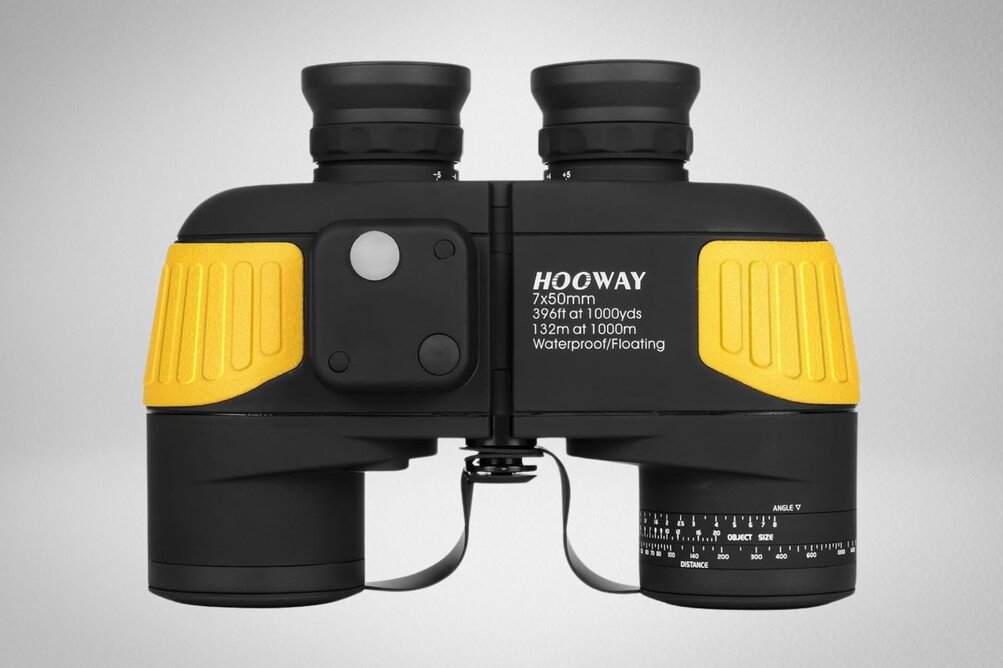
Credit: www.boatsailmag.com
Mission-specific Magnification Needs
Choosing the right magnification for military binoculars depends on the mission type. Different tasks require different levels of zoom. Selecting the correct magnification improves effectiveness in the field.
This guide looks at common mission types and the magnification best suited for each. Understanding these needs helps soldiers pick the right binoculars.
Reconnaissance And Surveillance
Reconnaissance missions need binoculars that offer a balance between magnification and field of view. Too much zoom can limit the area seen, while too little zoom reduces detail.
- Magnification: 7x to 10x is ideal
- Provides clear images at medium range
- Allows scanning wide areas effectively
- Supports quick spotting of targets and movements
Navigation And Target Identification
Navigation demands binoculars that help identify landmarks and targets clearly. Moderate magnification helps with detail without making the image shaky.
| Magnification Level | Use Case | Benefit |
| 5x to 7x | Close-range navigation | Wide field of view, easy to hold steady |
| 8x to 12x | Target identification | Clear detail on distant objects |
| Above 12x | Specific target spotting | High detail, but harder to stabilize |
Long-range Observation
Long-range observation needs the highest magnification binoculars. Soldiers must see distant targets clearly, even at great distances.
Recommended features for long-range binoculars:
- Magnification: 15x to 20x or higher
- Image stabilization to reduce shake
- Large objective lenses for better light gathering
- Durable and weather-resistant design
Balancing Magnification With Other Features
Choosing the best magnification for military binoculars means finding the right balance. Higher magnification brings distant objects closer but can reduce image stability.
Other features like durability, night vision, and ease of use play a big role. These features work together to make binoculars effective in tough conditions.
Durability And Weather Resistance
Military binoculars must handle rough use. They need to resist water, dust, and shock. Durability keeps the binoculars working in harsh environments.
Waterproof and fog-proof designs are common. Rubber coatings help protect against drops and rough handling. These features matter as much as magnification power.
- Waterproof seals prevent moisture damage
- Shock-resistant bodies survive impacts
- Fog-proof lenses keep views clear
- Rubber armor improves grip and protection
Night Vision And Infrared Compatibility
Magnification alone does not help in low light. Night vision and infrared features improve visibility in darkness. These features are vital for military use.
Some binoculars allow attachments for night vision or include built-in infrared. This compatibility adds value beyond just zoom power.
- Infrared helps spot heat signatures
- Night vision enhances dark area views
- Compatible with external night vision devices
- Built-in options improve quick target detection
Ergonomics And Ease Of Use
High magnification can make binoculars heavy and harder to hold steady. Ergonomics help users handle binoculars comfortably for long periods.
Easy focus, adjustable eye cups, and good weight balance improve use. Simple controls allow quick adjustments without losing sight of the target.
- Lightweight materials reduce fatigue
- Large focus knobs allow quick changes
- Adjustable eyecups fit different users
- Non-slip grips keep binoculars steady
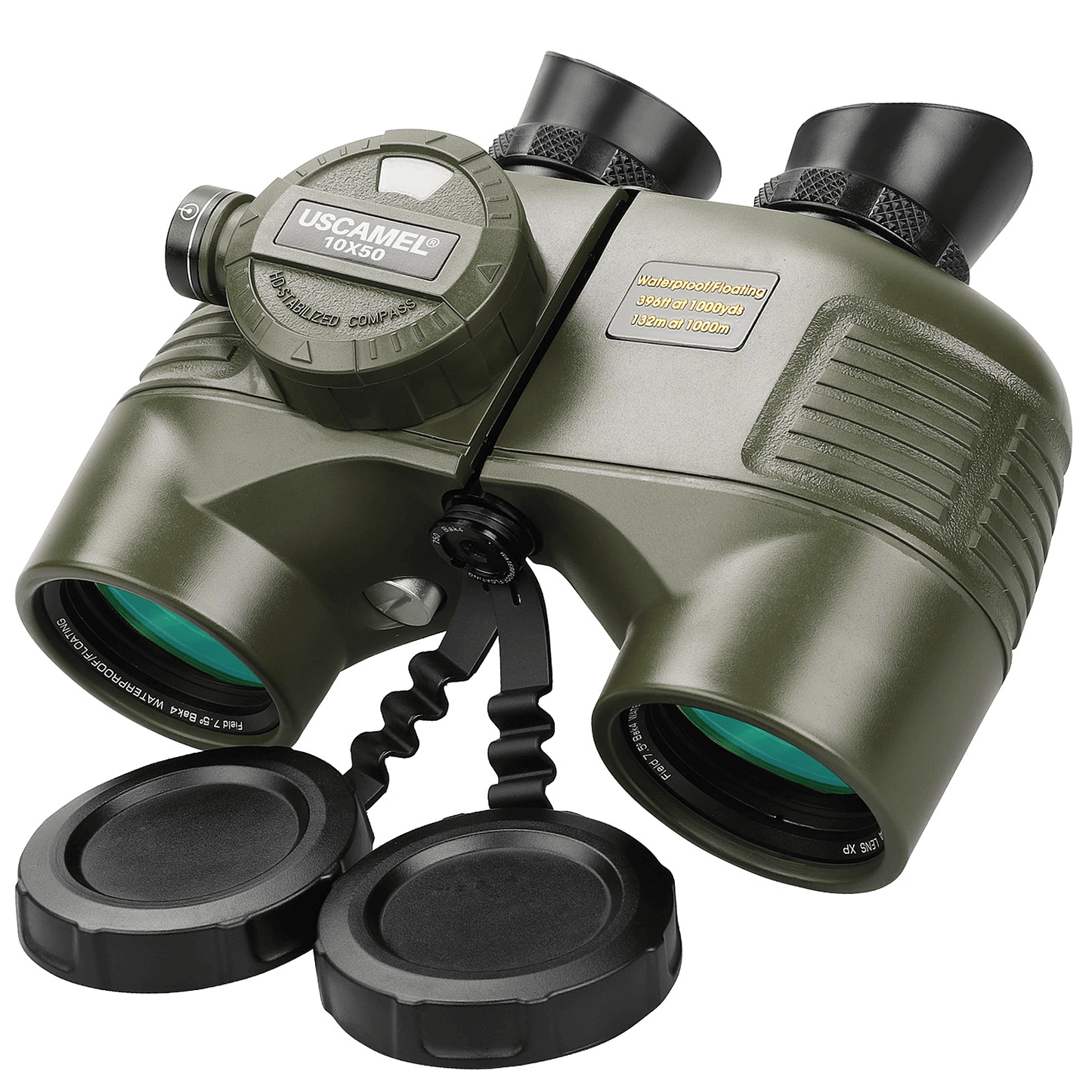
Credit: uscameloptics.com
Expert Recommendations
Choosing the right magnification for military binoculars is key. It affects how clear and wide your view will be.
Experts suggest balancing power and usability. Too much magnification can make images shaky and narrow.
Top Picks For General Use
For most military tasks, 7x to 10x magnification works best. It offers clear images and a steady view.
This range allows easy scanning of wide areas. It also keeps the binoculars light and easy to hold.
- 7x magnification provides a wide field of view.
- 8x to 10x magnification offers better detail without too much shake.
- Lower magnification helps in quick target spotting.
Specialized Binocular Suggestions
Higher magnifications like 12x or 15x suit specific tasks. They work well for long-distance observation.
Experts warn that these need a tripod to avoid shaky images. They also have a narrower field of view.
- 12x to 15x for surveillance and reconnaissance.
- Use tripods for steady viewing at high magnifications.
- Smaller magnification is better for fast action and moving targets.

Credit: www.amazon.ca
Frequently Asked Questions
What Magnification Is Ideal For Military Binoculars?
Military binoculars typically use 7x to 10x magnification. This range balances clarity, field of view, and stability. Higher magnifications can reduce image brightness and increase shaking. Therefore, 7x to 10x is optimal for diverse military applications.
Why Not Use Very High Magnification In Military Binoculars?
Very high magnification narrows the field of view and amplifies hand tremors. It also reduces image brightness, making distant objects harder to see. For military use, stability and quick target acquisition are crucial, which high magnification can hinder.
How Does Magnification Affect Field Of View In Military Binoculars?
Higher magnification decreases the field of view, limiting the visible area. A wide field of view is essential for situational awareness in military operations. Moderate magnification offers a good balance between detail and a broad viewing area.
Are 10x Binoculars Better For Military Use Than 7x?
10x binoculars provide more detail but are harder to stabilize. 7x binoculars offer a wider view and better image stability. The choice depends on mission needs; often, 7x is preferred for versatility and ease of use.
Conclusion
Choosing the right magnification for military binoculars is crucial. It affects clarity and field of view. Higher magnification offers detailed images but reduces field size. Lower magnification provides a wider view, ideal for scanning. Consider your mission needs and environment.
Balance is key. Test different magnifications to find the best fit. Comfort and ease of use also matter. Quality binoculars enhance performance and safety. Always prioritize practicality over high specs. Make an informed choice for better results.