If you love birdwatching, you know how exciting it is to spot a rare bird in the distance. But sometimes, your binoculars alone may not give you the full experience.
What if you could enhance your view and catch every detail without carrying heavy gear? Using monoculars alongside your binoculars can be a game-changer for your birdwatching adventures. You’ll discover simple tips and tricks to combine these tools effectively. By the end, you’ll feel confident in boosting your birdwatching skills and enjoying nature like never before.
Keep reading to unlock the secret to sharper, closer views!

Credit: www.bhphotovideo.com
Benefits Of Monoculars And Binoculars
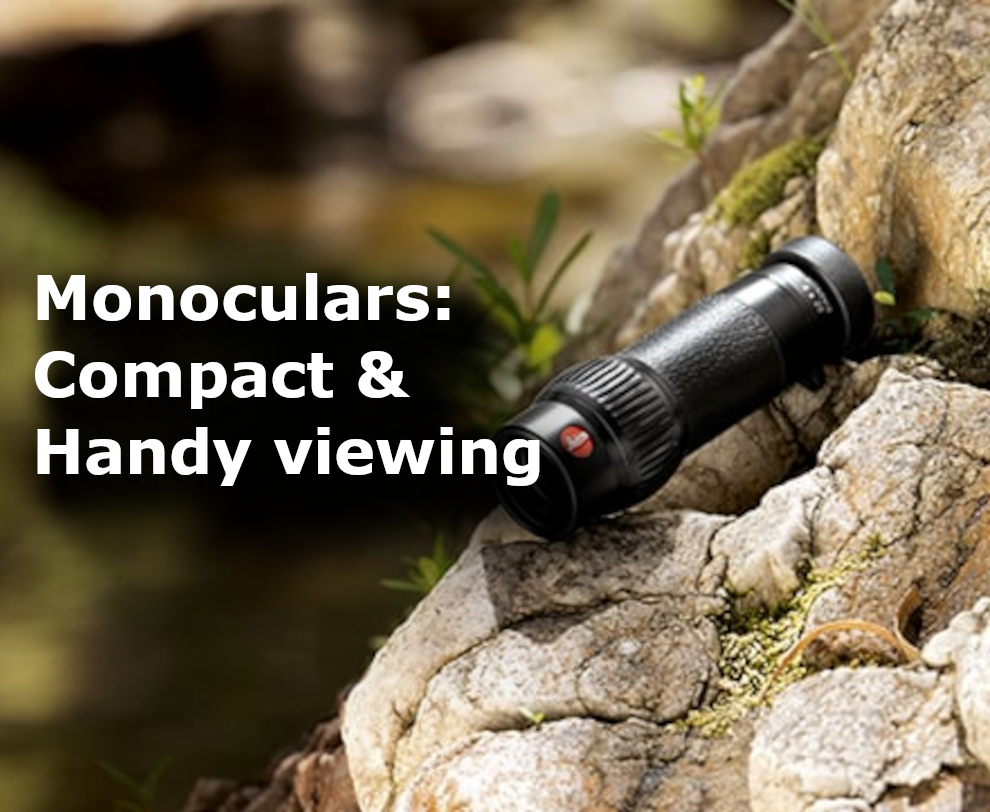
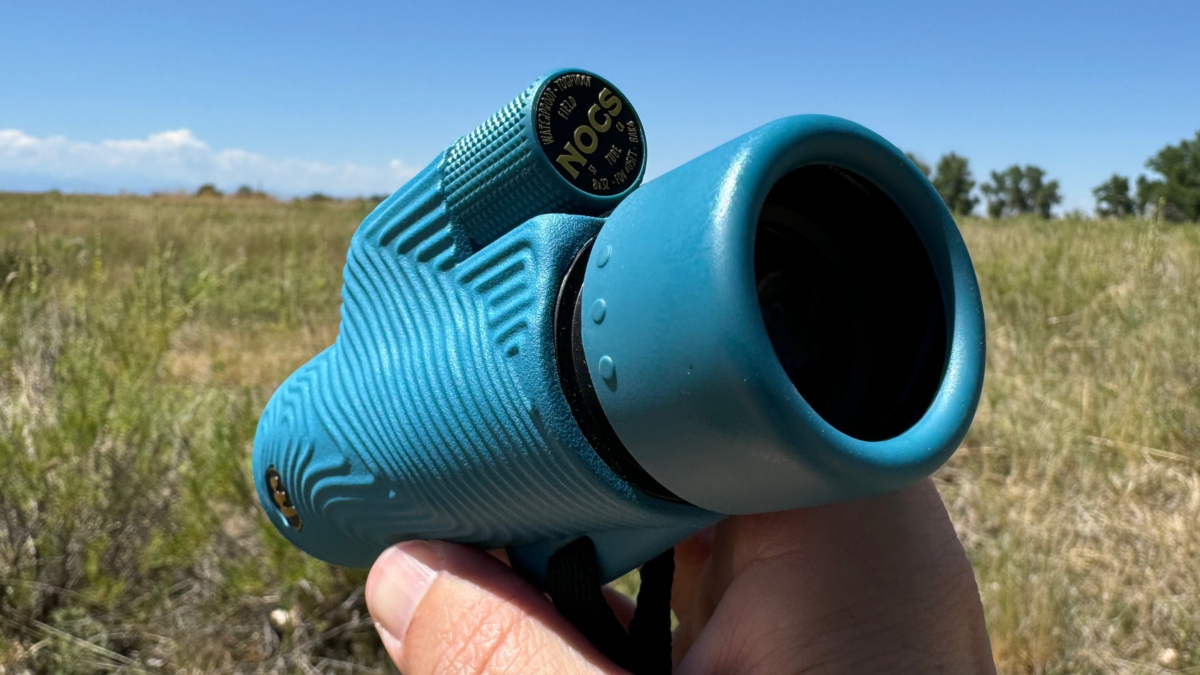
Monocularsare small and light. They are easy to carry on long walks. You can use one hand to hold them. They are great for quick looks at birds far away.
Binocularsgive a clear, wide view. Both eyes see at once, so the image feels real. This helps to spot details like colors and shapes better.
- Monoculars are compact and easy to store.
- Binoculars give better depth and field of view.
- Using both tools together lets you switch fast between quick scans and detailed looks.
- Monoculars save space and weight in your bag.
- Binoculars reduce eye strain over long viewing times.
Choosing The Right Monoculars
Magnificationis key for clear bird views. Choose 8x to 10xfor good detail without shaking. Lens quality affects brightness and clarity. Look for multi-coated lensesto reduce glare and improve color.
Weight and portability matter for long walks. Lighter monoculars are easier to carry all day. Compact designs fit well in pockets or small bags. Balance size and performance to avoid fatigue.
| Feature | Ideal Choice |
|---|---|
| Magnification | 8x to 10x |
| Lens Quality | Multi-coated for brightness |
| Weight | Light, easy to carry |
| Portability | Compact and pocket-friendly |
Selecting Binoculars For Birdwatching
The field of viewis how wide you can see through binoculars. A wider field helps spot birds quickly. Choose binoculars with a field of view of at least 300 feet at 1000 yards. This lets you see more area without moving the binoculars too much.
Focus and comfortmatter a lot. Look for binoculars that focus quickly and clearly. They should feel light and easy to hold for long times. Soft rubber grips help you hold them firmly. Adjustable eyecups make viewing comfortable, especially if you wear glasses.
Combining Monoculars And Binoculars
Using monocularsand binocularstogether offers great flexibilityin birdwatching. Binoculars give a wide view, perfect for scanning large areas. Monoculars provide higher magnificationfor spotting details.
Monoculars are lighter and easierto carry around. They are handy for quick lookswhen birds are far away or hard to see. Binoculars work well for steady viewingand tracking moving birds.
- Use binoculars to find birds in the sky or trees.
- Switch to monoculars for close-up viewsof feathers and colors.
- Keep monoculars in your pocket for fast access.
- Practice switching between tools to avoid missing moments.
Practical Tips For Birdwatching
Using both monoculars and binoculars helps spot birds at different distances easily. Monoculars are light and quick for scanning, while binoculars offer clear, detailed views. Switching between them makes birdwatching more flexible and enjoyable.
Positioning And Stability
Hold the binoculars steady with both hands. Rest your elbows on your chest or a solid surface. This helps reduce shaking. The monocular can be used with one hand for quick spotting. Keep your body relaxed to avoid tension. Use a tripod or stand for long sessions. It makes viewing clearer and less tiring.
Quick Adjustments
- Adjust focus on binoculars before using the monocular.
- Use the monocular for quick, close looks at distant birds.
- Switch between devices smoothly to avoid missing action.
- Keep both devices within easy reach for fast changes.
- Practice adjusting focus and zoom in advance to save time.

Credit: www.youtube.com
Maintenance And Care
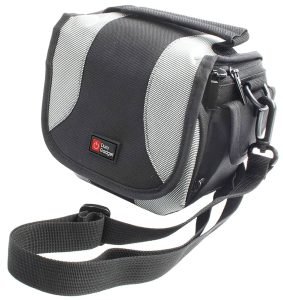
Clean the lenses gently with a soft cloth to avoid scratches. Use a lens cleaning solution made for optics. Avoid using rough materials or household cleaners. Store your monoculars and binoculars in a dry place. Keep them in a padded case to protect from dust and impacts.
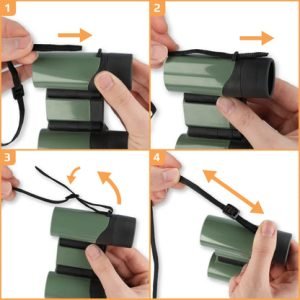
Check for any loose screws or parts regularly. Tighten them carefully if needed. Avoid dropping or banging your equipment to prevent damage. Use lens caps when not in use to protect glass surfaces. Keep straps secure to avoid accidental falls.
Enhancing Birdwatching Experience
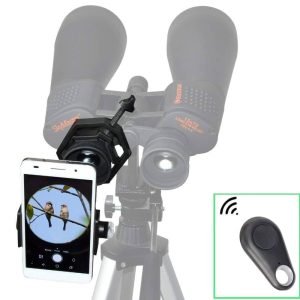
Using the right accessoriescan improve your birdwatching experience greatly. A tripodhelps keep binoculars and monoculars steady for clearer views. Lens cleaning kits keep optics sharp and free from dust. Carrying a small notebookor bird guide helps identify birds quickly. Using a harness or strap reduces hand strain during long observation times.
Joining birdwatching communitiesconnects you with other bird lovers. Members often share tips on the best spots and times to watch birds. Community events and group trips offer chances to learn from experienced birders. Online forums provide support and answers to questions. Sharing photos and sightings makes birdwatching more fun and social.
Credit: gearjunkie.com
Frequently Asked Questions
What Are The Benefits Of Using Monoculars With Binoculars?
Using monoculars alongside binoculars offers greater flexibility in birdwatching. Monoculars are lightweight and portable, ideal for quick spotting. Binoculars provide better depth and detail for extended viewing. Combining both tools enhances your ability to locate and observe birds efficiently in various environments.
How Do I Choose The Right Monocular For Birdwatching?
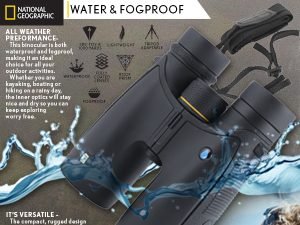
Select a monocular with at least 8x magnification and 20-25mm objective lens. Look for waterproof and fog-proof features for outdoor use. Compact and lightweight designs are easier to carry. Ensure it has good optical clarity for sharp bird images. These qualities improve your birdwatching experience.
Can Monoculars Replace Binoculars In Birdwatching?
Monoculars can supplement but not fully replace binoculars. Binoculars provide depth perception and wider fields of view. Monoculars are useful for quick scans or when carrying less weight. For serious birdwatchers, using both tools together maximizes spotting and detailed observation capabilities.
How To Effectively Use Monoculars And Binoculars Together?
Use monoculars for scanning and locating birds from a distance. Switch to binoculars for detailed and steady viewing. Carry both tools for quick transitions between spotting and observing. This method helps cover more ground and improves overall birdwatching efficiency.
Conclusion
Using monoculars with binoculars makes birdwatching more fun and clear. Each tool helps you see birds in different ways. Binoculars give a wide view, while monoculars focus on small details. Carry both to enjoy varied birdwatching spots. Practice switching between them for the best experience.
Soon, you will spot birds easier and faster. Keep exploring nature with your new skills. Happy birdwatching!