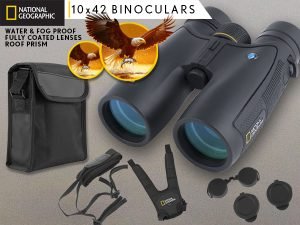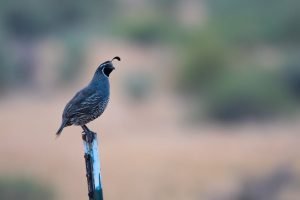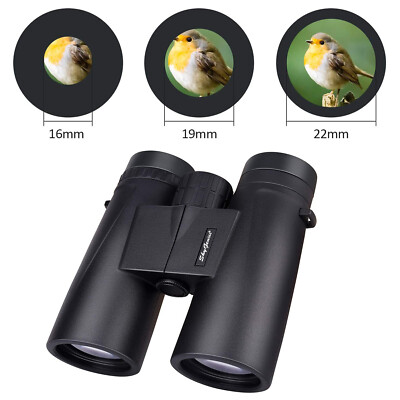
Have you ever found yourself caught in the rain while using your roof prism binoculars? You might wonder if they can handle wet weather without getting damaged or foggy.
Whether you’re hiking, birdwatching, or attending an outdoor event, knowing how your binoculars perform in rain can make all the difference. You’ll discover what roof prism binoculars are built for, how they react to rain, and what you can do to protect your gear.
Keep reading to make sure your binoculars stay clear and reliable, no matter the weather.
Roof Prism Binoculars Basics
Roof prism binoculars use a straight-barrel design. They are compact and easy to carry.
These binoculars have prisms aligned in a straight line. This design makes them lighter than other types.
Design And Features
Roof prism binoculars have a slim shape. Their prisms are stacked, which helps reduce size.
- They often have waterproof and fog-proof seals.
- Many models use special coatings on lenses for clear images.
- Some have rubber armor to protect from bumps and drops.
- The straight design helps with easy focusing and handling.
Common Uses
People use roof prism binoculars for many activities. Their shape and features suit outdoor use.
| Activity | Why Use Roof Prism Binoculars? |
| Bird Watching | Lightweight and easy to hold for long times |
| Hiking | Compact size fits in backpacks |
| Sports Events | Clear images with good zoom |
| Boating | Waterproof models resist rain and splashes |

Credit: revival.edu.gh
Water Resistance Levels
Roof prism binoculars are popular for their compact design and clear images. Many people wonder if they can use these binoculars in the rain.
Water resistance plays a key role in protecting binoculars from damage. It is important to understand what water resistance means for roof prism binoculars.
Waterproof Vs Water-resistant
Waterproof means the binoculars can handle full water exposure. You can use them in heavy rain or even underwater for a short time.
Water-resistant means the binoculars can resist some water, like light rain or splashes. They are not safe to use in heavy rain or deep water.
- Waterproof: Can handle heavy rain and immersion
- Water-resistant: Protects against light rain and splashes only
Ip Ratings Explained
IP ratings show how well a device resists dust and water. It uses two numbers to measure protection.
The first number shows dust protection. The second number shows water protection.
| IP Rating | Dust Protection | Water Protection |
|---|---|---|
| IPX4 | Not Rated | Protected from splashing water |
| IPX7 | Not Rated | Protected from immersion up to 1 meter |
| IP6X | Dust Tight | Varies by second digit |
Look for binoculars with IPX7 or higher if you want full waterproof protection. IPX4 means light rain is okay.
Using Binoculars In Rain
Binoculars help you see far objects clearly. Using them in rain can be tricky. It is important to know how they perform in wet weather.
Some binoculars are made for outdoor use and can handle moisture. Others may get damaged if they get wet. Let’s look at how roof prism binoculars work in rain.
Performance In Wet Conditions
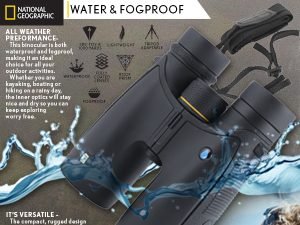
Roof prism binoculars vary in how well they work in rain. Many models have waterproof seals. These seals keep water out and prevent fog inside the lenses.
- Waterproof coatings protect lenses from water drops.
- Rubber armor helps grip the binoculars when wet.
- Fog-proof features keep the view clear in damp weather.
- Some have drainage holes to let water escape.
Potential Risks And Damage
Rain can cause damage if binoculars are not designed for wet use. Water may get inside and harm the lenses or prisms. Dirt or sand in rain can scratch the glass.
| Risk | Effect | Prevention |
| Water leakage | Fog inside lenses | Use waterproof binoculars |
| Lens scratches | Blurred images | Clean lenses carefully |
| Corrosion | Damaged metal parts | Dry binoculars after use |

Credit: zarimex.eu
Protecting Your Binoculars
Roof prism binoculars are great for outdoor use. You might wonder if you can use them in the rain. Protecting them helps keep them working well.
Water can harm binoculars if they are not properly protected. This guide shows how to keep them safe in wet weather.
Waterproofing Tips
Many roof prism binoculars have some water resistance. Still, taking extra steps protects them better from rain and moisture.
- Check if your binoculars are labeled waterproof or water-resistant.
- Use rain guards or covers designed for binoculars.
- Apply a protective silicone spray on the outer parts to repel water.
- Keep lens caps on when not in use to avoid water spots.
- Store binoculars in a dry, sealed case after use outdoors.
Maintenance After Rain Exposure
If your binoculars get wet, clean and dry them right away. This stops damage and mold growth inside the lenses.
| Action | Reason |
| Wipe down the body with a soft cloth | Removes water and prevents corrosion |
| Open the eyecups and let them air dry | Dries moisture from hard-to-reach spots |
| Use silica gel packets in the storage case | Absorbs remaining moisture |
| Do not use heat to dry binoculars | Heat can damage lens coatings and seals |
| Check for fogging inside lenses | May need professional cleaning if fog appears |
Best Roof Prism Models For Rain
Roof prism binoculars are popular for their compact design and straight barrels. Many people wonder if these binoculars work well in the rain. The answer depends on the model and its waterproof features.
Some roof prism binoculars are made to handle wet weather. They have seals and coatings that keep water out. Let’s look at some of the best waterproof roof prism models for rainy use.
Top Waterproof Options
Many roof prism binoculars come with waterproof and fog-proof features. These protect the lenses and internal parts during rain or humid conditions. Here are some reliable models known for their rain resistance.
- Model A: Fully sealed with O-ring technology to keep water out
- Model B: Nitrogen-filled to prevent fogging inside lenses
- Model C: Rubber armor coating for extra grip and water resistance
- Model D: Multi-coated lenses for clear views in wet weather
User Reviews And Recommendations
Users who use roof prism binoculars in the rain share useful insights. Many say waterproof models perform well in light to moderate rain. They appreciate binoculars that stay clear and dry during outdoor activities.
Some users recommend carrying a small cloth to wipe water drops off lenses. Others suggest checking the binoculars’ waterproof rating before buying. Ratings like IPX7 or IPX8 show high water resistance.
- Choose binoculars with good waterproof seals
- Look for nitrogen or argon purging to avoid fog
- Check if the model has a rubber coating for grip in wet conditions
- Read reviews focusing on rain or wet weather use

Credit: www.amazon.com
Frequently Asked Questions
Can Roof Prism Binoculars Handle Heavy Rain?
Roof prism binoculars with waterproof seals and nitrogen purging can handle heavy rain. Without these features, moisture may damage lenses and internal components.
Are All Roof Prism Binoculars Waterproof?
No, not all roof prism binoculars are waterproof. Check product specifications for waterproof and fog-proof features before use in wet conditions.
How Does Waterproofing Protect Roof Prism Binoculars?
Waterproofing prevents water from entering the binoculars, protecting internal optics and mechanical parts. This ensures clear vision and longer device life.
Can Roof Prism Binoculars Fog Up In Rain?
Yes, binoculars without nitrogen purging or proper sealing can fog up in rain. Waterproof, fog-proof models reduce this risk effectively.
Conclusion
Roof prism binoculars can work well in the rain if they are waterproof. Many models have seals to keep water out. Rain may blur your view, but wiping lenses helps. Always check the product details before buying. Using a rain cover adds extra protection.
With care, these binoculars last longer in wet weather. Enjoy your outdoor adventures without worry. Rain won’t stop your bird watching or hiking trips. Just keep them dry when not in use. Simple steps make a big difference.