When every second counts during a rescue, clear vision can make all the difference. You rely on your tools to perform flawlessly, especially when conditions get tough.
Foggy lenses can blur your view, slow you down, and even put lives at risk. So, are fog-proof binoculars really worth it for rescue missions? If you want to see clearly, act faster, and boost your confidence in the field, keep reading.
This article will help you understand why fog-proof binoculars might be the game-changer you need.

Credit: gearjunkie.com
Fog Issues In Rescue Missions
Fog can create serious problems during rescue missions. It reduces visibility and makes it hard to find people who need help.
Rescuers must work in tough weather conditions. Fog can slow down their efforts and increase risks.
How Fog Affects Visibility
Fog lowers the distance a rescuer can see clearly. It makes objects look blurry and shapes hard to identify.
Light scatters in fog, causing glare and reducing contrast. This makes it difficult to spot people or landmarks.
- Visibility can drop to just a few meters
- Colors and details become less clear
- Fog creates a white or gray haze over the area
Common Challenges Faced By Rescuers
Rescuers face many challenges when fog is present. They must move slowly to avoid accidents and stay safe.
Communication can be harder because rescuers lose sight of each other. They rely more on radios and GPS devices.
- Difficulty in locating lost or injured persons
- Risk of getting lost or separated from the team
- Slower response times due to poor visibility
- Increased chance of accidents or falls

Credit: www.youtube.com
Features Of Fog-proof Binoculars
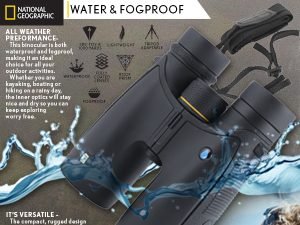
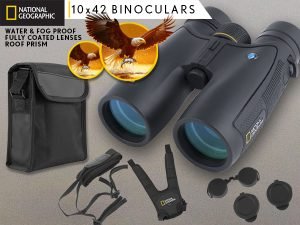
Fog-proof binoculars help people see clearly in wet or cold places. They stop the lenses from fogging up.
This feature is very useful for rescue teams. Clear vision helps them find people fast and stay safe.
Technology Behind Fog-proofing
Fog-proof binoculars use special technology inside the lenses. They fill the space with gas or air to stop fog.
They often use nitrogen or argon gas. These gases stop moisture from forming inside the lenses.
- Sealed lens tubes prevent air leaks
- Gas fills keep moisture out
- Coatings on lenses reduce fog build-up
Durability And Weather Resistance
Fog-proof binoculars are strong and can handle tough weather. They work well in rain, snow, and wind.
They often have rubber covers to protect against bumps and drops. This makes them good for rescue work.
- Waterproof bodies keep water out
- Shockproof design prevents damage
- Rubber armor offers a firm grip
Benefits During Rescue Operations
Fog-proof binoculars help rescuers see clearly in tough weather. These tools keep lenses clear from moisture and fog.
Clear vision improves safety and success during rescue missions. Fog-proof binoculars make it easier to find people fast.
Improved Visibility In Harsh Conditions
Fog and moisture reduce sight during rescue efforts. Fog-proof binoculars prevent lens fogging in rain or cold.
These binoculars use sealed, nitrogen-filled lenses. This stops water vapor from clouding the view.
- Clear view in rain, snow, or fog
- Better performance in cold, humid places
- Reliable vision during early morning or night
Enhanced Target Identification
Rescuers must identify people and objects quickly. Fog-proof binoculars keep images sharp and detailed.
Clear images help spot small movements or signs of life. This speeds up locating and aiding victims.
- Sharper images for better decision-making
- Quick detection of signals or distress signs
- Improved safety by recognizing hazards early
Limitations And Considerations
Fog-proof binoculars can help in rescue operations by reducing fog inside the lenses. Still, they have limits. Understanding these limits helps users get the best results.
Some factors like battery life and cost affect how useful these binoculars are. Knowing these helps rescue teams make smart choices.
Battery Life And Maintenance
Some fog-proof binoculars use batteries for features like night vision or digital zoom. These batteries can run out during long rescue missions.
- Check battery life before each use to avoid surprises.
- Carry extra batteries or portable chargers if possible.
- Regular maintenance keeps fog-proof seals working well.
- Clean lenses carefully to avoid damage.
- Store binoculars in dry places to prevent moisture.
Cost Vs. Performance
Fog-proof binoculars vary in price. Higher cost often means better fog resistance and clearer images, but not always.
| Price Range | Features | Best Use |
| Low | Basic fog-proof, no extra tech | Short missions, good weather |
| Mid | Improved fog resistance, some tech features | Most rescue tasks |
| High | Advanced fog-proof, night vision, digital zoom | Long missions, harsh conditions |
Comparing Fog-proof Binoculars With Regular Models
Fog-proof binoculars are designed to prevent lens fogging in wet or cold conditions. Regular binoculars often fog up and lose clarity in such environments.
In rescue operations, clear vision is important. Choosing the right binoculars can affect how well rescuers perform their tasks.
Performance Differences
Fog-proof binoculars use special seals and gases inside the lenses. These features stop moisture from entering and fogging the glass.
| Feature | Fog-Proof Binoculars | Regular Binoculars |
| Fog Resistance | Yes, sealed and nitrogen-filled | No, prone to fogging |
| Durability | Higher due to sealed design | Lower, moisture can damage parts |
| Image Clarity | Consistent in all weather | Can blur in humid or cold weather |
| Weight | Slightly heavier due to seals | Lighter but less protected |
Suitability For Various Rescue Scenarios
Rescue missions happen in many environments. Fog-proof binoculars work well in places with moisture, cold, or rapid temperature changes.
- Mountain rescues with cold and fog
- Water rescues near lakes or oceans
- Forest searches in humid conditions
- Urban rescue in rainy weather
Regular binoculars may work for dry, clear conditions. But in wet or cold settings, fog can block the view. Fog-proof models help rescuers see clearly and act quickly.

Credit: gearjunkie.com
Recommendations For Rescue Teams
Fog-proof binoculars can help rescue teams see clearly in tough weather. These binoculars stop fog from blocking the view. This is very useful in rescue missions where quick spotting is important.
Choosing the right binoculars and training to use them well improves team work and safety. Rescue teams should know what features to look for and practice often.
Choosing The Right Binoculars
Pick binoculars that work well in fog and low light. Look for models with good waterproof and fog-proof features. These stop moisture from building up inside the lenses.
Other important features include size, weight, and lens quality. Lightweight binoculars are easier to carry. Clear lenses help spot details far away.
- Waterproof and fog-proof seals
- Good lens coatings for bright images
- Compact and lightweight design
- Strong grip for easy handling
- Wide field of view for scanning areas
Training For Effective Use
Rescue teams must practice using binoculars in different weather. Training helps members spot targets quickly and accurately. It also teaches how to handle the equipment carefully.
Teams should train to communicate clearly using binoculars. Sharing what is seen helps coordinate the rescue. Regular practice builds confidence and speed.
- Practice spotting objects at various distances
- Learn to adjust focus and settings fast
- Train in foggy and wet conditions
- Work on clear communication about sightings
- Handle binoculars gently to avoid damage
Frequently Asked Questions
What Makes Binoculars Fog-proof?
Fog-proof binoculars have sealed and nitrogen-purged lenses. This prevents moisture and fog from forming inside the lenses. They maintain clear vision in humid, cold, or rainy conditions. This feature is crucial for reliable use during rescue missions in challenging weather.
Are Fog-proof Binoculars Essential For Rescue Teams?
Yes, fog-proof binoculars are vital for rescue teams. They ensure clear visibility in fog, rain, and humidity. This improves search accuracy and safety. Reliable vision can make a difference in locating and saving victims quickly.
How Do Fog-proof Binoculars Improve Rescue Operations?
Fog-proof binoculars provide consistent clarity despite weather changes. They prevent lens fogging, which can delay rescues. This allows rescuers to spot targets at a distance without interruption. Enhanced visibility speeds up decision-making and response times.
Can Fog-proof Binoculars Withstand Harsh Rescue Environments?
Fog-proof binoculars are designed to be durable and weather-resistant. They often feature rubber armor and shockproof construction. This makes them suitable for rugged rescue environments. They can handle drops, moisture, and temperature extremes.
Conclusion
Fog-proof binoculars help rescuers see clearly in tough weather. They prevent fog from blocking the view. This feature is very important during search and rescue missions. Clear vision can save lives and improve safety. Binoculars that stay clear in rain or fog give rescuers an edge.
Choosing the right binoculars can make a real difference. They support quick decisions and effective action. In rescue work, every second counts. Reliable gear matters.