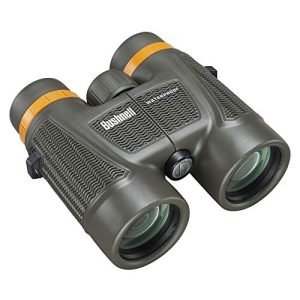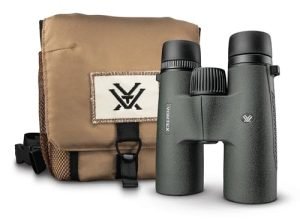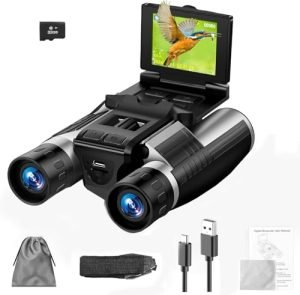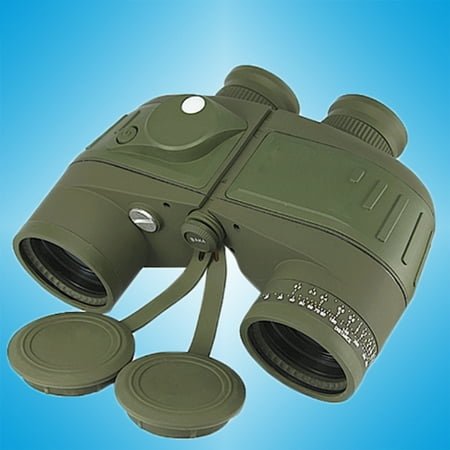
When you’re choosing close-focus binoculars, you want clear, sharp views every time. But have you ever wondered if these binoculars are nitrogen-purged?
This detail might seem small, but it can make a huge difference in how well your binoculars perform, especially in tough weather. If you want to protect your gear and get the best image quality, understanding nitrogen purging is key.
Keep reading to find out why this feature matters and how it can improve your viewing experience.

Credit: www.amazon.ca
Close-focus Binoculars Features
Close-focus binoculars let you see objects very near with clear detail. They are special because they focus on things just a few feet away.
These binoculars are useful for many activities where close viewing is needed. They differ from regular binoculars by their focus range and design.
What Close-focus Means
Close-focus means binoculars can focus on objects very close to you. Normal binoculars focus on distant objects, but close-focus models start focusing at about 6 to 10 feet.
- Allows detailed views of small or nearby objects
- Works well for observing flowers, insects, and other close subjects
- Improves comfort for viewing at short distances without eye strain
Common Uses For Close-focus Binoculars
Close-focus binoculars are popular for many hobbies and jobs. They help users see things clearly at short distances.
| Use | Benefit |
| Birdwatching | View birds on nearby branches |
| Insect Study | See details of small insects up close |
| Flower Observation | Enjoy petal textures and colors clearly |
| Sports Events | Focus on close players or objects on the field |
Nitrogen Purging Basics
Close-focus binoculars often need protection inside. Moisture can harm the lenses and optics. Nitrogen purging helps keep moisture away.
This process fills the binoculars with nitrogen gas. Nitrogen is dry and stops fog and mold from forming inside.
Purpose Of Nitrogen In Optics
Nitrogen helps keep the inside of binoculars dry. Moisture can cause fogging on lenses. It can also lead to mold and damage.
By replacing air with nitrogen, the risk of moisture drops. This protects the binoculars and keeps the view clear.
- Prevents fogging inside the lenses
- Stops mold growth in sealed parts
- Protects internal components from moisture
- Keeps optics clear and sharp
How Nitrogen Purging Works
Manufacturers fill binoculars with dry nitrogen gas. This replaces the normal air inside the device. The binoculars are then sealed tightly.
The sealed nitrogen environment stops moisture from entering. Since nitrogen has no water vapor, fog cannot form. This keeps lenses clear during use.
- Dry nitrogen gas fills the binocular housing
- The device is sealed to keep nitrogen inside
- No moisture enters, so no fog forms
- Optics stay clear in cold or wet conditions
Nitrogen Purging In Close-focus Binoculars
Close-focus binoculars let you see objects very near to you clearly. They are popular for bird watching and nature study. One key feature in many binoculars is nitrogen purging.
Nitrogen purging helps keep the inside of binoculars dry and fog-free. This is important for clear vision in different weather and temperature changes.
Are They Typically Nitrogen-purged?
Most close-focus binoculars are nitrogen-purged. This is because they need protection against fog and moisture inside the lenses. The nitrogen gas fills the inside space, pushing out any air that might hold moisture.
Manufacturers use nitrogen purging to make binoculars more durable. It prevents fog from forming when you move between cold and warm places. This feature is common in many mid-range and high-end models.
Benefits Of Nitrogen Purging For Close-focus Models
Nitrogen purging gives several benefits to close-focus binoculars. It helps keep the lenses clear and protects the binoculars inside from damage. This is important for outdoor use.
- Prevents fogging inside lenses in cold or humid weather
- Stops moisture build-up that can cause mold or damage
- Keeps the binoculars sealed and durable for a long time
- Improves image clarity by avoiding internal condensation
These benefits make nitrogen-purged binoculars a good choice for users who need close-focus features and clear views in tough conditions.
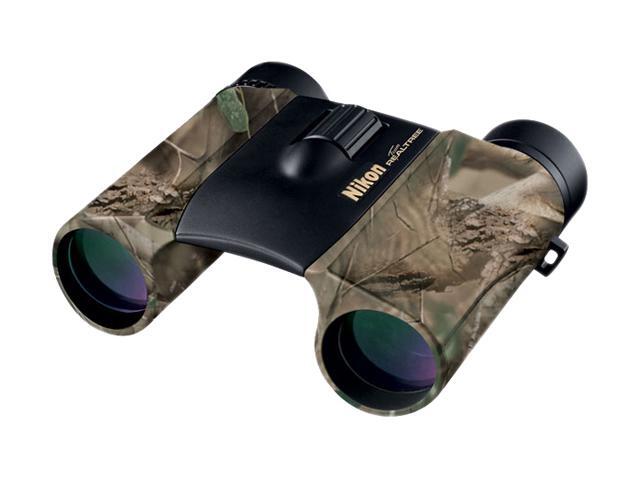
Credit: www.teamduval.org
Identifying Nitrogen-purged Binoculars
Nitrogen-purged binoculars resist fog and moisture inside the lenses. This feature keeps the view clear in cold or wet conditions. Knowing if binoculars are nitrogen-purged helps you pick the right model for outdoor use.
Many binoculars include information about nitrogen purging on their labels or in their manuals. Learning to spot these signs is useful before buying.
Labels And Markings To Look For
Look closely at the binoculars for labels that mention nitrogen purging. Brands often mark the binoculars with words or symbols. These help buyers quickly identify this feature.
- Words like “Nitrogen-filled” or “Nitrogen-purged”
- Markings such as “N2” indicating nitrogen gas
- Fog-proof or waterproof labels, which often mean nitrogen purging
- Sealed or O-ring symbols that show moisture protection
Manufacturer Specifications
Check the product details from the manufacturer to confirm nitrogen purging. Official specs list the gases used inside the binoculars. This information is reliable and clear.
- Look for “Gas Purging” or “Internal Gas” sections
- Check if nitrogen or dry gas is listed
- Review any notes about fog resistance or moisture sealing
- See if the warranty or manual mentions nitrogen filling
Alternatives To Nitrogen Purging
Close-focus binoculars often use nitrogen purging to stop fog from forming inside. This keeps the lenses clear during quick temperature changes. Some users look for other ways to prevent fog without nitrogen.
Several fog-prevention methods exist. Each has its own benefits and drawbacks compared to nitrogen purging. Knowing these can help you choose the right option.
Other Fog-prevention Methods
One common alternative is using airtight seals with different gases like argon or dry air. Some binoculars have coatings on the lenses that reduce fog. Another method is adding anti-fog sprays or wipes on the outer lenses.
- Argon Gas Filling:Argon gas is denser than air and stops moisture.
- Dry Air Filling:Dry air reduces humidity inside the binoculars.
- Anti-Fog Coatings:Special coatings prevent moisture from sticking.
- Anti-Fog Sprays and Wipes:Applied on lenses to clear fog.
- Airtight Seals:Prevent moisture from entering the binoculars.
Pros And Cons Compared To Nitrogen Purging
| Method | Pros | Cons |
| Argon Gas Filling | Good moisture control; inert gas | More expensive than nitrogen; less common |
| Dry Air Filling | Cost-effective; easy to supply | Less stable moisture control; can leak |
| Anti-Fog Coatings | Works on outer lenses; easy to apply | Does not protect inside; needs reapplication |
| Anti-Fog Sprays and Wipes | Quick fog removal; portable | Temporary effect; not inside protection |
| Airtight Seals | Prevents moisture entry; passive method | Can wear out over time; no fog inside |
| Nitrogen Purging | Long-lasting fog prevention; protects inside | Requires special filling; can be costly |

Credit: www.opticswarehouse.co.uk
Maintenance Tips For Close-focus Binoculars
Close-focus binoculars need special care to keep their lenses clear. Proper maintenance helps avoid fog and moisture damage. It also ensures the binoculars last longer and work well.
This guide shares key tips to keep your close-focus binoculars in good shape. Follow these simple steps to protect your gear.
Preventing Fogging And Moisture Damage
Fog and moisture inside binoculars can harm the lenses and reduce clarity. Many close-focus binoculars are nitrogen-purged to stop fogging. This means they are filled with dry nitrogen gas to keep moisture out.
- Keep binoculars dry by wiping them with a soft cloth after use.
- Avoid sudden temperature changes that cause fog inside lenses.
- Use lens caps when not in use to protect from dust and moisture.
- Store binoculars in a dry place with silica gel packs to absorb moisture.
- If fog appears inside, have a professional check the seals and nitrogen fill.
Storage And Handling Best Practices
Proper storage and handling keep close-focus binoculars safe from damage. Always handle them with care to avoid drops or scratches.
| Tip | Reason |
|---|---|
| Store in a padded case | Protects from bumps and dust |
| Keep away from direct sunlight | Prevents lens and body damage |
| Clean lenses only with lens cloth | Avoids scratches and smudges |
| Do not expose to water for long | Prevents internal moisture damage |
| Check seals regularly | Maintains nitrogen purge and waterproofing |
Frequently Asked Questions
Are Close-focus Binoculars Usually Nitrogen-purged?
Close-focus binoculars are often nitrogen-purged to prevent fogging inside the lenses. This process ensures clear views in humid or cold conditions. However, not all models have this feature, so checking product specifications is important before purchase.
Why Is Nitrogen Purging Important For Binoculars?
Nitrogen purging removes moisture inside binoculars, preventing internal fogging. It also protects against mold and corrosion. This helps maintain clear images and extends the binoculars’ lifespan, especially in varied weather conditions.
How Does Nitrogen Purging Improve Binocular Performance?
Nitrogen purging keeps internal lenses dry and fog-free. This ensures sharp, clear images even in cold or humid environments. It enhances durability by preventing internal damage caused by moisture and temperature changes.
Can Close-focus Binoculars Fog Without Nitrogen Purging?
Yes, close-focus binoculars without nitrogen purging are prone to fogging. Moisture can accumulate inside, reducing visibility. Using nitrogen-purged models is recommended for outdoor activities in variable climates.
Conclusion
Close-focus binoculars often come nitrogen-purged to keep the lenses clear. This process stops fog and moisture inside the binoculars. It helps you see sharp images even in wet or cold weather. Not all models have this feature, so check before you buy.
Nitrogen-purged binoculars last longer and work better outdoors. Choosing the right pair means enjoying nature without blurry views. Think about your needs and where you will use them most. Clear vision matters, and nitrogen-purging plays a big part.