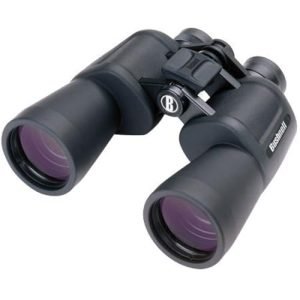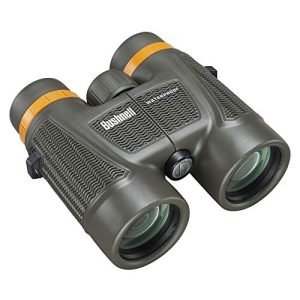
Are you worried about your roof prism binoculars getting damaged during outdoor adventures? You want a pair that can handle bumps, drops, and rough handling without losing clarity or focus.
But are roof prism binoculars really shock-resistant? Understanding how tough these binoculars are can save you from costly repairs and frustration. You’ll discover the truth about their durability and learn what features to look for to protect your investment. Keep reading to find out if your binoculars can stand up to the challenges you throw at them.
Roof Prism Binoculars Basics
Roof prism binoculars are popular tools for viewing distant objects. They use a straight design that makes them compact and easy to carry.
These binoculars are known for clear images and a slim shape. Many people wonder if they are shock-resistant.
Design And Structure
Roof prism binoculars have prisms aligned in a straight line. This design helps keep the binoculars small and light.
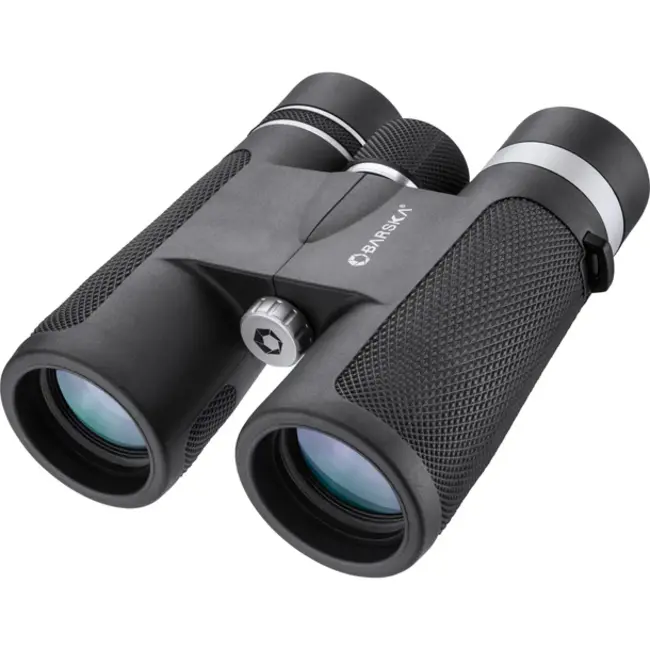
The body often has a tough outer shell. This shell can protect the binoculars from bumps and drops.
- Prisms arranged in a straight line
- Compact and lightweight shape
- Durable outer casing for protection
Common Uses
People use roof prism binoculars for many outdoor activities. They are good for bird watching, hiking, and sports.
These binoculars fit well for travel because they are easy to carry and tough enough for rough use.
- Bird watching
- Hiking and camping
- Sports events
- Travel and sightseeing

Credit: www.amazon.com
Materials Impacting Durability
Roof prism binoculars can be built to resist shocks. Their durability depends on the materials used.
Strong materials help protect the binoculars from drops and bumps. This keeps them working well for longer.
Housing Materials
The housing protects the inside parts of roof prism binoculars. It must be tough and light at the same time.
Common housing materials include rubber, plastic, and metal. Each type adds different shock resistance.
- Rubber Coating:Absorbs shocks and offers a good grip.
- Plastic Frames:Lightweight but less impact resistant than rubber.
- Metal Bodies:Very strong but heavier, providing extra protection.
Lens Protection
Lens protection is important to keep the glass safe from scratches and shocks. Strong lens covers help with this.
Some binoculars use special coatings or glass types to make lenses more durable. This reduces damage from impacts.
- Tempered glass is harder and resists cracks better.
- Coatings reduce scratches and repel dirt or water.
- Lens caps or covers protect lenses when not in use.
Shock Resistance Features
Roof prism binoculars often face rough use outdoors. Shock resistance helps protect them from damage. This feature is important for durability and long life.
Two main design elements add to shock resistance. These are internal padding and reinforced frames. Both work together to absorb impacts and protect the optics inside.
Internal Padding
Internal padding cushions the fragile parts inside the binoculars. It reduces the force from drops or knocks. The padding is made from soft, shock-absorbing materials.
- Protects lenses from sudden impacts
- Prevents misalignment of prisms and lenses
- Reduces internal damage during falls
- Improves overall durability
Reinforced Frames
Reinforced frames provide a tough outer shell. They add strength to the binocular body. Metal or high-strength plastic is often used for reinforcement.
| Material | Benefit |
|---|---|
| Aluminum | Lightweight and strong, resists dents |
| Magnesium Alloy | Very durable and shock absorbent |
| High-Grade Plastic | Flexible and impact resistant |
Comparing Roof Prism And Porro Prism Binoculars
Binoculars use two main prism types: roof and porro prisms. Each type has unique designs and features. Understanding these helps choose the right binocular.
One key question is about shock resistance. Are roof prism binoculars more shock-resistant than porro prism models? Let’s explore their durability and performance under stress.
Durability Differences
Roof prism binoculars have a straight, compact shape. This design makes their body stronger and harder to break. The prisms fit tightly inside, protecting them well.
Porro prism binoculars have a wider, angled design. This shape can be less sturdy because the parts stick out more. They might be easier to damage if dropped.
- Roof prisms have fewer moving parts.
- Porro prisms are bulkier and more exposed.
- Roof prism binoculars often use stronger housing materials.
- Porro prism models can feel less solid in hand.
Performance Under Stress
Roof prism binoculars usually stay aligned better after shocks. Their sealed design helps keep dust and moisture out. This keeps images clear and sharp.
Porro prism binoculars might lose alignment easier if dropped. Their wider shape can let dust or water enter more easily. This can affect image quality over time.
- Roof prisms resist shock with tight internal parts.
- Porro prisms may need more frequent realignment.
- Sealed roof prism models protect better against weather.
- Porro prism binoculars can be more vulnerable to damage.
Testing Shock Resistance
Shock resistance is an important feature for roof prism binoculars. It helps protect the binoculars from damage during drops or impacts. Testing ensures these binoculars can handle rough use.
Manufacturers and users test shock resistance in different ways. These tests show how well the binoculars survive sudden shocks and bumps.
Common Impact Tests
One common test is the drop test. Binoculars are dropped from a set height onto a hard surface. This checks if the lenses or body crack.
Another test involves vibration. The binoculars are shaken or vibrated for a set time. This simulates rough handling during travel or use.
- Drop test from 1-2 meters height
- Vibration test for 30 minutes
- Impact with small hard objects
- Pressure applied to the body
Real-world Scenarios
In real life, roof prism binoculars face many challenges. Outdoor use means they might fall or hit rocks. Testing mimics these situations to check durability.
Users often carry binoculars in backpacks or on straps. Sudden drops or bumps can happen during hiking or birdwatching. Shock resistance protects the optics and mechanics.
- Accidental drops during hikes
- Knocking against tree branches
- Pressure from other gear in backpacks
- Shocks from vehicle travel

Credit: alflahertys.com
Tips To Enhance Binocular Longevity
Roof prism binoculars offer great optical performance. Caring for them correctly can keep them working well for years. Small steps help protect your binoculars from damage and wear.
This guide covers proper handling and maintenance to extend your binoculars’ life. Follow these tips to keep your view clear and sharp.
Proper Handling
How you handle your roof prism binoculars affects their durability. Be gentle and avoid drops or rough use. Use a strap to prevent accidental falls.
- Hold binoculars firmly but gently when in use.
- Use a neck or wrist strap to keep them secure.
- Keep the binoculars in a padded case when not in use.
- Avoid touching the lenses with fingers.
- Do not force focus or zoom mechanisms.
Maintenance Practices
Regular cleaning and checks help maintain binocular quality. Protect lenses and moving parts from dust and moisture to avoid damage.
| Maintenance Task | Frequency | Notes |
| Clean lenses with a soft cloth | After each use | Use lens cleaner or air blower |
| Check for loose parts | Monthly | Tighten screws carefully if needed |
| Store in dry place | Always | Prevent mold and corrosion |
| Inspect seals | Every 6 months | Ensure waterproof features work well |

Credit: www.amazon.ca
Frequently Asked Questions
Are Roof Prism Binoculars Inherently Shock-resistant?
Roof prism binoculars are not inherently shock-resistant. Their durability depends on the manufacturer’s design and materials used. Many models include rubber armor and reinforced housing to absorb shocks. Always check product specifications for shock resistance before purchasing.
How Does Shock Resistance Affect Roof Prism Binoculars?
Shock resistance protects roof prism binoculars from damage due to drops or impacts. It ensures longevity and reliable performance in rugged conditions. Shock-resistant models are ideal for outdoor activities like hiking and birdwatching.
Can Shock-resistant Roof Prism Binoculars Handle Rough Outdoor Use?
Yes, shock-resistant roof prism binoculars are designed for rough outdoor use. They feature durable casing and cushioning to withstand knocks and falls. This makes them suitable for adventurous users who need reliable optics in tough environments.
Are All Roof Prism Binoculars Waterproof And Shockproof?
Not all roof prism binoculars are waterproof and shockproof. These features vary by model and brand. Look for specific labels like “waterproof” and “shockproof” to ensure the binoculars meet your outdoor needs.
Conclusion
Roof prism binoculars often have some shock resistance, but it varies. Many models include rubber armor to protect against bumps. Still, not all are built to handle rough impacts. Choosing binoculars with strong materials helps if you need extra durability.
Proper care also keeps them safe from damage. Think about how and where you will use them. This helps find binoculars that fit your needs well. Durability matters for long-lasting use and clear vision outdoors.