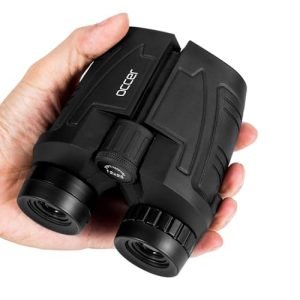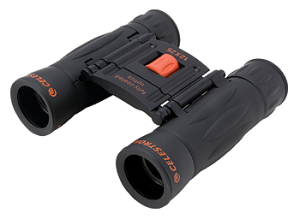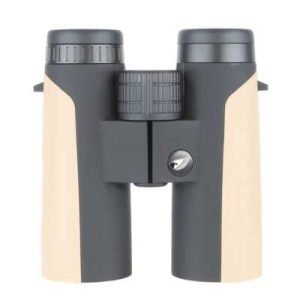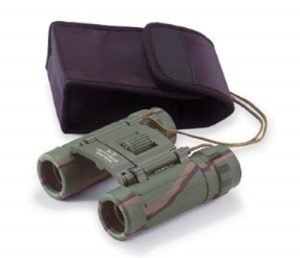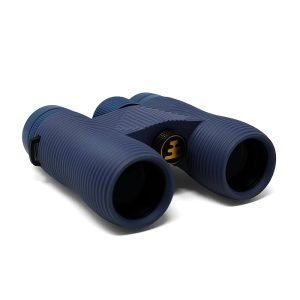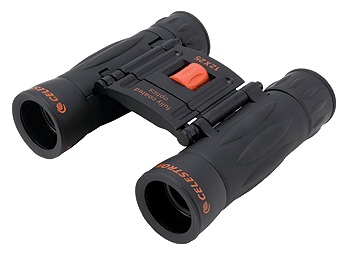
Are you looking for a simple tool to help your students see details up close without straining their eyes? Close-focus binoculars might be just what your classroom needs.
But are they really good for classroom use? Imagine your students exploring tiny insects, leaves, or even small text with crystal-clear vision, right from their desks. You’ll discover how close-focus binoculars can change the way your students learn and engage with the world around them.
Keep reading to find out if they’re the right fit for your teaching style and classroom environment.
Benefits Of Close-focus Binoculars
Close-focus binoculars let students see objects clearly at short distances. These binoculars are useful in many classroom settings.
Using close-focus binoculars helps students explore details they might miss with regular binoculars.
Enhanced Viewing For Students
Close-focus binoculars allow students to view nearby objects sharply. This feature helps in studying plants, insects, and small items up close.
- Clear images of objects just a few feet away
- Better understanding of fine details
- Supports hands-on learning activities
Improved Engagement In Lessons
Students stay more interested when they see things closely. Using binoculars makes lessons interactive and fun.
- Encourages curiosity and questions
- Helps focus on lesson topics
- Supports group discussions with shared viewing
Suitability For Classroom Activities
| Activity | Benefit of Close-Focus Binoculars |
| Plant study | See leaf veins and small insects clearly |
| Science experiments | Observe reactions up close safely |
| Art projects | View textures and details for accurate drawing |
| Nature observation | Watch birds and bugs near classroom windows |

Credit: www.yahoo.com
Features To Look For
Choosing close-focus binoculars for classrooms needs careful thought. These tools help students see small details up close.
Look for features that match classroom needs. Comfort, clarity, and safety matter most.
Magnification And Focus Range
Magnification tells how much closer objects appear. A moderate zoom is best for classrooms. Too much zoom makes it hard to hold steady.
- Choose binoculars with 6x to 8x magnification.
- Look for a close focus distance under 10 feet.
- Adjustable focus helps see near and far objects clearly.
Size And Portability
Binoculars should be easy for students to carry and use. Small and lightweight models work best. They fit in backpacks and do not tire small hands.
| Feature | Ideal Classroom Range |
| Weight | Under 1 pound |
| Size | Compact enough for small hands |
| Strap | Adjustable and comfortable |
Durability And Safety
Classroom binoculars face rough use. Choose sturdy, safe models that last long. Soft rubber coatings protect both the device and the user.
- Look for shatterproof lenses for safety.
- Rubber armor helps protect against drops.
- Water-resistant designs handle spills and outdoor use.
- Easy-to-clean surfaces keep them hygienic.
Comparing Close-focus Vs Regular Binoculars
Binoculars help people see things far away. In classrooms, they can show details on objects or books.
Close-focus binoculars and regular binoculars work differently. This affects how they are used in schools.
Differences In Focus Distance
Close-focus binoculars can focus on objects very near, about 3 to 6 feet away. Regular binoculars focus much farther, usually over 20 feet.
In classrooms, students often look at books or small models close by. Close-focus binoculars make these details clear up close.
- Close-focus: works well for nearby objects
- Regular: best for distant views
- Close-focus helps see small things clearly
Image Clarity And Detail
Close-focus binoculars give sharper images of objects nearby. They show fine details on pages or models in the classroom.
Regular binoculars are designed for far objects. They may not show clear details on close items, making classroom use harder.
- Close-focus: clear images at short range
- Regular: clear images at long range
- Close-focus shows more detail up close
Ease Of Use For Children
Close-focus binoculars are easier for children to use. Kids can hold them steady and see things close without trouble.
Regular binoculars need more distance and steady hands. This can be hard for young students to manage during lessons.
- Close-focus binoculars: simple for kids to use
- Regular binoculars: harder for close viewing
- Close-focus helps kids learn better with clear views

Credit: www.yahoo.com
Practical Classroom Applications
Close-focus binoculars help students see small details up close. They bring objects nearer without losing clarity. These tools work well in many classroom activities.
Teachers use them to support hands-on learning. Students explore science, art, and nature by looking closely at objects. This makes lessons more interactive and fun.
Science Experiments And Observation
Close-focus binoculars let students watch small science experiments closely. They can see chemical reactions, crystal formations, and insect behaviors. This helps them understand science better.
- Observe tiny details in plant cells or insects.
- Watch changes during simple chemical reactions.
- Track movement of small animals or insects.
- Examine textures and patterns on objects.
Art And Nature Studies
Students use close-focus binoculars to study fine details in art and nature. They see brush strokes in paintings or leaf veins on plants. This deepens their appreciation and skills.
| Subject | Use of Close-Focus Binoculars |
| Painting | View brush strokes and texture |
| Leaves | See veins and surface details |
| Rocks | Inspect grain and color patterns |
| Insects | Observe body parts and wings |
Interactive Learning Opportunities
Close-focus binoculars encourage students to explore and ask questions. They can share their findings with classmates. This builds teamwork and curiosity in class.
- Group discussions based on close observations
- Hands-on projects using binoculars for detail study
- Outdoor activities where students compare views
- Creative writing inspired by what students see
Tips For Integrating Binoculars In Classrooms
Close-focus binoculars can be a great tool for classrooms. They let students see things up close and in detail.
Using binoculars helps students explore nature and science in a fun way. Here are some tips to use them well.
Setting Up Group Activities
Plan activities where students use binoculars in small groups. This way, everyone gets a turn and learns together.
Use binoculars for bird watching, plant study, or observing classroom displays. Group work builds teamwork skills.
- Divide students into groups of 3-4
- Give clear instructions for the activity
- Rotate binoculars so all students use them
- Encourage sharing observations within groups
Maintaining And Storing Equipment
Keep binoculars clean and safe to make them last longer. Teach students how to handle them carefully.
Store binoculars in a dry, secure place. Check them often for dust or damage and clean lenses gently.
- Use soft cloths to clean lenses
- Store in padded cases or boxes
- Keep equipment away from water and heat
- Inspect binoculars before and after use
Encouraging Student Responsibility
Help students learn to care for the binoculars. Give them roles to manage and protect the tools.
Assign a student to be in charge each day. This builds respect and teaches responsibility for shared equipment.
- Create a sign-out sheet for binocular use
- Set rules for handling and returning equipment
- Discuss why taking care of tools matters
- Reward good care with praise or privileges

Credit: www.amazon.ca
Frequently Asked Questions
What Are Close-focus Binoculars?
Close-focus binoculars are optical devices designed to focus on objects very near. They enhance clarity for close-up viewing, making them useful in classrooms for detailed observation, such as studying plants or small objects during lessons.
Why Use Close-focus Binoculars In Classrooms?
Close-focus binoculars help students see fine details up close. They improve engagement by providing a hands-on learning experience. These binoculars support subjects like biology and art by enhancing visual clarity on nearby objects.
Are Close-focus Binoculars Easy For Students To Use?
Yes, close-focus binoculars are user-friendly and lightweight. They are designed for comfortable handling by students of all ages. Their simple focusing mechanism allows quick adjustments for clear, close-up views without hassle.
Do Close-focus Binoculars Improve Classroom Learning?
Close-focus binoculars enhance observational skills and curiosity. They make lessons interactive and visually stimulating. Using them can boost students’ attention and understanding of detailed subjects through direct, magnified observation.
Conclusion
Close-focus binoculars help students see details up close with ease. They improve focus during lessons and make learning more fun. These binoculars are simple to use and fit well in classrooms. Teachers can show objects clearly without strain or confusion.
Students stay more engaged and interested in the subject. Choosing binoculars with close-focus helps create better classroom experiences. They support active learning and help students explore the world near and far. Overall, close-focus binoculars serve as a useful tool for education.