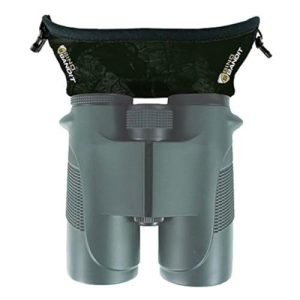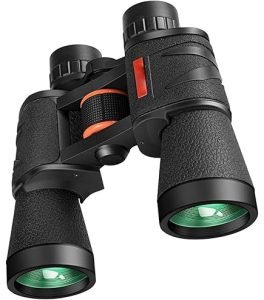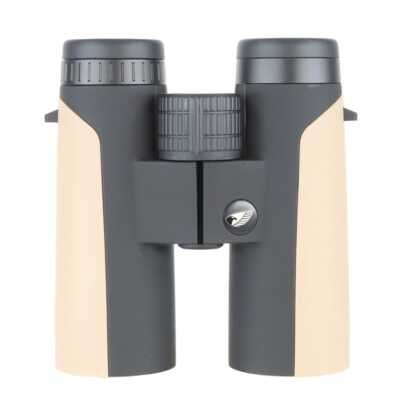
Are you planning a trip to the desert and wondering if your ED binoculars will hold up? You probably want to know if these high-quality lenses can handle the harsh, dry environment and still give you clear, sharp views.
Imagine spotting distant wildlife or stunning rock formations with perfect clarity—sounds great, right? Keep reading to find out how ED binoculars perform in desert conditions and what you need to know to make the most of your adventure.
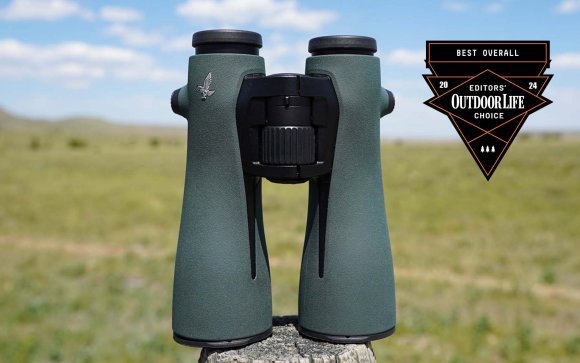
Credit: www.outdoorlife.com
Ed Binoculars Basics
ED binoculars use special glass to improve image quality. These binoculars help you see clearer and sharper views.
They are popular among bird watchers, hunters, and outdoor lovers. Let’s learn what makes ED binoculars special.
What Are Ed Binoculars
ED stands for Extra-low Dispersion glass. This glass reduces color distortion in images. It helps to show true colors and fine details. ED binoculars are made with this glass in their lenses or prisms. This feature makes objects look sharper and clearer than regular binoculars.
Key Features And Benefits
- Clearer images with less color blur
- Better contrast in bright light
- Sharper focus on distant objects
- Reduced eye strain during long use
- Improved durability of lenses
| Feature | Benefit |
| Extra-low Dispersion Glass | Sharp, clear images with true colors |
| High-Quality Coatings | Better light transmission and brightness |
| Robust Build | Lasts longer in rough conditions |
| Lightweight Design | Easier to carry for long periods |
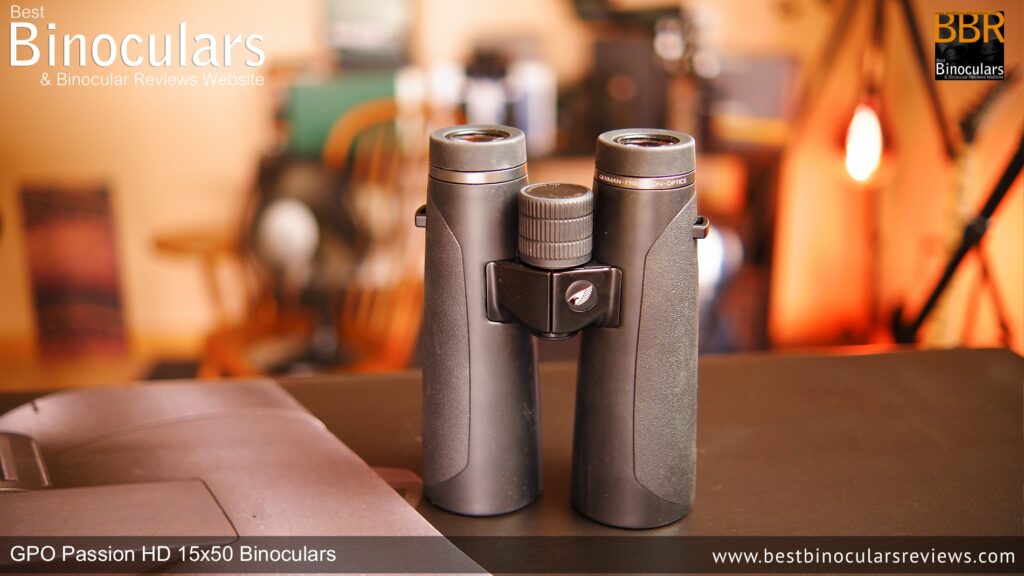
Credit: www.bestbinocularsreviews.com
Desert Environment Challenges
Deserts have harsh conditions that affect the use of binoculars. The extreme heat, dust, and bright light can cause problems.
Understanding these challenges helps you use binoculars better in desert settings.
Heat And Temperature Effects
High temperatures in deserts can damage binocular parts. Heat may cause plastic or rubber to soften or melt.
Metal parts can expand and affect the focus and alignment. Extreme heat also makes binoculars hot to hold.
Dust And Sand Impact
Dust and sand are common in deserts and can get inside binoculars. This can scratch lenses and block views.
Small particles can also damage moving parts and make focusing difficult.
- Use binoculars with sealed lenses to keep out dust
- Clean lenses carefully to avoid scratches
- Store binoculars in protective cases when not in use
Light And Glare Conditions
The bright sun in deserts creates strong light and glare. This can make it hard to see clearly through binoculars.
Glare may cause eye strain and reduce image quality. Binoculars with anti-reflective coatings help reduce glare.
- Use lens covers to protect when not in use
- Wear sunglasses to help reduce glare
- Choose binoculars with good light filters
Performance Of Ed Binoculars In Deserts
ED binoculars offer enhanced viewing in many environments. Deserts pose unique challenges for optical devices.
Sand, heat, and bright light affect the performance of binoculars. Understanding how ED binoculars handle these factors is important.
Image Clarity And Color Accuracy
ED binoculars use special glass to reduce color distortion. This helps produce sharper and clearer images.
- They reduce chromatic aberration for better color fidelity.
- Bright desert light can cause glare, but many ED binoculars have coatings to limit this.
- They provide clear views of distant objects even in hazy desert air.
Durability And Weather Resistance
Desert conditions are harsh. Binoculars must resist sand, dust, and heat.
| Feature | Importance in Desert |
| Water Resistance | Protects against sudden rain or dew |
| Dust Proofing | Keeps sand out of lenses and mechanics |
| Rubber Armor | Prevents damage from drops and provides grip |
| Temperature Tolerance | Ensures function in extreme heat |
Handling And Comfort
Comfort matters on long desert walks. ED binoculars vary in weight and grip.
- Lightweight models reduce arm fatigue.
- Non-slip coatings help maintain hold in sandy conditions.
- Easy focus adjustments are useful when observing moving wildlife.
Tips For Using Ed Binoculars In Deserts
ED binoculars offer clear and sharp views in many environments. Using them in deserts needs care to keep them working well.
Deserts have dry air, dust, and strong sunlight. These factors can affect your binoculars if you do not protect and maintain them.
Protective Measures
Protect your ED binoculars from sand and dust in the desert. Use covers and keep them in a sealed case when not in use.
Avoid leaving binoculars under the hot sun for long. Heat can damage lenses and the body of the binoculars.
- Use lens caps and covers
- Store binoculars in a protective case
- Keep them shaded from direct sunlight
- Avoid placing binoculars on hot surfaces
Maintenance And Cleaning
Clean your binoculars carefully after desert use. Dust and sand can scratch lenses if not removed properly.
Use a soft brush or air blower to remove loose dust. Then clean lenses with a microfiber cloth and lens cleaner.
- Remove dust with a soft brush or air blower
- Use a microfiber cloth for lens cleaning
- Apply lens cleaner gently and sparingly
- Check for damage after each use
Best Practices For Optimal Use
Use binoculars during cooler parts of the day to avoid heat haze. Early morning or late afternoon works best.
Hold binoculars steady and avoid quick movements to get clear views. Use a tripod if possible for long observation.
- Observe during early morning or late afternoon
- Hold binoculars steady for clear images
- Use a tripod for long viewing sessions
- Avoid touching lenses with fingers
Alternative Optics For Desert Use
Using optics in the desert requires gear that can handle harsh conditions. Dust, heat, and bright light affect performance. Choosing the right optics helps you see clearly in these tough environments.
ED binoculars offer sharp images but may not always be the best option in deserts. Other optics might suit the dry and sunny climate better.
Comparing Ed Binoculars With Other Types
ED binoculars reduce color blur and provide clear views. They work well for many uses but may face limits in deserts. The heat can affect their lens coatings. Dust can scratch their lenses if not protected well.
- Standard Binoculars:Less costly but may have more color blur.
- Waterproof Binoculars:Good for dusty and wet areas, often sealed tightly.
- Roof Prism Binoculars:Compact and sturdy, easy to carry in harsh climates.
- Porro Prism Binoculars:Bulkier but offer good depth and light gathering.
Specialized Desert Optics Options
Desert optics need special features for durability and comfort. Features like sunshades, dustproof seals, and anti-reflective coatings help a lot. These options improve your viewing experience under bright sun and dusty air.
| Feature | Benefit for Desert Use |
| Sunshades | Reduce glare from bright sunlight |
| Dustproof Seals | Keep sand and dust out of lenses |
| Anti-Reflective Coatings | Enhance image brightness and clarity |
| Lightweight Materials | Make carrying easier during long walks |
| Waterproofing | Protect optics from sudden rain or humidity |

Credit: www.engadget.com
Frequently Asked Questions
Can Ed Binoculars Handle Desert Heat And Dryness?
Yes, ED binoculars are designed to endure harsh conditions. Many models have waterproof and fog-proof features, making them suitable for desert heat and dryness.
Do Ed Binoculars Improve Visibility In Desert Landscapes?
ED binoculars reduce chromatic aberration, enhancing image clarity. This feature helps users see distant desert details sharply and clearly.
Are Ed Binoculars Dust-resistant For Desert Use?
Many ED binoculars come with sealed bodies to prevent dust entry. This makes them reliable tools for dusty desert environments.
How Do Ed Binoculars Perform In Bright Desert Sunlight?
ED lenses have coatings that reduce glare and reflections. This improves visibility and comfort when using binoculars under bright desert sun.
Conclusion
ED binoculars work well in deserts due to their clarity and zoom. They help spot distant objects clearly in bright sunlight. Their durable design handles dusty and dry conditions easily. Keep lenses clean to avoid blurry views. Using ED binoculars makes desert exploration more enjoyable and safe.
Choose a lightweight model for comfort during long walks. Overall, ED binoculars are a smart choice for desert adventures.