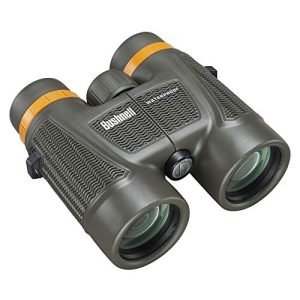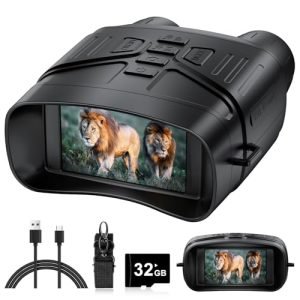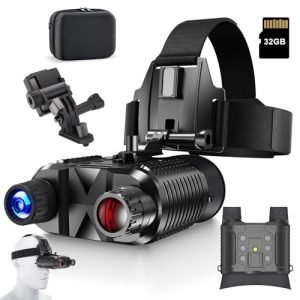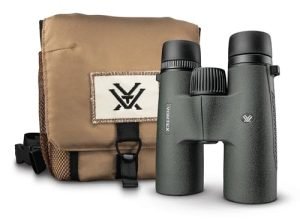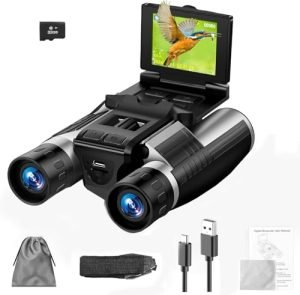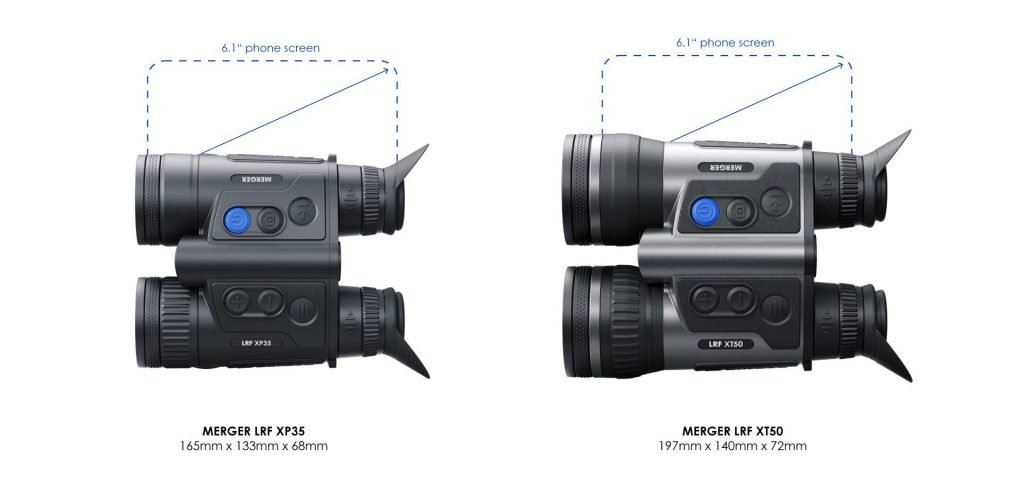
Are you considering thermal binoculars for your surveillance needs? Understanding the pros and cons before making a decision can save you time and money.
Thermal binoculars offer unique advantages, like seeing clearly in complete darkness and through smoke or fog. But they also come with some drawbacks you should know about. This guide will help you weigh the benefits and limitations so you can decide if thermal binoculars are the right tool for your specific situation.
Keep reading to discover what you need to know before investing in this powerful technology.
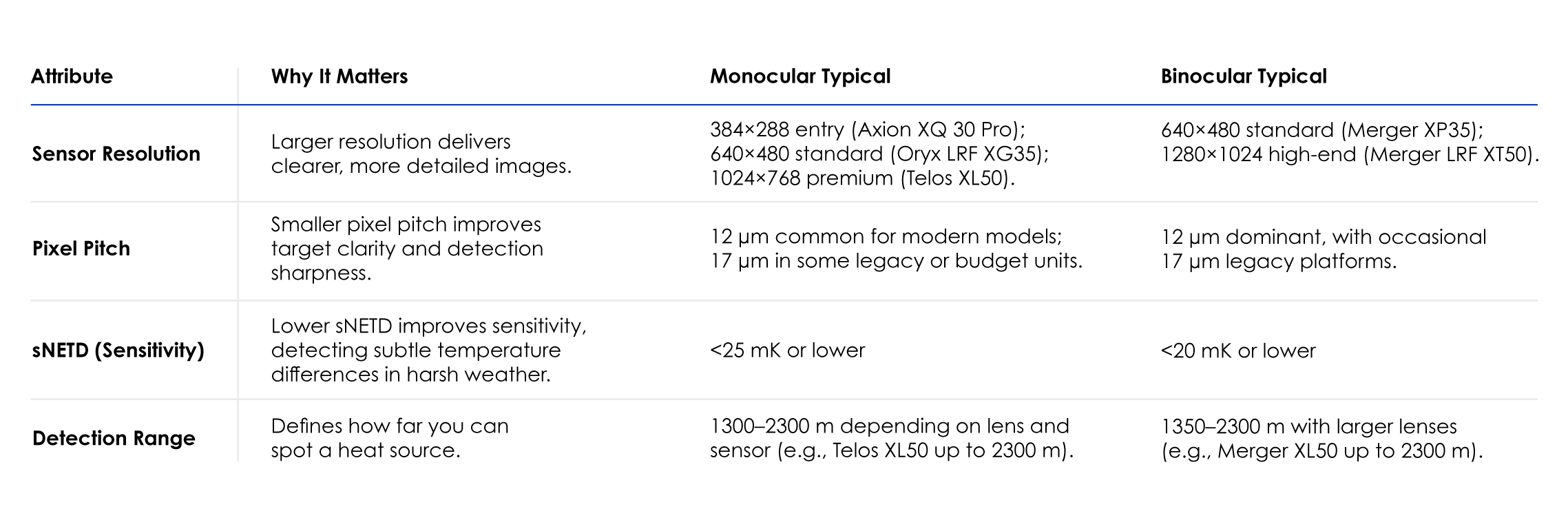
Credit: pulsarvision.com
Thermal Binoculars Basics
Thermal binoculars help you see heat from objects and living things. They work well in darkness and bad weather.
People use thermal binoculars for surveillance to detect hidden or distant heat sources.
How Thermal Imaging Works
Thermal imaging detects infrared radiation from objects. All objects emit heat, even when cold.
The binoculars convert heat into visible images. Warmer objects appear brighter or in different colors.
- Infrared sensors capture heat radiation
- Processor creates an image from the heat data
- Display shows the thermal image for viewing
Key Features Of Thermal Binoculars
| Feature | Description |
| Detection Range | Distance at which heat can be detected |
| Resolution | Clarity and detail of the thermal image |
| Battery Life | Operating time before recharge or replacement |
| Weight | Ease of carrying and using for long periods |
| Durability | Resistance to weather and rough use |
Credit: pulsarvision.com
Advantages For Surveillance
Thermal binoculars help people see heat from objects and living beings. They are useful for surveillance in many conditions.
These binoculars work by detecting heat signatures. This makes them valuable tools for security and monitoring tasks.
Enhanced Night Vision
Thermal binoculars allow clear vision in complete darkness. They do not depend on visible light. This helps guards and observers watch areas at night without extra lighting.
Detection Through Obstructions
These devices detect heat through smoke, fog, and light foliage. This helps find people or animals hidden behind obstacles.
- See through smoke in fire zones
- Detect movement in foggy weather
- Spot hidden objects behind leaves or bushes
Long-range Monitoring
Thermal binoculars can monitor heat sources from far distances. This supports early warning and wide area surveillance.
| Feature | Benefit for Surveillance |
| Long detection range | Spot threats early |
| High resolution | Identify objects clearly |
| Portable design | Easily carry to remote sites |
Drawbacks To Consider
Thermal binoculars are useful for surveillance in many ways. They let you see heat signatures in the dark. Yet, they come with some downsides. It is good to know these before using them.
This section covers three main drawbacks of thermal binoculars. These are high cost and maintenance, limited detail resolution, and battery life constraints.
High Cost And Maintenance
Thermal binoculars are expensive to buy. The technology inside needs precise parts. This raises the price. Also, they need regular care to work well.
- Initial purchase price is high compared to regular binoculars.
- Repairs require expert technicians, which can be costly.
- Cleaning and calibration must be done carefully and often.
- Replacement parts are not easily available.
Limited Detail Resolution
Thermal images show heat, not clear shapes. This limits the detail you can see. Fine features like faces or small objects may be unclear.
| Feature | Thermal Binoculars | Regular Binoculars |
| Image Type | Heat signatures | Light-based images |
| Detail Level | Low to medium | High |
| Color | False color or grayscale | True color |
| Use Case | Detect heat sources | See shapes and colors clearly |
Battery Life Constraints
Thermal binoculars use power for sensors and screens. This drains batteries fast. Long surveillance sessions need extra batteries or power banks.
- Typical battery life ranges from 4 to 8 hours.
- Cold weather reduces battery performance.
- Spare batteries add weight and cost.
- Charging options may be limited in the field.
Comparing Thermal And Traditional Binoculars
Thermal binoculars and traditional binoculars serve different purposes. Each type works better in certain situations. Understanding their strengths and weaknesses helps choose the right tool for surveillance.
This comparison focuses on two key areas: performance in various conditions and usability with portability.
Performance In Various Conditions
Thermal binoculars detect heat signatures. They work well in darkness, fog, and smoke. Traditional binoculars rely on visible light and need good lighting.
| Feature | Thermal Binoculars | Traditional Binoculars |
|---|---|---|
| Night Vision | Excellent, can see in total darkness | Poor, need some light |
| Fog and Smoke | Can see through fog and smoke | Visibility is reduced |
| Detail Clarity | Less detail, shows heat shapes | High detail and color accuracy |
| Weather Conditions | Works well in harsh weather | Performance drops in bad weather |
Usability And Portability
Traditional binoculars are often lighter and easier to carry. Thermal binoculars can be heavier due to extra technology. Both types have simple controls but differ in power needs.
- Traditional binoculars usually do not need batteries.
- Thermal binoculars require batteries, which limits usage time.
- Thermal models can be bulkier and more expensive.
- Traditional binoculars are easier to use for beginners.
- Thermal binoculars need some training to interpret images.
Best Practices For Using Thermal Binoculars
Thermal binoculars help see heat signatures in dark or foggy places. They are useful for surveillance at night or in tough weather.
To get the best results, you must know how to set them up and use them correctly. Also, following laws and ethics is very important.
Optimal Settings And Techniques
Adjusting thermal binoculars properly improves image quality and detection range. Start by setting the right contrast and brightness for the environment.
Use steady hand techniques or a tripod to avoid shaking. Scan slowly and focus on heat sources to catch details clearly.
- Set brightness and contrast based on light and temperature
- Keep binoculars steady to avoid blurry images
- Scan areas slowly to detect small heat sources
- Use zoom carefully to avoid losing focus
- Practice in different conditions to learn how settings change
Legal And Ethical Considerations
Using thermal binoculars for surveillance can raise privacy concerns. Always check local laws before using them in public or private areas.
Respect people’s privacy and avoid spying without permission. Use thermal devices responsibly and only for legal purposes.
- Know your local laws about surveillance
- Do not invade private property without consent
- Use devices only for safety or authorized tasks
- Respect others’ privacy and avoid misuse
- Report illegal activity if observed during use
Credit: pulsarvision.com
Frequently Asked Questions
What Are The Main Benefits Of Thermal Binoculars?
Thermal binoculars detect heat signatures, allowing clear vision in darkness and fog. They enhance surveillance by spotting hidden objects and animals. These devices are ideal for security and wildlife observation, offering superior detection compared to night vision.
Are Thermal Binoculars Effective In Complete Darkness?
Yes, thermal binoculars work perfectly in total darkness. They detect heat, not light, so they don’t rely on ambient light. This makes them excellent for night surveillance and search missions in pitch-black environments.
What Limitations Do Thermal Binoculars Have For Surveillance?
Thermal binoculars can be expensive and bulky. They may have lower image resolution than optical devices. Heat sources can sometimes cause false alarms. Battery life can also be limited, requiring frequent recharging during extended use.
How Do Thermal Binoculars Compare To Night Vision Devices?
Thermal binoculars detect heat, while night vision amplifies light. Thermal works better in total darkness and through smoke or fog. Night vision offers clearer images in low-light but fails in no light. Both have unique advantages depending on surveillance needs.
Conclusion
Thermal binoculars offer clear vision in darkness and through obstacles. They help spot heat signatures from a distance. Yet, they can be expensive and sometimes less detailed in daylight. Battery life may limit long surveillance sessions. Choosing the right model depends on your needs and budget.
Weighing these pros and cons helps make a smart decision. Thermal binoculars can be a useful tool but are not perfect for every situation.