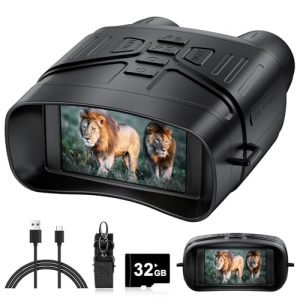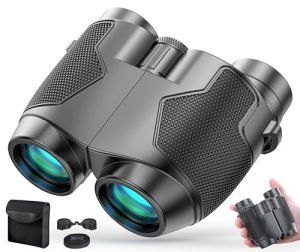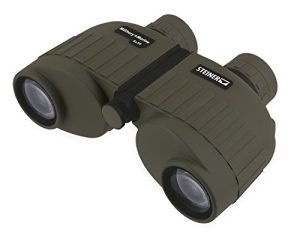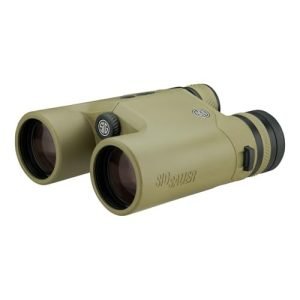
Have you ever been in the middle of an important observation, only to have your surveillance binoculars fog up and ruin the view? It’s frustrating, isn’t it?
Whether you’re monitoring wildlife, securing a property, or just enjoying a clear, distant view, fogging can seriously disrupt your experience. But what if you could stop this problem before it starts? You’ll discover simple, practical ways to keep your binoculars clear and your vision sharp.
Keep reading to learn how to protect your gear and never miss a crucial detail again.
Causes Of Fogging
Fogging in surveillance binoculars happens when moisture builds up on the lenses. This moisture blocks your view and makes it hard to see clearly. Understanding what causes fogging helps you prevent it.
Fogging usually happens because of changes in temperature, humidity, or the type of lens material. Each cause affects the binoculars differently.
Temperature Differences
Fog forms when warm, moist air meets a cold surface. If your binoculars are cold and you bring them into a warm place, condensation happens. This causes water droplets to form on the lenses.
Outdoor use can cause quick temperature changes. Moving from cold to warm areas or vice versa makes fogging more likely. The bigger the temperature gap, the more fog appears.
Humidity Effects
High humidity means there is a lot of water vapor in the air. When this moist air touches the binocular lenses, water can collect and cause fog. Humid weather or rain increases the chance of fogging.
Inside the binoculars, trapped moisture can also cause fog if the seals are weak. Good sealing helps keep humidity out and stops fog from forming inside.
- High humidity increases fog risk
- Poor seals let moisture inside
- Dry air reduces fogging chances
Lens Material And Coatings
Some lens materials absorb moisture more easily than others. Glass lenses usually resist fog better than plastic ones. The type of lens affects how much fog forms.
Anti-fog coatings help reduce fog by stopping water droplets from sticking. These coatings make it easier to see in wet or cold conditions. Without coatings, lenses fog up faster.
- Glass lenses resist fog better
- Plastic lenses fog more quickly
- Anti-fog coatings reduce moisture
- Coatings wear off over time

Credit: www.amazon.com
Choosing Fog-resistant Binoculars
Fogging inside binocular lenses can blur your view. It happens when moisture gets trapped inside the binoculars. Choosing fog-resistant binoculars helps keep your vision clear in wet or cold conditions.
There are different features that help stop fog from forming. Understanding these can help you pick the right binoculars for outdoor surveillance.
Nitrogen And Argon Purging
Binoculars filled with nitrogen or argon gas resist fog better than air-filled ones. These gases prevent moisture from entering the lens chamber. They keep the inside dry and stop fog from forming on the lenses.
- Nitrogen is dry and prevents condensation inside the binoculars.
- Argon is heavier than air and also blocks moisture well.
- These gases keep the internal air pressure stable to avoid fog.
- Look for binoculars labeled “nitrogen-purged” or “argon-purged.”
Waterproof Features
Waterproof binoculars keep water out during rain, dew, or snow. This also helps stop fog by blocking moisture from entering the lenses. Waterproof seals and O-rings are key parts of this protection.
| Feature | Purpose |
| O-rings | Seal joints to block water and dust |
| Rubber Armor | Protects binoculars and adds grip |
| Waterproof Coating | Prevents water from seeping inside |
| Pressure Equalization Valve | Keeps pressure balanced in changing weather |
Anti-fog Coatings
Anti-fog coatings on the lenses reduce fog buildup on the surface. These coatings spread water evenly so tiny droplets do not form. This helps keep your view clear in humid or cold weather.
Benefits of Anti-Fog Coatings:
- Quickly clear fog after sudden temperature changes
- Improve lens durability against scratches and dirt
- Require no extra treatment or sprays
- Enhance image clarity and brightness
Proper Storage Techniques
Fogging in surveillance binoculars can damage your viewing experience. Proper storage helps stop moisture buildup. This keeps lenses clear and working well.
Storing your binoculars right protects them from fog and other problems. Use these simple tips to keep them safe and dry.
Using Protective Cases
Protective cases shield binoculars from dust, dirt, and scratches. They also help keep moisture away. Choose a case that fits your binoculars well.
Look for cases with padding and water-resistant materials. Soft cases are good for light use. Hard cases offer extra protection for rough conditions.
- Use padded cases to prevent damage
- Choose water-resistant or waterproof materials
- Keep the case clean and dry
- Close the case tightly after use
Avoiding Moisture Exposure
Moisture causes fogging inside binocular lenses. Avoid storing binoculars in damp places like basements or bathrooms. Dry locations help prevent fog.
After using binoculars in wet or foggy weather, dry them before storage. Use a soft cloth to remove water on the surface.
- Keep binoculars away from rain and humidity
- Dry binoculars before putting them away
- Store in a dry, ventilated area
- Use silica gel packs to absorb moisture
Climate-controlled Storage
Storing binoculars in climate-controlled spaces stops fogging. These areas keep temperature and humidity steady. Avoid places that get hot or cold quickly.
Use a cabinet or room with controlled air to keep binoculars safe. This reduces the chance of condensation forming inside the lenses.
- Store binoculars in rooms with stable temperature
- Avoid places with high humidity or rapid temperature changes
- Use dehumidifiers if needed
- Keep binoculars away from direct sunlight and heat sources

Credit: www.ebay.com
Field Practices To Prevent Fogging
Fogging in surveillance binoculars reduces visibility and makes observation hard. Field practices can help avoid this problem.
Simple habits and precautions keep lenses clear. Below are key ways to stop fogging during use.
Gradual Temperature Adjustment
Sudden changes in temperature cause fog on lenses. Let binoculars adjust slowly to outdoor conditions.
- Keep binoculars in a bag outside before use.
- Avoid moving binoculars quickly from cold to warm places.
- Remove lens caps only after temperature equalizes.
Using Lens Cloths And Anti-fog Sprays
Cleaning lenses regularly prevents fog buildup. Use soft lens cloths and approved sprays for best results.
| Item | Purpose |
|---|---|
| Microfiber Cloth | Remove dust and moisture gently |
| Anti-Fog Spray | Coat lenses to resist fog formation |
| Lens Cleaning Solution | Clean stubborn smudges safely |
Avoiding Breath And Sweat Contact
Breath and sweat cause quick fogging on lenses. Keep binoculars away from direct contact with your face and skin.
- Do not breathe directly on lenses.
- Use a face shield or mask to redirect breath.
- Wipe sweat from your forehead and hands before using binoculars.
- Adjust straps so binoculars do not touch your skin tightly.
Diy Anti-fog Solutions
Surveillance binoculars often fog up due to temperature changes and moisture. This can block your view and reduce clarity.
Using simple household items, you can reduce fogging on your lenses. These DIY methods are easy and cost-effective.
Household Items As Anti-fog Agents
Many common household products can prevent fog on binocular lenses. Some create a thin film that stops moisture buildup.
- Dish soap: Apply a thin layer and let it dry. It leaves a clear film that reduces fog.
- Shaving cream: Spread gently and wipe off excess. It helps keep lenses clear.
- Baby shampoo: Mix with water and apply lightly. It can prevent fogging for several hours.
- Vinegar: Use diluted vinegar to clean lenses before applying other agents.
- Glycerin: A few drops rubbed on lenses create a moisture barrier.
Safe Application Methods
Applying anti-fog agents correctly is important. Use gentle motions and avoid damage to lenses or coatings.
| Step | Instructions |
| 1 | Clean lenses with a soft cloth and mild cleaner. |
| 2 | Apply a small amount of chosen agent to the lens surface. |
| 3 | Spread evenly using a microfiber cloth in circular motions. |
| 4 | Let the lenses air dry or wipe off excess carefully. |
| 5 | Test by breathing gently on lenses to check fog reduction. |
Limitations And Risks
DIY methods do not always work perfectly. Some agents can damage lens coatings if used too often.
- Test any solution on a small lens area first.
- Avoid harsh chemicals that can scratch or dull lenses.
- Reapply treatments regularly for best results.
- Do not use abrasive cloths or paper towels to clean lenses.
- Consider professional anti-fog sprays for long-term use.
Maintenance And Cleaning Tips
Fogging in surveillance binoculars reduces clarity and makes observation difficult. Proper care helps keep lenses clear and fog-free.
Cleaning and maintenance are key to preventing moisture build-up inside the binoculars. Follow simple steps to keep them in top condition.
Regular Lens Cleaning
Clean lenses often using a soft cloth to remove dirt and smudges. Avoid using rough materials that can scratch the glass.
Use lens cleaning solutions designed for optical equipment. Do not apply liquids directly on the lenses; instead, moisten the cloth first.
- Blow off dust with a lens blower or soft brush
- Gently wipe lenses with microfiber cloth
- Use small drops of lens cleaner on the cloth only
- Store binoculars in a clean, dry case after use
Inspecting Seals And Joints
Check seals and joints regularly for cracks or damage. Damaged seals allow moisture inside, causing fogging.
Replace worn or broken seals quickly to keep binoculars airtight. Proper sealing helps stop water and humidity from entering.
- Look for visible cracks or gaps around seals
- Press gently on joints to ensure they are tight
- Keep seals clean and free of dirt
- Consult the manufacturer for seal replacement parts
Professional Servicing
Take binoculars to a professional for periodic servicing. Experts can clean internal parts and fix hidden issues.
Professional care ensures the binoculars stay fog-free and work well over time. This service may include pressure testing and seal replacement.
- Schedule servicing every 1-2 years
- Use authorized service centers for repairs
- Ask for internal cleaning and moisture checks
- Keep service records for warranty support

Credit: www.amazon.com
Frequently Asked Questions
How Can I Prevent Fogging In Surveillance Binoculars?
To prevent fogging, use anti-fog sprays or wipes on lenses. Store binoculars in a dry case and avoid sudden temperature changes. Choose models with nitrogen or argon purging to resist internal fogging effectively.
Why Do Surveillance Binoculars Fog Up Quickly?
Binoculars fog due to moisture condensation on cold lenses. Temperature differences between the environment and binocular surfaces cause this. Poor ventilation and lack of anti-fog coatings increase fogging frequency.
Are Nitrogen-purged Binoculars Fog-resistant?
Yes, nitrogen-purged binoculars are highly fog-resistant. The dry nitrogen gas inside prevents internal moisture buildup. This feature ensures clear vision in humid or cold conditions.
Can I Use Household Items To Stop Binocular Fogging?
Some household items like silica gel packets help absorb moisture. However, they don’t prevent fogging during use. Anti-fog sprays or professional lens coatings are more effective solutions.
Conclusion
Fogging in binoculars can frustrate any observer. Keep lenses clean and dry. Use anti-fog wipes or sprays regularly. Store binoculars in a cool, dry place. Consider binoculars with fog-proof coatings. Handle them with care to avoid temperature shocks. These steps ensure clear views every time.
Happy observing!