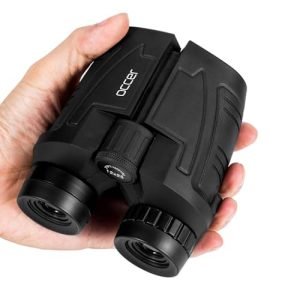
Have you ever wanted to get a closer look at tiny details in nature, like a butterfly’s wings or the texture of a flower petal? Close-focus binoculars let you see objects that are very near with incredible clarity.
But if you’re not sure how to use them properly, you might miss out on the full experience. In this guide, you’ll discover simple steps to make the most of your close-focus binoculars. By the end, you’ll be able to enjoy sharp, detailed views like never before.
Keep reading to unlock the secret to seeing the world up close and personal.
Choosing Close-focus Binoculars
Close-focus binoculars let you see objects very near with clear detail. They are great for bird watching, nature study, and sports.
Picking the right binoculars means knowing what features matter most. This helps you enjoy your view without strain or blurriness.
Key Features To Look For
Look for a short minimum focus distance. This is how close you can bring an object into sharp view. Also, check for good lens coatings that improve brightness and reduce glare.
- Minimum focus distance under 6 feet
- Multi-coated lenses for clear images
- Lightweight and comfortable design
- Waterproof and fog-proof features
Magnification And Lens Size
Magnification tells how many times closer an object appears. Lens size affects how much light enters the binoculars. Bigger lenses give brighter images but weigh more.
| Magnification | Lens Size (mm) | Best Use |
| 8x | 32 | Close nature views, lightweight use |
| 10x | 42 | General outdoor viewing, more detail |
| 12x | 50 | Long distance, less close focus |
Budget Considerations
Close-focus binoculars come in many price ranges. Higher prices often mean better glass and durability. But good models exist for small budgets too.
- Set a price range before you shop
- Check reviews for value and quality
- Buy from trusted brands with warranty
- Avoid very cheap models that blur images
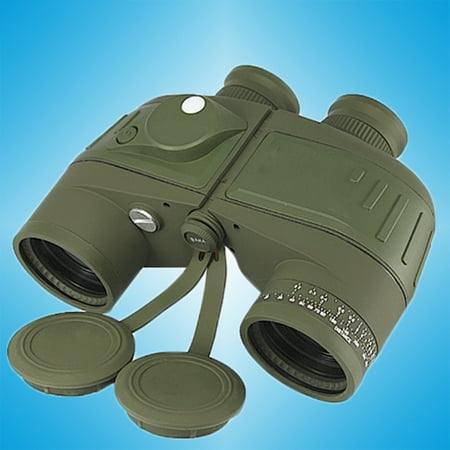
Credit: www.teamduval.org
Setting Up Your Binoculars
Close-focus binoculars let you see objects very near to you. Setting them up right helps you get clear views. This guide shows how to adjust key parts.
Good setup makes your viewing comfortable and sharp. Focus on eyecups, diopter, and interpupillary distance first.
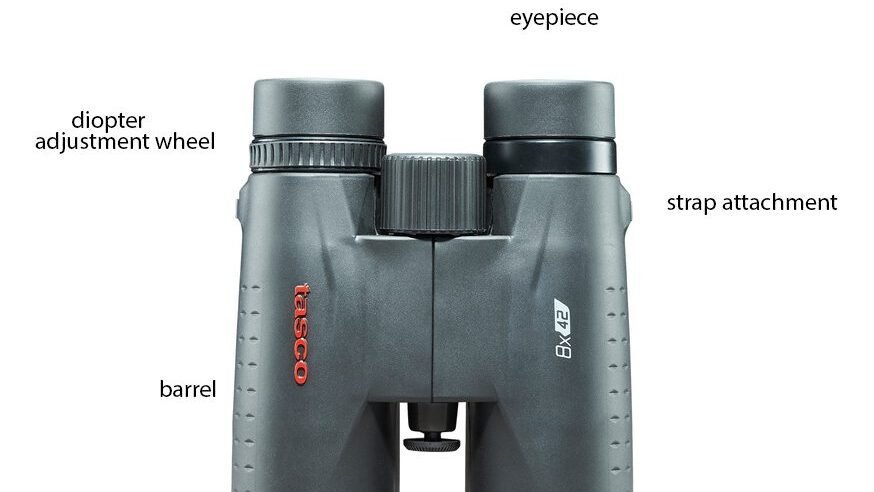
Adjusting The Eyecups
Eyecups protect your eyes and help you see the whole view. You should change them based on your eye position and if you wear glasses.
Twist or fold the eyecups up if you do not wear glasses. Keep them down if you wear glasses to avoid dark edges.
- Twist eyecups up for no-glasses use
- Fold eyecups down when wearing glasses
- Adjust eyecups for comfort and full view
Focusing The Diopter
The diopter adjusts for differences between your eyes. It helps both eyes see clearly through the binoculars.
Close your right eye and focus the center wheel with your left eye on a distant object. Then close your left eye and adjust the diopter ring for your right eye.
- Close right eye, focus center wheel with left eye
- Close left eye, adjust diopter ring with right eye
- Open both eyes for a sharp, balanced view
Setting The Interpupillary Distance
Interpupillary distance (IPD) is the space between your eyes. Adjust binoculars so the two barrels fit your eyes perfectly.
Hold the binoculars up to your eyes. Slowly move the barrels closer or farther apart until you see one clear circle of view.
- Hold binoculars to eyes
- Move barrels together or apart
- Stop when you see one clear image
Techniques For Close-focus Viewing
Close-focus binoculars help you see objects that are near. This skill is useful for birdwatching, insect spotting, and nature study.
Using the right methods can improve your viewing experience and reduce eye strain. Here are some tips to get the best results.
Finding The Minimum Focus Distance
Every binocular has a minimum focus distance. This is how close you can be and still see clearly. Check your binocular’s manual to find this number.
Try to start focusing at this distance. Slowly move closer or farther until the image is sharp. Do not force the focus beyond the limit.
Steady Holding Methods
Holding binoculars steady is key to clear close views. Shaking or movement blurs the image quickly.
- Hold binoculars close to your face with both hands.
- Rest your elbows on a solid surface like a table or tree branch.
- Stand with feet shoulder-width apart for balance.
- Take slow, deep breaths to reduce body movement.
- Use a neck strap to support weight and reduce strain.
Using A Tripod Or Support
A tripod or support device stabilizes binoculars for the clearest image. This is especially useful for long viewing sessions or very close objects.
| Support Type | Best Use | Notes |
| Tripod Adapter | Stationary viewing | Attach to tripod for hands-free use |
| Bean Bag | Uneven surfaces | Molds to shape for stability |
| Monopod | Lightweight, mobile support | Easier to carry than tripod |

Credit: www.universetoday.com
Care And Maintenance Tips
Close-focus binoculars need good care to last long. Cleaning and storing them properly keeps them working well.
Simple steps can protect your binoculars from damage and moisture. Follow these tips to keep your lenses clear and sharp.
Cleaning The Lenses Safely
Use a soft brush or air blower to remove dust first. Avoid using your fingers or rough cloths on the lenses.
- Gently wipe lenses with a microfiber cloth.
- Use lens cleaning solution made for optics.
- Do not use household cleaners or tissues.
- Clean only when lenses are dry to prevent scratches.
Storing Your Binoculars
Store binoculars in a dry, cool place. Use the case that came with them to prevent dust and damage.
| Storage Tip | Why It Matters |
| Keep in original case | Protects from dust and knocks |
| Avoid direct sunlight | Prevents heat damage |
| Store with lens caps on | Keeps lenses clean |
| Remove batteries if unused long | Prevents corrosion |
Preventing Fog And Moisture
Fog and moisture can blur your view and damage binoculars. Keep them dry and use anti-fog tools.
- Use silica gel packs in the storage case.
- Keep binoculars in a dry place after use.
- Use anti-fog sprays designed for optics.
- Avoid sudden temperature changes.
Common Mistakes To Avoid
Close-focus binoculars let you see objects very close clearly. Many people make simple errors that hurt their experience. Avoiding these mistakes helps you enjoy sharp and comfortable views.
Learn about common errors like ignoring focus adjustments, eye relief, and handling. Fixing these can improve your use of close-focus binoculars.
Overlooking Focus Adjustments
Many users forget to adjust the focus properly. This causes blurry images and eye strain. Always fine-tune the focus for each eye and the target distance. If your binoculars have a diopter ring, adjust it for your eyesight.
- Start by closing your right eye and focus with your left eye.
- Then close your left eye and adjust the diopter for your right eye.
- Use the center focus wheel to sharpen the image for both eyes.
- Check focus again when you change your viewing distance.
Ignoring Eye Relief
Eye relief is the distance between your eyes and the binocular lenses. Ignoring it can cause a small view or dark edges. This is uncomfortable, especially for people who wear glasses.
| Problem | Effect | Solution |
|---|---|---|
| Too close to lenses | Dark edges, small field of view | Pull back to the proper eye relief distance |
| Too far from lenses | Image looks small and hard to see | Bring eyes closer until full image appears |
| Ignoring eye cups | Reduced comfort and view quality | Use adjustable eye cups for proper distance |
Using Improper Handling
Holding binoculars the wrong way causes shaking and poor viewing. It also can damage your device. Use both hands and support your elbows for steady views.
- Hold binoculars firmly with both hands.
- Keep elbows close to your body for stability.
- Use a neck strap to avoid dropping them.
- Do not touch the lenses with fingers.
- Store binoculars in a case when not in use.
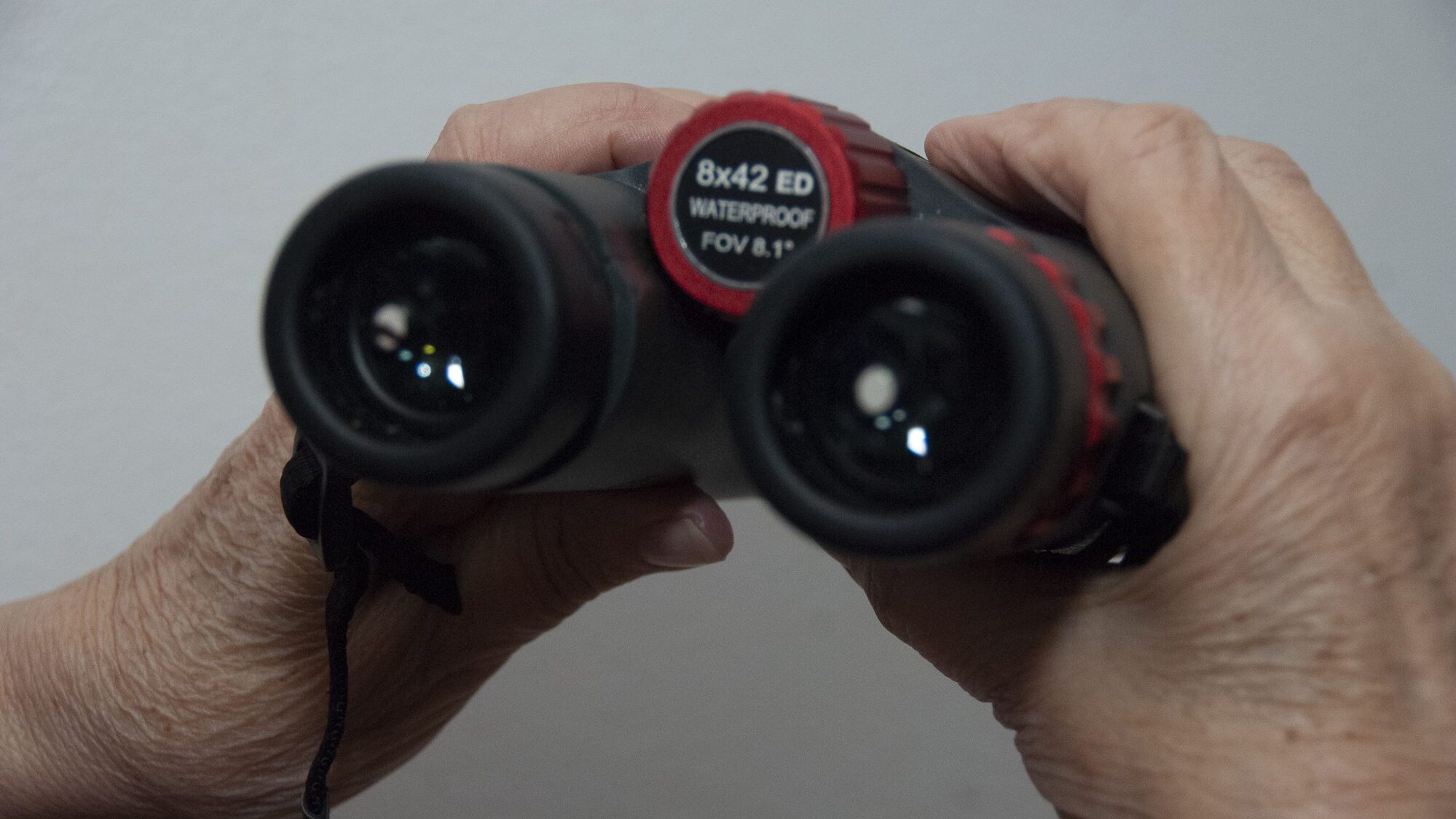
Credit: bringbinoculars.com
Frequently Asked Questions
What Are Close-focus Binoculars Used For?
Close-focus binoculars are designed for viewing objects just a few feet away. They are ideal for birdwatching, insect observation, and nature study. Their enhanced close-range clarity helps users see fine details up close, which standard binoculars often miss.
How Do I Adjust Close-focus Binoculars Correctly?
Start by setting the binoculars to your eye distance. Use the focus wheel to bring a nearby object into sharp view. Adjust the diopter ring for perfect clarity in one eye. Repeat until both eyes see a clear, focused image.
Can Close-focus Binoculars Be Used For Distant Viewing?
Yes, close-focus binoculars can also view distant objects. However, their main advantage is clarity at short distances. They offer versatility but are best suited when close-up detail is a priority.
What Features Should I Look For In Close-focus Binoculars?
Look for a close focus distance of 6 feet or less. Choose models with high-quality lenses and coatings for bright images. Compact, lightweight designs enhance comfort during extended use.
Conclusion
Close-focus binoculars bring the world up close and clear. Use them to see details in nature, sports, or art. Adjust the focus slowly for the best view. Keep both eyes open to avoid strain. Practice often to get comfortable with your binoculars.
Enjoy the sharp, clear images they provide. These tools make small things look big and interesting. Start exploring with close-focus binoculars today and see differently.