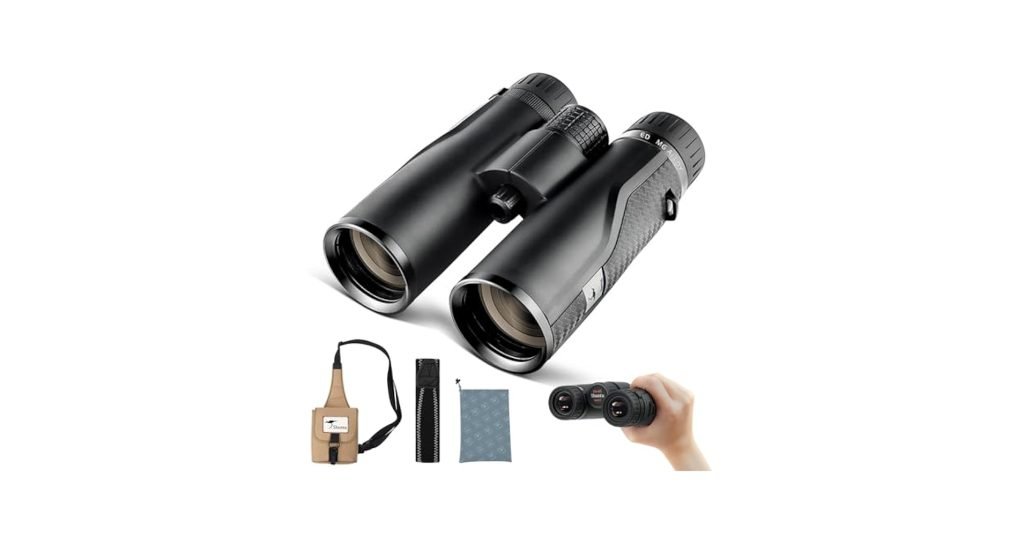
Are you looking for binoculars that bring wildlife into sharp focus? When it comes to spotting the tiniest details of animals in their natural habitat, not all binoculars are created equal.
You might have heard about ED binoculars, but are they truly worth it for detailed wildlife observation? You’ll discover what makes ED binoculars special and whether they can help you see every feather, whisker, and color more clearly. Keep reading to find out if these binoculars are the game-changer your wildlife adventures need.

Credit: scubadocuracao.com
Benefits Of Ed Binoculars
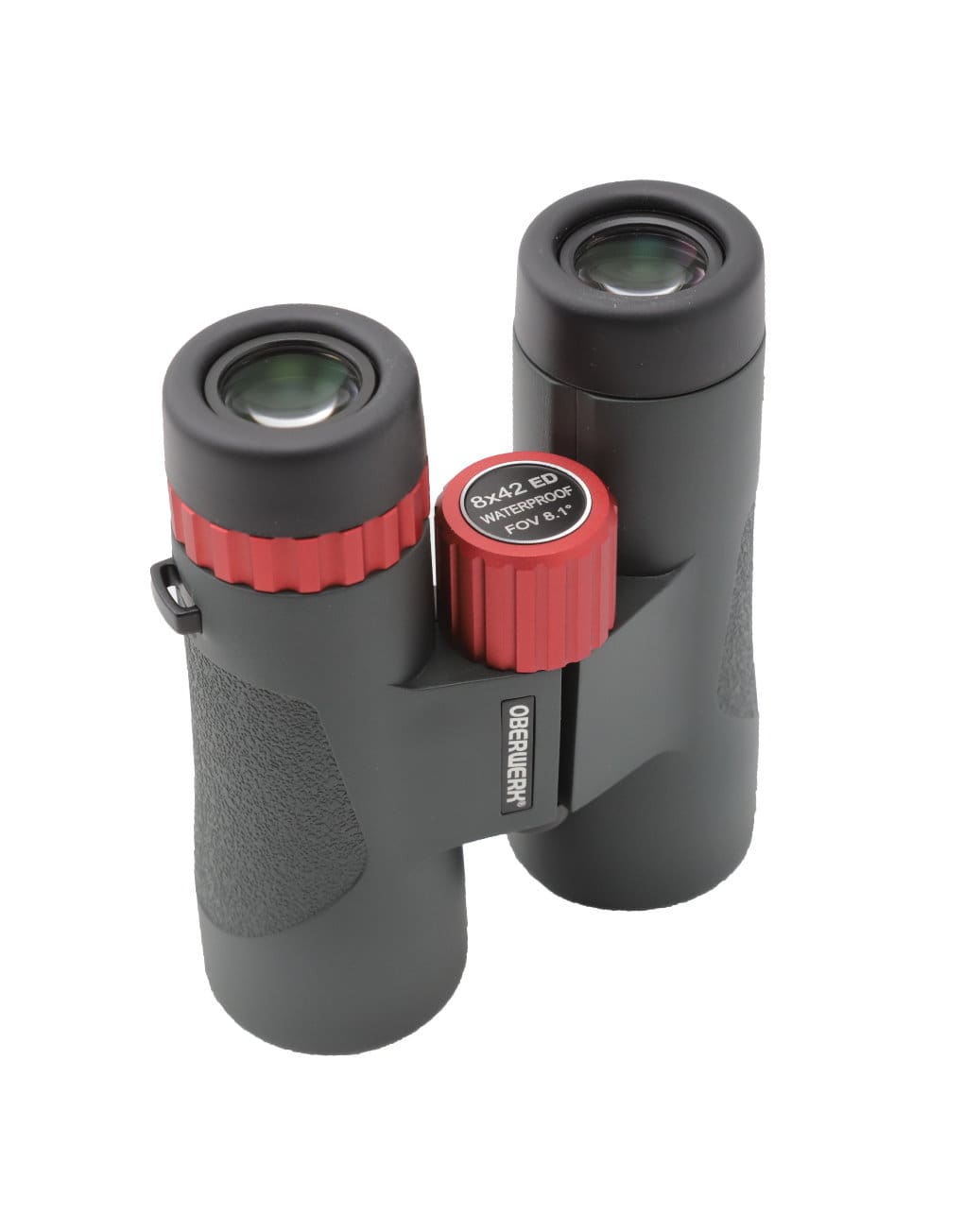
ED binoculars are designed to improve your viewing experience. They help you see wildlife with greater detail.
These binoculars use special glass to give clearer and sharper images. This makes them good for detailed wildlife observation.
Enhanced Image Clarity
ED binoculars use extra-low dispersion glass. This reduces the blur that happens in normal lenses. You get crisp and clear images of animals and plants.
The sharper view helps you spot small details like feathers, fur patterns, or leaf veins. This is very useful for nature lovers and bird watchers.
Reduced Chromatic Aberration
Chromatic aberration causes color edges to appear around objects. ED glass lowers this effect. This means you will see animals without color distortions.
- Clear edges around animals and plants
- Less color fringing in bright light
- More natural and comfortable viewing
Improved Color Accuracy
ED binoculars show colors more naturally. This helps you identify species by their true colors. It also makes the wildlife scene more beautiful to watch.
| Feature | Benefit |
| Natural Colors | True color view of animals and plants |
| Better Contrast | Easier to see details in shadows and light |
| Eye Comfort | Less strain during long observation |
Credit: oberwerk.com
Key Features For Wildlife Viewing
ED binoculars are popular for wildlife observation. They help you see animals clearly from far away.
Good binoculars need certain features to give you sharp and comfortable views in nature.
Magnification And Field Of View
Magnification shows how much closer an object appears. A good range is 8x to 10x for wildlife.
The field of view means how wide the area you can see is. A wider view helps you spot moving animals.
- Higher magnification shows more detail but can be harder to hold steady.
- Wide field of view helps track animals that move fast.
- ED binoculars often balance magnification and field of view well.
Durability And Weather Resistance
Wildlife watching often happens outdoors in rough conditions. Binoculars must be tough and sealed.
ED binoculars usually have waterproof and fog-proof features. This protects lenses and keeps views clear.
- Rubber armor protects against drops and bumps.
- Waterproof seals keep rain and dust out.
- Fog-proof design stops lens fogging in cold or humid weather.
Eye Relief And Comfort
Eye relief is the distance between your eyes and the lens for a full view. Longer eye relief is better.
Comfort matters during long wildlife trips. ED binoculars often have soft eyecups and good grip design.
- Long eye relief helps if you wear glasses.
- Soft eyecups reduce eye strain.
- Lightweight bodies reduce arm fatigue.
Comparing Ed Binoculars To Standard Models
ED binoculars use special glass to improve image quality. Standard binoculars have regular glass lenses. This article compares these two types for wildlife observation.
We look at three key points: how they perform optically, their cost compared to value, and how they feel to use outdoors.
Optical Performance Differences
ED binoculars reduce color blur and sharpen details. Standard models may show more color fringing, especially around bright edges. ED glass improves contrast and clarity in low light.
- ED binoculars offer sharper images with less color distortion.
- Standard binoculars can appear softer with some color fringing.
- ED models perform better in dim light and at long distances.
Price Versus Value
ED binoculars cost more but offer better viewing. Standard binoculars are cheaper and good for casual use. The choice depends on your budget and needs.
| Feature | ED Binoculars | Standard Binoculars |
|---|---|---|
| Price Range | High | Low to Mid |
| Image Quality | Very Clear | Good |
| Durability | Often Higher | Varies |
| Best For | Serious Observers | Casual Users |
User Experience In The Field
ED binoculars often feel heavier due to extra glass layers. They provide clearer views, which helps spot fine details. Standard binoculars are lighter and easier to carry.
- ED binoculars give sharper images for detailed observation.
- Standard binoculars are lighter and more compact.
- ED models may reduce eye strain on long trips.
- Standard models suit quick, casual use.
Top Ed Binoculars For Wildlife
ED binoculars help you see wildlife clearly. They reduce color blur and sharpen images.
Choosing the right ED binoculars improves your wildlife observation experience.
Popular Brands And Models
Many brands make ED binoculars for wildlife watchers. Some models stand out for quality.
- Zeiss Victory SF: Known for sharp focus and bright views.
- Leica Trinovid HD: Offers clear images and durable design.
- Nikon Monarch HG: Provides great clarity and a wide field of view.
- Swarovski EL: High-end optics with excellent color accuracy.
- Celestron Trailseeker ED: Affordable with good image quality.
Special Features To Consider
Look for features that help you see wildlife better and use binoculars longer.
- Waterproof and fog-proof bodies for outdoor use.
- Wide field of view to track moving animals easily.
- Lightweight design for long observation sessions.
- Rubber armor for a secure grip and protection.
- Close focus distance to see nearby details.
- Adjustable eyecups for comfortable viewing with glasses.
Tips For Choosing The Right Binoculars
Choosing the right binoculars makes a big difference in wildlife watching. Picking the best pair helps you see animals clearly and enjoy nature more.
Before buying, learn what features matter most. This guide helps you find binoculars for detailed wildlife observation.
Assessing Your Observation Needs
Think about where and how you will use your binoculars. Different activities and environments need different features.
Consider distance, light conditions, and how long you will observe. These factors affect the size and type of binoculars you need.
- Use binoculars with higher magnification for far distances
- Choose wider lenses for low light or dawn observation
- Pick lightweight models if you carry them for hours
- Waterproof and fog-proof are best for humid or rainy areas
Testing Binoculars Before Buying
Try binoculars in person to see how they feel and perform. Comfort and clear vision are important for long use.
Check the focus, weight, and image brightness. Make sure the view is sharp and easy to adjust.
- Look through the binoculars at different distances
- Adjust the focus wheel to see how smooth it moves
- Test the eyecups for comfort and eye relief
- Hold binoculars for a few minutes to check weight balance

Credit: birdwatching.asia
Frequently Asked Questions
What Makes Ed Binoculars Ideal For Wildlife Observation?
ED binoculars use extra-low dispersion glass, reducing chromatic aberration. This results in sharper, clearer images, perfect for detailed wildlife viewing.
How Do Ed Binoculars Enhance Image Clarity?
They minimize color fringing and improve light transmission. This delivers bright, high-contrast images, essential for spotting fine details in nature.
Are Ed Binoculars Better Than Standard Binoculars?
Yes, ED binoculars offer superior optics with less distortion. They provide clearer and more accurate views, making them ideal for wildlife enthusiasts.
Can Ed Binoculars Perform Well In Low Light?
Yes, they allow more light through the lenses. This improves visibility during dawn, dusk, or dense forest conditions.
Conclusion
ED binoculars offer clear, sharp views of wildlife details. They reduce glare and improve color contrast for better observation. These binoculars help you see fine textures and distant animals clearly. They suit both beginners and experienced wildlife watchers. Choosing the right ED binoculars means enjoying nature more fully.
Quality optics make a big difference in wildlife spotting. Trust your eyes with ED lenses for crisp images. Wildlife observation becomes more rewarding and enjoyable with these tools.