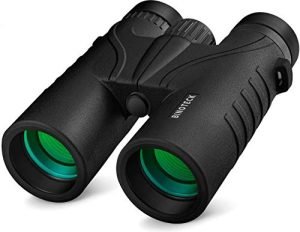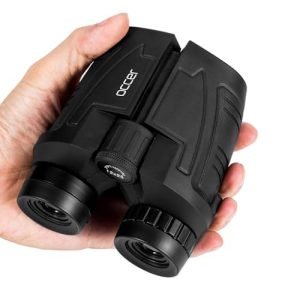
Are you searching for binoculars that do more than just bring distant objects closer? Imagine having a device that not only enhances your view but also helps you know exactly where you are.
If you’re involved in search and rescue (SAR) missions or outdoor adventures, this could be a game-changer for you. But are there binoculars with built-in GPS that can truly meet these needs? You’ll discover the facts, benefits, and options available to help you make the right choice for your safety and success.
Keep reading to find out how the right binoculars can boost your confidence and effectiveness in the field.
Binoculars With Gps Features
Binoculars with built-in GPS combine viewing tools with location tracking. This makes them useful for outdoor activities like search and rescue.
These binoculars help users find exact locations and share coordinates easily. They add safety and accuracy to difficult missions.
How Gps Enhances Search And Rescue
GPS in binoculars helps rescuers know their exact position in the field. This improves navigation in rough or unfamiliar areas.
Rescuers can mark spots where they find clues or victims. They can also send accurate location data to their team for faster help.
- Pinpoint exact locations during searches
- Save waypoints for important spots
- Share coordinates quickly with team members
- Track movement and plan routes easily
Types Of Binoculars With Built-in Gps
There are several types of binoculars that include GPS. Some focus on rugged use, while others add extra features for better data.
Basic models show coordinates and track locations. Advanced models may connect to smartphones or include digital compasses.
- Standard GPS Binoculars: Show current location and save waypoints.
- Digital GPS Binoculars: Add compass and map display features.
- Smart GPS Binoculars: Sync with apps and other devices for data sharing.
- Rugged GPS Binoculars: Built tough for harsh environments.
Key Benefits For Sar Operations
Binoculars with built-in GPS offer useful tools for search and rescue teams. They combine optics with location technology. This helps teams find people faster and safer.
Using GPS binoculars improves how teams track and move in difficult areas. It also helps share data with other rescuers. These benefits support better coordination and faster rescues.
Improved Location Tracking
GPS binoculars show exact locations of rescuers and targets. This helps avoid getting lost. Teams can mark spots and return to them quickly. It also records paths taken during searches.
- Pinpoint missing persons’ locations
- Mark safe or dangerous zones
- Record travel routes for review
- Reduce time spent searching
Real-time Navigation Support
GPS binoculars offer live navigation help. Rescuers see their position on digital maps. They get directions to targets or base camps. This reduces errors in difficult terrain.
| Feature | Benefit |
| Digital Compass | Finds correct search direction |
| Waypoint Marking | Helps return to exact spots |
| Distance Measurement | Estimates how far to targets |
| Map Overlays | Shows terrain and obstacles |
Data Sharing And Coordination
GPS binoculars can link with other devices. Teams share location and images quickly. This improves teamwork and planning during rescues. Central command can track all units live.
- Send location to team radios or smartphones
- Share photos with coordinates for clearer info
- Update search status in real time
- Plan routes based on all team positions
Top Models Available
Binoculars with built-in GPS are useful for search and rescue (SAR) missions. They help users track locations and navigate with ease.
Below are some of the top models in different price ranges and purposes. Each type suits a specific need in SAR operations.
High-end Options
High-end SAR binoculars combine powerful optics with advanced GPS features. They often include digital compasses and mapping functions.
- Garmin Foretrex 701 with binoculars attachment
- Steiner Navigator Pro 8×30
- Vortex Razor UHD Binoculars with GPS module
Affordable Alternatives
Affordable models provide basic GPS tracking without extra features. They suit casual or beginner SAR users.
| Model | Magnification | GPS Features | Price Range |
| Bushnell Engage 10×42 | 10x | Basic GPS tracking | $$ |
| Carson Scout 10×42 | 10x | Simple GPS waypoint marking | $ |
| Leupold BX-3 Mojave 10×42 | 10x | Integrated GPS display | $$ |
Specialized Sar Binoculars
Some binoculars are made specifically for search and rescue teams. They include features like night vision and range finding with GPS data.
- FLIR Recon V UltraLite – thermal imaging with GPS
- Leica Geovid HD-B 3000 – laser rangefinder with GPS
- Night Owl Pro Nexgen 2.0 – night vision plus GPS tracking

Credit: www.svb24.com
Features To Consider
Choosing binoculars with built-in GPS for search and rescue (SAR) requires attention to key features. These features ensure the device works well in tough conditions and helps locate targets accurately.
Below are important features to look for when selecting binoculars for SAR operations.
Battery Life And Durability
Long battery life is essential for SAR binoculars to last through extended missions. Durable construction helps the binoculars survive rough use and harsh environments.
- Look for rechargeable batteries with long runtime
- Waterproof and shockproof designs improve durability
- Consider lightweight materials for easier carrying
- Check if the battery is replaceable in the field
Gps Accuracy And Updates
Accurate GPS is key to finding exact locations during SAR. Frequent updates to the GPS system improve navigation and tracking.
| Feature | Importance |
| High sensitivity GPS receiver | Better signal in remote areas |
| Regular firmware updates | Improves mapping and fixes bugs |
| Waypoints and tracking functions | Helps mark search areas and routes |
Additional Useful Technologies
Extra features can boost the binoculars’ usefulness in SAR operations. These technologies add convenience and improve performance.
- Built-in compass for direction finding
- Rangefinder to measure distances quickly
- Night vision or infrared for low light use
- Bluetooth or Wi-Fi to connect with other devices
Challenges And Limitations
Binoculars with built-in GPS for search and rescue (SAR) have some challenges. These devices try to combine optics and navigation in one tool. Users should know the limits before relying on them.
Understanding the difficulties helps in choosing the right gear for SAR missions. Some problems come from technology, others from design and cost.
Signal Issues In Remote Areas
GPS needs clear signals from satellites. In remote areas, trees, mountains, and weather block signals. This makes GPS inside binoculars less reliable.
Without a strong signal, the GPS may give wrong locations or stop working. SAR teams might lose important data during rescue missions.
Weight And Portability
Adding GPS makes binoculars heavier and bigger. SAR users carry many tools, so weight is a concern. Heavy gear can slow down rescue work.
Designers try to keep binoculars light. Still, extra batteries and GPS parts add bulk. Some users prefer separate GPS devices for easier handling.
Cost Vs. Functionality
Binoculars with GPS cost more than regular ones. Advanced features increase prices a lot. Buyers must decide if extra cost is worth the benefits.
Some models offer limited GPS functions. Others have full navigation but at high prices. Budget constraints may limit access for some SAR teams.

Credit: www.svb24.com
Future Innovations
Binoculars with built-in GPS are becoming more useful for search and rescue (SAR) teams. New technology will make these tools smarter and easier to use.
Future models will connect with other devices and use better GPS systems. They may even include artificial intelligence to help in rescue missions.
Integration With Other Devices
Binoculars can link with phones, drones, and computers. This connection helps teams share data quickly and work better together.
- Send GPS locations to team members instantly
- Control drones to get aerial views
- Access maps and weather updates in real time
- Record and share video footage during searches
Advancements In Gps Technology
GPS chips are getting smaller and more accurate. This helps rescuers find lost people faster and in tough locations.
| Feature | Benefit |
| Higher accuracy | Better location tracking |
| Faster signal lock | Quicker start time |
| Longer battery life | More hours in the field |
| Improved signal in forests | Works in dense areas |
Potential For Ai Assistance
Artificial intelligence can analyze what the binoculars see. It can spot signs of people or hazards that humans might miss.
- Automatic detection of human shapes
- Alerting users to movement or sounds
- Suggesting best search paths based on terrain
- Real-time image enhancement for low light

Credit: www.svb24.com
Frequently Asked Questions
Are There Binoculars With Built-in Gps For Sar?
Yes, some binoculars designed for Search and Rescue (SAR) include built-in GPS. These models help users navigate and mark locations accurately during missions.
How Does Gps Improve Binoculars For Sar Use?
GPS adds real-time location tracking, aiding in precise navigation. It helps rescuers coordinate, mark waypoints, and avoid getting lost in challenging terrain.
Can Built-in Gps Binoculars Store Location Data?
Most GPS binoculars can save waypoints and routes. This feature allows rescuers to review paths and share coordinates with team members effectively.
Are Gps Binoculars Durable For Rugged Sar Conditions?
Yes, GPS binoculars for SAR are usually rugged and weather-resistant. They are built to withstand harsh environments and rough handling during rescue operations.
Conclusion
Binoculars with built-in GPS do exist for search and rescue (SAR). They help users find locations quickly and stay safe in the field. These tools combine viewing and navigation in one device. They save time during critical missions. Choosing the right model depends on your specific needs and budget.
Technology keeps improving, making SAR gear more useful and reliable. Such binoculars can be a valuable part of any rescue team’s kit. Always check features carefully before buying. This ensures the device fits your search requirements well.