Are you wondering if close-focus binoculars mean giving up on bright, clear views? It’s a common question for anyone who loves birdwatching, hiking, or just exploring nature up close.
You want to get as close as possible without losing the sharpness and brightness that make the experience truly enjoyable. You’ll discover the truth about how close-focus binoculars work and whether they really sacrifice brightness. By the end, you’ll know exactly what to look for to enjoy vivid, detailed views no matter how near your subject is.
Keep reading—you won’t want to miss these insider tips!
Close-focus Binocular Basics
Close-focus binoculars allow you to see objects clearly at short distances. They are different from regular binoculars because they focus on things very near to you.
These binoculars are useful for many hobbies and activities. They help you observe details that are hard to see with normal binoculars.
What Are Close-focus Binoculars
Close-focus binoculars have special lenses to focus on objects just a few feet away. Most regular binoculars focus best at longer distances.
They use different optical designs to keep the image sharp and clear up close. This lets you see insects, flowers, and small details easily.
Common Uses And Benefits
Close-focus binoculars help in many situations where detail is important. They give you a better view of small or nearby things.
- Bird watching and nature observation
- Viewing butterflies and insects
- Outdoor sports and concerts
- Gardening and plant study
- Art and craft inspection
| Benefit | Description |
| Sharp Close View | Focuses on objects as close as a few feet |
| Clear Detail | Shows fine details in small subjects |
| Wide Use | Works well in many activities |
| Easy to Use | Simple focusing for near objects |

Credit: www.amazon.ca
Brightness Factors In Binoculars
Brightness is important for clear and sharp views through binoculars. Many people wonder if close-focus binoculars lose brightness. Brightness depends on several parts of the binoculars.
Understanding these parts helps to know how close-focus models compare. Let’s look at the main factors that affect brightness in binoculars.
Role Of Lens Size And Coatings
Larger lenses let in more light, making images brighter. Close-focus binoculars may have smaller lenses to keep them compact. This can reduce brightness in low light.
Lens coatings improve brightness by reducing light loss. Good coatings help light pass through lenses better. Close-focus binoculars often have similar coatings as regular models.
- Bigger lenses collect more light for brighter images
- Smaller lenses may reduce brightness in dim light
- Lens coatings increase light transmission and reduce glare
- Close-focus models usually keep quality coatings
Impact Of Exit Pupil And Eye Relief
The exit pupil is the size of the light beam that reaches your eye. A bigger exit pupil means brighter images. Close-focus binoculars can have a smaller exit pupil if designed for compactness.
Eye relief is the distance you hold your eye from the eyepiece. Good eye relief helps you see the full view without dim edges. Close-focus binoculars usually keep good eye relief for comfort.
- Large exit pupil gives brighter images
- Smaller exit pupil can make images dimmer
- Eye relief affects how well you see the full view
- Close-focus binoculars aim for comfortable eye relief
Close-focus And Brightness Relationship
Close-focus binoculars allow you to see objects very near clearly. This feature is great for bird watching or viewing flowers up close. Many wonder if this close focus reduces the brightness of the image.
Brightness depends on how much light the binoculars let in and how they handle that light. Close-focus ability can affect these factors in some binocular models.
Does Close-focus Affect Light Transmission
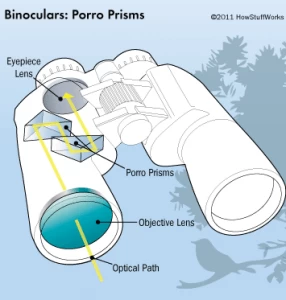
Light transmission means how much light passes through the binocular lenses. Higher light transmission means a brighter image. Some close-focus binoculars use extra lenses or special prisms to focus on near objects.
These extra parts can slightly reduce the amount of light that reaches your eyes. So, close-focus binoculars may have a small loss in brightness compared to standard models.
- Extra lenses can block some light.
- Special prisms may absorb more light.
- Coatings on lenses help keep brightness high.
Trade-offs In Optical Design
Designers balance many factors when making binoculars. Close-focus features require more complex optics. This can add weight and lower brightness slightly.
Some trade-offs include:
- Adding lenses to focus close reduces brightness.
- Using better coatings can improve light transmission.
- Making binoculars lighter may limit optical quality.
- Designs that focus far may be brighter but less close-focus friendly.
Comparing Close-focus With Standard Binoculars
Close-focus binoculars let you see objects very near. Standard binoculars focus on distant views. This difference affects how they handle brightness and light.
Understanding brightness and light performance helps choose the right binoculars for your needs.
Brightness Differences In Real Use
Close-focus binoculars may seem less bright at close range. This is because their lenses and prisms are designed to focus sharply on near objects. Standard binoculars are optimized for clear and bright views far away.
| Type | Brightness at Close Range | Brightness at Distance |
| Close-Focus | Good | Standard |
| Standard | Lower | Better |
Performance In Low Light Conditions
Low light shows differences clearly. Close-focus models can lose some brightness due to their lens design. Standard binoculars usually have larger lenses to collect more light.
- Close-focus binoculars may have a smaller exit pupil.
- Standard binoculars often perform better at dawn or dusk.
- Eye relief and coating quality also affect brightness.
Tips For Choosing Bright Close-focus Binoculars
Close-focus binoculars let you see things up close clearly. Some people worry they lose brightness. Brightness is important for clear views.
Choosing the right binoculars helps keep images bright and sharp. Learn what to look for to pick bright close-focus binoculars.
Key Specifications To Consider
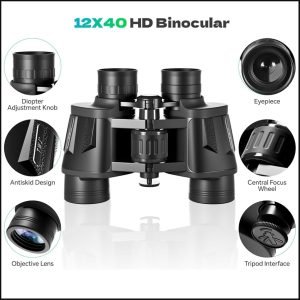
Brightness depends on lens size and quality. Larger lenses catch more light, making images brighter. Magnification also affects brightness.
Look for a wide objective lens and a balanced magnification. Also, check the exit pupil size. It shows how much light reaches your eyes.
- Objective lens diameter: Bigger means more light
- Magnification: Too high can reduce brightness
- Exit pupil: Larger sizes mean brighter images
- Lens coatings: Good coatings increase light transmission
- Prism type: Roof prisms are compact but may lose some brightness
Recommended Models For Brightness
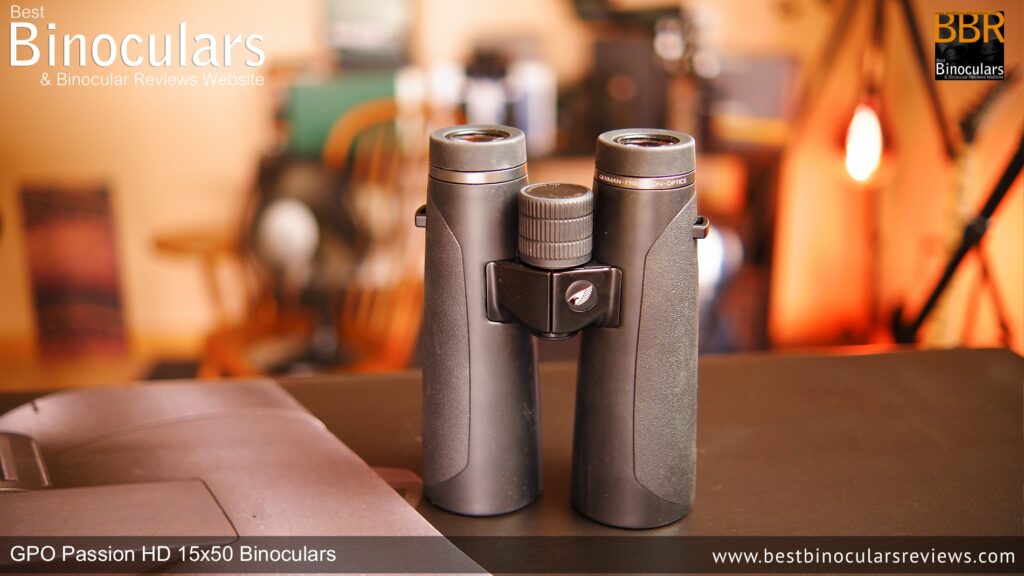
Some binoculars balance close focus and brightness well. Look for models with at least 42mm lenses and good coatings. These keep images bright.
- 42mm to 50mm objective lenses for more light
- Magnification around 8x to 10x for clear, bright images
- Fully multi-coated lenses to reduce light loss
- Binoculars with BaK-4 prisms for better light transmission
Credit: www.bestbinocularsreviews.com
Maintaining Brightness Over Time
Close-focus binoculars can lose brightness if not cared for properly. Brightness depends on clean lenses and good storage.
Keeping your binoculars bright over time needs regular cleaning and careful handling.
Cleaning And Care Tips
Clean lenses gently to avoid scratches. Use a soft brush or air blower to remove dust first.
- Use a microfiber cloth to wipe lenses carefully.
- Apply lens cleaner only on the cloth, not directly on lenses.
- Do not use household cleaners or paper towels.
- Clean binoculars after each use if exposed to dirt or moisture.
Handling And Storage Advice
| Handling Tips | Storage Tips |
|---|---|
| Hold binoculars firmly to avoid drops. | Store in a dry, cool place away from sunlight. |
| Do not touch lenses with fingers. | Use a padded case to protect from dust and impact. |
| Keep binoculars covered with lens caps when not in use. | Avoid storing binoculars in damp areas to prevent mold. |

Credit: blog.gritroutdoors.com
Frequently Asked Questions
Do Close-focus Binoculars Reduce Image Brightness?
Close-focus binoculars may slightly reduce brightness due to extra lens elements. However, quality optics minimize this loss. Modern designs balance close focus and brightness effectively, ensuring clear and bright images even at short distances.
How Does Close Focus Affect Binocular Performance?
Close focus allows viewing objects very near, enhancing versatility. It requires complex lens arrangements, which can impact brightness and sharpness. High-quality models maintain excellent performance without compromising image quality.
Are Close-focus Binoculars Good For Low Light?
Close-focus binoculars can perform well in low light if they have a large objective lens and high-quality coatings. Brightness depends more on lens size and coatings than on close-focus capability alone.
Can Close-focus Binoculars Be Used For Birdwatching?
Yes, close-focus binoculars are ideal for birdwatching, especially for observing nearby birds. They allow detailed views of subjects just a few feet away, enhancing the birdwatching experience without sacrificing image clarity.
Conclusion
Close-focus binoculars often offer clear views of nearby objects. Some users worry about brightness loss. Yet, most models keep brightness strong enough for enjoyable use. Lens quality and size affect light gathering more than focus distance. Choosing the right binoculars depends on your needs and environment.
Consider brightness, focus, and comfort together. Brightness might slightly change but rarely spoils the experience. Close-focus binoculars can be great for nature, sports, and hobbies. They bring small details closer without losing much light. In the end, balance matters most for your viewing pleasure.