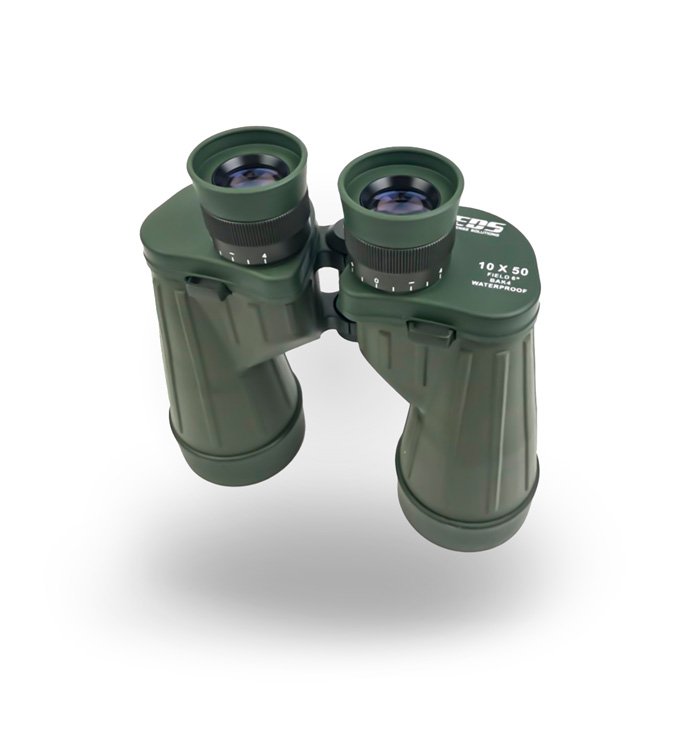
Are you wondering if your tactical binoculars are nitrogen-filled? This small detail can make a big difference in how well your binoculars perform, especially in tough weather conditions.
Knowing whether your gear is nitrogen-filled helps you protect your investment and ensures clear, fog-free views when you need them most. Keep reading to discover why nitrogen filling matters and how it affects your tactical binoculars’ durability and clarity. Your next outdoor adventure could depend on it.
Tactical Binoculars Basics
Tactical binoculars help you see far away clearly. They are used in tough outdoor conditions. These binoculars often have special features to improve vision and durability.
One common question is if tactical binoculars are nitrogen-filled. Nitrogen filling helps stop fog inside the lenses. This keeps the view clear in many weather types.
Key Features
Many tactical binoculars have nitrogen filling to avoid fog and moisture inside. This feature improves durability and image quality. Other key features include strong build, good grip, and good lens coatings.
- Nitrogen-filled to prevent fogging
- Waterproof and dustproof bodies
- Rubber armor for shock resistance
- High-quality lens coatings for clear images
- Adjustable focus and eye relief
Common Uses
Tactical binoculars are used in many activities. They help users see in different weather and light conditions. They are popular for outdoor sports and professional work.
| Use | Why Tactical Binoculars Work Well |
| Military and Law Enforcement | Durable, fog-free lenses, good for all weather |
| Hunting | Clear vision at long distances, waterproof |
| Bird Watching | Sharp images, easy to hold for long times |
| Hiking and Camping | Shock resistant and weatherproof |

Credit: www.ebay.com
Nitrogen-filling Explained
Tactical binoculars often use nitrogen filling inside their tubes. This process helps keep the lenses clear. It stops moisture and dust from entering the binoculars.
Many outdoor tools use nitrogen filling. It protects the optics in tough conditions. This makes binoculars reliable for long-term use.
Purpose Of Nitrogen
Nitrogen fills the space inside binoculars to prevent fogging. Fog inside lenses can block your view. The gas also stops water from condensing inside.
Besides moisture control, nitrogen protects the binoculars from dust and dirt. It keeps the internal parts clean and safe.
Benefits For Optics
Nitrogen-filled binoculars stay clear in cold or wet weather. This means you get a sharp image at all times. The gas also helps stop lens damage from inside moisture.
- Prevents lens fogging during temperature changes
- Stops internal moisture buildup
- Protects internal optics from dust and dirt
- Improves durability in harsh environments
Are Tactical Binoculars Nitrogen-filled?
Tactical binoculars often need protection against moisture and fog. Nitrogen filling is a common method used for this purpose. This helps keep lenses clear in tough conditions.
This article explains if tactical binoculars are nitrogen-filled. It covers industry standards and what manufacturers usually do.
Industry Standards
Many tactical binoculars meet strict standards for durability and performance. Nitrogen filling is part of these standards. It prevents fogging inside the lenses during rapid temperature changes.
- Prevents internal fogging
- Protects against moisture damage
- Increases binoculars’ lifespan
- Improves image clarity
Manufacturer Practices
Most makers fill tactical binoculars with nitrogen or dry gas. This is done before sealing the device. It helps maintain quality under harsh conditions.
| Manufacturer | Nitrogen-Filled | Additional Features |
| Brand A | Yes | Waterproof, shockproof |
| Brand B | Yes | Anti-reflective coating |
| Brand C | No | Sealed but air-filled |
| Brand D | Yes | Rubber armor |

Credit: www.amazon.com
Advantages Of Nitrogen-filled Binoculars
Nitrogen-filled binoculars offer several benefits over regular models. Filling the binoculars with nitrogen gas helps keep the lenses clear and functioning well.
This feature is especially useful for outdoor activities where weather conditions can change quickly. Below are some key advantages of nitrogen-filled binoculars.
Fog Resistance
Inside binoculars, fog can blur the view and reduce clarity. Nitrogen gas prevents fog from forming on the lenses. This keeps the view sharp even in cold or humid weather.
Moisture Protection
Moisture inside binoculars can cause damage and mold growth. Nitrogen filling stops moisture from entering the binoculars. This protects the lenses and internal parts.
- Prevents internal condensation
- Reduces risk of mold and fungus
- Maintains optical performance longer
Durability
| Feature | Benefit |
| Sealed with nitrogen gas | Stops moisture and dust |
| Pressure equalization | Prevents lens damage |
| Improved internal environment | Extends binocular life |
Alternatives To Nitrogen Filling
Tactical binoculars often use nitrogen to keep moisture out. Some alternatives also work well to protect lenses.
These alternatives include other gases and special sealing methods. They help keep the inside clear and fog-free.
Other Gases Used
Besides nitrogen, some manufacturers fill binoculars with different gases. These gases help stop fog and moisture buildup.
- Argon: A heavy, dry gas that prevents fog well.
- Krypton: Used in some high-end optics for better moisture control.
- Dry air: Filtered and dried air can be a cost-friendly option.
Sealing Techniques
Good sealing keeps air and water from entering binoculars. It is as important as the gas inside.
| Sealing Method | Description |
| O-Rings | Rubber rings that block water and dust. |
| Silicone Seals | Flexible seals that keep moisture out. |
| Epoxy Sealing | Strong glue seals edges and joints. |
| Pressure Testing | Checks if binoculars are fully sealed. |
Choosing The Right Tactical Binoculars
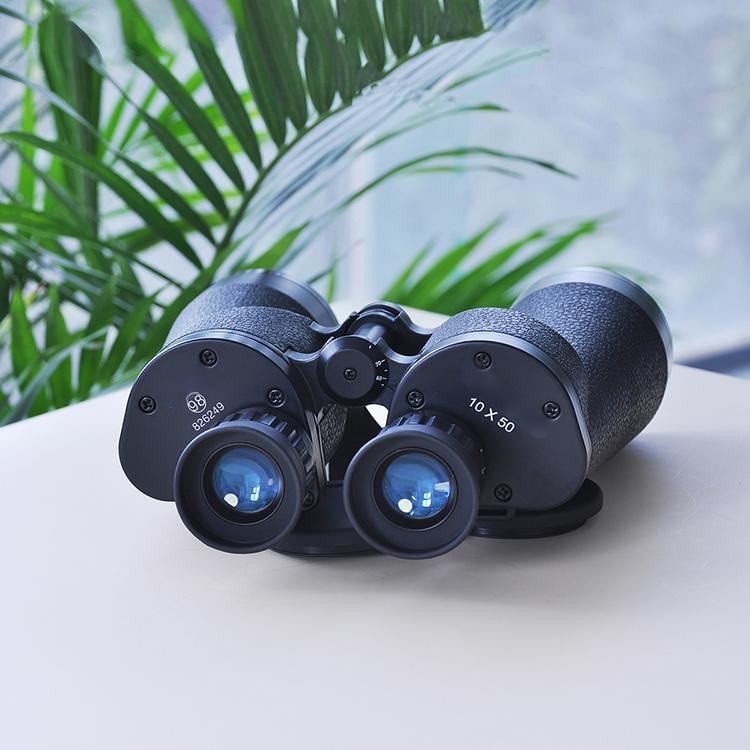
Tactical binoculars are useful for many outdoor activities. They help you see distant objects clearly and quickly.
Picking the right binoculars means knowing what features matter most. One important question is if they are nitrogen-filled.
Features To Consider
Nitrogen-filled binoculars stop fog from forming inside the lenses. This keeps the view clear in wet or cold weather.
Other features to check include lens coating, magnification, and durability. These affect image quality and how long the binoculars last.
- Nitrogen or argon gas fill prevents internal fogging
- Lens coatings reduce glare and improve light transmission
- Magnification and lens size balance zoom and brightness
- Waterproof and shockproof design adds durability
Budget Vs. Quality
Higher quality binoculars usually cost more. They offer better materials and features like nitrogen filling.
Cheaper models may lack fog protection and have weaker lenses. Think about how often you will use them and in what conditions.
- More expensive binoculars have clearer images and last longer
- Budget options work for casual use but may fog up
- Nitrogen-filled binoculars are worth the cost for tough environments
- Balance price with features you really need
Credit: es.chinaarmysupplier.com
Frequently Asked Questions
Are Tactical Binoculars Usually Nitrogen-filled?
Yes, many tactical binoculars are nitrogen-filled. This prevents internal fogging and moisture buildup during extreme conditions, enhancing clarity.
Why Is Nitrogen Filling Important In Binoculars?
Nitrogen filling stops fog and moisture inside binoculars. It ensures clear vision and protects internal lenses from damage.
How Does Nitrogen Filling Improve Binocular Durability?
Nitrogen filling reduces internal condensation and corrosion risks. It extends the binoculars’ lifespan, especially in harsh or wet environments.
Can Non-nitrogen Binoculars Fog Up Easily?
Yes, binoculars without nitrogen filling are prone to fogging. Moisture can accumulate inside, affecting visibility and performance in cold or humid conditions.
Conclusion
Tactical binoculars often use nitrogen to stop fog inside lenses. This keeps your view clear in wet or cold weather. Not all models have this feature, so check before buying. Nitrogen filling helps protect the binoculars from moisture damage. It also improves durability for tough outdoor use.
Choosing the right binoculars means thinking about how and where you will use them. Remember, clear vision makes a big difference in any outdoor activity.