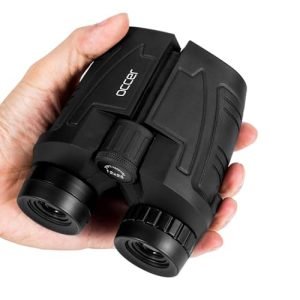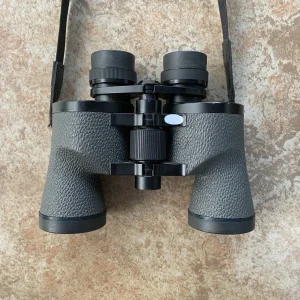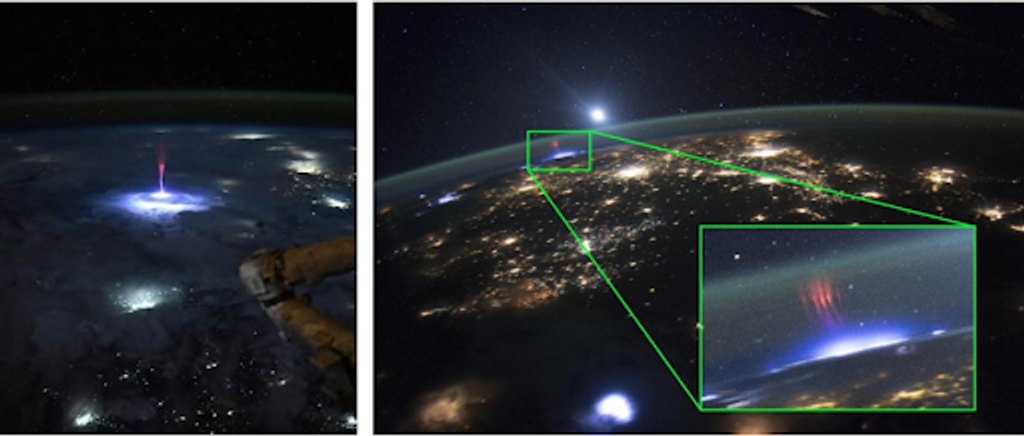
Have you ever looked up at the night sky and wondered if you could explore the stars more closely? Maybe you’re curious whether binoculars could be your ticket to learning about space.
You might think binoculars are just for birdwatching or sports events, but they can actually open up a whole new world above you. You’ll discover how binoculars can help you understand space better, what to expect when using them, and if they’re the right tool for your stargazing adventures.
Keep reading to find out how you can bring the universe a little closer to your eyes.
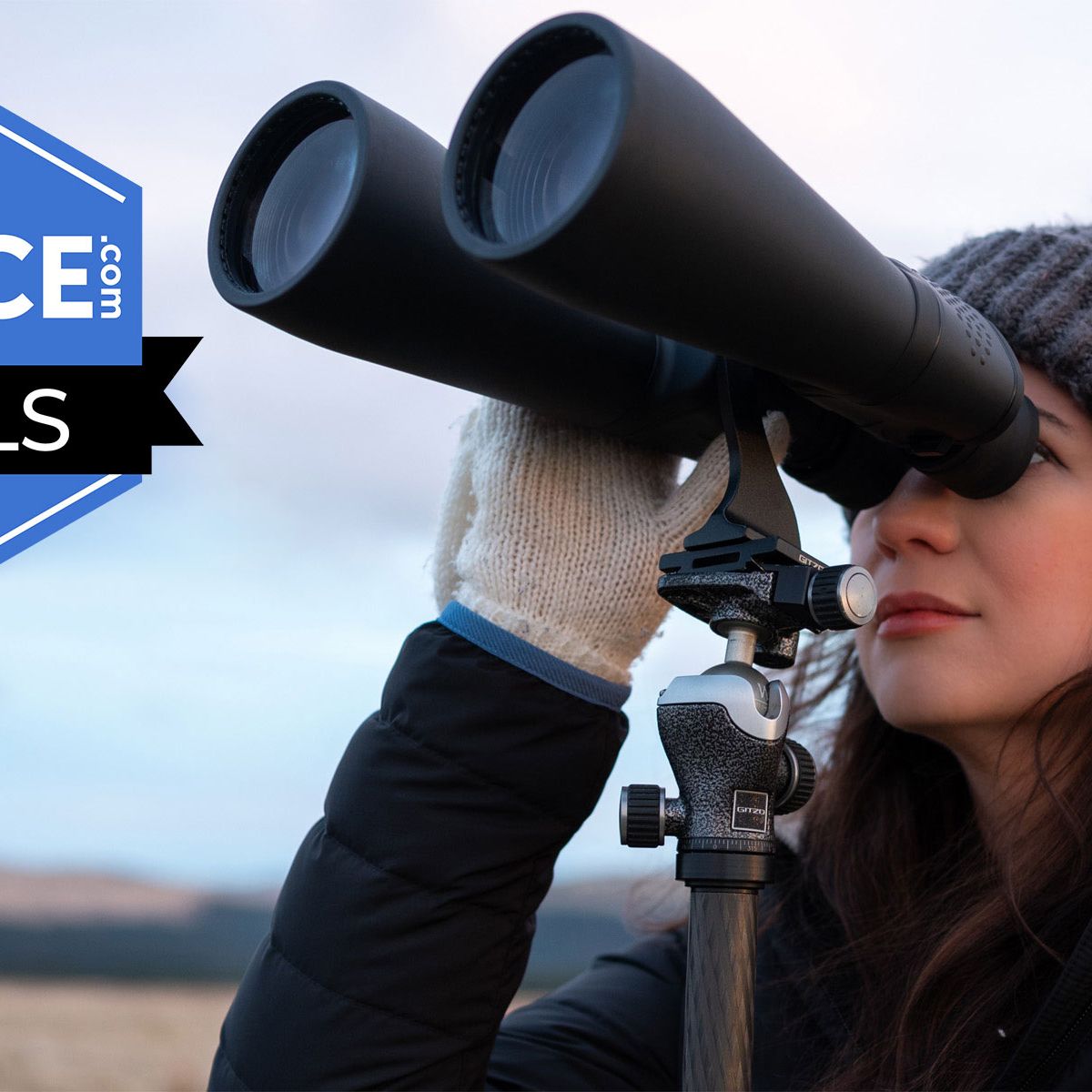
Credit: www.space.com
Benefits Of Binoculars For Space
Binoculars help people explore the sky and learn about space. They make it easier to see stars, planets, and the moon.
Using binoculars for space learning is simple and practical. They offer clear views without the need for complex setups.
Enhanced Viewing Experience
Binoculars provide a wide view of the night sky. They allow you to see more stars at once compared to small telescopes.
- Show more sky area with both eyes
- Help spot constellations easily
- Offer steady images with hand support
- Bring distant objects closer for better study
Portability And Convenience
Binoculars are light and easy to carry. You can take them outside anytime without heavy bags.
They need no power source or complex setup. This makes learning about space quick and easy wherever you are.
Cost-effectiveness Compared To Telescopes
| Equipment | Price Range | Maintenance Needs |
| Binoculars | $30 – $200 | Low |
| Entry-Level Telescope | $150 – $500 | Moderate |
| Advanced Telescope | $500+ | High |
Binoculars cost less than most telescopes. They also need less care, saving money and effort over time.
Limitations Of Binoculars In Astronomy
Binoculars are a common tool for beginners in space learning. They offer a simple way to view the night sky. Still, binoculars have limits that affect their use in astronomy.
Understanding these limits helps set the right expectations. It also guides you to choose better tools for space observation.
Limited Magnification Power
Binoculars usually have a low magnification range, often between 7x and 10x. This power is not enough to see distant stars or planets in detail. Higher magnification is needed for clear views of small or far objects in space.
Using higher magnification with binoculars can cause shaky images. This happens because binoculars are handheld and harder to keep steady than telescopes.
Restricted Field Of View
The field of view in binoculars is smaller compared to telescopes. This means you see less sky area at once. It can be hard to find and follow objects moving across the sky.
- Limited view area makes star hunting slower
- Tracking moving objects like planets is difficult
- Less sky coverage reduces spotting constellations easily
Challenges With Low Light Conditions
Binoculars struggle in low light because their lenses are small. This limits the amount of light they collect. Stars and faint objects become hard to see without enough brightness.
| Factor | Impact on Astronomy |
| Objective Lens Size | Smaller lenses collect less light |
| Light Pollution | Reduces visibility of faint stars |
| Night Vision | Binoculars do not enhance natural night vision |
Choosing The Right Binoculars For Space
Binoculars help you see stars and planets better. They are easier to use than telescopes.
Picking the right binoculars makes space learning fun and clear. Some features matter more than others.
Important Specifications To Consider
Look for size, magnification, and lens quality. These affect how well you see objects in space.
- Magnification:Choose 7x to 10x for clear views without shaking.
- Objective Lens Diameter:Bigger lenses (35mm to 50mm) collect more light.
- Field of View:Wide view helps locate stars and planets easily.
- Prism Type:Roof prisms are compact; Porro prisms offer better depth.
- Weight:Light binoculars are easier to hold steady.
Recommended Models For Beginners
| Model | Magnification | Lens Diameter | Weight |
| Nikon Aculon A211 | 8x | 42mm | 565g |
| Celestron SkyMaster | 15x | 70mm | 1.4kg |
| Bushnell Falcon | 7x | 35mm | 450g |
| Vortex Optics Diamondback | 8x | 42mm | 600g |
Accessories To Improve Observation
Using the right accessories can make your space viewing better and easier.
- Tripod Adapter:Helps keep binoculars steady for long views.
- Carrying Case:Protects binoculars from dust and damage.
- Lens Cleaning Kit:Keeps lenses clear for sharp images.
- Star Maps or Apps:Guides you to find stars and planets.

Credit: www.space.com
Tips For Using Binoculars In Space Learning
Binoculars are a simple tool to explore the night sky. They help you see stars, planets, and the moon better.
Using binoculars correctly can make your space learning more fun and clear. Here are some tips to get the best view.
Best Times And Locations For Observation
Choose a dark place away from city lights to see space clearly. Light pollution makes it hard to see stars.
Look at the sky on clear nights without clouds or fog. The best time is after sunset or before sunrise.
- Find parks or open fields for less light
- Check the weather for clear, dry nights
- Avoid nights with a full moon for darker skies
- Use apps or calendars to know when planets are visible
Techniques To Stabilize Your View
Holding binoculars steady is important to see details in space. Shaky hands blur the view.
You can rest your elbows on a table or hold your arms close to your body to reduce shaking.
- Use a tripod or mount if possible
- Lean against a wall or tree for support
- Breathe slowly and hold your breath briefly while looking
- Use binoculars with image stabilization for clearer views
Identifying Celestial Objects Easily
Start by learning to find bright objects like the moon and planets. They are easy to spot with binoculars.
Use star charts or apps to match what you see in the sky. This helps you know the names of stars and constellations.
- Look for the moon’s craters and mountains
- Spot bright planets like Venus or Jupiter first
- Find well-known constellations like Orion or the Big Dipper
- Use apps that show real-time sky maps
Comparing Binoculars With Other Tools
Binoculars can help you see the stars and planets better than with your eyes alone. They are easy to carry and use for space learning.
It is important to compare binoculars with other tools like telescopes and naked eye observations. This helps you choose the right tool for your needs.
Binoculars Vs. Telescopes
Telescopes are made for looking at space objects in much greater detail. They have stronger lenses and can zoom in more than binoculars.
Binoculars are lighter and easier to carry than telescopes. They give a wider view of the sky, which helps in scanning large areas.
- Telescopes show more detail on planets and stars.
- Binoculars are better for wide sky views and star clusters.
- Telescopes need more setup and are less portable.
- Binoculars can be used quickly and are good for beginners.
Binoculars Vs. Naked Eye Observations
Using your eyes alone lets you see stars and the moon without any tools. This is the simplest way to learn about space.
Binoculars improve your view by making objects look closer and brighter. They help you see things that are hard to spot with just your eyes.
- Naked eye is easy and always ready to use.
- Binoculars reveal more stars and details.
- Binoculars help with learning shapes of constellations better.
- Naked eye observations teach you to recognize bright objects in the sky.

Credit: science.nasa.gov
Frequently Asked Questions
Are Binoculars Effective For Space Observation?
Binoculars provide a wider field of view, making them good for spotting large celestial objects like the moon. However, they lack the magnification needed for detailed views of planets or distant stars.
Can Binoculars Replace Telescopes For Space Learning?
Binoculars are portable and easy to use but cannot replace telescopes. Telescopes offer higher magnification and better clarity for deep space exploration.
What Features Matter In Binoculars For Space?
For space learning, look for binoculars with at least 7x magnification and 50mm objective lenses. Good light-gathering ability and image stability are essential.
Are Binoculars Suitable For Beginners In Astronomy?
Yes, binoculars are ideal for beginners. They are affordable, easy to handle, and help users learn basic star patterns and celestial navigation.
Conclusion
Binoculars offer a simple way to explore space from your backyard. They help you see the moon’s craters and some bright planets clearly. While not as powerful as telescopes, binoculars are easy to use and affordable. They make space learning fun for beginners and kids.
For deeper views, telescopes work better. Still, binoculars give a great start to enjoying the night sky. Try them for clear views and a closer look at stars. Space learning becomes simple and exciting with binoculars.