Have you ever peered through a pair of roof prism binoculars and marveled at the clarity and precision they offer? You might wonder how these remarkable devices work their magic.
Understanding the inner workings of roof prism binoculars can open up a whole new world of appreciation for your next outdoor adventure or birdwatching session. By exploring the secrets behind their design, you will not only enhance your knowledge but also make informed decisions when choosing the perfect pair for your needs.
Dive into this article to uncover the fascinating mechanics of roof prism binoculars, and discover how they can transform your viewing experience.
Basics Of Roof Prism Design
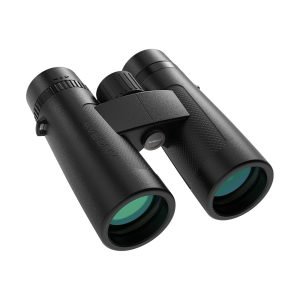
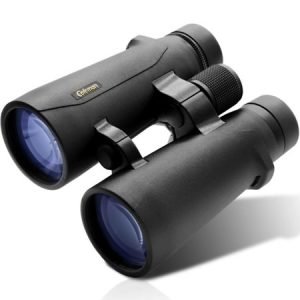
Roof prism binoculars use a special design to make images clear and sharp. They are popular for their compact size and straight barrels.
This design involves prisms that reflect light inside the binoculars to create the final image. Understanding how the prisms work helps explain why these binoculars are so compact.
Prism Shape And Light Path
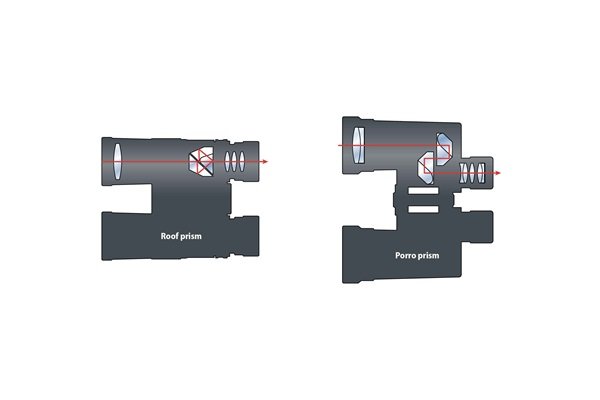
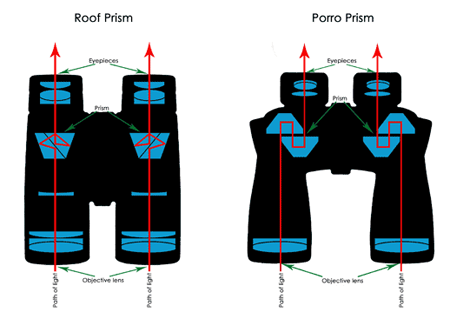
Roof prisms have a unique shape that looks like a small roof corner. The light path inside these prisms is straight and tight, which helps keep the binoculars slim.
- Light enters the binoculars and hits the first prism surface.
- It reflects internally through the prism’s roof-shaped edge.
- The light then reflects again inside the second prism.
- Finally, the light exits the prism, producing a corrected and upright image.
Comparison With Porro Prisms
Porro prism binoculars use a different prism shape and light path. Their prisms are offset, making the binoculars wider and bulkier but often with a wider field of view.
| Feature | Roof Prism | Porro Prism |
| Prism Shape | Straight roof corner | Offset Z-shape |
| Binocular Shape | Slim and straight barrels | Wider and bulkier |
| Light Path | Straight, compact | Longer, angled |
| Image Quality | Sharp and clear | Bright with wide field |
Credit: www.wexphotovideo.com
Light Reflection Inside The Prism
Roof prism binoculars use special glass prisms to bend light inside the device. The prisms reflect light many times to make the image clear and sharp.
This reflection inside the prism helps to keep the binoculars compact and easy to hold. The way light moves and reflects inside affects how well you see distant objects.
Total Internal Reflection
Total internal reflection happens when light hits the inside surface of the prism at a sharp angle. It bounces back without losing brightness.
This reflection is very efficient and keeps the image bright. It happens because the prism’s glass has a higher density than the air outside.
- Light hits the prism surface at an angle greater than the critical angle
- Light reflects fully inside the prism without passing through
- This reflection keeps the image bright and clear
Role Of Coatings
Coatings are thin layers on the prism surfaces. They reduce light loss and improve image quality.
Coatings help light pass through the lens better and reduce glare. This makes the view sharper and colors more natural.
- Anti-reflective coatings increase light transmission
- Protective coatings prevent scratches on the prism
- Coatings improve contrast and reduce glare
Image Orientation And Correction
Roof prism binoculars use special prisms to make the image appear right side up. Without these prisms, the image would be upside down or reversed.
These prisms not only flip the image but also keep it clear and sharp. This is important for seeing details in the distance.
How Images Are Flipped
When light enters the binoculars, it passes through lenses and hits the prisms. The prisms change the path of the light.
This change flips the image so you see it the right way. Without this flip, the image would be upside down or backwards.
- Light enters the binoculars
- Light hits the roof prisms
- Prisms flip the image
- Image appears correctly oriented to your eyes
Prism Alignment For Clarity
Prisms must be perfectly aligned inside the binoculars. This keeps the image clear and focused.
If the prisms are not aligned well, the image looks blurry or double. Good alignment gives sharp and bright views.
- Correct alignment prevents blurry images
- Ensures light travels the right path
- Keeps colors true and bright
- Improves overall image quality
Credit: mohonkpreserve.medium.com
Advantages Of Roof Prism Binoculars
Roof prism binoculars offer a modern design that makes them popular among many users. They have straight barrels, which help keep them compact and easy to carry.
This type of binocular uses prisms arranged in a straight line. This design helps reduce the size without losing image quality or brightness.
Compact And Lightweight Design
Roof prism binoculars are known for their small and light build. This makes them perfect for activities like hiking, bird watching, and traveling.
- Easy to carry for long periods
- Fits easily in backpacks or pockets
- Less arm strain during use
- Good for quick spotting and moving around
Durability And Waterproofing
Many roof prism binoculars come with strong, sealed bodies. This helps protect them from dust, water, and shocks.
| Feature | Benefit |
| Waterproof Seals | Keep binoculars dry in rain or wet conditions |
| Rubber Coating | Protects against drops and bumps |
| Fog-proof | Prevents lens fogging inside during temperature changes |
| Sturdy Frame | Supports long-lasting use outdoors |
Common Challenges And Solutions
Roof prism binoculars are popular for their compact design. They use special prisms to flip the image right-side up.
These binoculars face some common challenges that affect their performance. Knowing these helps users understand their features better.
Light Loss Issues
Roof prism binoculars can lose light during the path inside the prisms. This lowers the brightness and clarity of the image.
The shape and coatings of the prisms affect how much light is lost. Poor coatings cause dimmer views and less sharp details.
- Use binoculars with good anti-reflective coatings
- Choose models with phase correction coatings on prisms
- Keep lenses clean to avoid extra light loss
Manufacturing Precision
Roof prism binoculars need precise alignment of their parts. Small errors can cause blurry or double images.
High-quality manufacturing reduces these issues. Tight tolerances and careful assembly keep images clear and sharp.
- Look for binoculars with good build quality
- Check for smooth focusing and no image wobble
- Test binoculars for clear and sharp views before buying
Choosing Roof Prism Binoculars
Roof prism binoculars are popular for their compact design and straight barrels. They use a special prism system to reflect light and create a clear image.
Choosing the right roof prism binoculars means looking at several important features. This helps you get the best view for your needs.
Key Features To Consider
Look for size and weight to carry the binoculars easily. Check the lens size for bright and clear images. Also, consider the field of view to see more area at once.
- Magnification power: How close objects appear
- Objective lens diameter: Light gathering ability
- Exit pupil size: Brightness of the image
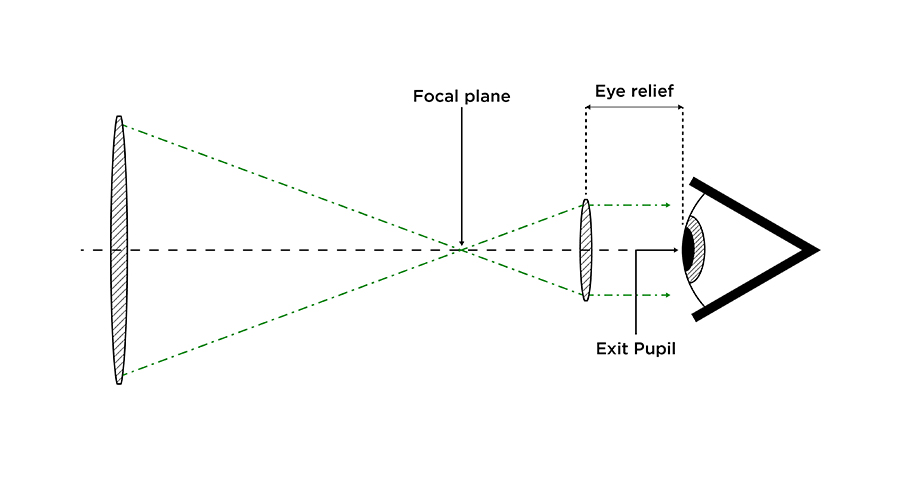
- Eye relief: Comfort for people who wear glasses
- Waterproof and fog proof: Usability in bad weather
- Build quality: Durability and grip
Best Uses And Applications
Roof prism binoculars suit many activities because of their size and image quality. They work well for outdoor adventures and everyday use.
- Bird watching: Clear view of small details
- Hiking and camping: Easy to carry and use
- Sports events: See the action from far away
- Traveling: Compact and lightweight for trips
- Hunting: Sharp images with good depth

Credit: www.youtube.com
Frequently Asked Questions
What Are Roof Prism Binoculars?
Roof prism binoculars use a straight, streamlined design. They have prisms aligned in a straight line to reflect light. This design makes them compact, durable, and easy to handle compared to Porro prism binoculars.
How Does The Roof Prism System Improve Image Quality?
The roof prism system bends light internally twice, preserving image clarity. It minimizes distortion and delivers sharp, bright, and high-contrast images. Coated prisms also enhance light transmission and color fidelity.
Why Choose Roof Prism Binoculars Over Porro Prism?
Roof prism binoculars are more compact and lightweight. They offer better alignment durability due to their straight design. This makes them ideal for outdoor activities like hiking and birdwatching.
Do Roof Prism Binoculars Require Special Maintenance?
Yes, roof prism binoculars need careful cleaning to avoid scratching coatings. They are sealed to prevent dust and moisture but should be stored dry. Regular checks ensure optimal performance and longevity.
Conclusion
Roof prism binoculars offer clear and bright views. Their design makes them compact and easy to carry. Light travels through prisms, flipping the image right side up. This system helps you see distant objects clearly. Many people choose them for hiking, bird watching, or sports.
Understanding how they work helps you pick the best pair. Clear vision and easy handling matter most. Now you know why roof prism binoculars are popular. Give them a try on your next outdoor trip.