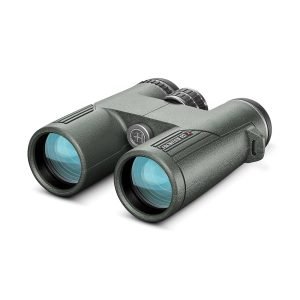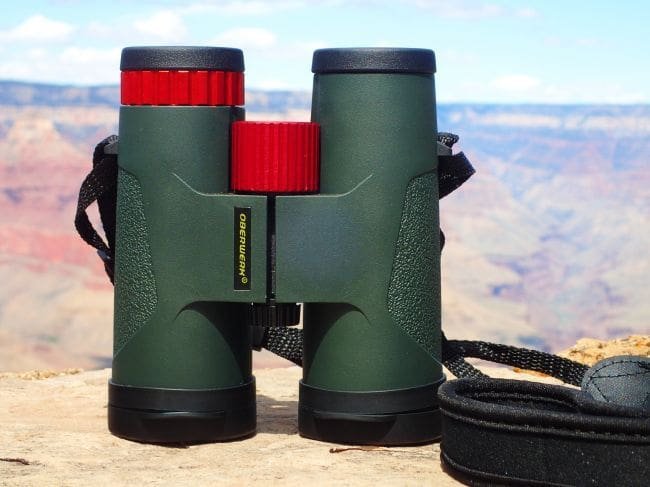
Have you ever sat in an Olympic stadium, far from the action, wishing you could see every detail up close? You might wonder if bringing binoculars is really worth the hassle.
Could a small pair of lenses truly change your entire experience? You’ll discover how binoculars can transform your view, what to look for when choosing them, and whether they’re a smart addition to your Olympic adventure. Keep reading to find out if binoculars are the secret to making your stadium visit unforgettable.
Benefits Of Using Binoculars
Watching events at an Olympic stadium can be exciting. Using binoculars can make the experience better. They help you see the action more clearly from far away seats.
Binoculars are small and easy to carry. They bring the athletes and details closer to your eyes, making the event more enjoyable.
Enhancing Viewing Experience
Binoculars let you watch the event without missing any moment. They help you feel like you are closer to the field. This makes your time at the stadium more fun and exciting.
- See the players’ expressions clearly
- Follow fast movements easily
- Enjoy the event without distractions
- Watch from any seat, even far ones
Capturing Details From Afar
Binoculars help you catch small details that are hard to see with the naked eye. You can watch uniforms, equipment, and gestures better. This adds to the thrill of the event.
| Detail | Benefit |
| Player’s facial expressions | Understand emotions and effort |
| Ball or equipment | Track movements precisely |
| Field markings | Know positions and plays |
| Team signals | See strategy clearly |
Improving Focus And Clarity
Good binoculars sharpen your view. They reduce blurriness and help your eyes focus on what matters. This makes watching long events less tiring for your eyes.
Features that improve focus and clarity:
- Adjustable lenses for sharp images
- Anti-glare coating for bright lights
- Wide field of view to see more
- Comfortable grips for steady holding
Challenges In Olympic Stadiums
Watching events live at Olympic stadiums can be exciting but also challenging. These large venues create difficulties for spectators trying to see the action clearly.
Many people wonder if binoculars help improve the viewing experience in such huge spaces. Let’s explore some common challenges.
Distance And Size Of Venue
Olympic stadiums are very big. Seats are placed far from the playing field or track.
Watching from a distance makes it hard to see details clearly. Binoculars can help bring the action closer to your eyes.
- Stadiums often hold tens of thousands of people
- Distance to the event can be over 100 meters
- Binoculars magnify distant objects for better view
Crowd Movement And Obstructions
Large crowds move and stand often during events. This can block your view.
People walking in front or holding signs can cause obstructions. Binoculars have a narrow view, which sometimes makes it harder to see around obstacles.
- Fans often stand to cheer or take photos
- Obstructions can shift quickly with crowd movement
- Binoculars focus on small areas, missing wider views
Lighting Conditions
Lighting inside Olympic stadiums changes during the day and night. Bright sunlight or artificial lights can affect how well you see.
Binoculars may struggle in low light or cause glare in bright conditions. Adjusting settings or choosing the right time helps.
- Daylight can cause glare on binocular lenses
- Night events rely on stadium floodlights
- Low light reduces clarity and sharpness
Choosing The Right Binoculars
Binoculars can help you see far details at Olympic stadiums. Picking the right pair makes your experience better.
Think about what you want before buying. Size, weight, and weather are key factors to check.
Magnification And Lens Size
Magnification shows how close things look. Lens size controls how much light enters. Both affect view quality.
High magnification may shake your view. Large lenses give bright images but can be heavy.
- Choose 8x to 10x magnification for stadiums
- Lens size around 32mm to 42mm suits most users
- Bigger lenses work better in low light
Weight And Portability
Heavy binoculars tire your arms fast. Light and small pairs are easier to carry all day.
Look for compact designs if you walk a lot. A neck strap helps hold them safely.
- Compact binoculars fit in small bags
- Weight under 1.5 pounds is easy to carry
- Consider a carrying case for protection
Weather Resistance
Outdoor stadiums may have rain or dust. Weather-resistant binoculars last longer and work well in bad weather.
Look for waterproof and fog-proof features. These keep lenses clear and parts safe.
- Waterproof models handle rain and spills
- Fog-proof prevents lens mist inside
- Rubber coating adds grip and protection
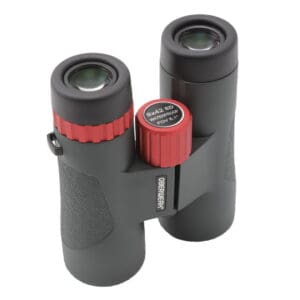
Credit: oberwerk.com
Alternatives To Binoculars
Watching events in a large Olympic stadium can be tough without the right tools. Binoculars help, but they are not the only option. There are other ways to enjoy the details from far away.
This section shows some good alternatives to binoculars that can enhance your stadium experience.
Using Stadium Screens
Most Olympic stadiums have large screens that show close-up views of the action. Watching these screens can give you a better look than just your seat.
- Large screens show live replays and close-ups.
- Easy to see from most parts of the stadium.
- Good for seeing details you might miss with binoculars.
Digital Zoom On Cameras
Using a camera with digital zoom can help you see distant details. Many smartphones and digital cameras have this feature built in.
| Device Type | Zoom Range | Image Quality |
| Smartphone | 2x to 10x | Good for casual use |
| Compact Digital Camera | 10x to 30x | Better clarity |
| DSLR Camera | Varies with lens | High quality |
Mobile Apps For Live Updates
Many apps provide live scores, player stats, and video feeds. These apps keep you informed and help you follow the event closely.
- Get real-time updates on scores and stats.
- Watch live video clips and highlights.
- Receive alerts for important moments.
Tips For Using Binoculars Effectively
Binoculars can help you see details clearly at large Olympic stadiums. Using them the right way makes watching more fun.
Good habits with binoculars reduce eye strain and give steady views of the action. Here are some tips to use binoculars well.
Proper Handling And Stability
Hold your binoculars firmly with both hands to keep them steady. Rest your elbows on a firm surface if possible.
Try to avoid shaking by standing still or sitting down while watching. This helps keep the image clear and sharp.
- Use both hands to hold binoculars
- Rest elbows on a railing or your knees
- Keep your body still while looking
- Avoid quick movements to reduce shaking
Adjusting Focus Quickly
Binoculars need quick focus changes to follow fast action. Learn to use the focus wheel smoothly without losing sight.
Practice focusing before the event so you can adjust fast. Look at nearby and far objects to get used to the focus range.
- Turn the focus wheel gently
- Focus on a clear object before the event
- Adjust focus as the action moves
- Keep both eyes open for better depth
Maintaining Comfort During Long Events
Watching long events with binoculars can tire your eyes and neck. Take breaks to rest and keep comfortable.
Use a neck strap or harness to carry binoculars. This prevents strain and keeps them ready to use when needed.
- Take short breaks to relax your eyes
- Use a neck strap to support binocular weight
- Adjust your seating for good posture
- Keep binoculars close but not pressed to your face all the time
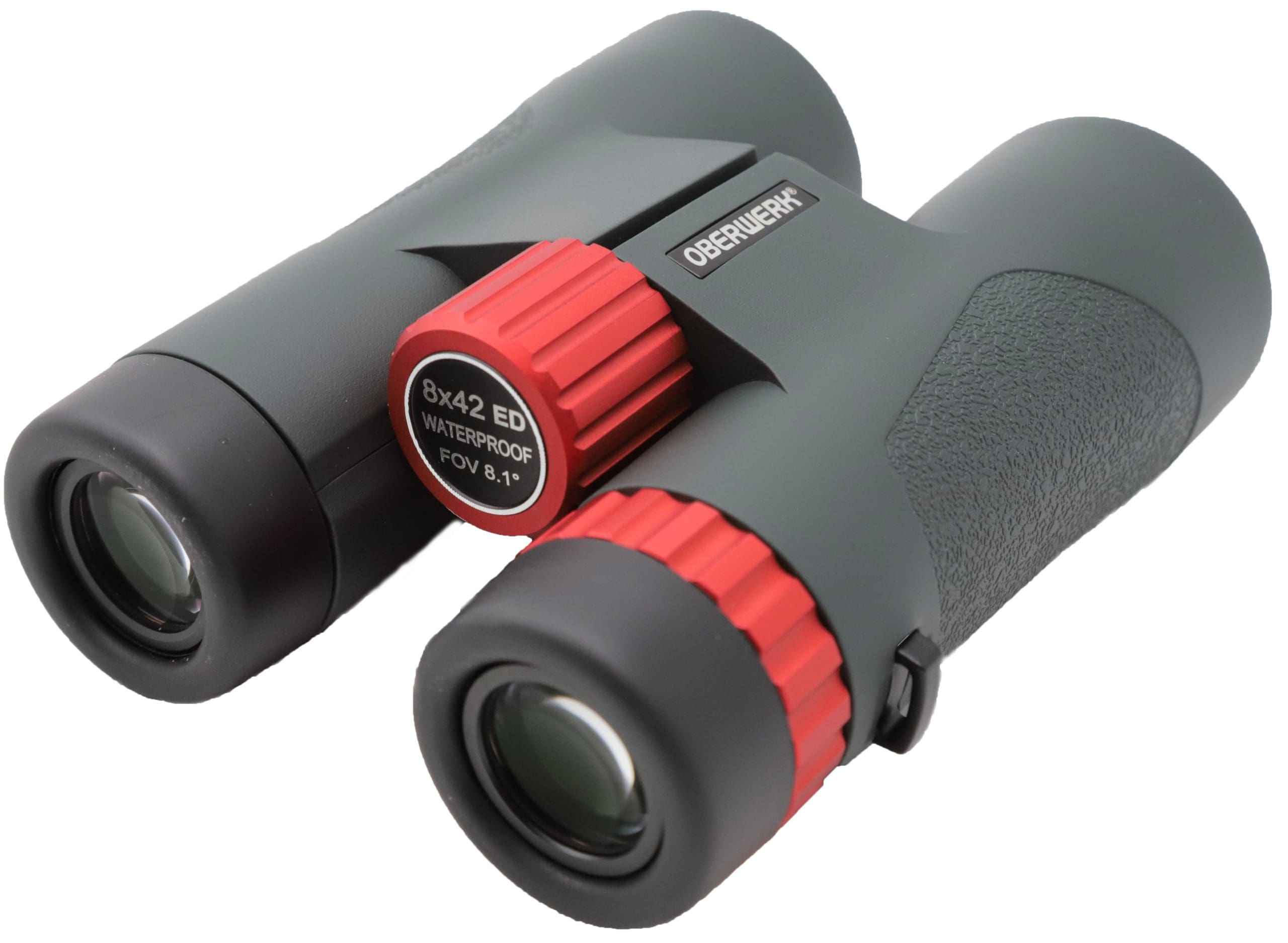
Credit: oberwerk.com
Cost Vs. Value Analysis
Watching events at an Olympic stadium can be exciting. Using binoculars might help you see details far away. But are binoculars worth the cost? Let’s look at the value they bring.
We will compare the price of binoculars to how much you will use and benefit from them. This helps decide if buying binoculars is a good choice.
Price Ranges Of Binoculars
Binoculars come in many price ranges. You can find cheap ones for less than $20. Mid-range models cost between $50 and $150. High-end binoculars can go over $300.
- Low cost: Basic view, less clear images
- Mid cost: Good clarity, better build
- High cost: Sharp images, durable, extra features
Frequency Of Use
How often you use binoculars affects their value. If you go to many Olympic events, binoculars can be helpful every time. For rare visits, the cost might not be justified.
Regular use makes the investment worth it. If you only attend once, you might want to borrow or rent binoculars instead.
Long-term Benefits
Good binoculars last for years. They can be used for other sports or outdoor activities. This adds value beyond just one event.
- Improve viewing experience at many events
- Use for hiking, bird watching, or concerts
- Durable models save money over time

Credit: www.reddit.com
Frequently Asked Questions
Are Binoculars Useful At Olympic Stadiums?
Yes, binoculars help you see distant athletes and details clearly. They enhance your viewing experience, especially in large stadiums.
What Magnification Is Best For Olympic Stadium Binoculars?
A magnification of 8x to 10x is ideal. It provides clear close-ups without excessive shaking or narrow view.
Can Binoculars Improve My Overall Olympic Experience?
Absolutely. Binoculars allow you to catch subtle actions and expressions. They make watching events more engaging and immersive.
Are Compact Binoculars Suitable For Stadium Use?
Yes, compact binoculars are lightweight and easy to carry. They still offer good image quality for stadium viewing.
Conclusion
Binoculars can enhance your Olympic stadium experience. They bring distant action closer. See athletes’ expressions and details you might miss. Binoculars are portable and easy to use. Consider your seat distance before buying. Closer seats might not need them. For far seats, they are useful.
Invest in a good pair for clear views. Weigh the cost against the benefits. Decide based on your needs and budget. Enjoy every thrilling moment at the stadium. Binoculars can add value to your experience.